Table of Contents >> Show >> Hide
- Ceviche in One Bite: The Quick Definition
- Is Ceviche Actually Cooked? The Science Behind the Citrus
- Where Did Ceviche Come From? A Brief (Delicious) Origin Story
- What’s in Ceviche? The Building Blocks
- How to Make Ceviche at Home (Without Turning It Into a Science Fair Panic)
- Ceviche Safety: The Part People Skip (Please Don’t)
- Types of Ceviche: One Idea, Many Accents
- What to Serve with Ceviche
- Ceviche FAQs (Because Everyone Asks These)
- Real-World Ceviche Experiences ( of What It’s Like)
- Conclusion
Ceviche (say it like “seh-VEE-chay” if you want to sound confident, or “sev-itch” if you want to start a debate)
is the bright, punchy seafood dish that tastes like summer decided to put on cologne. At its simplest, it’s raw
fish or shellfish “cooked” without heat by soaking it in something acidicmost famously lime or lemon juicethen
mixed with crisp vegetables, herbs, and chiles.
The result? Seafood that turns opaque and firm the way it would in a skillet, but keeps that clean, ocean-fresh
flavor. It’s part science experiment, part party snack, and part “how is this so refreshing?” miracle. But it’s
also not magic: citrus can change texture, yet it isn’t a guaranteed germ-zapper. (Lime juice is many things. A
tiny lifeguard that rescues you from foodborne illness is not one of them.)
Ceviche in One Bite: The Quick Definition
Ceviche is citrus-cured seafoodusually cut into small pieces and marinated briefly in an acidic
juicethen tossed with flavor boosters like onion, cilantro, and peppers. It’s typically served chilled, often
with crunchy sides (tostadas, tortilla chips, plantain chips, toasted corn) to scoop up every last tangy bite.
While people often call ceviche “raw fish,” it’s more accurate to call it chemically cooked. That’s not a
marketing gimmickit’s literally chemistry changing proteins. Which leads us to the question everyone asks…
Is Ceviche Actually Cooked? The Science Behind the Citrus
When fish hits acid (like lime juice), the proteins in the flesh denaturethey unravel and
reorganize. Heat does this too, but acid gets there by lowering pH instead of raising temperature. That’s why the
fish turns opaque and firms up: the structure changes, so it looks cooked and feels cooked.
Here’s the important nuance: denaturing changes texture, not necessarily safety. Acid can slow or reduce some
microbial activity, but it is not the same as fully cooking seafood to safe temperatures. So think of ceviche as
“no-heat cooking” for texturethen use smart sourcing and cold handling for safety.
Where Did Ceviche Come From? A Brief (Delicious) Origin Story
Ceviche is most closely associated with Peru, where it’s a national icon and a point of fierce pride (the friendly
kindusually). Histories vary, but many accounts link ceviche to coastal preservation techniques using acidic
fruits, later influenced by Spanish-introduced citrus and ingredients. There are also close cousins across the
world: Filipino kinilaw, for example, follows a similar acid-cure logic.
Bottom line: ceviche is a coastal solution turned culinary flexborn where fresh seafood and bright acid were
abundant, then adapted everywhere people like flavor (which is… everywhere).
What’s in Ceviche? The Building Blocks
1) The Seafood
Traditional ceviche often uses firm, lean white fish that holds its shape after curing. Popular choices include
sea bass, snapper, flounder, halibut, or other mild, firm fish. Shellfish ceviche is also commonespecially shrimp
or scallopsthough shrimp is frequently blanched or pre-cooked for extra safety.
Texture matters as much as flavor. Soft, oily fish can get mushy faster in acid. The best ceviche fish behaves like
a good friend: stays solid under pressure and doesn’t fall apart when things get intense.
2) The Acid (“The Cold Stove”)
Lime is the classic. Lemon works. Some styles add orange or grapefruit for sweetness and aroma. In some regional
variations, vinegar shows up too. The acid does two jobs: it alters the fish proteins (firming them) and it seasons
everything with brightness.
3) Aromatics and Crunch
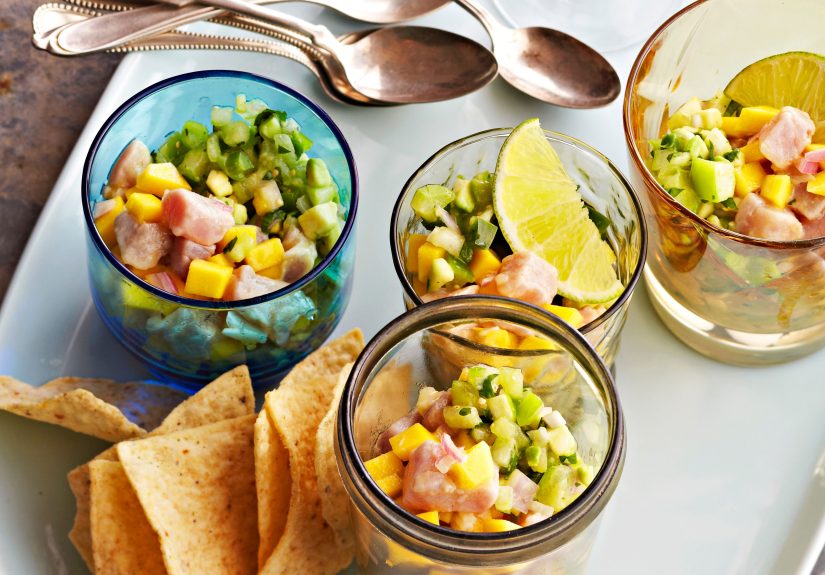
Onion (often red), cilantro, and chiles are the big three. Add-ins commonly include cucumber, tomatoes, corn,
avocado, bell pepper, or fruit (mango, pineapple) depending on the style. Salt is non-negotiableit wakes up the
seafood and balances the acidity.
4) The Flavor “Juice” (a.k.a. Leche de Tigre)
In many Peruvian-style preparations, the seasoned citrus mixture becomes a signature component called
leche de tigre (“tiger’s milk”). It’s citrusy, salty, spicy, and often blended with aromatics. Some people
sip it, some drizzle it, some treat it like the ceviche equivalent of a mic drop.
How to Make Ceviche at Home (Without Turning It Into a Science Fair Panic)
You don’t need a culinary degree. You need a sharp knife, cold ingredients, and a plan. Here’s the practical
approach:
Step 1: Start Colder Than You Think
Keep fish refrigerated until the last minute. Chill your bowl if your kitchen runs warm. Ceviche is a cold dish,
and temperature control is your best friend for both texture and safety.
Step 2: Cut Even Pieces
Dice fish into uniform cubes or thin slices so the acid cures evenly. Uneven cuts lead to the classic ceviche
problem: some bites are perfect, some are “still basically sashimi,” and one piece turns to paste and ruins the
vibe.
Step 3: Season the Citrus
Don’t just pour lime juice and hope. Season it: salt, a little chile, maybe garlic, maybe a touch of orange juice.
Taste the marinadeit should be bold and balanced before it ever meets the fish.
Step 4: Marinate Briefly, Then Serve
Marinating time controls texture. Many home guides land in the “about 10–25 minutes” range for fish depending on
cube size and how “cooked” you like the center. Think of it like doneness: you can go tender and silky, or firm and
fully opaque. (Just don’t aim for “chalky.”)
Step 5: Add Crunch and Herbs Near the End
Toss in onion, cilantro, and crisp vegetables right before serving so everything stays snappy. If you add avocado,
do it last so it doesn’t get smashed into guacamole by accident.
Ceviche Safety: The Part People Skip (Please Don’t)
Ceviche is incrediblebut it’s also closer to raw seafood than to cooked fish. Safe ceviche is mostly about
quality sourcing, cold temperatures, and risk awareness.
Parasites: Why Freezing Matters
Parasites can be a concern with fish intended for raw consumption. Commercial “sushi-grade” isn’t an official legal
label everywhere, but reputable fish sellers often follow freezing practices designed to control parasites. If
you’re buying fish for ceviche, ask the seller whether it was previously frozen for raw useor choose fish that has
been handled accordingly.
Bacteria: Citrus Isn’t a Kill Switch
Acid changes texture, but it doesn’t reliably eliminate pathogens the way proper cooking does. That’s why ceviche
should be treated with the same respect you’d give sushi or oysters: buy from reputable sources, keep it cold,
avoid cross-contamination, and serve it promptly.
Who Should Avoid Ceviche?
If you’re pregnant, elderly, immunocompromised, or very young, food safety authorities often recommend avoiding raw
or undercooked seafood due to higher risk from bacteria and parasites. In those cases, consider cooked seafood
alternatives (like shrimp that’s fully cooked and chilled) or a “ceviche-style” dish using cooked fish.
How Long Can Ceviche Sit Out?
Treat it like any perishable seafood salad: keep it chilled, and don’t let it lounge at room temperature. For a
party, set the serving bowl over ice, refresh small batches, and return the rest to the fridge.
Types of Ceviche: One Idea, Many Accents
“Ceviche” isn’t one strict recipeit’s a category. The core idea is acid-cured seafood, but the details shift by
region, local catch, and cultural preferences.
Peruvian-Style Ceviche
Often minimalist and bold: white fish, lime, salt, onion, ají peppers, cilantroserved quickly while the fish is
still tender. The marinade can become leche de tigre, sometimes enriched or blended for extra punch. You’ll also
see classic sides like sweet potato and large-kernel corn.
Ecuadorian-Style Ceviche
Frequently features shrimp and may lean more “saucy,” sometimes incorporating tomato, citrus, and a slightly longer
marination vibe. It’s often served as a hearty, spoonable dish rather than strictly a quick cure.
Mexican-Style Ceviche
Typically includes tomatoes, onion, cilantro, and chilessometimes cucumber and avocadooften served with tostadas
or tortilla chips. It’s bright, crunchy, and built for scooping, which is honestly the most democratic way to eat
seafood.
Nikkei and Fusion Styles
Japanese-Peruvian (Nikkei) influences may introduce ingredients like soy sauce, sesame, ginger, or more refined
knife cutsproof that ceviche plays well with others.
What to Serve with Ceviche
Ceviche loves contrast. Try:
- Crunch: tortilla chips, tostadas, plantain chips, toasted corn
- Cooling sides: avocado, cucumber, crisp lettuce cups
- Starches that balance acid: sweet potato, corn, rice
- Drinks: sparkling water with citrus, light beer, or a crisp white wine (think bright and dry)
Ceviche FAQs (Because Everyone Asks These)
How long should ceviche marinate?
It depends on fish size and your preferred texture. Small cubes can turn opaque quicklyoften within 10–25 minutes.
Larger pieces take longer. The best move is to test a piece as it cures and stop when it hits your sweet spot.
Can I make ceviche with shrimp?
Yes, but many cooks blanch or fully cook shrimp first, then chill and toss it with citrus and vegetables for the
ceviche flavor without the raw-seafood risk. If using raw shrimp, be extra cautious about sourcing and handling.
Can I prep ceviche ahead of time?
You can prep components aheaddice vegetables, mix the citrus base, slice onionsbut it’s best to combine the fish
with citrus close to serving. Otherwise the fish keeps curing and can become dry or mealy.
Can I store leftovers?
Ceviche is best fresh. If you must store it, refrigerate promptly in an airtight container and understand the
texture will keep changing. When in doubt, don’t gambleseafood doesn’t reward bravery in the “day-old citrus bath”
category.
Real-World Ceviche Experiences ( of What It’s Like)
The first time most people try ceviche, there’s a tiny mental speed bump: “Wait… this isn’t cooked?” And then the
fork goes in, and the brain realizes it’s not dealing with slimy raw fishit’s dealing with seafood that’s firm,
bright, and almost sparkly with citrus. The common reaction is a surprised pause, followed by an immediate second
bite (for “research”). If the ceviche is good, it tastes like the ocean took a shower and put on a fresh linen
shirt.
Another classic ceviche moment is discovering how much texture can change in minutes. People often expect a long
marination like a barbecue recipe, but ceviche doesn’t work on “set it and forget it.” It’s more like toast: one
minute you’re fine, the next minute you’re scraping sadness into the trash. That’s why many experienced home cooks
do a little “taste every five minutes” routineespecially the first time they make it. It feels extra, but it’s
actually the fastest way to learn what you love: slightly tender centers, fully opaque cubes, or something in
between.
Ceviche also has a social superpower: it turns regular people into “hover near the bowl” people. Put a bowl of
ceviche next to chips or tostadas at a gathering and watch how quickly everyone becomes an expert scoop engineer.
Someone will inevitably say, “This is so fresh,” which is party-speak for “I’m about to camp here and eat half of
it.” Another person will ask if it’s spicy. Someone else will add hot sauce. (There is always a hot sauce person.)
If you order ceviche at a restaurant, the experience is often defined by contrast: cold fish against sharp citrus,
crisp onion against soft avocado, chile heat against sweet corn or sweet potato. Great ceviche feels balancedlike
each ingredient has a job and showed up on time. If it’s overly sour, it can taste like the fish got grounded in a
lime punishment. If it’s under-seasoned, it tastes like someone described ceviche over the phone instead of making
it. The best versions hit you with brightness first, then let the seafood flavor linger.
At home, people often learn two lessons quickly. Lesson one: keep it cold. Not “kind of chilled,”
but actually coldbecause ceviche gets less fun as it warms up. Lesson two: start with great seafood.
Ceviche doesn’t hide anything; it spotlights it. Fresh, firm fish tastes clean and sweet. Fish that’s questionable
doesn’t become better when you add limelime just makes the problem taste louder.
Once you get comfortable, ceviche becomes a choose-your-own-adventure dish. Some days it’s classic and simple.
Other days it’s fruit-forward with mango. Sometimes you do a Peruvian-inspired bowl with a punchy leche de tigre
vibe. Sometimes you do a Mexican-style version built for chips. The best “experience” of ceviche, though, is the
same every time: that first cold, bright bite that tastes like a vacation you can eat with a spoon.
Conclusion
Ceviche is citrus-cured seafood that delivers big flavor with minimal cookingbecause it doesn’t use heat at all.
The acid denatures proteins, giving fish a cooked texture while keeping everything bright and fresh. Whether you
love Peruvian-style simplicity, Mexican-style scoopability, or a fusion twist, the keys are the same: quality
seafood, smart knife cuts, balanced seasoning, and cold temperatures. Make it with care, serve it fresh, and enjoy
the most refreshing “science project” in your kitchen.