Table of Contents >> Show >> Hide
- Broken heart syndrome, explained like a human (not a textbook)
- What actually happens inside the heart?
- Symptoms: why it can look exactly like a heart attack
- Who gets broken heart syndrome?
- Triggers: it’s not always heartbreak (and sometimes it’s not “bad”)
- How doctors tell it apart from a heart attack
- Treatment: what happens after the diagnosis?
- Recovery: how long does it last?
- Complications: “temporary” doesn’t mean “tiny”
- Living with stress after a stress-heart diagnosis
- When to seek emergency help
- FAQ: quick answers to common questions
- Experiences: what it can feel like (and what people often learn afterward) ~
- Conclusion
Broken heart syndrome sounds like something you’d hear in a rom-com right before the big airport scene. But it’s a real medical conditionone that can feel exactly like a heart attack and can land someone in the ER fast.
Clinically, it’s often called takotsubo cardiomyopathy or stress cardiomyopathy. In plain English: after a sudden emotional or physical shock, the heart’s main pumping chamber can temporarily weaken and change shape, making it harder to pump blood normally. The good news? Most people recoveroften within weeks. The important news? You should never try to “tough it out” at home when symptoms hit.
Quick safety note: This article is for education, not a diagnosis. Chest pain or trouble breathing is an emergencycall local emergency services right away.
Broken heart syndrome, explained like a human (not a textbook)
Broken heart syndrome is a temporary heart condition that usually shows up right after a big stressorlike the death of a loved one, a serious argument, a scary medical event, surgery, an asthma flare, or even a surprise “good” shock (yes, your heart can be dramatic in either direction).
It’s “temporary,” but don’t confuse that with “harmless.” In the short term, it can cause dangerous complications (like abnormal heart rhythms or heart failure), which is why doctors treat it seriously and often monitor people in the hospital.
Why the name “takotsubo”?
“Takotsubo” is a Japanese word for an octopus trap. In many cases, heart imaging shows the left ventricle ballooning into a shape that reminded researchers of that trap. Medicine is full of poetic metaphorssome are just… more aquatic than others.
What actually happens inside the heart?
Most experts believe broken heart syndrome involves a sudden surge of stress hormones (like adrenaline and related catecholamines) that “stun” the heart muscle. Instead of squeezing normally, part of the left ventricle temporarily contracts poorly while other parts may squeeze more strongly. The result: pumping function drops, symptoms appear, and tests may look like a heart attackat least at first.
Doctors are still debating the exact mechanisms. The leading theories include stress-hormone effects on heart muscle cells, changes in small blood vessels (microvascular dysfunction), and temporary coronary artery spasm. Real-life bodies rarely read the same chapter headings as our medical textbooks.
Symptoms: why it can look exactly like a heart attack
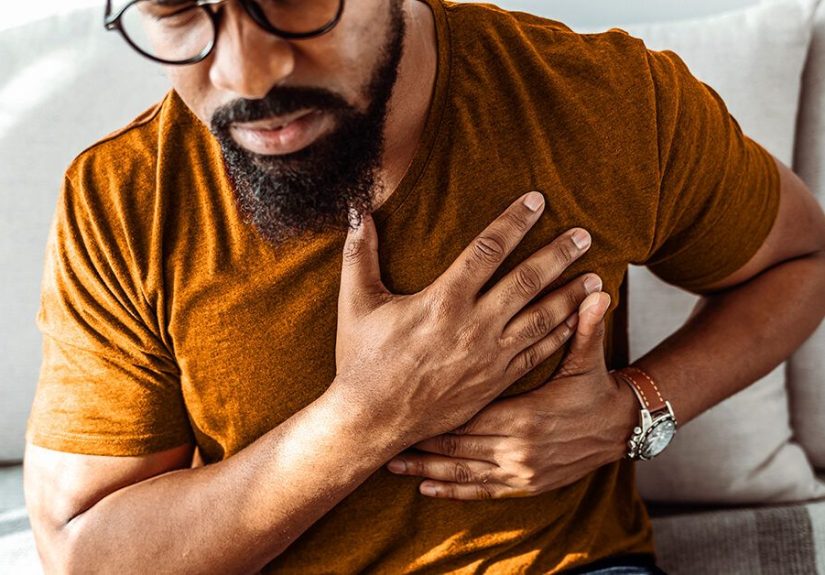
If broken heart syndrome had a slogan, it would be: “I’m going to imitate a heart attack so well that nobody should guess.” Symptoms often include:
- Chest pain (pressure, squeezing, heaviness, or burning)
- Shortness of breath
- Heart palpitations (fast or irregular heartbeat)
- Fainting or feeling like you might pass out
- Weakness, sweating, nausea (sometimes)
Important: Because these symptoms overlap so much with a heart attack, the safe move is the same: treat it like an emergency. Let professionals rule out a blocked artery and handle monitoring.
Who gets broken heart syndrome?
Broken heart syndrome can happen to anyone, but it’s most commonly diagnosed in older adults, especially postmenopausal women. That doesn’t mean men can’t get it. Men may be diagnosed less often, but some research suggests they can have worse outcomes when it occursanother reason this condition shouldn’t be brushed off as “just stress.”
Risk factors doctors often mention
- Being a woman (especially after menopause)
- Older age
- Recent major emotional stress (grief, breakup, conflict, trauma)
- Recent major physical stress (infection, surgery, severe pain, respiratory distress)
- History of anxiety, depression, or neurologic conditions (in some studies)
None of these are “your fault.” Stress biology is not a moral failing. Your heart doesn’t care how productive your coping mechanisms look on social media.
Triggers: it’s not always heartbreak (and sometimes it’s not “bad”)
Many cases follow an identifiable trigger, but some don’t. When a trigger is present, it often falls into two buckets:
Emotional triggers
- Grief after a death
- Breakup, divorce, or serious relationship conflict
- Financial shock, job loss, major life upheaval
- Fear, panic, traumatic news, intense anxiety
- Occasionally: a surprise positive event (“happy heart syndrome”)
Physical triggers
- Severe infection or sepsis
- Asthma attacks or significant breathing problems
- Major surgery or medical procedures
- Stroke or neurologic stress
- Severe pain or physical trauma
In short: it’s “broken heart syndrome,” but the heart can also be “overwhelmed heart syndrome.” Marketing just picked the punchier name.
How doctors tell it apart from a heart attack
Because symptoms can be identical, clinicians usually start by treating the situation like a heart attack until proven otherwise. Common steps include:
1) EKG/ECG (electrocardiogram)
This can show changes that resemble a heart attack.
2) Blood tests (cardiac enzymes)
Troponin and other markers can be elevated, though patterns may differ from a typical heart attack.
3) Echocardiogram (heart ultrasound)
An echo can reveal the characteristic movement patternoften ballooning or abnormal motion in parts of the left ventricle.
4) Coronary angiography (cardiac catheterization)
This is a big one. In many broken heart syndrome cases, angiography shows no major blocked coronary arteriesa key difference from many heart attacks.
5) Cardiac MRI (sometimes)
MRI can help confirm the pattern, assess inflammation, and rule out other causes of sudden heart weakness.
Doctors may also use established diagnostic criteria (often referenced through major cardiology organizations) to put the full picture together.
Treatment: what happens after the diagnosis?
There’s no single universal protocol that fits every patient, partly because people arrive with different levels of severity. Treatment is usually supportive and tailored to symptoms, often similar to heart-failure careespecially early on.
Common treatment approaches
- Hospital monitoring (especially at the beginning, to watch rhythms and blood pressure)
- Medications such as beta-blockers or ACE inhibitors/ARBs (depending on blood pressure and heart function)
- Diuretics if fluid backs up into the lungs
- Blood thinners in specific situations (for example, if imaging suggests a risk of clot formation)
- Treating the trigger (infection care, breathing support, pain control, addressing other acute illness)
Some people need more advanced support if complications occur (for example, shock or severe heart failure). That’s why early medical evaluation mattersthis isn’t a “wait and see” moment.
Recovery: how long does it last?
Many people improve significantly within days, and a large number recover within a few weeks. Follow-up imaging (often an echocardiogram) is commonly done several weeks later to confirm the heart’s pumping function has returned toward normal.
Can it come back?
Yes, recurrence can happen, but it’s not the norm. If someone has had broken heart syndrome once, clinicians may talk about ways to reduce riskespecially around stress management and controlling medical triggers.
Complications: “temporary” doesn’t mean “tiny”
Most people recover, but broken heart syndrome can cause serious short-term complications, including:
- Heart failure (temporary weakness affecting circulation)
- Arrhythmias (irregular heart rhythms)
- Low blood pressure or cardiogenic shock in severe cases
- Fluid in the lungs (pulmonary edema)
- Blood clots in the heart (rare, but possible)
- Death (rare, but reportedespecially in complicated cases)
Recent large-scale U.S. analyses have found that complication rates and in-hospital outcomes are not trivial, reinforcing that this condition deserves serious medical attention even when recovery is expected.
Living with stress after a stress-heart diagnosis
One of the weirdest parts of broken heart syndrome is the emotional double-bind: stress can trigger it, but the diagnosis itself can be… stressful. That’s normal.
What “smart recovery” often looks like
- Follow-up care with a cardiologist (and repeat imaging when recommended)
- Gradual return to activity based on medical guidance, not pure vibes
- Sleep and routine (boring, yes; powerful, also yes)
- Stress support (therapy, counseling, support groups, mindfulness practices)
- Cardiac rehab if recommended
If you’re a teen reading this: stress is real, but broken heart syndrome is still uncommon in younger people. The takeaway isn’t “panic,” it’s “don’t ignore chest pain, and talk to a trusted adult if you’re worried.”
When to seek emergency help
Call emergency services immediately if you (or someone near you) has:
- New or severe chest pain
- Shortness of breath that’s sudden or worsening
- Fainting, severe dizziness, or confusion
- A fast, irregular heartbeat with weakness or chest discomfort
Even if it “feels like anxiety,” you can’t safely tell the difference at home. Let the ER do what the ER does best: rule out the dangerous stuff fast.
FAQ: quick answers to common questions
Is broken heart syndrome “all in your head”?
No. Emotional stress can trigger real physical changes in the body, including heart function. This is a medical condition with measurable findings on imaging and labs.
Does it damage the heart forever?
Often, heart function returns close to baseline. Some people may have lingering symptoms or reduced exercise tolerance for a period of time, and research is still exploring long-term effects in certain groups.
Can anxiety cause broken heart syndrome?
Intense emotional stress can be a trigger, but not everyone with anxiety will experience this, and some people develop it after physical illness instead. If anxiety is severe or persistent, getting support is still a great ideafor your whole body, not just your thoughts.
What’s the difference between broken heart syndrome and a heart attack?
They can look the same at first. A heart attack usually involves blocked blood flow in coronary arteries. Broken heart syndrome typically shows temporary heart-muscle dysfunction without the same kind of artery blockage pattern.
Experiences: what it can feel like (and what people often learn afterward) ~
These are composite, real-world-style experiences based on common clinical patterns people describe (not medical advice, and not identifiable stories). They’re included because sometimes understanding the “human side” makes the medical side easier to remember.
1) “I thought I was having a heart attack. I was also sure I was ‘overreacting.’”
A lot of people describe a sudden wave of chest pressure that doesn’t feel like a typical panic episode. It can happen after an intense emotional momentlike leaving a funeral, receiving frightening news, or a major argument. Many say the scariest part was the internal debate: “Do I call for help, or do I calm down and stop being dramatic?” The lesson they repeat later is simple: if you have chest pain, let the professionals decide. They’d rather tell you it’s not a heart attack than meet you too late.
2) “The tests were confusing: the EKG looked bad, but the arteries looked okay.”
People often recall the whiplash of early results: an EKG that looks concerning, blood tests that may show heart stress, and a medical team moving quickly. Then comes the surpriseimaging suggests there isn’t a major coronary blockage. For some, that’s a relief. For others, it’s unsettling because it doesn’t give a neat villain (“a blocked artery”) to blame. What helps is hearing a clear explanation: stress cardiomyopathy is a real diagnosis, not a placeholder, and the heart muscle often recovers with monitoring and the right support.
3) “Recovery wasn’t just physicalit was emotional rehab, too.”
Many people say they felt better faster than they expected physically, but emotionally they stayed on high alert. After all, the trigger was stressand now they were stressed about stress. Some found it helpful to treat recovery like a two-lane road: cardiology follow-ups for the heart, and mental health support for the nervous system. That might look like therapy, grief counseling, breathing exercises, journaling, or simply building a routine that reduces spikes of overwhelm. Not because emotions are “weak,” but because the body’s stress response is powerful and trainable.
4) “I changed what I consider ‘serious.’”
People often describe a shift in perspective. They stop treating sleep as optional, hydration as “nice to have,” and ongoing anxiety as just a personality trait. They may also become more intentional about supporttexting a friend, joining a group, or asking family for help. A surprisingly common takeaway is that asking for support isn’t a luxury; it’s part of health maintenance. If the body can take a hit from emotional shock, then emotional care deserves a spot next to blood pressure checks and follow-up appointments.
If you recognize yourself in any of these experiences, the most useful next step is not self-diagnosisit’s getting evaluated and supported.
Conclusion
Broken heart syndrome is a real, measurable heart condition triggered by intense stressemotional, physical, or both. It can mimic a heart attack so closely that emergency evaluation is the safest choice. Most people recover well with proper care, but complications can occur, so monitoring and follow-up matter. The bigger message is hopeful: the heart is resilient, and recovery can be both a medical process and a life-skills upgrade.