Table of Contents >> Show >> Hide
- The Classic Definition: A Separate Kitchen for Hot Months
- Where Summer Kitchens Came From (And Why They Were Brilliant)
- Summer Kitchen vs. Outdoor Kitchen: Are They the Same?
- What Does a Summer Kitchen Include?
- Design and Layout: How to Plan a Summer Kitchen That Actually Gets Used
- Materials That Hold Up Outdoors (And Don’t Throw a Tantrum in the Rain)
- How Much Does a Summer Kitchen Cost?
- Does a Summer Kitchen Add Value?
- Quick Checklist: A Summer Kitchen That Works (Not Just One That Photographs Well)
- Final Thoughts: The Real Meaning of a Summer Kitchen
- Real-World Summer Kitchen Experiences (500+ Words)
If you’ve ever stood over a stove in July and thought, “Why does my house feel like a baked potato?”congrats. You already understand the original purpose of a summer kitchen.
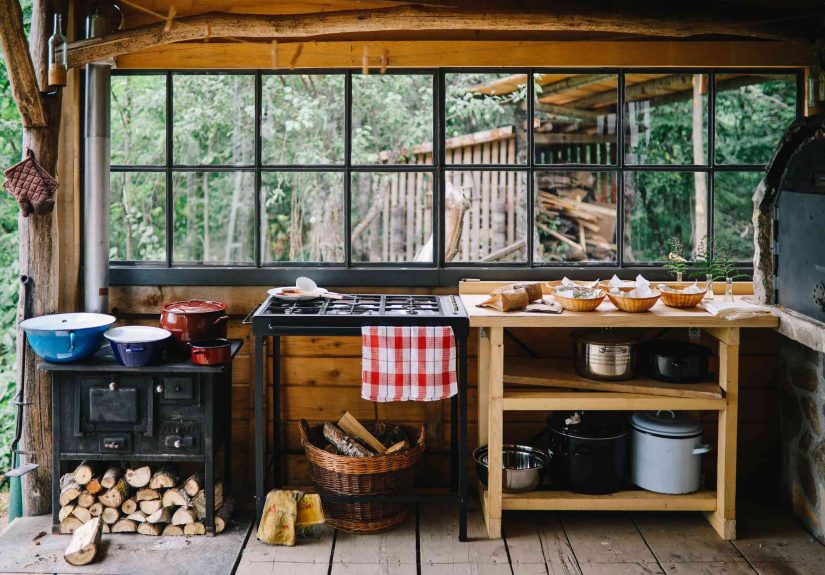
A summer kitchen is (traditionally) a separate cooking spaceoften a small outbuilding near the main houseused during warm months to keep heat, smoke, and cooking mess out of the home. In modern life, the phrase is often used interchangeably with outdoor kitchen: a backyard cooking setup built for grilling, prepping, serving, and entertaining without running a marathon between the patio and the fridge.
So whether you picture a charming little “cook house” behind a farmhouse or a sleek stone grill island under a pergola, the big idea is the same: cook outside, stay cooler, and make summer gatherings easier.
The Classic Definition: A Separate Kitchen for Hot Months
Historically, a summer kitchen was a practical, no-nonsense structure near the main home. Think: basic counters, a heat source (like a stove), storage, and enough space to handle big cooking jobs. People used it to:
- Keep the main house cooler by moving heat-producing cooking outdoors
- Reduce odors and smoke indoors (fried fish can be delicious… and also haunting)
- Lower fire risk back when open flames and wood stoves were common
- Handle “big food work” like canning, preserving, or cooking for large groups
In other words: a summer kitchen wasn’t originally a luxury feature. It was a summer survival strategylike lemonade, shade, and pretending mosquitoes aren’t targeting you personally.
Where Summer Kitchens Came From (And Why They Were Brilliant)
1) Heat management before AC was a thing
Before air conditioning and powerful ventilation, cooking could turn a home into a hotbox. Moving the stove and heavy cooking tasks outside (or into a detached space) kept indoor rooms more comfortableespecially in humid regions and during peak harvest/canning season.
2) Fire safety in the era of open flames
Many older homes relied on wood-burning stoves, fireplaces, and live flame cooking. A separate kitchen reduced the chance that one cooking mishap turned into a full-home disaster. It also kept sparks, grease flare-ups, and smoke away from sleeping areas and family spaces.
3) The “messy jobs” had a home of their own
Summer wasn’t just grilling seasonit was also the season of preservation and production. Families often canned vegetables, processed fruit, cooked down jams, and prepared large amounts of food. A summer kitchen provided room to work, a place to store supplies, and a buffer between that chaos and the clean(er) main house.
Summer Kitchen vs. Outdoor Kitchen: Are They the Same?
They’re relatedlike cousins at a family reunion who look alike but show up dressed very differently.
Traditional summer kitchen
- Usually enclosed (a small building or attached wing)
- Built for function: heat control, safety, food processing
- Often simple: basic stove/oven, counters, storage
Modern “summer kitchen” (often an outdoor kitchen)
- Usually open-air or semi-covered
- Built for entertaining: cooking + socializing in one place
- Can include upgrades like a grill, sink, fridge, storage, pizza oven, bar seating
Today, many homeowners use “summer kitchen” as a warm, lifestyle-friendly term for an outdoor cooking spaceespecially in places where backyard living is basically a second living room.
What Does a Summer Kitchen Include?
The “right” features depend on how you cook and host. But most summer kitchenshistoric or moderntry to cover the same core zones: prep, cook, serve, clean.
Must-have basics (the “I just want this to work” list)
- Cook surface: grill, griddle, cooktop, or smoker
- Prep space: counter area for seasoning, assembling, plating
- Storage: weather-resistant cabinets or sealed drawers
- Lighting: because nobody wants to slice buns by phone flashlight
Nice-to-have upgrades (the “now we’re living” list)
- Sink: quick handwashing and easier cleanup
- Outdoor fridge: drinks, marinades, and ingredients within arm’s reach
- Trash/recycling pull-outs: less mess, fewer trips inside
- Vent hood (for covered spaces): helps manage smoke under a roof
- Pizza oven or side burner: expands what you can cook outdoors
- Bar seating or serving ledge: keeps guests close but not underfoot
Pro tip: people often obsess over the grill and forget the “small” stufflike where you’ll set down raw chicken packaging or how you’ll rinse sticky hands. The best summer kitchens feel effortless because they’re designed around the full flow, not just the sizzle.
Design and Layout: How to Plan a Summer Kitchen That Actually Gets Used
Start with location: convenience beats perfection
The most-used summer kitchens are usually placed close to the houseoften near a back doorso you can grab ingredients, plates, or a forgotten spatula without turning dinner into cardio. At the same time, you’ll want to consider:
- Wind direction: keep smoke from drifting into open doors or seating areas
- Shade: afternoon sun can turn prep into a sweaty sport
- Traffic flow: guests should be able to mingle without blocking the cooking zone
Create zones (so you’re not doing the “hot potato dance”)
A smart layout separates cooking heat from prep and serving. A simple way to think about it:
- Hot zone: grill/smoker/pizza oven
- Clean zone: sink + trash
- Cold zone: fridge/cooler + drink station
- Prep/serve zone: counters + plating space
Cover matters: pergola, roof, or overhang
A covered summer kitchen is more comfortable and protects your investment. Shade and shelter can help guard appliances and counters from weather, and it also makes the space feel like an “outdoor room.” Even a partial overhang can make a big difference.
Utilities and safety: plan early (your future self will thank you)
If your summer kitchen includes plumbing, electrical, or gas lines, plan those runs earlybefore you finalize layout and materials. Safety-wise, outdoor electrical outlets should be protected appropriately (often with GFCI protection), and many builds require permits depending on your area and the scope of the project.
If you’re keeping it simple (a freestanding grill + cart + cooler), you skip most of that. If you’re building a permanent kitchen with built-ins, treat it like a real renovationbecause it is.
Materials That Hold Up Outdoors (And Don’t Throw a Tantrum in the Rain)
Outdoor kitchens live a tough life: sun, temperature swings, moisture, grease, and the occasional dramatic thunderstorm that arrives exactly when you’re flipping burgers.
Common durable choices
- Stainless steel: popular for cabinetry and appliances; choose outdoor-rated grades when possible
- Stone or masonry: great for structure, veneers, and a built-in look
- Concrete: durable and modern; can be customized
- Porcelain or tile surfaces: easy to wipe down; choose slip-resistant flooring nearby
Whatever you choose, prioritize weather resistance and easy cleaning. Outdoor cooking is fun; scrubbing mystery grease out of delicate surfaces is not.
How Much Does a Summer Kitchen Cost?
Costs vary wildly based on what you mean by “summer kitchen.” That phrase can describe anything from a simple grilling nook to a fully loaded outdoor kitchen with built-in appliances and stonework.
Budget-friendly setup
Think: quality grill, prep cart, cooler or small outdoor-rated fridge, maybe a basic shade umbrella. This is often the fastest path to “we’ll actually use this.”
Mid-range built-in kitchen
Usually includes a built-in grill, counters, storage, and possibly a sink or fridge. This is where many homeowners land when they want a polished look without going full resort-mode.
High-end outdoor kitchen
Custom cabinetry, premium appliances, serious lighting, specialty cooking (pizza oven, warming drawers), and a covered structure that feels like an extension of the home. At this level, your backyard starts whispering, “Why would we ever eat inside again?”
Bottom line: decide what problems you’re solvingheat, convenience, entertaining, or all of the abovethen build to that. The best summer kitchen is the one that matches your real life, not your fantasy life where you host 40 people every weekend.
Does a Summer Kitchen Add Value?
A well-designed summer kitchen can be a lifestyle upgrade and a resale perkespecially in regions where outdoor living is a major draw. Buyers often love the idea of a backyard cooking space that feels finished and functional.
That said, value is contextual. A gorgeous outdoor kitchen that doesn’t fit your climate, your neighborhood, or your home’s style can be more “personal splurge” than “universal payoff.” The sweet spot is a durable, coherent design that looks like it belongsand is easy for a future owner to maintain.
Quick Checklist: A Summer Kitchen That Works (Not Just One That Photographs Well)
- Location: close enough to the house to be convenient
- Zones: prep, cook, serve, clean
- Shade/cover: comfort + protection for appliances
- Lighting: task lighting for cooking, ambient lighting for vibes
- Storage: weather-resistant, sealed when possible
- Cleanup plan: trash + (ideally) a sink
- Safety: proper clearances, appropriate outdoor-rated utilities
Final Thoughts: The Real Meaning of a Summer Kitchen
At its heart, a summer kitchen is a clever solution to a simple summer truth: cooking creates heat, mess, and smellsand warm weather makes all three feel extra dramatic.
Whether you build a traditional detached cook house, a covered outdoor kitchen under a pergola, or a modest grilling station that keeps the party outside, a summer kitchen is about comfort, convenience, and connection. You’re not just adding a cooking areayou’re creating a place where summer meals happen with less stress and more fun.
Real-World Summer Kitchen Experiences (500+ Words)
You don’t really understand the magic of a summer kitchen until you see how people use it on an ordinary daynot a magazine-photo day, but a “we’re hungry and the sun is still up” day. Here are a few real-life-style experiences homeowners often describe (and if you’ve hosted even once, these will probably feel familiar).
The “Keep the Chaos Outside” Weeknight Win
One of the most common stories is the weeknight dinner pivot: it’s hot, everyone’s tired, and turning on the indoor oven feels like a personal betrayal. A summer kitchen turns a stressful decision into an easy default. The cook steps outside, fires up the grill, and suddenly dinner is happening without heating the entire house. The smell stays outside, the mess stays outside, and cleanup becomes a quick wipe-down instead of a full kitchen reset. Even a simple setupgrill, small counter, and a trash bincan feel like a life upgrade when it saves you from sweating through dinner prep.
The Party That Stops Feeling Like Work
People also talk about how a summer kitchen changes entertaining. Without one, the host tends to disappear indoorsfetching ice, checking food, washing hands, grabbing utensilswhile guests hang outside. With a summer kitchen, the “action” stays in one place. Friends gather near the prep counter, someone opens the outdoor fridge for another drink, and the cook doesn’t feel isolated. The kitchen becomes the social center, but with one critical improvement: you can step away from the heat and noise of the indoor kitchen and still be part of the conversation.
The “I Should’ve Added a Sink” Regret (and Why It Matters)
A surprisingly specific experience comes up again and again: people who built a gorgeous outdoor kitchen… and skipped the sink. At first, it seems optional. Then reality shows up with sticky hands, greasy tongs, and a cutting board that needs a rinse. Without a sink, the cook does the indoor-outdoor shuffle all night, carrying dirty plates through the house like a waiter who didn’t apply for this job. Homeowners who add a sink later often describe it as the feature that finally makes the summer kitchen feel completebecause it closes the loop on cleanup and hygiene.
The “Weather Happens” Lesson
Another real-world moment: the day you realize the sun and rain don’t care about your design plans. A space without shade can become unusable in the hottest part of the afternoon. A space without cover can turn into a scramble when a sudden shower arrives. Homeowners who love their summer kitchens often mention some kind of shelterpergola, roof extension, overhangbecause it protects the cooking surface, keeps guests comfortable, and extends how often the space gets used.
The Setup That Grows With You
Finally, a lot of summer kitchens evolve. People start small: a grill, a cart, and a cooler. Then they add a counter because prepping on a wobbly table is annoying. Then storage because nobody wants to haul tools in and out. Then lighting because dinner doesn’t always end before sunset. The best part is that a summer kitchen doesn’t have to be an all-at-once project. Many of the happiest owners describe building it in phaseslearning what they actually need, then upgrading with confidence.
In the end, the “experience” of a summer kitchen is less about fancy appliances and more about what it changes: where the heat goes, where the mess goes, and where people gather. When it’s planned around real habits, it becomes one of those home features that doesn’t just look goodit gets used constantly.