Table of Contents >> Show >> Hide
- What Are Weck Storage Jars, Exactly?
- Why People Swear By Weck Jars
- Choosing the Right Weck Jar Shape and Size
- Pantry Storage That Actually Stays Fresh
- Fridge and Meal Prep: The “Open-Front” Advantage
- Fermentation, Pickles, and Sourdough Starter
- Home Canning With Weck: What to Know Before You Heat Up the Pot
- Cleaning, Care, and Replacement Parts
- Common Mistakes (So You Don’t Have to Learn the Hard Way)
- Are Weck Storage Jars Worth the Price?
- Conclusion
- Experience: Living With Weck Storage Jars (A 500-Word Field Report)
If your pantry has ever looked like a chaotic “before” photo on a home show, Weck storage jars
are the kind of upgrade that makes everything feel instantly calmerwithout requiring a color-coded label maker
or a dramatic personality change.
These iconic German glass jars have become a favorite in American kitchens for a simple reason: they’re
actually useful while also making your shelves look like they have a publicist. Wide mouths, thick glass,
a clever rubber-gasket seal, and a clean, minimalist design mean they can handle everything from flour and coffee
to leftovers, sourdough starter, and (yes) home preservingwhen used correctly.
What Are Weck Storage Jars, Exactly?
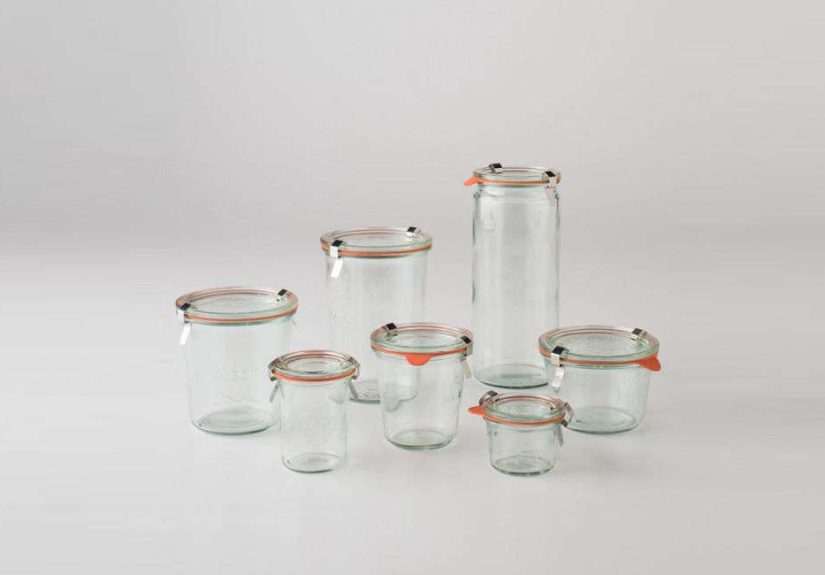
A Weck jar is a glass container designed around a three-part closure system: a glass lid, a rubber sealing ring
(gasket), and metal clamps (clips). Instead of screw-top lids, Weck uses a gasket-and-clip setup that can create
a tight sealgreat for dry storage, fridge organization, and certain preserving workflows.
In the U.S., Weck jars are often used as glass storage canisters for pantry staples, as
meal-prep jars, and as a go-to container for sourdough starter because they’re roomy, easy to clean,
and easy to see through (a rare quality in a kitchen object that isn’t a window).
Why People Swear By Weck Jars
1) The seal is simpleand oddly satisfying
The rubber ring does the heavy lifting. With the lid seated and clips attached, the gasket helps create a snug
seal that keeps dry goods fresher and reduces that sad “open bag of cereal went stale overnight” moment.
Bonus: many gaskets have a little pull tab, so opening a tight jar doesn’t require the grip strength of a rock climber.
2) Wide mouths make real-life kitchen tasks easier
Weck shapes are famous for being scoop-friendly. You can get a measuring cup into them. You can pour into them
without turning your counter into a flour-dusted crime scene. And you can clean them without needing a special brush
or a moral pep talk.
3) “Storage jar” that also moonlights as serveware
Weck jars are the rare container that looks normal on the shelf and looks intentional on the table. People use
them for parfaits, overnight oats, snacks, salads, sauces, and dessertsbasically any food that benefits from being layered
or displayed, like it’s auditioning for a cookbook photo.
Choosing the Right Weck Jar Shape and Size
If you’ve ever shopped for Weck jars and thought, “Why are there so many adorable glass options and why do I suddenly
want all of them?”that’s normal. Here’s how to pick with your brain instead of your aesthetic impulses (or at least
with both).
Mold jars (straight sides, wide mouth)
These are the everyday MVPs. Wide, easy to fill, easy to clean, and great for storing dry goods, leftovers, or starter.
If you only buy one style, start here.
Tulip jars (rounded shoulders, generous opening)
Tulip jars are fantastic for bulkier itemsgranola, cookies, big pasta shapes, or fermentation projects where you want
headspace. They also have that “European pantry” vibe, if your pantry enjoys international travel.
Cylinder and juice jars (taller profiles)
Tall jars are great for spaghetti, pretzels, long utensils, or fridge drinks (cold brew, iced tea, infused water). They’re also
handy when vertical space is your best friend.
Quick “what size for what?” examples
- Small (under ~1 cup / 250 ml): spices, loose tea, yeast, snacks, sauces, pantry “bits and bobs.”
- Medium (~2 cups / 500 ml): overnight oats, chia pudding, leftover rice, chopped fruit, nuts.
- Large (1 liter+): flour, sugar, beans, granola, pasta, pickles, sourdough starter, meal prep in bulk.
Pantry Storage That Actually Stays Fresh
For pantry organization, Weck jars shine because they combine three things most containers fail at:
visibility (you can see what’s inside), accessibility (wide mouth), and
freshness (gasket seal).
Dry goods that love Weck jars
- Flour, sugar, oats, rice, lentils, beans
- Coffee beans, ground coffee, loose leaf tea
- Granola, cereal, crackers, cookies (aka “self control tests”)
- Nuts and dried fruit (especially if you buy in bulk)
- Baking ingredients like chocolate chips, cocoa, shredded coconut
Pantry pro tip: organize by how you cook, not by “looks”
The prettiest pantry in the world still fails if you can’t find cumin when your taco night needs it. A practical approach:
keep daily-use items in front (coffee, oats, rice), and move special ingredients (candied ginger, fancy sugars, niche grains)
slightly higher or deeper.
Fridge and Meal Prep: The “Open-Front” Advantage
In the fridge, Weck jars are excellent for leftovers, chopped ingredients, and grab-and-go breakfasts.
Because many styles are wide and bowl-like, eating from them feels less like “survival food” and more like
“I totally planned this week.”
Smart fridge uses
- Overnight oats & parfaits: layer oats, yogurt, fruit, crunchy toppings.
- Salads in a jar: dressing at the bottom, sturdy veg next, greens on top.
- Leftovers: soups, pasta, grains (choose wider shapes for easier scooping).
- Ingredient prep: chopped onions, sliced lemons, shredded cheese (if you’re living that “future me deserves better” life).
Do you need the clips in the fridge?
For everyday storage, many people use the gasket and clips to keep the lid secure, especially if the jar might tip.
Others use optional plastic lids made for some Weck sizes for quick on/off convenience. If you’re storing something
liquid or transporting lunch, a clipped lid is the safer bet.
Fermentation, Pickles, and Sourdough Starter
Fermentation basics (the short version)
Fermentation is about creating the right environmentoften an anaerobic (low-oxygen) oneto encourage beneficial microbes.
Weck jars can be part of that system, but many fermenters also use weights, airlocks, or specialized lids depending on the project.
Great projects for Weck jars
- Sourdough starter: wide mouth = easy feeding and scraping. Clear glass = easy monitoring.
- Quick pickles & refrigerator pickles: perfect for brines and short-term storage.
- Fermented veggies: workable with the right setup (weights/airlocks help prevent surface mold).
If you’re serious about fermentation, consider adding a scale (for salt ratios) and a method to keep solids submerged.
The jar is just the stage; the tools are the actors that keep the show from turning into a science-fair tragedy.
Home Canning With Weck: What to Know Before You Heat Up the Pot
Let’s talk canning honestly, without panic or internet bravado. In the United States, the most widely endorsed home-canning system
is the standard Mason jar with a two-piece metal lid, paired with tested recipes and processing times. Some extension educators note that
reusable-lid systems (including glass-lid-and-gasket styles) are not currently recommended by USDA guidance for home canning.
That said, Weck jars are widely used (especially in Europe) and are sold in the U.S. as canning jars. If you choose to can with Weck,
the safest approach is:
(1) follow a tested recipe from reputable preservation authorities,
(2) follow the manufacturer’s jar-and-closure directions closely,
and (3) consult your local extension office if you want region-specific, science-based help.
A high-level overview of the Weck canning workflow
- Inspect jar rims and lids for chips or defects (a tiny chip can ruin a seal).
- Use the correct rubber ring; center it carefully and place the glass lid on top.
- Attach clips to hold everything in place during processing.
- Process using the method and time appropriate to the food and recipe (water bath vs. pressure canning depends on acidity and recipe).
- Cool undisturbed; then remove clips and verify the seal before storage.
Seal-check: the part people forget (and shouldn’t)
Once fully cooled, the seal should hold the lid firmly. Many canners remove the clips and gently lift the jar by the lid to confirm it’s sealed.
Store sealed jars without clips so you’ll know if the seal fails later. If a jar doesn’t seal, refrigerate and eat soonor reprocess safely following
trusted guidance.
Cleaning, Care, and Replacement Parts
One reason Weck jars feel “worth it” is durabilitythick glass and reusable components. The maintenance is straightforward:
- Wash and dry thoroughly: especially the gasket area, so moisture doesn’t linger.
- Replace gaskets when needed: rubber rings are the part most likely to wear, stretch, or hold odors over time.
- Skip thermal shock: don’t move a cold jar straight into hot water (or vice versa). Let glass adjust gradually.
- De-odorize gently: baking soda soaks and fresh air do wonders if a jar smells like yesterday’s garlic situation.
Common Mistakes (So You Don’t Have to Learn the Hard Way)
Buying the wrong shape for the job
Tall jars look sleek, but they’re not always scoop-friendly. If you’re storing flour or oats, prioritize wide mouths over runway-model silhouettes.
Overtightening your life (aka “clip everything forever”)
Clips are great for transport and processing. For shelf-stable sealed storage after canning, many workflows remove clips after cooling and seal-checking.
For everyday pantry storage, clips are finebut don’t treat them like a vault door if you’re opening the jar five times a day.
Ignoring headspace and expansion for liquids
If you freeze soup or broth in glass, leave room for expansion and use wide-mouth shapes to reduce stress on the glass. (Liquids expand. Glass does not.
This is not a negotiation.)
Are Weck Storage Jars Worth the Price?
Weck jars tend to cost more than basic containers, so the value comes down to how you’ll use them.
Worth it if you want:
- Airtight-ish dry storage that looks good on open shelves
- Glass containers that double as serveware
- A reusable system (especially if you hate disposable packaging)
- Better visibility and easier cleaning than narrow-neck jars
Maybe not worth it if you need:
- Ultra-cheap bulk storage for an entire warehouse pantry
- One-handed lids for constant open/close speed
- A single “do-everything” container for heavy transport (some locking glass containers beat jars for leak-proof commuting)
Conclusion
Weck storage jars aren’t magicbut they’re one of the most practical “nice things” you can add to a kitchen. They keep dry goods tidy, make meal prep easier,
and bring order to the fridge without plastic clutter. If you want a calmer pantry, a cleaner counter, and containers you won’t hate washing, Weck jars are
a genuinely smart upgrade.
Experience: Living With Weck Storage Jars (A 500-Word Field Report)
I didn’t buy Weck jars because I wanted a “Pinterest pantry.” I bought them because I was tired of the Great Bag Avalancheone wrong move and a half-open bag
of rice would somersault onto the floor like it was auditioning for an action movie. My first week with Weck jars felt like switching from paper maps to GPS:
not glamorous, just immediately better.
The biggest surprise? How much the wide mouth matters. With screw-top jars, you either funnel everything in or accept that oats will live in
your cabinet forever. With Weck mold jars, I could pour, scoop, and refill without turning the counter into a gritty beach. I started keeping a medium jar of
mixed nuts near the coffee station, andshockinglyate nuts instead of whatever snack screamed loudest from the pantry. The jar didn’t change my personality,
but it did make the better choice easier, which is basically the same thing.
Week two was the “fridge era.” I tried overnight oats in a Weck jar and finally understood the hype: everything layers neatly, the glass feels clean, and the
portion looks generous without being a bowl the size of a bird bath. I also used a wide jar for leftover rice, and the bowl-like shape meant I could reheat and
eat from the same container like a civilized person. My fridge looked less like a game of Tetris and more like a place where food is stored intentionally.
(I know. Growth.)
Week three was sourdough starter season. A taller Weck jar let me see rise and fall lines clearly, and feeding was easier because I could actually stir without
getting starter in the threads of a narrow lid. I did learn one lesson the hard way: if you’re keeping something active (like starter), don’t seal it airtight
unless you’re following a method designed for that. Gases build up. Lids pop. Kitchens get dramatic.
By week four, the jars had quietly taken over the “small chaos” zones: tea bags, chocolate chips, chia seeds, that random stash of dried mango I pretend is
for smoothies. The best part wasn’t the lookit was the inventory control. Seeing the level drop meant I actually restocked before I ran out.
And because the jars are pleasant to use, I kept using them. That’s the real win: a system you don’t resent.
Final verdict: Weck jars are not the cheapest way to store food, but they’re one of the easiest ways to make your kitchen feel more functional, more durable,
and (yes) more put-together. They won’t cook dinner for you, but they’ll make it harder for your pantry to sabotage you. I’ll take that deal.