Table of Contents >> Show >> Hide
- The Big Verdict: Yes, Neem Oil Works on Spider Mites
- Why Neem Oil Gets a “Yes” From Gardeners
- How Neem Oil Helps Knock Back Spider Mites
- How to Use Neem Oil on Spider Mites Without Wasting Your Time
- When Neem Oil Works Best
- When Neem Oil Falls Short
- Neem Oil vs. Other Spider Mite Treatments
- Common Mistakes Gardeners Make With Neem Oil
- What Gardeners Tend to Experience in Real Life
- Final Thoughts
If spider mites had a publicist, it would be the absolute worst one on earth. These tiny sap-sucking troublemakers show up uninvited, throw webbing across your favorite plants, and leave the foliage looking dusty, stippled, and deeply offended. So when gardeners start whispering about neem oil like it is the plant-care equivalent of a secret family recipe, one question naturally follows: does neem oil really work on spider mites?
The short answer is yes. Neem oil can work on spider mites, and gardeners, houseplant keepers, and garden experts tend to agree on that point. But there is a catch, because of course there is a catch. Neem oil is not a magic wand. It works best when you catch mites early, coat the plant thoroughly, repeat treatments consistently, and combine it with a few smart cultural steps. In other words, neem oil can absolutely help, but it still expects you to show up and do your part.
This is why so many experienced growers give the same verdict: neem oil is effective for spider mite control, especially on smaller plants and light to moderate infestations. It is one of the more popular low-toxicity options because it fits neatly into a practical, real-world pest management routine. It is also widely used by gardeners who want something gentler than harsher chemical controls, particularly indoors or around ornamental plants.
The Big Verdict: Yes, Neem Oil Works on Spider Mites
Ask enough gardeners whether neem oil works on spider mites, and you keep hearing the same answer in different accents: yes, but use it correctly. That “but” matters. Neem oil does not work because it merely exists in the same room as your plant. It works when it reaches the mites and covers the areas where they feed and hide, especially the undersides of leaves.
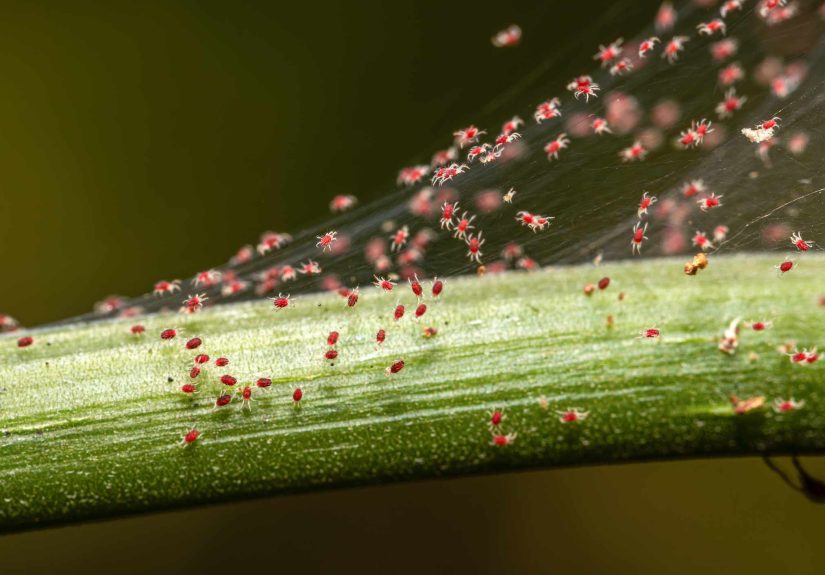
Spider mites are not insects, which surprises plenty of people the first time they hear it. They are actually arachnids, more closely related to spiders and ticks than to aphids or whiteflies. That matters because some generic insect sprays do not do much against them. Neem oil, however, is commonly used as a miticidal option, meaning it is used against mites specifically. That is a big reason it keeps turning up in gardener recommendations.
Another reason neem oil gets so much love is that spider mites are stubborn little overachievers. They reproduce quickly, especially in hot, dry conditions, and they often settle under leaves where casual sprayers never bother to look. Neem oil helps because it can interfere with feeding and development while also acting as a contact treatment. In plain English, it makes life a lot harder for the mites that actually get hit.
Why Neem Oil Gets a “Yes” From Gardeners
It works on the pests gardeners are actually battling
Neem oil is often labeled for soft-bodied pests and mites, which makes it relevant to real backyard and indoor plant problems. Gardeners are not asking whether neem oil can solve every pest issue in the universe. They are asking whether it helps with spider mites, and the answer is that it often does. That practical usefulness is why it stays in the conversation year after year.
It is better for early infestations than full-blown plant drama
If your plant has a few pale speckles, a little webbing, and a mite population that has not yet founded its own city-state, neem oil can be a strong choice. If the plant looks like it has been wrapped in ghost decorations and the leaves are crisping up by the hour, neem oil may still help, but it probably will not be enough on its own. Gardeners who get the best results usually start early, not after the infestation has turned into a miniature apocalypse.
It fits into a low-toxicity routine
Many growers like neem oil because it can be used as part of a gentler pest-management plan. That matters for people treating houseplants in living rooms, herbs on patios, or ornamentals near beneficial insects. It is not risk-free, and it still needs to be used carefully, but it is popular precisely because it balances effectiveness with a more approachable feel than many heavy-duty pesticide options.
How Neem Oil Helps Knock Back Spider Mites
Neem oil earns its reputation in two main ways. First, it works as a contact treatment on exposed pests when you spray thoroughly. Second, neem-derived compounds are associated with disrupting feeding, growth, and reproduction in certain pests. That combination is why gardeners often see the best results after several well-timed applications instead of one dramatic “gotcha” moment.
This is also why consistency beats enthusiasm. You do not need one heroic spray session followed by wishful thinking. You need a calm, repeatable routine. Think less action movie, more laundry schedule. It is not glamorous, but it gets results.
How to Use Neem Oil on Spider Mites Without Wasting Your Time
1. Isolate the plant first
Spider mites spread easily, especially indoors where plants sit shoulder to shoulder like commuters on a crowded train. If one plant has mites, move it away from the others before you do anything else. This single step can save you from turning one bad leaf into a whole-houseplant group project.
2. Start with a strong rinse
Many experienced gardeners do not reach for neem oil first. They reach for water. A steady spray of water can knock mites and webbing off leaves, especially underneath where the pests gather. This simple move gives neem oil a better chance to work afterward because the plant is cleaner and the webbing is reduced. It is not glamorous, but neither is vacuuming, and somehow that still makes the house look better.
3. Follow the product label exactly
Neem oil products vary, so the smartest approach is to mix and apply them exactly as directed on the label. More is not better. Stronger is not smarter. Gardeners get into trouble when they freestyle their way into a leaf-burn situation. Use the right dilution, shake or mix as directed, and avoid turning your plant into a salad with consequences.
4. Spray the entire plant, especially leaf undersides
This is the step gardeners repeat like a choir rehearsal. If you miss the undersides of the leaves, you are missing the main stage where spider mites perform. Spray stems, leaf joints, and all the tucked-away areas where mites hide. Neem oil is only as good as your coverage.
5. Repeat the treatment
Spider mites reproduce quickly, and one application is rarely enough. Repeated treatments are usually what separate “I think it helped” from “Okay, we are finally winning.” A weekly schedule is common for active infestations, though you should always defer to the label on the product you bought. Neem oil rewards consistency much more than improvisation.
6. Apply at the right time
Morning or evening is generally best. Applying oil-based sprays in hot direct sun can increase the risk of plant injury, and moisture-stressed plants are also more sensitive. If your plant is already struggling from heat, drought, or transplant shock, give it some basic care first. Neem oil is helpful, but it should not be asked to fix every poor life choice happening in the pot.
7. Test a small area if the plant is sensitive
Some plants are more sensitive to oils than others. If you are unsure, test a small section first and wait to see how the plant responds. That tiny bit of caution can spare you the heartbreak of trying to fix a pest issue and accidentally creating a second issue with crispy foliage.
When Neem Oil Works Best
Neem oil tends to shine in a few specific situations. The first is early detection. If you notice stippling, fine webbing, dusty-looking leaves, or tiny moving dots before the infestation explodes, neem oil has a real chance to get ahead of the problem.
It also works best on smaller plants and accessible foliage. Houseplants, patio containers, herbs, and manageable ornamentals are easier to coat completely. Large shrubs, dense vines, and big garden beds are trickier because spider mites can hide in the spots your spray never reaches.
Neem oil also performs better when the plant is part of a bigger plan. That means rinsing leaves, improving airflow, avoiding drought stress, and checking plants regularly instead of waiting until the infestation has written its memoir.
When Neem Oil Falls Short
Neem oil has limits, and gardeners who love it are usually pretty honest about them. It is not ideal for severe infestations on large plants where thorough coverage is unrealistic. It can also be frustrating for people who want instant results. Spider mites do not always vanish overnight, and neem oil is not known for theatrical speed.
It can also disappoint when people spray only the top of the leaves, treat once, and assume the mites got the memo. They did not. Spider mites are tiny, persistent, and very good at exploiting lazy application habits. That is why neem oil gets blamed for failures that are really coverage or timing problems.
Another issue is plant sensitivity. Oils can cause leaf burn under the wrong conditions, particularly with heat, harsh sun, or stressed foliage. Gardeners who treat carefully, at the right time of day, and with label-directed rates tend to have a much smoother experience.
Neem Oil vs. Other Spider Mite Treatments
Water sprays
Simple water rinses are underrated. They can physically remove mites, eggs, and webbing, and many growers use them as the first line of defense. Water alone may not solve a serious infestation, but it is a smart opener.
Insecticidal soap
Insecticidal soap is another popular option for spider mites. Like neem oil, it works best by direct contact and usually needs repeat applications. Some gardeners prefer soap because it is straightforward and leaves less oily residue. Others prefer neem because it can play multiple roles in plant care. In practice, both are common, and many gardeners switch or alternate based on what the plant tolerates best.
Beneficial predators
Outdoors, beneficial insects and predatory mites can help keep spider mite populations down. That is one reason many experts warn against broad-spectrum insecticides, which can wipe out the good guys and make mite problems worse. A garden is a little ecosystem, not just a battlefield. If you scorch the whole place, you may win the afternoon and lose the month.
Humidity, watering, and plant stress management
Spider mites thrive in hot, dry conditions and often hit stressed plants hardest. Keeping plants appropriately watered, improving humidity when suitable, and reducing dust can make your plants less inviting to mites. Neem oil works better when it is helping a healthier plant rather than trying to rescue one from total neglect.
Common Mistakes Gardeners Make With Neem Oil
The first mistake is spraying once and expecting a standing ovation. The second is missing the undersides of leaves. The third is applying in harsh sunlight. The fourth is treating a badly infested plant while leaving nearby plants unchecked, which is basically pest-management sabotage.
Another common mistake is treating the chemical and ignoring the environment. If the plant is bone dry, dusty, crowded, and already stressed, the spider mites are living in their preferred vacation rental. Fixing the environment helps the treatment work better.
Finally, some gardeners hang on too long to a losing situation. If a plant is severely infested, dropping leaves, and covered in webbing, sometimes the best move is aggressive pruning, stronger intervention, or even discarding the plant to protect the rest of the collection. That is not defeat. That is triage.
What Gardeners Tend to Experience in Real Life
Here is the part that feels most relatable: gardeners who use neem oil on spider mites often describe the same general experience. At first, they notice something small and weird. Maybe the leaves look faded. Maybe there is a fine film on the plant that seems like dust until it definitely is not dust. Maybe they turn over a leaf and suddenly feel like they have entered a tiny horror movie.
Then comes the first treatment. Many gardeners rinse the plant, spray neem oil carefully, and expect a dramatic next-day transformation. Usually, what they get instead is a modest improvement. The webbing looks reduced. The plant looks a little cleaner. The mites are not gone, but they are not exactly thriving either. This is the crucial moment, because the gardeners who stick with it usually see better results than the ones who quit after round one.
By the second and third treatments, people often report that new damage slows down. The plant stops looking like it is being sandblasted by invisible villains. Fresh growth comes in cleaner. Leaves that were already heavily damaged may not recover visually, but the overall plant begins to stabilize. That is often the real sign that neem oil is doing its job: not instant beauty, but the end of the downhill slide.
Indoor gardeners, in particular, tend to mention how much technique matters. When they spray casually, the mites return. When they move the plant, wash the foliage, hit the undersides thoroughly, and repeat on schedule, the results are much better. It is less about “best product ever” and more about “best routine I can realistically keep doing.”
Outdoor gardeners tell a similar story, but with extra complications. Wind, heat, dust, and larger plants make coverage harder. Neem oil still has a place, especially on smaller ornamentals and container plants, but people with major landscape infestations often discover that neem works best as part of a combined strategy rather than the whole strategy by itself.
Another common experience is learning that spider mites love stressed plants. Gardeners frequently notice that the worst infestations happen on plants that are dry, crowded, overheated, or generally having a rough season. Once they improve watering, airflow, and plant spacing, neem oil seems to perform better. The treatment did not magically change; the conditions did.
There is also the emotional side, which every plant person understands immediately. Spider mites make people feel betrayed. You nurture a plant for months, then one day it looks like it spent the weekend in a dust storm. Neem oil becomes part of the recovery ritual. It gives gardeners a practical response, which is often half the battle. Plants do better when their humans stop panicking and start acting methodically.
The most experienced gardeners usually land on the same final opinion: neem oil works, but it works best for patient people. If you want a one-and-done miracle, you will probably be disappointed. If you want a solid, low-toxicity tool that fits into a larger spider mite control plan, neem oil earns its place on the shelf.
Final Thoughts
So, does neem oil work on spider mites? Yes, and that answer is about as close to a gardening consensus as you are likely to get. Gardeners like it because it is practical, accessible, and effective when used with care. Experts like it because it makes sense within an integrated pest management approach. Plants like it because, frankly, the alternative is being turned into a spider mite buffet.
The real takeaway is simple: neem oil is not a miracle, but it is absolutely useful. Catch the problem early, rinse the plant first, spray thoroughly, repeat as needed, and support the plant with better conditions. Do that, and neem oil can be one of the most reliable tools you have for spider mite treatment.
If your plant is currently giving off “haunted greenhouse” energy, take heart. Spider mites are annoying, but they are beatable. And neem oil, used the right way, is one of the reasons gardeners keep saying the same thing: yes, it works.