Table of Contents >> Show >> Hide
Wardriving is an activity that dates back to the early days of wireless networking, where enthusiasts, hackers, and cybersecurity researchers would drive around with antennas and laptops, searching for unsecured Wi-Fi networks. Over the years, wardriving has evolved into a more sophisticated practice, and the tools used have adapted to the growing complexity of modern wireless technology. In this article, we’ll explore the tools and techniques used in wardriving today, examining how they work, their potential applications, and the ethical considerations involved.
The Evolution of Wardriving
Wardriving began in the late 1990s as a form of reconnaissance used to identify open Wi-Fi networks that could be accessed without passwords or encryption. In the early days, it was as simple as mounting a laptop with a wireless card to a vehicle, running software like NetStumbler, and collecting data on available networks. However, as Wi-Fi technology advanced and became more ubiquitous, so did the tools and tactics of wardriving. Modern wardrivers not only map the locations of networks but also analyze their security and look for vulnerabilities.
Modern Wardriving Tools
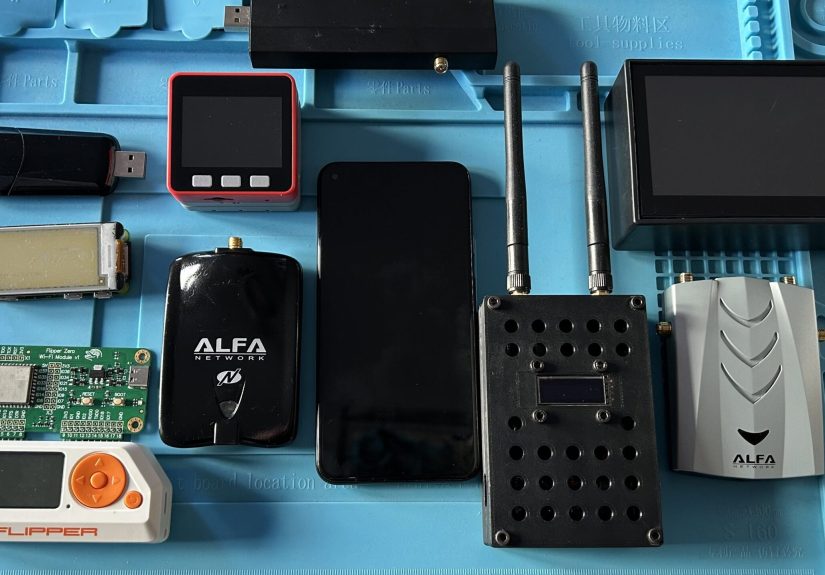
Today’s wardriving tools have become more advanced and specialized. The basic equipment might include a laptop or smartphone, an external antenna, and GPS technology, but many modern tools also incorporate signal analysis, network fingerprinting, and even cloud integration for data storage and analysis. Below are some of the most popular tools used by modern wardrivers:
1. Kismet
Kismet is one of the most well-known and widely used wireless network detection tools in the wardriving community. It’s an open-source software that runs on Linux and macOS and allows users to scan for networks, log their locations, and detect hidden SSIDs. It’s particularly useful for wardrivers because it can work with a wide range of wireless cards, including those with monitor mode, which enables the detection of networks that are not broadcasting their names. Kismet also supports GPS integration, allowing for the precise mapping of network locations.
2. Wireshark
Wireshark is a powerful network protocol analyzer that is often used in combination with other tools like Kismet to analyze network traffic. While Wireshark is not specifically a wardriving tool, it can be invaluable in situations where wardrivers need to capture and inspect data packets. It can be used to analyze the security of wireless networks by identifying weak or misconfigured protocols and exposing sensitive data.
3. NetSpot
NetSpot is a versatile wireless survey tool that provides detailed heatmaps of wireless coverage, making it an ideal option for those looking to conduct wardriving for more practical purposes, such as network planning or troubleshooting. It allows users to visualize the signal strength of networks, measure their performance, and even create detailed maps to identify weak spots in coverage. While it’s primarily used for network diagnostics, it can also be helpful for identifying unprotected networks during a wardrive.
4. Aircrack-ng
Aircrack-ng is a suite of tools designed to assess Wi-Fi network security. While it is not directly a wardriving tool, it is often used in conjunction with wardriving efforts to crack WEP or WPA keys and test the strength of a network’s security. Wardrivers can use Aircrack-ng to capture network packets and attempt to break the encryption, allowing them to analyze the vulnerabilities in a given network.
5. GPS and Mapping Tools
GPS technology is essential for modern wardrivers who wish to map the locations of networks they detect. Tools like OpenStreetMap and Google Maps can be integrated into wardriving setups to log the precise geographical locations of networks. This data can be used for further analysis or simply to create a visual map of network coverage in a given area.
The Ethical Considerations of Wardriving
Wardriving, by its nature, often involves scanning for open or unprotected Wi-Fi networks. While this can be done for research, troubleshooting, or network planning, it raises serious ethical questions, particularly when it comes to accessing networks without permission. In many cases, wardriving can be seen as an invasion of privacy, especially if the data being collected is used maliciously or without consent. It is important to note that while wardriving itself is not illegal, accessing networks or using tools to crack encryption is prohibited under laws such as the Computer Fraud and Abuse Act in the U.S. and similar legislation in other countries.
However, wardrivers argue that their activities are essential for improving security. By identifying vulnerable networks, wardrivers can alert network administrators to potential weaknesses and encourage better security practices. Many ethical hackers use wardriving as a way to test network security before vulnerabilities are exploited by malicious actors.
The Role of Wardriving in Cybersecurity
In the modern cybersecurity landscape, wardriving plays a critical role in the broader effort to secure wireless networks. Ethical hackers, security researchers, and even law enforcement agencies have used wardriving to uncover vulnerabilities in networks, track down criminals using unsecured networks, and educate the public about the importance of strong encryption and secure passwords.
In addition to its role in cybersecurity, wardriving tools are also valuable for those seeking to improve wireless network performance. For example, in large urban areas, wardriving can help identify areas with poor wireless coverage and guide network engineers in deploying new access points or improving the signal strength of existing networks. This kind of data is invaluable for businesses looking to enhance their Wi-Fi coverage or troubleshoot problems in their wireless infrastructure.
Popular Wardriving Communities and Competitions
Wardriving has become more than just an individual pursuit. There are numerous communities and online forums where wardrivers share tips, tricks, and even maps of networks they’ve discovered. For example, sites like Wardriving.com and WiFiMap.org offer repositories of network data contributed by users across the world. These platforms allow wardrivers to collaborate, compare notes, and learn from each other’s experiences.
In some cases, wardriving has even become competitive. There are annual wardriving competitions where participants race to see who can find the most networks in a given area. While these events are usually focused on education and fun, they also highlight the continuing relevance of wardriving tools in the cybersecurity community.
Conclusion
Wardriving has come a long way since its early days as a hobby for tech enthusiasts. Today, it is a vital part of the cybersecurity ecosystem, helping researchers and security professionals identify vulnerabilities and improve wireless network security. With the increasing reliance on Wi-Fi and other wireless technologies, the tools and techniques used in wardriving will only continue to evolve, and it will remain a key component in the fight to secure the wireless world.
Wardriving in the Modern Era: Personal Experience
As someone who has ventured into the world of wardriving, I’ve experienced firsthand how far the tools and practices have evolved. In the early days, I relied on simple software like NetStumbler, which was relatively limited in its capabilities. It wasn’t long before I began experimenting with more advanced tools like Kismet and Wireshark, which opened up a whole new level of insight into wireless networks. I remember the excitement of tracking networks across unfamiliar city streets, seeing new connections pop up, and then mapping them out for later analysis.
One of the most fascinating experiences I had was using GPS tools alongside Kismet to create a heatmap of Wi-Fi coverage in my local area. It was a simple enough task but provided invaluable data on where the best wireless hotspots were and where coverage was lacking. This information helped me as I worked with businesses to optimize their networks and increase signal coverage in areas that were previously underserved.
In another instance, I participated in a wardriving competition that combined both fun and learning. It was enlightening to see the creativity and resourcefulness of other participants as they devised unique ways to map networks while staying within legal boundaries. These events served as a reminder that wardriving, when done ethically, can contribute significantly to improving wireless security for everyone.
Ultimately, wardriving has provided me with a deeper understanding of the wireless world. It’s not just about finding networks; it’s about understanding how they work, identifying weaknesses, and improving security practices. As technology continues to evolve, I look forward to seeing how wardriving tools will adapt to the new challenges and opportunities presented by emerging wireless technologies.