Table of Contents >> Show >> Hide
- Who Is Kevin Dean, and Why Do Designers Keep Noticing Him?
- Why Kevin Dean’s Style Still Feels Fresh
- Walls: Let the Wallpaper Do More Than Fill Space
- Windows: Textiles That Soften, Frame, and Finish the Story
- Floors: The Unsung Hero of a Floral Room
- How to Build a Kevin Dean-Inspired Interior Without Overdoing It
- The Experience of Living with Kevin Dean-Style Walls, Windows, and Floors
Some interiors whisper. Others sing. And then there are rooms that bloom. That is the easiest way to describe the appeal of Kevin Dean textiles and wallpaper: they do not merely decorate a space, they make it feel cultivated, layered, and quietly alive. If paint is a polite handshake, Kevin Dean-style pattern is a handwritten letter pressed with a rose petal. Dramatic? Maybe. True? Absolutely.
Dean’s work sits in that sweet spot between fine art and home design, which explains why it still feels memorable in an age of flat-pack sameness and algorithm-approved beige. His wallpapers and textiles are rooted in botanical beauty, painterly detail, and a designer’s eye for how pattern behaves across surfaces. On walls, the effect is immersive. On windows, it becomes softer and more atmospheric. On floors, it teaches a valuable design lesson: a good room needs romance, but it also needs somewhere to stand.
This is why the phrase “walls, windows, and floors” matters so much here. Kevin Dean’s world is not about slapping floral wallpaper on one wall and calling it a day. It is about creating an interior language. The wallpaper starts the conversation, the textiles keep it interesting, and the floor makes sure the whole room does not float away in a cloud of decorative enthusiasm. In other words, this is pattern with manners.
Who Is Kevin Dean, and Why Do Designers Keep Noticing Him?
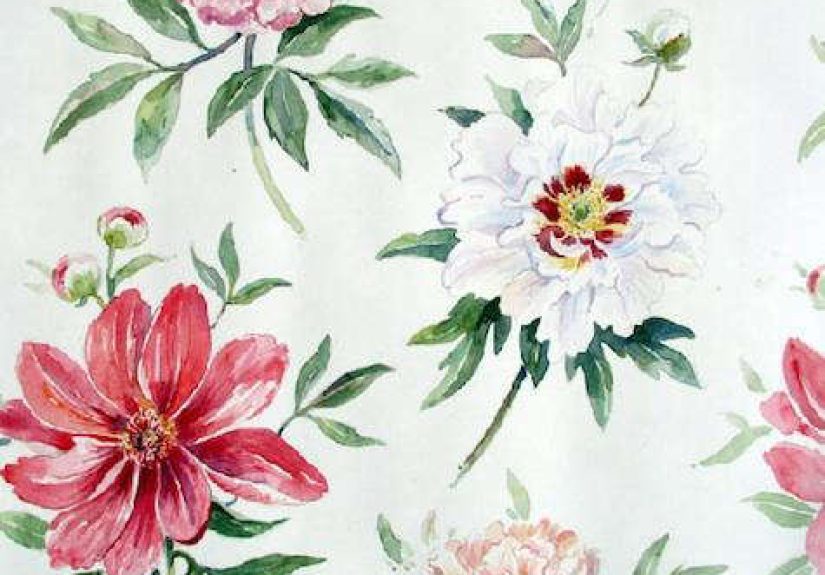
Kevin Dean is a British artist and designer with a background that helps explain the unusual depth of his decorative work. He studied at the Royal College of Art, worked as an illustrator, and built experience in textile design before developing his own collections. His official portfolio also makes clear that nature has long been central to his visual vocabulary, which is obvious the moment you see his floral and botanical motifs. These are not generic “pretty flowers” dropped onto a surface like clip art. They feel observed, drawn, and composed by someone who actually pays attention to petals, leaves, stems, and the rhythm of the natural world.
One of Dean’s best-known lines is the English Roses collection, a range that brought his painterly floral sensibility to wallpaper, textiles, and tableware. The collection was shown in New York and Paris, and it was formerly sold through Liberty London, which already tells you this was never bargain-bin décor pretending to be special. It was designed to be collected, lived with, and noticed. Remodelista spotlighted Dean’s wallpapers and textiles years ago, noting that the line had crossed from trade-show admiration into real-world availability. At the time, the wallpapers were listed at $125 per roll and the textiles were offered in cotton or Keswick linen at $68 per meter. Prices may change, but the point remains: this was decorative design presented with the seriousness of art.
That artful quality also explains why Dean’s work keeps fitting into current conversations about interiors. Botanical wallpaper, layered pattern, biophilic design, cozy traditionalism, and what some editors now call a more expressive or “conversation-starting” home are all back in the spotlight. Kevin Dean did not arrive late to that party. He was already there, arranging the flowers before everyone else found the address.
Why Kevin Dean’s Style Still Feels Fresh
There is a reason floral wallpaper keeps cycling back into fashion while so many other trends vanish like cheap candles. Nature is never really out of style. Design editors and interior professionals continue to point to botanical prints as a way to bring the outdoors inside, add warmth, and create rooms that feel cheerful rather than sterile. That matters because modern homes can sometimes become a little too efficient, a little too smooth, and a little too emotionally flat. A botanical print interrupts all that seriousness with life.
Dean’s work feels especially relevant because it does not treat florals as sugary or old-fashioned. His patterns land in a richer place: romantic, yes, but also disciplined. There is structure in the repeats, a hand-drawn intelligence in the linework, and enough visual texture to keep the pattern from feeling flimsy. That makes the designs easier to use than many people assume. A floral wallcovering can read as bold, but if the palette is controlled and the scale is thoughtful, it can function almost like a textured neutral. That idea shows up again and again in contemporary design advice, and it fits Kevin Dean’s work beautifully.
Another reason his style lasts is that it rewards layering. A Dean-inspired room is not about matching everything perfectly. In fact, perfect matching is often the fastest route to a room that feels staged rather than lived in. Better design guidance today leans toward coordinated contrast: different scales, related colors, and materials that soften one another. That is exactly the kind of environment where painterly floral wallpaper and expressive textiles thrive.
Walls: Let the Wallpaper Do More Than Fill Space
If you are going to use Kevin Dean wallpaper, let it earn its keep. Wallpaper should not be treated like expensive wrapping paper nervously applied to one “feature wall” while the rest of the room pretends nothing happened. The best approach is to let the wallcovering shape the mood of the room.
In a bedroom, Dean-style floral wallpaper can create a cocooning effect that feels elegant rather than sleepy. Use it behind the bed, across all four walls, or even up onto the ceiling if the room calls for drama. Large scenic or graphic papers tend to become the star of a room, which means the remaining elements should calm down a little. That does not mean boring. It means supportive. Think painted trim, upholstered pieces in solids or subtle stripes, and lighting that adds glow instead of competition.
In a powder room, the same wallpaper can go bolder. Small rooms are often the perfect place for pattern because they are already enclosed and don’t need to pretend to be minimalist retreats. A richly floral wallpaper turns a powder bath into a jewel box. Add a vintage mirror, warm metal hardware, and a vanity in a grounded color, and suddenly the smallest room in the house becomes the one guests remember. Which is ideal, because if they remember only the toilet, something has gone very wrong.
Dining rooms are another natural fit. Botanical wallpaper plays well with wood furniture, plaster, old brass, cane, and stone. It also adds depth to evening light in a way flat paint rarely can. A room dressed in floral wallcovering feels better at dusk. Candles flicker. Shadows move. The pattern softens. Dinner feels more important, even if the menu is glorified takeout and somebody still cannot find the corkscrew.
How to keep wallpaper from overwhelming a room
The answer is balance. If the walls are active, reduce visual noise elsewhere. Choose furniture with clean silhouettes. Let one or two colors from the wallpaper repeat in pillows, upholstery, or art. Avoid throwing five more patterns into the room just because you are feeling brave. Courage is admirable. Chaos is tiring.
That said, do not become so cautious that the room loses its magic. Pattern mixing works best when the scales differ. A floral wallpaper can pair beautifully with a narrow stripe, a quiet geometric, or a tiny check. What usually fails is not pattern itself, but patterns that all shout in the same volume.
Windows: Textiles That Soften, Frame, and Finish the Story
Walls may get the first glance, but windows decide whether a room feels finished. Kevin Dean textiles make the most sense when they are treated as framing devices rather than afterthoughts. A beautiful window treatment can echo the wallpaper, soften hard architecture, and create transition between the room and the light outside.
If the wallpaper is bold, the curtains do not need to copy it exactly. In fact, they usually should not. Better choices include linen panels, lightly patterned drapery, or textiles that borrow one color from the wallpaper and translate it into a softer form. This keeps the room layered instead of matchy. When wallpaper and drapery are too identical, the room can start looking like it dressed in the dark.
Dean’s textile sensibility works especially well in rooms where the view matters. A botanical print on the wall paired with textured curtains can make the window feel connected to the garden, courtyard, or even just the tree valiantly surviving outside your apartment building. The goal is not to blur indoors and outdoors in some mystical way. It is to create visual continuity. Wallpaper that nods to nature, paired with fabric that feels earthy or breathable, helps the room exhale.
Roman shades are a smart option in tighter spaces. Full drapery panels can still be used, but lighter textiles often work best when the wallcovering already carries decorative weight. In bedrooms, layered treatments are especially effective: woven shades for texture, soft drapery for softness, and wallpaper to make the backdrop feel intentional rather than empty. In living rooms, curtains can pick up a secondary color in the wallcovering and quietly tie the room together.
Floors: The Unsung Hero of a Floral Room
Now for the part people often forget while falling in love with wallpaper samples: the floor. Floors matter because they either ground a decorated room or send it straight into visual overkill. A room with expressive wallpaper and patterned drapery does not usually need a rug trying to audition for the lead role.
The safest and smartest move is often contrast through restraint. If you have Kevin Dean-style floral walls, consider wood floors, natural fiber rugs, sisal, a soft solid wool area rug, or a small-scale carpet that behaves more like texture than print. This gives the eye a place to rest and lets the pattern above shine. Designers repeatedly make this point in different ways because it works. A vibrant room still needs one steady surface to hold the composition together.
That does not mean floors must be boring. In fact, striped rugs can work beautifully with floral wallpaper when the scales are different and the color palette overlaps in subtle ways. The key is structure. Stripes, checks, and fine geometrics can provide a counterpoint to looser botanical forms. In a dining room, for example, a striped area rug beneath a table can sharpen the edges of the space while the wallpaper keeps the perimeter more romantic.
Bathrooms offer another opportunity. If the wallpaper is painterly and lush, flooring in marble, checkerboard tile, or a muted patterned tile can create a strong base. Just keep the tones in conversation with the walls. The room should feel composed, not like three unrelated opinions trapped in one small square footage.
How to Build a Kevin Dean-Inspired Interior Without Overdoing It
The trick to decorating with expressive pattern is not restraint alone. It is edited enthusiasm. You want the room to feel intentional, warm, and collected. You do not want it to resemble a florist shop, an upholstery showroom, and a historical inn colliding at high speed.
Start with one anchor surface
Choose the wallpaper first if you are using it. Let it establish the palette and emotional temperature of the room. Is it moody? Airy? Garden-like? Formal? Once you know that, every other choice becomes easier.
Repeat color, not exact motif
If the wallpaper includes soft green, muted rose, cream, or dusty blue, repeat those colors elsewhere through fabric, paint, trim, lampshades, or upholstery. Repeating the exact same flower in six places is less “designer’s home” and more “gift shop panic.”
Mix hard and soft materials
Botanical patterns look best when balanced with materials that add weight and honesty: wood, plaster, stone, woven shades, aged brass, ceramic lamps, and natural fibers. This stops the room from becoming too sugary and gives the florals a grown-up setting.
Use pattern where it changes the mood
Wallpaper in entryways, powder rooms, bedrooms, reading corners, and dining rooms tends to have the biggest emotional payoff. These are rooms that benefit from atmosphere. Utility spaces can handle less fuss, unless you are the kind of person who wants your mudroom to look like an English garden after a strong espresso. In that case, carry on.
Let the room breathe
Pattern-rich interiors still need negative space. A painted ceiling, a clear tabletop, a plain sofa, or simple bedding can keep everything feeling elegant. The goal is lush, not claustrophobic.
The Experience of Living with Kevin Dean-Style Walls, Windows, and Floors
Living with a room inspired by Kevin Dean textiles and wallpaper is a different experience from living with a room designed to be merely neutral. Neutral rooms can be lovely, of course. They can also be forgettable in about six minutes. A botanical room has more staying power. You notice it in the morning when soft light hits the wallpaper and the pattern starts to wake up before you do. You notice it in the afternoon when the curtains filter daylight and the room feels cooler, gentler, and somehow more composed than the chaos outside. You notice it at night when lamplight turns the walls into a backdrop that feels almost painted by hand.
There is also a psychological comfort to these kinds of interiors. A room wrapped in floral or botanical pattern often feels more personal, more inhabited, and more forgiving. Scratches on old furniture do not seem tragic there. Books look better. Tea tastes more serious. Even the dog appears to have better manners. Pattern has a way of making daily life feel framed rather than scattered.
That is especially true when all three surfaces work together. The walls provide identity. The windows soften the architecture and control the light. The floor keeps everything grounded. When those elements are in balance, the room feels coherent from every angle. You are not just looking at wallpaper. You are experiencing atmosphere.
There is something deeply satisfying about a home that does not apologize for beauty. Kevin Dean-style interiors do not hide behind bland practicality or pretend decoration is silly. They understand that pattern can be useful. It can define zones in a room, soften hard edges, create intimacy, connect inside to outside, and bring personality into new-build spaces that might otherwise feel anonymous. For people who love design, that is not frivolous. That is function with imagination.
And yet these rooms do not have to feel precious. A floral wallpaper does not demand you sit upright with a teacup and discuss heirlooms in a British accent. It can work in a family home, a city apartment, a renovated cottage, or a modern room that needs warmth. What matters most is confidence. If you choose a pattern with conviction and support it with the right flooring, trim, and textiles, the room will feel collected rather than confused.
Perhaps that is the lasting lesson in Kevin Dean’s work. Decoration is most powerful when it feels observed, not manufactured. His wallpapers and textiles draw from flowers, foliage, and the larger world with enough artistry to feel elevated and enough softness to feel livable. They remind us that walls can do more than separate rooms, windows can do more than admit light, and floors can do more than survive foot traffic. Together, they can build a mood. They can tell a story. They can turn a house into a place with memory, texture, and a point of view.
In a design era that often swings between bare-minimum minimalism and social-media maximalism, Kevin Dean’s aesthetic offers a more intelligent middle path. It is lush, but not reckless. Decorative, but not fussy. Nature-inspired, but not cliché. And for homeowners who want a space that feels artistic, warm, and fully considered from wall to window to floor, that is a very appealing proposition indeed.