Table of Contents >> Show >> Hide
- Why Walking Is the “Goldilocks” Workout of Pregnancy
- Benefits of Walking During Pregnancy (For You and Baby)
- How Much Should You Walk While Pregnant?
- Walking Safety 101: The Rules That Actually Matter
- Pelvic Pain During Pregnancy: What It Is (and Why Walking Can Trigger It)
- How to Walk With Pelvic Pain (Without Feeling Like a Broken Robot)
- What Helps Pelvic Pain Outside of Walking?
- Trimester-by-Trimester Walking Tips
- Frequently Asked Questions
- Real-Life Experiences: What Walking in Pregnancy Actually Feels Like (500-ish Words)
Quick heads-up: This article is for general education and isn’t medical advice. Pregnancy is wonderfully universal (“hello, baby!”) and wildly personal (“why does my pelvis feel like a folding chair?”). Always follow your prenatal provider’s guidanceespecially if you have complications or new/worsening pain.
Why Walking Is the “Goldilocks” Workout of Pregnancy
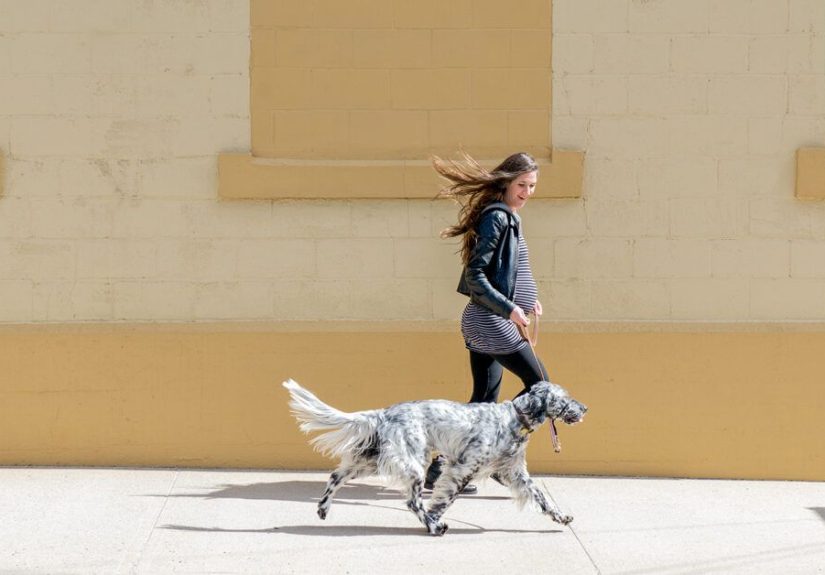
Walking hits a sweet spot: it’s low-impact, equipment-light, and endlessly adjustable. You can stroll like you’re window-shopping, or you can walk with purpose like you’re late to a meeting (even if the meeting is just with your couch).
For many pregnant people, walking is easier to maintain than higher-impact workouts because you can:
- Control intensity by changing pace, hills, or distance
- Take breaks without “ruining the workout” (breaks are part of the workout!)
- Fit it into real life10 minutes here, 15 minutes there, done
Benefits of Walking During Pregnancy (For You and Baby)
Walking supports overall fitness in a way that plays nicely with pregnancy changes like shifting balance, loosening joints, and a growing belly that can turn tying shoes into an Olympic event.
Physical benefits
- Cardiovascular support: Helps keep your heart and lungs in good working order as your blood volume rises.
- Metabolic help: Regular moderate activity is associated with healthier weight gain patterns and can help reduce risk factors tied to gestational diabetes for many people.
- Digestive and circulation perks: Gentle movement may help with constipation and swelling (those ankles deserve a break).
- Strength and stamina: Staying active can help you feel more capable during daily tasks and may help with endurance for labor and postpartum recovery.
Mood and sleep benefits
Pregnancy can feel like your emotions are doing interpretive dance. Walking is one of the simplest ways to support mental well-being: fresh air, light movement, and a change of scenery can help with stress, mood, and sleep quality.
How Much Should You Walk While Pregnant?
Many healthy pregnant people are encouraged to aim for about 150 minutes per week of moderate-intensity aerobic activity. That could look like:
- 30 minutes, 5 days a week
- Three 10-minute walks a day (a very reasonable “snack-size” plan)
- Longer walks on weekends and shorter walks midweek
What counts as “moderate”?
A practical guide is the talk test: you should be able to talk in sentences, but singing would be… ambitious. If you’re gasping, scale back. If you feel like you could deliver a TED Talk without pausing, you can gently pick up the paceif comfortable.
Walking Safety 101: The Rules That Actually Matter
Most pregnancy walking advice boils down to two principles: don’t overheat and don’t ignore warning signs. Everything else is fine-tuning.
Smart walking habits
- Warm up for 3–5 minutes: Start slower, then settle into your pace.
- Pick forgiving surfaces: Flat, even routes reduce fall risk and joint strain.
- Stay hydrated: Bring water, especially in heat or humidity.
- Dress for temperature: Light layers and breathable fabrics help prevent overheating.
- Wear supportive shoes: Pregnancy can change your foot shape and arch support needscomfort matters.
- Plan bathroom access: This is not “overplanning.” This is wisdom.
When to stop walking and call your provider
Stop exercising and contact your prenatal care provider promptly if you have symptoms like:
- Vaginal bleeding
- Dizziness, faintness, severe headache, chest pain, or significant shortness of breath
- Regular painful contractions, fluid leaking, or signs of preterm labor
- New severe pain (especially pelvic/abdominal), or pain that rapidly worsens
- Calf pain/swelling (especially if one-sided)
Pelvic Pain During Pregnancy: What It Is (and Why Walking Can Trigger It)
Pelvic discomfort is common in pregnancy, and it can show up as anything from a dull ache to a sharp, “why does turning in bed feel illegal?” pain.
A big reason: pregnancy hormones help loosen ligaments and joints, especially around the pelvis, so your body can eventually deliver a baby. That increased mobility can be helpful later, but it can also reduce stability. Walkingbecause it’s repetitive and weight-bearingsometimes highlights the problem.
Common pelvic pain patterns
- Pelvic girdle pain (PGP): Pain around the front and/or back of the pelvis, sometimes radiating to hips or thighs.
- Sacroiliac (SI) joint discomfort: Achy low back/upper butt area pain, often on one side.
- Symphysis pubis dysfunction (SPD): Pain at the front center of the pelvis (pubic bone area), often aggravated by stairs, rolling in bed, or getting in/out of the car.
- Round ligament pain: Sharp twinges in the lower abdomen/groin area, often with sudden movement.
“Is this normal… or concerning?”
Many aches are musculoskeletal and manageable. But pelvic pain should be checked if it’s new, worsening, disrupts daily life, or comes with red-flag symptoms like bleeding, fever, severe abdominal pain, or decreased fetal movement (later pregnancy). When in doubt, callpeace of mind counts.
How to Walk With Pelvic Pain (Without Feeling Like a Broken Robot)
If walking triggers pelvic pain, you don’t necessarily need to quityou may need to modify. The goal is to reduce stress on the pelvic joints while keeping the benefits of movement.
Start with the “three S’s”: Shorter, Slower, Supported
- Shorter: Reduce distance or time (try 10–15 minutes instead of 30).
- Slower: Lower intensity to reduce jarring and muscle fatigue.
- Supported: Consider a maternity support belt if your provider says it’s appropriate, and prioritize supportive footwear.
Fix the walking mechanics that often flare pelvic pain
- Shorten your stride: Overstriding can stress the pelvis. Think “small steps, big confidence.”
- Avoid uneven terrain: Cambered roads and trails can twist the pelvis.
- Skip steep hills (for now): Hills increase single-leg load and can worsen SPD/PGP.
- Use the handrail on stairs: It’s not dramatic; it’s strategic.
- Try “symmetry cues”: Keep weight evenly distributed; avoid hip-hanging on one leg when standing.
Try interval walking (pelvis-friendly edition)
Instead of one long walk, try a pattern like:
- 5 minutes easy + 5 minutes moderate, repeated 2–3 times
- Or 10 minutes walking + 2 minutes seated rest, repeated as needed
Frequent mini-breaks can prevent muscle fatigue that leads to “wobbly pelvis” vibes.
Add gentle strength to support the pelvis
Pelvic pain often improves when the muscles around your hips, glutes, and core provide better support. Ask your provider about a referral to pelvic physical therapy if pain is persistent.
Generally gentle options (if approved for you) may include:
- Pelvic tilts (small movement, big relief for some people)
- Glute bridges or modified bridges (if comfortable and approved)
- Clamshells (hip stability work)
- Side-lying leg lifts (slow and controlled)
Tip: Pain is information, not a dare. If an exercise increases pelvic pain, stop and get guidance.
What Helps Pelvic Pain Outside of Walking?
If your pelvis is having a “nope” day, you still have options that keep you moving.
Lower-impact alternatives
- Swimming or water walking: Buoyancy reduces joint load while keeping you active.
- Stationary cycling: Often easier on the pelvis than long-stride walking (adjust seat height for comfort).
- Prenatal yoga (gentle): Focus on stability and breath, not deep stretching that feels unstable.
Daily-life pain reducers
- Sleep positioning: A pillow between knees can reduce pelvic strain.
- Heat (with care): Gentle warmth on sore areas may soothe muscles (avoid overheating).
- Support belts: Some people find them helpful for walking and standing tasks.
- Physical therapy: Especially for pelvic girdle pain or SPD patterns.
Trimester-by-Trimester Walking Tips
First trimester
Fatigue and nausea can make walking feel like climbing Everest… in flip-flops… during a heat wave. Keep it simple: short walks, cooler times of day, and permission to go easy.
Second trimester
Many people feel more energetic here. It’s a great time to build a routine: consistent, moderate walks with good shoes and a route you enjoy.
Third trimester
Balance changes, bladder urgency escalates, and pelvic pressure may increase. Shorter, more frequent walks often feel better than one big outing. Choose well-lit, flat paths and consider a walking buddy.
Frequently Asked Questions
Can walking cause miscarriage?
For most healthy pregnancies, moderate physical activity (including walking) is considered safe and is not shown to increase risk of miscarriage. If you have a high-risk pregnancy or specific contraindications, your provider may recommend modifications.
Is pelvic pain a sign I should stop walking entirely?
Not always. Many people do better with modifications: shorter walks, flatter routes, smaller strides, and extra support. But if pain is sharp, worsening, or limiting your mobility, it’s time to check in with your provider and consider pelvic PT.
Should I aim for a step count?
Step counts can be motivating, but they can also turn into a weird competition with your smartwatch. A healthier goal is consistency and comfort: meet the weekly minutes target (if appropriate), keep intensity moderate, and adjust to your symptoms.
Real-Life Experiences: What Walking in Pregnancy Actually Feels Like (500-ish Words)
Let’s talk about the part that doesn’t fit neatly into a “fitness plan”: the lived reality many pregnant walkers describe. Because some days, walking feels empoweringlike you’re taking charge of your health. Other days, it feels like your pelvis is filing a formal complaint.
In early pregnancy, people often expect to be glowing and full of energy, then get hit with the fatigue of a thousand naps. A common experience is bargaining with yourself: “I’ll just walk to the end of the street.” Five minutes later: “I walked to the end of the street. I am an athlete. I deserve a snack.” If nausea is in the mix, many find that fresh air helpsuntil it doesn’t. On those days, a slow loop near home (with easy escape routes to a bathroom) feels like a victory.
Second trimester is frequently described as the “sweet spot.” People report feeling more like themselves and enjoying walks againespecially if they’ve built a playlist that makes them feel unstoppable. Some like a morning routine walk because it sets the tone for the day. Others prefer after-dinner walks that help with digestion and stress. This is also when many notice posture changes: the belly is more prominent, and suddenly you’re thinking about things like “Why do my arches feel different?” or “Did my shoe size just… evolve?” Upgrading to supportive shoes becomes less of a luxury and more of a love letter to your future self.
Then there’s the third trimester. Many people describe it as walking with “built-in resistance training” and a surprise side quest called finding bathrooms. The waddle often arrivesnot as a failure, but as your body’s way of keeping joints safe and balance steady. Some pregnant walkers say the best trick is shrinking the goal: instead of a 30-minute walk, do two 12-minute walks and celebrate like you ran a marathon (because honestly, you kind of did). Others swear by walking in places with benchesparks, malls, or neighborhood loopsso breaks feel normal, not like defeat.
Pelvic pain changes the whole vibe. A typical story: walking feels fine for 8 minutes, then suddenly turning a corner sends a sharp message from the front of the pelvis. Many people report that small changes make a big difference: shorter strides, avoiding hills, slowing down before transitions (curbs, stairs), and wearing a support belt when approved. A surprisingly common “aha” moment is realizing that rest days aren’t quittingthey’re strategy. Some switch to water walking or gentle cycling on pain-heavy days and return to walking when symptoms calm down.
And finally: there’s the emotional part. Walking often becomes a mental resettime to breathe, feel capable, and connect with the fact that your body is doing something extraordinary. If pregnancy has you feeling out of control, a consistent, manageable walk can be a small daily promise: “I showed up for myself today.” Even if “showing up” meant walking for ten minutes, turning around, and going home to elevate your feet like royalty.