Table of Contents >> Show >> Hide
- What Is the Vitra Akari Floor Lamp?
- The Story Behind Akari: Isamu Noguchi’s Light Sculptures
- Materials and Craftsmanship: Why the Glow Feels Different
- Design Style: Where the Vitra Akari Floor Lamp Works Best
- Popular Vitra Akari Floor Lamp Models
- How to Style a Vitra Akari Floor Lamp
- Vitra Akari Floor Lamp vs. Ordinary Paper Lamps
- Is the Vitra Akari Floor Lamp Worth It?
- Care and Maintenance Tips
- Buying Advice: How to Choose the Right Akari Floor Lamp
- Experience Notes: Living With a Vitra Akari Floor Lamp
- Conclusion: A Floor Lamp That Feels Like Art You Can Live With
The Vitra Akari Floor Lamp is what happens when a lamp refuses to be just a lamp. It glows, yes. It lights a room, absolutely. But it also behaves like a quiet sculpture, a soft architectural gesture, and the rare design object that can make a corner of your living room look as if it has finally found its purpose in life.
Designed by Japanese-American artist Isamu Noguchi, the Akari collection has become one of the most recognizable families of paper lighting in modern design. The word “Akari” means light in Japanese, but it also suggests lightnessa perfect description for these airy forms made from washi paper, bamboo ribbing, and delicate metal structures. A Vitra Akari floor lamp does not shout for attention. It simply stands there glowing like it knows a secret about good taste.
In a world filled with harsh overhead LEDs, cold task lamps, and floor lamps that look like they escaped from an office supply catalog, Akari feels refreshingly human. It diffuses light through handmade paper, creating a warm, atmospheric glow that flatters rooms, faces, furniture, and probably even your houseplants. This is not lighting for performing surgery. This is lighting for reading, relaxing, hosting friends, drinking tea, or pretending your apartment is a thoughtfully curated design studio.
What Is the Vitra Akari Floor Lamp?
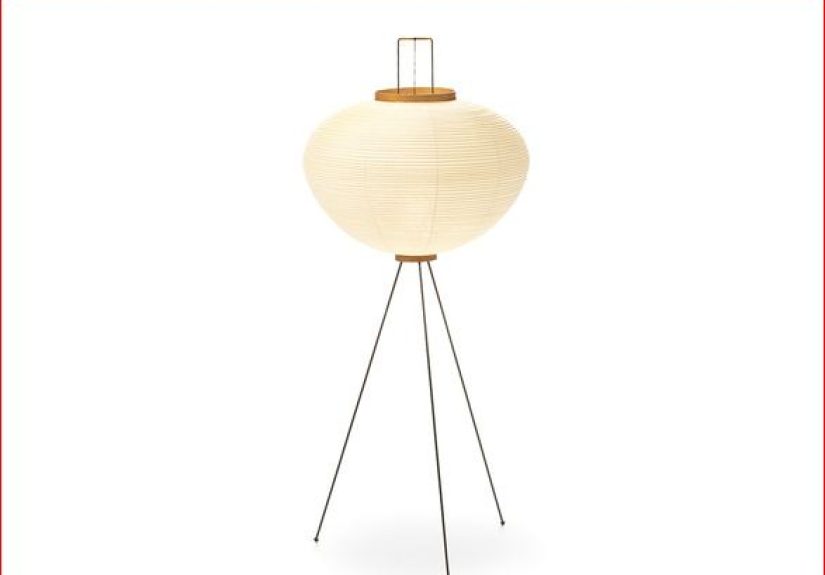
The Vitra Akari Floor Lamp is part of the broader Akari Light Sculptures series designed by Isamu Noguchi beginning in 1951. The collection includes table lamps, pendant lamps, ceiling lights, and floor lamps in a wide variety of shapes. Some are round and moonlike. Others are tall, ribbed, lantern-like forms that seem to float even when standing on slender metal legs.
Vitra produces and distributes many Akari models for the international design market, while the lamps themselves remain deeply connected to Japanese craft traditions. The shades are made with washi paper, traditionally derived from the inner bark of the mulberry tree. The paper is cut into strips and applied to a bamboo framework shaped over wooden molds. Once the form is complete, the mold is removed, leaving behind a collapsible, lightweight shade.
That construction method is one reason the Akari floor lamp feels so different from mass-market lighting. It has texture. It has tiny irregularities. It has the visual softness of handmade paper and the structural clarity of sculpture. In practical terms, it is a floor lamp. In emotional terms, it is a small indoor sunrise with legs.
The Story Behind Akari: Isamu Noguchi’s Light Sculptures
Isamu Noguchi was not simply a product designer. He was a sculptor, landscape artist, furniture designer, and restless experimenter whose work crossed the boundaries between art and daily life. That matters because Akari was never intended as ordinary lighting. Noguchi thought of these pieces as light sculptures: functional objects that could bring art into everyday rooms without requiring a museum guard or a velvet rope.
The story begins in 1951, when Noguchi visited Gifu, Japan, a city known for its traditional paper lanterns. These lanterns had long been made from bamboo frames and handmade paper, but the craft was facing pressure from modern lighting and changing lifestyles. Noguchi saw an opportunity to preserve the soul of the tradition while adapting it for modern interiors. By introducing electric illumination into sculptural paper forms, he created Akari: lamps that were traditional and modern, humble and iconic, practical and poetic.
The genius of the Vitra Akari floor lamp lies in that balance. It does not treat craft as nostalgia. It treats craft as a living design language. The lamp’s bamboo ribs, paper shade, and simple metal base are not decorative tricks; they are the whole point. Akari proves that a design can be physically light, visually calm, and culturally rich at the same time.
Materials and Craftsmanship: Why the Glow Feels Different
The magic of an Akari lamp begins with its materials. Washi paper diffuses light in a way that plastic, glass, and fabric often struggle to match. Instead of letting the bulb glare directly into the room, the paper softens the light, spreading it evenly and warmly across the surface of the shade. The result is a glow that feels organic rather than mechanical.
The bamboo ribbing gives the lamp its shape and rhythm. Depending on the model, those ribs may form a tall cylinder, a globe, a column, or a more sculptural silhouette. The visible structure adds depth, especially when the lamp is switched on. You are not just seeing a bright object; you are seeing a pattern of light and shadow created by paper and frame working together.
Many Vitra Akari floor lamps use painted steel wire legs or supporting structures. This gives the lamp stability without making it visually heavy. The base does its job and then politely disappears, allowing the illuminated paper form to take center stage. In design terms, this is restraint. In everyday terms, it means the lamp does not look like it is trying too hard at dinner parties.
Design Style: Where the Vitra Akari Floor Lamp Works Best
The Vitra Akari Floor Lamp is often associated with mid-century modern lighting, but it is more flexible than that label suggests. Because its materials are natural and its forms are simple, it can work in many interior styles without causing visual chaos.
Modern Minimalist Rooms
In a minimalist room, an Akari floor lamp adds warmth without clutter. White walls, pale wood, linen upholstery, and clean-lined furniture can sometimes feel a little too perfect, like a room waiting for a magazine photographer who is running late. Akari softens that effect. Its paper texture brings life to simple spaces while keeping the overall look calm.
Japandi Interiors
Akari is a natural fit for Japandi design, which blends Japanese simplicity with Scandinavian comfort. The lamp’s handmade paper, organic form, and gentle glow pair beautifully with oak, ash, walnut, ceramics, woven textiles, and low-profile furniture. If your room already includes neutral tones and natural materials, the Vitra Akari floor lamp will not interrupt the mood; it will finish the sentence.
Eclectic and Artistic Homes
Akari also works in homes that are more layered and expressive. Place it near a vintage lounge chair, a colorful rug, a stack of art books, or a slightly chaotic gallery wall, and it acts as a visual pause. The lamp gives the eye a soft landing point. It is sculptural enough to feel intentional but quiet enough not to compete with bolder pieces.
Popular Vitra Akari Floor Lamp Models
The Akari collection includes many floor lamp forms, and availability can vary by market and retailer. Some models are tall and cylindrical, while others have wider paper shades or more playful silhouettes. Commonly discussed floor lamp models include designs such as Akari 10A, Akari 13A, Akari 14A, Akari 25N, and several UF-series lamps.
The differences are not only about height or width. Each model creates a slightly different atmosphere. A tall column-style Akari can feel architectural, almost like a glowing pillar. A rounder or wider model feels more relaxed and cloudlike. A more sculptural model can become a room’s focal point, especially when placed near a sofa, lounge chair, or bedroom corner.
When choosing a Vitra Akari floor lamp, think less about “Which one is best?” and more about “What kind of glow does this room need?” A narrow room may benefit from a taller, slimmer model. A large living room may need a wider shade with more presence. A reading corner may call for a lamp that creates ambiance rather than intense directional light. Akari is mood lighting first, task lighting second, and emotional support lighting always.
How to Style a Vitra Akari Floor Lamp
Styling a Vitra Akari floor lamp is less complicated than it looks. The lamp already brings elegance, so the main goal is not to overdecorate around it. Give it breathing room. Let the paper shade be seen. Avoid crowding it with too many tall objects, especially anything sharp, spiky, or aggressively modern in a “spaceship conference room” kind of way.
Place It in a Corner That Needs Warmth
One of the easiest ways to use an Akari floor lamp is to place it in a dull corner. Every home has one: the sad corner near the sofa, the awkward space beside a bookshelf, or the bedroom spot that currently holds a laundry chair with ambitions. Put an Akari lamp there, and the whole area becomes softer and more intentional.
Pair It With Low Furniture
Akari floor lamps look especially beautiful with low lounge chairs, platform sofas, and coffee tables. Because the shade often has a floating quality, lower furniture allows the lamp’s full form to stand out. The result feels balanced and relaxed, not stiff or showroom-like.
Use Warm Bulbs
Bulb choice matters. A cool white bulb can make the paper look flat or clinical. A warm white bulb usually works better, helping the washi shade produce that famous lantern-like glow. For many rooms, a dimmable bulb or smart bulb is a practical upgrade, especially if you want the lamp to shift from evening reading light to late-night atmosphere.
Vitra Akari Floor Lamp vs. Ordinary Paper Lamps
It is easy to look at Akari and think, “Wait, is this just a paper lamp?” That is a fair question, especially because paper lanterns have inspired countless affordable lookalikes. But the Vitra Akari Floor Lamp stands apart because of its design authorship, craft process, materials, and proportions.
Many inexpensive paper lamps imitate the general idea but miss the subtlety. The paper may be too white, too thin, or too flat. The ribbing may feel mechanical. The shape may lack the graceful irregularity that makes Akari feel alive. Noguchi’s designs are carefully proportioned, and that proportion is a big part of the lamp’s appeal. A small curve, a slightly stretched silhouette, or the spacing of bamboo ribs can change the whole mood.
In other words, Akari is not expensive because paper suddenly became fancy. It is valued because it combines traditional craft, modern sculpture, and everyday function in a way that has remained relevant for decades. It is a lamp with a résumé.
Is the Vitra Akari Floor Lamp Worth It?
For the right buyer, yes. The Vitra Akari Floor Lamp is worth considering if you care about design history, handmade materials, warm ambient lighting, and objects that improve a room without dominating it. It is especially appealing for people who want lighting that feels soft, artistic, and timeless.
However, it is not the perfect lamp for every situation. If you need bright task lighting for detailed work, Akari may not be enough on its own. If your home has very active pets, toddlers, or high-traffic chaos, the delicate paper shade may require extra caution. This is not the lamp to put beside a wrestling match, an indoor scooter route, or a cat who believes gravity is a personal challenge.
But if you want a floor lamp that creates atmosphere, adds sculptural beauty, and works across many design styles, Akari is hard to beat. It has the rare ability to look iconic without feeling cold. It feels designed, but not overdesigned. That is a difficult trick, and Noguchi pulled it off with paper, bamboo, and light.
Care and Maintenance Tips
Because the shade is made from washi paper, gentle care is essential. Dust it lightly with a soft, dry cloth, a feather duster, or a careful pass with a low-powered handheld duster. Avoid wet cleaning, harsh sprays, or anything that could stain or warp the paper. This is not a lampshade that wants a spa treatment.
Place the lamp away from damp areas, open windows during heavy rain, or spots where drinks are likely to spill. Also avoid placing it where people may brush against it constantly. Akari is sturdy enough for normal use, but it should be treated with the same respect you would give any handmade paper object.
When moving the lamp, hold it by its supporting structure rather than squeezing the shade. If the model is designed to fold or ship flat, follow the manufacturer’s assembly instructions carefully. The beauty of Akari is partly its delicacy, and that delicacy is best preserved with calm hands and a little patience.
Buying Advice: How to Choose the Right Akari Floor Lamp
Before buying a Vitra Akari floor lamp, measure your space. This sounds obvious, but design enthusiasm has a funny way of making people forget ceilings, corners, and the laws of physics. Check the lamp’s height, width, cable length, and shade size. A lamp that looks graceful in a showroom may feel huge in a small apartmentor too modest in a large open-plan room.
Next, consider the purpose. Do you want a statement piece, a reading companion, or a general mood lamp? For a statement, choose a taller or more sculptural model. For a cozy corner, a softer, simpler silhouette may work better. For a bedroom, look for a form that creates calm, even light without overwhelming the space.
Finally, buy from an authorized retailer when possible. Authentic Akari lamps are typically marked with the well-known sun-and-moon symbol associated with authenticity. Because Akari designs are widely imitated, purchasing through trusted sources helps ensure you are getting the real craftsmanship, not a paper impersonator wearing confidence.
Experience Notes: Living With a Vitra Akari Floor Lamp
Living with a Vitra Akari Floor Lamp is different from owning a typical piece of lighting. At first, you may notice the shape: the handmade paper, the ribs, the sculptural silhouette. But after a few evenings, what you really notice is the atmosphere. The lamp changes how a room feels after sunset. It takes the hard edge off walls, furniture, and shadows. Suddenly, the living room feels less like a place where you forgot to answer emails and more like a place where you might read a novel, listen to jazz, or finally become the kind of person who owns matching coasters.
The best experience comes when the lamp is used as ambient lighting rather than the only light source. Place it near a sofa or lounge chair, turn off the overhead light, and let the Akari glow fill the corner. The room becomes softer immediately. Conversations feel calmer. Movies feel warmer. Even a simple dinner at the coffee table starts to look a little more intentional, as though you planned the whole evening instead of assembling it from leftovers and vibes.
One of the most enjoyable things about the Akari floor lamp is how it looks during the day. Many lamps disappear when turned off, becoming awkward metal objects waiting for electricity. Akari does not. In daylight, the washi paper has a quiet, handmade presence. It catches natural light gently and adds texture without adding visual noise. In a neutral room, it introduces warmth. In a colorful room, it creates balance. It is decorative without being fussy.
There is also a practical rhythm to owning one. You become more aware of placement. You stop dragging furniture carelessly around it. You choose the bulb more thoughtfully. You may even develop strong opinions about warm light temperatures, which is how you know adulthood has truly found you. The lamp encourages slower, more deliberate livingnot in a dramatic lifestyle-influencer way, but in small everyday habits. You switch it on before guests arrive. You leave it glowing during quiet evenings. You use it to make a room feel finished.
Of course, the delicacy is real. A paper shade asks for respect. Homes with energetic children, curious cats, or large dogs with enthusiastic tails should place the lamp carefully. But that fragility is part of the charm. The Vitra Akari Floor Lamp reminds you that not every object in a home needs to be indestructible. Some things are beautiful because they are light, handmade, and a little vulnerable. That vulnerability makes the glow feel more precious.
Over time, Akari becomes less like a purchase and more like a room companion. It does not chase trends. It does not need seasonal styling. It simply keeps doing what Noguchi intended: bringing sculpture into daily life through light. And honestly, that is a pretty good job description for a floor lamp.
Conclusion: A Floor Lamp That Feels Like Art You Can Live With
The Vitra Akari Floor Lamp remains one of the most graceful examples of modern lighting because it understands something many lamps forget: light is emotional. Brightness matters, but so does softness, shadow, texture, and mood. Akari brings all of those qualities together through handmade washi paper, bamboo structure, and Isamu Noguchi’s sculptural vision.
It is not merely a decorative object, and it is not merely a practical lamp. It sits beautifully between those categories, proving that everyday things can carry artistic depth without becoming difficult to live with. Whether placed in a minimalist apartment, a Japandi bedroom, a mid-century living room, or an eclectic reading corner, the Vitra Akari floor lamp adds warmth, history, and quiet drama.
If your space needs a little glow, a little sculpture, and a lot less overhead-light sadness, Akari may be exactly the upgrade your room has been politely requesting.