Table of Contents >> Show >> Hide
- The “Wait… What?” Moment That Lit Up Everyone’s Feed
- Who Is Lil Tayand Why Did This Hit So Hard?
- What Happened in August 2023: The Timeline (In Plain English)
- How a Celebrity Death Rumor Spreads in 2026 Internet Time
- “My Instagram Was Hacked”: What That Usually Means
- The Human Cost: This Isn’t Just “Internet Drama”
- Why the Confusion Got Worse: Inactivity, Management, and Mixed Signals
- Updated: What Happened After the Hoax?
- What This Teaches Us About Verification (Yes, Even If You’re “Just a Fan”)
- Why This Story Still Matters
- Conclusion: The Internet Needs a Deep Breath (and Better Password Habits)
- Experiences Related to the Lil Tay Hoax (Real-World Lessons You Can Feel)
When the internet moves at the speed of rumor, even a verified checkmark can’t save you from chaos.
The “Wait… What?” Moment That Lit Up Everyone’s Feed
On August 9, 2023, Lil Tay’s verified Instagram accountquiet for a long stretchsuddenly posted a heartbreaking statement claiming
the teen influencer and rapper had died, along with her brother. Within minutes, the post ricocheted across social media like a
pinball in a machine set to “panic.” Fans flooded comment sections with grief, creators stitched reaction videos, and entertainment
pages began reposting the news at the exact speed your aunt forwards chain emails.
And then, just as the internet collectively started writing memorial captions, the story changed: Lil Tay was alive. The death post
was deleted, and reports soon circulated that her account had been compromised. Lil Tay later said her Instagram was “hacked,” and
that she and her brother were safe.
If you’re thinking, “How does something this huge happen?”welcome to the modern media blender, where a single post can become a global
headline before anyone has time to ask the basic questions. (Like: “Is this confirmed by anyone who exists offline?”)
Who Is Lil Tayand Why Did This Hit So Hard?
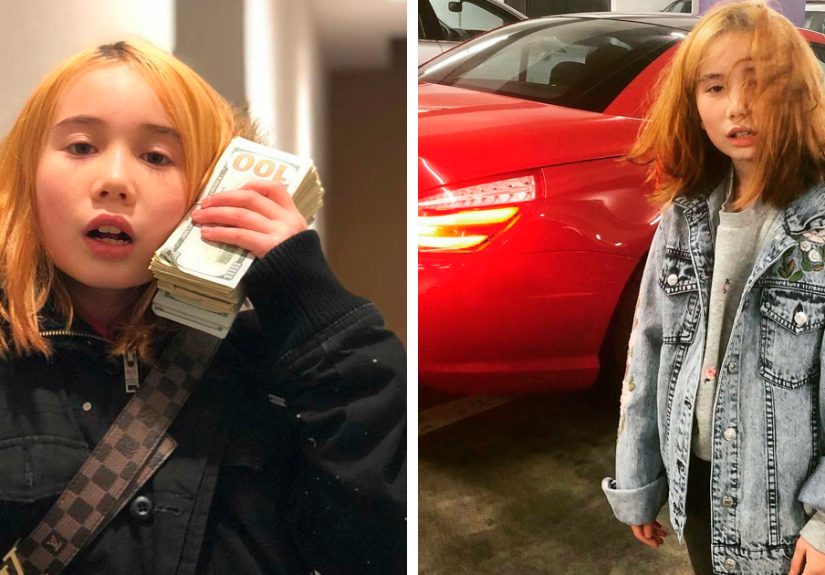
Lil Tay rose to viral fame in 2018 as a child internet personality known for bold “flexing” videosdesigner clothes, luxury cars,
and a persona that felt like a tiny adult doing a parody of rap culture with the volume dial snapped off. Some people found it funny,
some found it uncomfortable, and plenty found it both at the same time. Either way, she became a headline magnet.
Her story also carried a complicated family backdrop that played out publicly over time, including disputes around guardianship and
who controlled her career and social accounts. That context matters because it helps explain why, when a shocking post appeared, many
people were instantly unsure what was realand why the rumor had enough “plot” to feel believable to strangers scrolling at 2 a.m.
What Happened in August 2023: The Timeline (In Plain English)
1) A verified account posts a death announcement
The post claimed Lil Tay had died and described the situation in dramatic, emotional language. The internet did what it does best:
it reacted first and asked questions latersometimes in the comments, but mostly in all-caps on X (formerly Twitter).
2) The verification problem: “It’s on her page, so it must be true… right?”
Verified accounts are supposed to signal authenticity. But verification does not mean “this account can’t be hijacked,” and it
definitely does not mean “every post is fact-checked by a team of calm adults.”
3) Red flags show upfast
Very quickly, a few key points made people hesitate: authorities weren’t confirming anything publicly, and early reporting included
uncertainty from people connected to her. That wobble created a messy situation where some outlets ran with the post, others held back,
and social media filled the gaps with theories.
4) The update: she’s alive, and the account was reportedly compromised
By August 10, multiple major outlets were reporting that Lil Tay was not dead, and that the Instagram post was the result of a hack or
unauthorized access. In public statements attributed to Lil Tay and her family, the claim was direct: the account was “hacked,” the post
was misinformation, and both she and her brother were safe.
5) Meta (Instagram’s parent company) reportedly confirms a hack
Further reporting stated that Meta confirmed the Instagram account had been compromised and that the account was recovered. That detail
matters, because it shifts the story from “viral hoax” to “security incident with real-world consequences.”
How a Celebrity Death Rumor Spreads in 2026 Internet Time
The Lil Tay incident is basically a case study in how misinformation travels when the platform incentives are screaming, “Post it now!”
Here’s the typical pipeline:
- Spark: A single “primary source” post (even if it’s fake) appears on a high-visibility account.
- Acceleration: Aggregator pages repost it without verification, often citing each other in a circular loop.
- Emotion boosts reach: Grief posts and reaction videos surge because they trigger strong engagement.
- Headline pressure: Outlets race to publish updatessometimes while still trying to confirm the basics.
- Correction lag: Even after the truth emerges, the original claim keeps circulating because screenshots live forever.
The result is a weird reality where “Lil Tay is dead” and “Lil Tay is alive” can trend simultaneously, like the internet is running two
different operating systems and both are glitching.
“My Instagram Was Hacked”: What That Usually Means
“Hacked” can be a catch-all word, but most account takeovers come from a few common methods:
- Phishing: Fake login pages that steal passwords.
- SIM swapping: Attackers hijack phone numbers to intercept verification codes.
- Credential reuse: Old leaked passwords reused across sites.
- Malicious insiders: Someone with access posts without permission (especially common in team-managed accounts).
- Third-party app access: Connected apps with weak security become the back door.
In high-profile cases, the damage isn’t just an embarrassing post. It can create legal issues, safety concerns, harassment, and emotional
harmespecially when the content is as extreme as a death announcement.
The Human Cost: This Isn’t Just “Internet Drama”
When a death hoax hits, the harm is immediate and layered:
- For the person targeted: shock, fear, and the feeling of losing control of your identity in public.
- For family and friends: frantic calls, confusion, and real grief triggered by misinformation.
- For fans: emotional whiplashmourning someone who is alive feels unsettling, not funny.
- For journalists: pressure to publish quickly while avoiding false reporting.
The Lil Tay story resonated because it wasn’t just a rumor. It was a rumor posted in her name, on her verified platform identitythe
modern equivalent of someone hijacking your microphone in a stadium.
Why the Confusion Got Worse: Inactivity, Management, and Mixed Signals
Part of what made this situation so chaotic is that Lil Tay had been relatively quiet online for a while. When dormant accounts suddenly
“wake up,” audiences aren’t used to seeing normal, everyday posts. A dramatic statement feels like a “reason” for the returnso people
assume it must be real.
Also, when public figures have layersfamily, representatives, former managers, lawyersinformation can come out unevenly. If one source
is uncertain while another claims confirmation, the internet doesn’t pause to resolve contradictions. It simply screenshots both and
keeps running.
Updated: What Happened After the Hoax?
After the initial storm, Lil Tay’s public narrative continued to evolve. Reporting in the months and years that followed described her
re-emerging with new posts and music activity. She also spoke publicly about the impact of the hoax and pushed back on the idea that it
was a stunt.
Later coverage also pointed to additional major life events, including serious health-related updates shared on her accounts in 2024 and
subsequent public-facing projects in 2025. Whether you view these as a comeback arc, a complicated transition into adulthood, or a
reminder of how intense internet fame can bethis is the key point: the 2023 “death” post was not the end of the story. It was a
loud, unsettling detour.
What This Teaches Us About Verification (Yes, Even If You’re “Just a Fan”)
If there’s one practical takeaway from the Lil Tay incident, it’s this: verification is a process, not a vibe. Here’s a simple,
non-journalist checklist you can use the next time a shocking celebrity claim appears on your feed:
Before you repost, do these three things
- Check for independent confirmation from multiple major outlets (not just reposts of the same screenshot).
- Look for official statements from family, representatives, or authoritiesreal ones, not “a source says” recycled endlessly.
- Watch for corrections in the next hour. If the story is true, details usually become clearer; if it’s fake, the story shifts fast.
If you manage an account (or know someone who does)
- Turn on two-factor authentication (authenticator app or passkey beats SMS).
- Use unique passwords and a password manager.
- Review account access logs and remove old devices.
- Limit admin rolesteam access should be “as needed,” not “everyone gets the keys.”
- Store recovery codes offline (not in a notes app named “passwords definitely not”).
Why This Story Still Matters
“Lil Tay not dead” isn’t just a headline correctionit’s a warning label for the era we live in. The tools that make someone famous can
also be weaponized against them. A hacked post can create real-world panic; a screenshot can outlive the truth; and a trending topic can
turn a teenager’s life into public property in under five minutes.
It’s also a reminder that internet fame often starts young, moves fast, and doesn’t come with a user manual. When the public forgets
that there’s a real person behind the meme, the consequences get uglier.
Conclusion: The Internet Needs a Deep Breath (and Better Password Habits)
Lil Tay’s viral “death” story snapped from tragedy to correction because the original claim was false. She was not dead, and reports
indicated her Instagram had been compromised. The episode became a perfect storm of platform trust, rapid reposting, and human emotion
with a teenager stuck at the center of it.
In the end, the most “updated” truth is this: the story wasn’t just about a hacked account. It was about how quickly we accept
sensational information when it arrives packaged like authenticity. If the Lil Tay incident proves anything, it’s that the internet can
be loud, wrong, and convinced all at onceso the rest of us need to be slower, smarter, and a little harder to trick.
Experiences Related to the Lil Tay Hoax (Real-World Lessons You Can Feel)
If you’ve never experienced a celebrity death hoax in real time, let me paint the scene in a way the internet will recognize: you open
your phone to check the weather, and instead you get a dozen notifications that all basically scream, “WHAT?!” Group chats become a
rapid-fire emergency broadcast system. Someone sends a screenshot. Someone else sends a “confirmed” post from a page you’ve never heard
of. Then the real pros show upyour friend who says, “I’m not believing anything until it’s on a major outlet,” which is internet-speak
for “I have been hurt before.”
In situations like Lil Tay’s, fans often describe the same emotional whiplash: the first feeling is shock, then sadness, then guilt for
feeling sad based on a single post, and finally angerbecause nobody likes being emotionally manipulated, even accidentally. It’s like
crying during a movie and then learning the projector was playing the wrong film. Your feelings were real, but the foundation was fake,
and that’s disorienting.
Creators and social media managers tend to experience a different flavor of panic: the “Oh no, this could happen to me” realization.
You’ll see people immediately check their own account securitychanging passwords, turning on two-factor authentication, and scanning
connected apps like they’re searching for a hidden gremlin. It’s not paranoia; it’s pattern recognition. When a verified account can be
hijacked and used to post something that extreme, it forces everyone else to admit they’ve been treating security like flossing:
obviously important, rarely done with enthusiasm, and suddenly urgent right after a disaster.
Journalists and editors who’ve covered fast-moving internet rumors often describe the experience as a high-pressure balancing act.
You’re trying to respect the human stakes while also refusing to publish something that could be false. But the internet punishes
caution: if you wait, you “missed it.” If you publish too early, you become part of the misinformation chain. In the Lil Tay moment,
the biggest lesson wasn’t just “verify first”it was “build systems that make verification possible even when everyone is yelling.”
That means clear sourcing standards, slower headline language, and the willingness to say, “We don’t know yet.”
Parents who follow kid-influencer culture often have an especially heavy reaction, because the story touches a nerve: children and teens
living public lives that adults can’t fully control. Even when someone is famous, they can still be vulnerablesocially, emotionally,
legally, and digitally. A death hoax aimed at a teenager isn’t “spicy drama.” It’s a reminder that the internet’s worst impulses don’t
check IDs before causing harm.
And then there’s the experience almost everyone shares: watching the correction spread more slowly than the lie. The original post gets
screenshotted and reposted everywhere, but the update“She’s alive, it was hacked”has to fight for oxygen. People don’t share
corrections with the same excitement they share shock. It’s not as “viral.” So the cleanup becomes a marathon: clarifying to friends,
replying to comments, and trying to push truth back into the same channels that amplified the falsehood.
In the end, the most relatable “experience” of the Lil Tay hoax is this: realizing how easily we can be pulled into a story just because
it appears in the right format. A verified badge, an emotional statement, a trending hashtagthese are design cues that trigger trust.
The lesson isn’t to become cold or cynical. It’s to become intentional: verify before you share, slow down before you grieve publicly,
and remember that the person in the headline is a human beingnot an episode in your feed.