Table of Contents >> Show >> Hide
- What Hearing Loss Actually Means
- Common Causes of Hearing Loss
- Symptoms of Hearing Loss
- When Hearing Loss May Be an Emergency
- How Hearing Loss Is Diagnosed
- Treatments for Hearing Loss
- Can Hearing Loss Be Prevented?
- What a Good Video on Hearing Loss Should Explain
- Real-Life Experiences Related to Hearing Loss
- Conclusion
If you searched for a video on hearing loss causes, symptoms, and treatments, consider this the written director’s cut: same important information, fewer buffering circles, and no mysterious background music trying to make earwax seem cinematic.
Hearing loss is more common than many people realize, and it does not only affect older adults. It can happen gradually over years, show up after repeated exposure to loud noise, or appear suddenly and send your whole day off the rails. Some types are temporary and treatable. Others are permanent but manageable with the right support. The key is knowing what hearing loss actually looks like, what causes it, and which treatment options make sense in real life.
This guide breaks down the basics in plain American English, with enough depth to be useful and enough humanity to avoid sounding like a robot who just discovered the ear. Whether you are worried about yourself, a parent, a partner, or the friend who keeps saying “What?” after every sentence, here is what you need to know.
What Hearing Loss Actually Means
Hearing loss is a reduced ability to hear sounds clearly, loudly, or both. Sometimes the issue is volume. Sometimes sound is loud enough, but speech still seems muddy, muffled, or frustratingly unclear. That is why many people say, “I can hear you talking, but I can’t understand what you’re saying.” Hearing is not just about sound entering the ear. It is also about the ear and brain working together to process it accurately.
The Three Main Types of Hearing Loss
Conductive hearing loss happens when sound cannot travel efficiently through the outer or middle ear. Common reasons include earwax buildup, fluid behind the eardrum, ear infections, a perforated eardrum, or problems with the tiny bones in the middle ear. This type is sometimes medically or surgically treatable.
Sensorineural hearing loss happens when the inner ear or auditory nerve is damaged. This is the most common kind in adults. It is often linked to aging, loud noise exposure, certain medications, infections, or injury. It is usually permanent, but hearing aids, cochlear implants, and rehabilitation can help a great deal.
Mixed hearing loss is exactly what it sounds like: a combination of conductive and sensorineural hearing loss. Because the name is so honest, it almost feels suspicious.
Common Causes of Hearing Loss
1. Age-Related Hearing Loss
Age-related hearing loss, also called presbycusis, tends to develop slowly over time. People often notice trouble hearing high-pitched sounds first, such as children’s voices, consonants like “s” and “th,” phone alerts, or speech in busy restaurants. Because the decline is gradual, many adults adapt without realizing how much effort they are using to follow conversations. Family members usually notice before the person does.
This type of hearing loss can affect both ears and usually becomes more noticeable with age. It is not a sign of weakness, failure, or becoming “old overnight.” It is a health issue, and like vision changes, it deserves attention instead of denial.
2. Noise-Induced Hearing Loss
Loud noise is one of the most common preventable causes of hearing loss. It can happen after years of exposure to noisy tools, concerts, earbuds turned up too high, factory work, lawn equipment, firearms, or loud recreational activities. In some cases, a single intense blast can cause sudden damage.
The tricky part is that noise-related hearing loss often creeps in quietly. No dramatic movie scene. No alarm bell. Just a slow fade in clarity, more difficulty hearing in groups, and maybe some ringing in the ears. By the time many people notice a problem, the inner ear hair cells may already be damaged.
3. Earwax, Infections, and Fluid
Not every hearing problem means permanent damage. A very unglamorous but common culprit is earwax impaction. When wax blocks the ear canal, sound has a harder time getting through. Ear infections and fluid in the middle ear can also reduce hearing temporarily. These issues can feel annoying, but they are often treatable.
This is also why random internet “ear cleaning hacks” are a bad idea. Cotton swabs often push wax deeper, and candle-based ear myths belong in the same category as miracle kitchen gadgets that only slice bananas in one direction.
4. Structural Problems and Disease
Conditions like otosclerosis can affect the bones of the middle ear and interfere with how sound is transmitted. Head trauma, tumors affecting the hearing pathway, autoimmune disease, viral illness, Ménière’s disease, and chronic ear disease can also play a role. In children, hearing loss may be present at birth or appear after infections, trauma, or repeated middle ear problems.
5. Medications and Medical Conditions
Some medications are ototoxic, meaning they can damage hearing or balance structures. Certain antibiotics, chemotherapy drugs, loop diuretics, and high doses of specific medications are examples. Health conditions such as diabetes, cardiovascular disease, and poor circulation may also affect hearing over time. That does not mean every prescription is the villain in your life story, but it does mean hearing changes should be discussed with a clinician.
Symptoms of Hearing Loss
Hearing loss does not always start with “I cannot hear anything.” It often starts with smaller frustrations that seem harmless at first.
- Frequently asking people to repeat themselves
- Trouble understanding speech in restaurants or group settings
- Thinking other people are mumbling all the time
- Turning the TV volume higher than everyone else wants
- Difficulty hearing high-pitched voices or sounds
- Ringing, buzzing, or hissing in the ears
- Feeling mentally exhausted after conversations
- Missing doorbells, alarms, phone notifications, or warning sounds
- Withdrawing from social situations because listening feels like work
That last point matters. Untreated hearing loss does not only affect the ears. It can affect mood, relationships, confidence, work performance, and overall quality of life. When hearing becomes difficult, people may start avoiding the very situations that keep them connected.
When Hearing Loss May Be an Emergency
Gradual hearing loss is common. Sudden hearing loss is different. If hearing drops suddenly in one or both ears over hours or a few days, especially with ringing, pressure, or dizziness, it needs urgent medical attention. Sudden sensorineural hearing loss is often treated with corticosteroids, and timing matters. Waiting too long can reduce the chance of recovery.
In other words, if one ear suddenly goes quiet, do not “sleep on it” and hope your ear is just being dramatic. Get evaluated promptly.
How Hearing Loss Is Diagnosed
A proper evaluation usually starts with a medical history and an ear exam. A clinician may ask when the problem started, whether it affects one ear or both, whether you have ringing or dizziness, what medications you take, and whether you are around loud noise at work or during hobbies.
Testing may include:
- Hearing screening: a quick check to see whether hearing loss may be present
- Audiogram: the standard hearing test that measures hearing thresholds and helps identify the type and degree of loss
- Speech testing: to see how well you understand spoken words
- Tympanometry or middle-ear testing: useful when fluid, pressure, or eardrum movement is part of the picture
- Imaging or specialist referral: sometimes needed for sudden, one-sided, or unexplained hearing loss
Audiologists play a major role in testing and rehabilitation, while primary care clinicians and ENT specialists help rule out medical causes that might need treatment. Good hearing care is usually a team effort, not a solo performance.
Treatments for Hearing Loss
Treatment depends on the cause, severity, and type of hearing loss. There is no one-size-fits-all solution, and that is actually good news because it means options can be tailored to the person, not just the audiogram.
Medical Treatment
If the cause is reversible, treatment may be straightforward. Earwax can be removed safely. Ear infections may be treated with medication or monitored depending on the situation. Fluid-related problems may improve with time or require further management. Some structural issues can be corrected surgically. If a medication may be contributing, the prescribing clinician may review safer alternatives when possible.
Hearing Aids
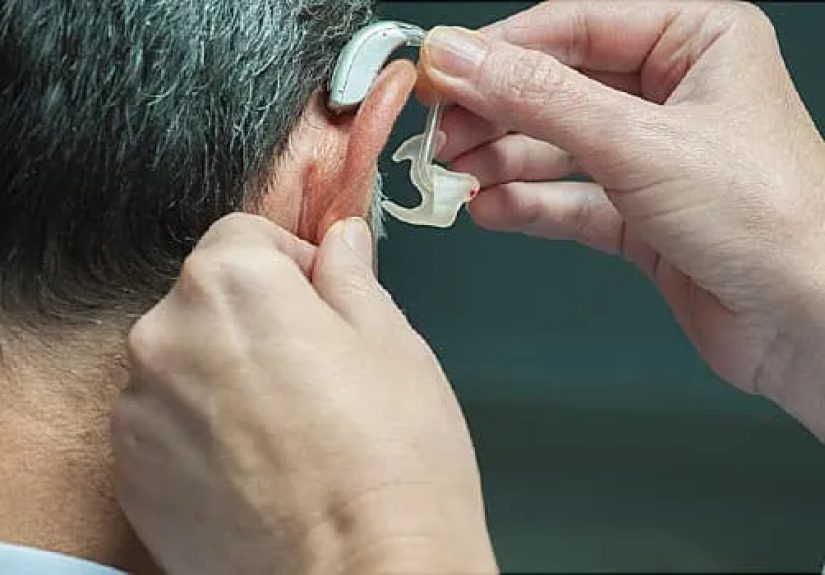
Hearing aids are one of the most effective treatments for many adults with hearing loss, especially sensorineural hearing loss. Modern devices are smaller, smarter, and less “grandpa at a baseball game in 1997” than many people imagine. They can be customized to specific hearing patterns, connect to smartphones, and improve day-to-day communication.
They do not “cure” hearing loss, but they can significantly improve access to speech and reduce listening fatigue. That matters more than most people expect. The point is not to create superhero ears. The point is to make conversation feel human again.
Over-the-Counter Hearing Aids
For adults age 18 and older with perceived mild to moderate hearing loss, over-the-counter hearing aids can be an option. These devices have expanded access for many people who want a faster, more affordable starting point. Still, not every hearing problem should be self-diagnosed. One-sided hearing loss, sudden changes, ear pain, drainage, dizziness, or severe symptoms call for medical evaluation rather than a shopping cart and optimism.
Cochlear Implants
For people with severe hearing loss who get limited benefit from hearing aids, cochlear implants may be considered. A cochlear implant is a surgically placed device that bypasses damaged inner-ear structures and directly stimulates the hearing nerve. It is not the right choice for everyone, but for eligible adults and children, it can be life-changing.
What matters here is evaluation. Many people assume they are “not deaf enough” or “too far gone” to be helped, when in reality they may qualify for technology that could improve speech understanding dramatically.
Auditory Rehabilitation and Communication Strategies
Treatment is not only about devices. It is also about learning how to hear better in the real world. Auditory rehabilitation may include training, counseling, communication coaching, and assistive listening devices. Helpful everyday strategies include:
- Facing the person speaking
- Reducing background noise when possible
- Using captions for videos and TV
- Asking others to speak clearly, not just louder
- Choosing better seating in restaurants or meetings
- Using phones, apps, or accessories designed for hearing support
These are not “small hacks.” They are practical tools that reduce stress and improve participation in daily life.
Can Hearing Loss Be Prevented?
Not all hearing loss can be prevented, but a lot of noise-related damage can. Prevention is surprisingly simple in concept, even if humans are not always great at following simple concepts.
- Keep personal audio at reasonable volume levels
- Use ear protection during concerts, yard work, shop work, and shooting sports
- Take listening breaks in noisy environments
- Move away from loud sound sources when possible
- Get hearing checked if you work around noise regularly
- Talk with a clinician about medications that may affect hearing
Your ears do not get replacement parts at the local hardware store. Protecting them now is easier than wishing you had later.
What a Good Video on Hearing Loss Should Explain
If you are creating or evaluating a video on hearing loss causes, symptoms, and treatments, the best educational content should do more than define terms. It should clearly explain the difference between conductive and sensorineural hearing loss, describe common symptoms in plain language, show when sudden hearing loss is urgent, and walk through realistic treatment options without overselling miracle fixes.
A strong video should also normalize help-seeking. Too many people delay testing because they think hearing loss is either no big deal or a permanent dead end. It is neither. In many cases, there are effective ways to improve communication, safety, and quality of life.
Real-Life Experiences Related to Hearing Loss
The experiences below are composite examples based on common situations people report when dealing with hearing loss. They are included here because facts matter, but lived experience is often what helps readers recognize themselves in the topic.
The Restaurant Problem
One of the earliest signs many adults describe is that hearing feels “fine” until they go somewhere noisy. At home, one-on-one conversation is manageable. At a crowded restaurant, though, everything collapses into a wall of sound. Plates clatter, music bounces off hard surfaces, and six conversations compete like they are all auditioning for the lead role. The person with hearing loss may smile, nod, and pretend to follow along, while catching only every third sentence. By the end of dinner, they are exhausted. It is not because they are antisocial. It is because listening has turned into labor.
The TV Remote Arms Race
Another classic experience happens in living rooms everywhere. One person turns up the TV. Another person says it is way too loud. The first person insists the volume is normal. The second person begins considering separate homes, separate remotes, or noise-canceling headphones. In reality, this mismatch often reveals hearing loss that affects speech clarity more than overall sound awareness. The issue is not always that everything seems quiet. It is that dialogue sounds muddy, especially when actors whisper dramatically for no obvious reason.
The “Everyone Mumbles” Phase
Many people spend months or years blaming other people before they suspect their own hearing. Coworkers mumble. Teenagers mumble. Cashiers mumble. Podcast hosts mumble. Apparently the whole planet joined a mumbling club and forgot to send an invitation. But once hearing is tested, the pattern becomes clearer: high-frequency sounds and speech details are harder to detect. That is why voices are audible but words are not crisp. For some people, finally getting a hearing aid is surprisingly emotional. They realize how much sound detail they had been missing, from birds outside to turn signals in the car to the texture in a loved one’s voice.
The Relief of a Real Explanation
There is also a specific kind of relief that comes with diagnosis. People often say they thought they were becoming inattentive, mentally foggy, or rude because conversation had become so difficult. A hearing evaluation can replace self-blame with clarity. Maybe the issue is wax. Maybe it is age-related hearing loss. Maybe a treatment plan includes medication, hearing aids, or referral to an ENT specialist. Whatever the cause, having an explanation gives people a path forward. That alone can reduce anxiety.
The Adjustment Period
Treatment is helpful, but it is not magic on day one. People who start wearing hearing aids often need time to adapt. Sounds they forgot existed suddenly return: footsteps, refrigerator hums, paper crinkling, air vents, keyboard clicks. It can feel strange at first, like the world forgot to use its indoor voice. But with proper fitting, follow-up care, and realistic expectations, many people find that communication becomes easier, social life feels less draining, and they stop working so hard just to keep up.
That may be the most important experience of all: hearing loss is frustrating, but support can make life feel open again. Conversations become less stressful. Social events become possible instead of punishing. Confidence returns. And for many people, that change is not small. It is the difference between observing life from the edges and participating in it again.
Conclusion
Hearing loss is not one condition with one neat answer. It can be caused by aging, loud noise, earwax, infections, ototoxic medications, disease, genetics, or structural problems in the ear. Symptoms may show up as muffled speech, ringing in the ears, TV volume battles, social withdrawal, or trouble hearing in noise. Treatments range from medical care and surgery to hearing aids, cochlear implants, rehabilitation, and simple communication strategies that make daily life easier.
The biggest mistake is assuming nothing can be done. In many cases, something can. And when sudden hearing loss happens, acting quickly matters. Whether you are watching a video on hearing loss causes, symptoms, and treatments or reading this article at midnight while side-eyeing your earbuds, the takeaway is the same: pay attention, get evaluated when needed, and protect the hearing you still have.