Table of Contents >> Show >> Hide
- What Is a Vibration Machine, Exactly?
- The Weight-Loss Claims: What Ads Promise vs. What Bodies Do
- What the Research Actually Suggests
- Potential Side Effects and Risks
- Who Should Skip Vibration Machines (or Talk to a Clinician First)
- If You Still Want to Try One: Safer Ways to Use It
- Bottom Line
- Real-World Experiences: What People Commonly Notice (and What It Usually Means)
- 1) “My legs felt weirdly tired… and I barely moved.”
- 2) “I felt a circulation boostlike my body woke up.”
- 3) “The scale didn’t change, but my body felt tighter.”
- 4) “I got dizzy, nauseous, or headachyso I quit.”
- 5) “I used it every day for two weeks and… nothing.”
- 6) “It helped me stick to exercising because it felt easier to start.”
- SEO Tags
If you’ve ever seen a vibration machine (a.k.a. a vibration plate) online, you’ve probably heard the pitch:
“Stand here, let it shake you like a soda can, and watch fat wave goodbye.” It’s a very hopeful ideaalmost
as hopeful as thinking your phone will stop autocorrecting “meal prep” into “metal pep.”
But weight loss isn’t usually impressed by clever gadgets. So what’s real, what’s hype, and what should you
know before you step onto a platform that vibrates like it’s trying to escape the room? Let’s break down the
most common claims, what research suggests, and the potential side effectsbecause “I didn’t know it could do
that” is not a wellness plan.
What Is a Vibration Machine, Exactly?
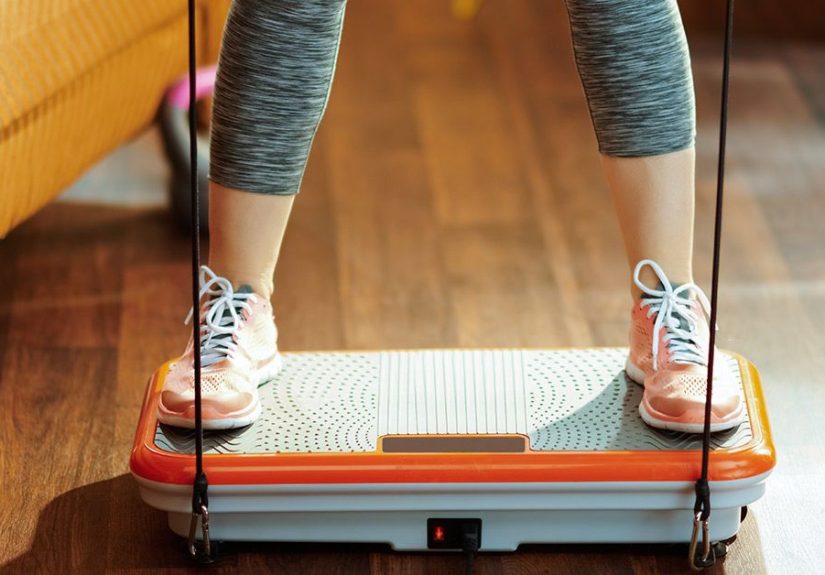
Most “vibration machines” for home use are whole-body vibration (WBV) platforms. You stand,
sit, or do simple exercises (like a squat hold or calf raise) on a plate that vibrates at a set frequency and
intensity. That vibration sends energy through your body, which can cause your muscles to contract and relax
repeatedlykind of like a reflexive “mini workout” layered on top of whatever position you’re holding.
Vibration plate vs. regular exercise
The key word is “layered.” WBV isn’t a magic replacement for walking, strength training, or cardio. Think of it
more like a spice you sprinkle on top of movementsometimes helpful, sometimes unnecessary, and
occasionally a bad idea if you’re allergic (or have certain medical conditions).
The Weight-Loss Claims: What Ads Promise vs. What Bodies Do
Vibration machines are often marketed with claims that range from “pretty optimistic” to “did a blender write
this?” Common promises include:
- “Burn fat fast” (often implying spot reductionlike belly-only fat loss).
- “10 minutes equals 1 hour at the gym” (a sentence that should raise an eyebrow on sight).
- “Tone your whole body without working out” (because standing still is everyone’s favorite sport).
- “Boost metabolism and melt calories” (usually with no context, no details, and no realism).
Reality check: weight loss still follows the basics
Weight loss typically requires a sustained calorie deficit over time. Devices can support
activity, but they don’t override the fundamentals. In fact, consumer guidance around weight-loss marketing
repeatedly warns about “effortless” claims that suggest you can lose weight without changing habits.
That doesn’t mean vibration plates are uselessit means they should be treated like a tool, not a loophole.
What the Research Actually Suggests
Research on whole-body vibration is a mixed bag. Some studies show modest benefits for certain outcomes (like
muscle activation, strength, balance, or bone-related measures in specific groups). But for weight
loss, the most honest summary is: it’s not a shortcut.
Do vibration machines cause weight loss?
Some research suggests WBV may support small improvements in body composition or weight when
it’s combined with other changesespecially a calorie-controlled eating pattern and/or traditional exercise.
On its own, WBV usually doesn’t create a large enough energy demand to drive meaningful fat loss for most
people.
Translation: if a vibration plate helps you move more, stay consistent, or add a little challenge to strength
work, it might contribute. If you’re hoping it will do the job while you scroll in silence… it probably won’t.
Scale weight vs. body composition
Another reason vibration-plate results can feel confusing: the scale isn’t the whole story. Small shifts in
lean mass, water retention, soreness-related inflammation, and normal daily fluctuations can
mask changes. Some people report feeling “tighter” or “more activated” even when the scale doesn’t budge.
If weight loss is your goal, it helps to track more than poundslike waist measurements, strength progress,
step counts, and how your clothes fit.
Where vibration training may help (even if weight loss is modest)
WBV has been studied for a range of outcomes beyond weight loss, including:
- Muscle activation and strength support: The vibration can increase muscle engagement during certain positions and exercises.
- Balance and stability: The unstable vibrating surface can challenge posture control, especially when paired with supervised training.
- Bone-related measures in some groups: Low-intensity vibration has been explored as a possible add-on for bone health, though results vary.
- Circulation and recovery “feel”: Some users experience a temporary sensation of increased blood flow or reduced stiffness after short sessions.
Important note: research devices and protocols are often more controlled than consumer machines. That matters
because intensity, frequency, and session duration can change both results and risk.
Potential Side Effects and Risks
Most people who try a vibration plate experience either no issues or mild, short-lived side effectsespecially
at lower settings. But higher intensity, longer sessions, or using the device with certain health conditions
can increase the chance of problems.
Common (usually mild) side effects
- Dizziness or lightheadedness (especially if you’re prone to vertigo or jump to high settings).
- Headache (sometimes from tension, dehydration, or simply “too much shake”).
- Nausea (your inner ear may file a complaint).
- Tingling or itching in the legs/feet (often temporary).
- Muscle soreness (yesstanding still can still make muscles angry if the stimulus is new).
When vibration can backfire
Here’s where it gets serious: vibration exposure in other contexts (like occupational settings) has been
associated with musculoskeletal issuesespecially low back concernswhen exposure is prolonged or intense.
Consumer WBV sessions are typically shorter, but the lesson still applies: dose matters.
Potential risks may include:
- Low back pain flare-ups: Poor posture, locked knees, or high intensity can amplify stress through the spine.
- Neck discomfort or headaches: Especially if you’re doing positions that transfer vibration upward aggressively.
- Joint irritation: Knees, hips, and ankles may not love high vibrationparticularly with arthritis or recent injury.
- Balance-related falls: If you’re unsteady, the plate can be a slip risk without support or supervision.
- Worsening vertigo symptoms: If you’re sensitive to motion, vibration can feel like instant regret.
“More intense” isn’t “more better”
Some readily available devices can deliver accelerations that raise safety questions when used at extreme
settings for long periods. That doesn’t mean every machine is dangerousit means you shouldn’t treat intensity
like a high score.
If the machine’s marketing encourages marathon sessions or “maximum vibration always,” take that as a sign to
step back (preferably onto non-vibrating ground).
Who Should Skip Vibration Machines (or Talk to a Clinician First)
If any of the following apply, it’s smart to check with a clinician before using WBVespecially at anything
beyond low intensity:
- Pregnancy
- Pacemaker or implanted electronic devices
- Recent surgery, recent joint replacement, or unstable fractures
- Severe osteoporosis or compression fractures
- History of blood clots or clotting disorders
- Uncontrolled high blood pressure
- Epilepsy or seizure disorders
- Significant vertigo or balance disorders
- Acute hernia, severe back issues, or nerve symptoms
Also: if you’re managing a chronic condition (like significant neuropathy, advanced arthritis, or spinal
problems), WBV may still be possiblebut the “how” and “how much” should be individualized.
If You Still Want to Try One: Safer Ways to Use It
If you’re cleared to use a vibration plate and want to experiment, aim for “smart and boring” rather than
“bold and chaotic.” Practical safety tips include:
- Start low and short: Choose the lowest comfortable setting and brief sessions at first. Give your body time to adapt.
- Maintain soft knees: Avoid locking your knees; a slight bend can reduce harsh force transmission.
- Prioritize posture: Keep your core gently braced and avoid awkward neck positions.
- Use support if needed: A wall, sturdy chair, or rail can reduce fall risk.
- Stop if symptoms show up: Dizziness, sharp pain, numbness, or unusual discomfort are signs to quit and reassess.
- Pair it with real movement: If weight loss is your goal, combine WBV with walking, strength training, and nutrition habits you can sustain.
Most importantly: treat the machine like an accessory to a healthy routine, not the routine itself.
Bottom Line
A vibration machine can feel like “doing something,” which is honestly half the appeal. And in some cases,
WBV may support muscle activation, balance work, or mobilityespecially when used thoughtfully.
But for weight loss, the evidence points to modest benefits at best, usually when paired with
a calorie deficit and traditional exercise. It’s not a cheat code.
The safest approach is to keep expectations realistic, start conservatively, and avoid WBV if you have a
condition that makes vibration risky. If you’re unsure, a quick chat with a healthcare professional is a lot
cheaper than learning the hard way.
Real-World Experiences: What People Commonly Notice (and What It Usually Means)
Research is helpful, but a lot of people decide whether they “believe” in vibration plates based on what they
feel in daily life. Below are common experiences users reportplus the likely explanation behind them. (No,
the plate is not “shaking fat loose.” If only biology worked like glitter on a sweater.)
1) “My legs felt weirdly tired… and I barely moved.”
This is one of the most common first impressions. The vibration triggers repeated muscle contractions, so your
legs and core may feel like they workedeven if your brain insists you were just standing there. New stimuli
can cause soreness, especially in calves, quads, and glutes. That doesn’t automatically equal fat loss, but it
does mean your muscles are responding to the challenge.
2) “I felt a circulation boostlike my body woke up.”
Some people describe a temporary “warmth” or “loosened up” feeling afterward. WBV can increase blood flow
and create a short-term sensation of reduced stiffness, similar to how a brisk walk can make joints feel less
cranky. This can be motivating, especially if you’re easing into movement after being sedentary. Just remember:
feeling better is great, but it’s not the same as burning a meaningful amount of calories.
3) “The scale didn’t change, but my body felt tighter.”
This happens a lot. WBV may increase muscle engagement and posture awarenesstwo things that can make you feel
more “held together,” especially around the core and hips. If you pair the plate with light strength work, you
might see small improvements in muscle tone over time. Still, visible changes usually come from consistent
strength training, overall activity, and nutritionnot from vibration alone.
4) “I got dizzy, nauseous, or headachyso I quit.”
Also common, and not something to push through. Motion sensitivity, inner-ear issues, dehydration, or jumping
to an intense setting can trigger dizziness or nausea. Some people feel fine on low settings but unwell on
higher ones. Others just don’t tolerate the sensationperiod. If WBV makes you feel off, that’s useful data:
your body is saying “no thanks,” and you’re allowed to listen.
5) “I used it every day for two weeks and… nothing.”
This is the experience that fuels most frustration. Standing on a vibration plate doesn’t typically burn
enough calories to move the needle for weight loss by itself. If eating patterns and overall movement stay the
same, results may be minimal. Some people do better when they use the plate as a “gateway habit”for example,
stepping onto it as a warm-up that leads into a short walk or a simple strength circuit. The plate becomes a
trigger for a fuller routine.
6) “It helped me stick to exercising because it felt easier to start.”
This is arguably the best-case scenario. If the plate lowers the barrier to getting movingespecially on low
motivation daysit can indirectly support weight management by increasing consistency. The plate isn’t the
hero; your routine is. But if a gadget gets you from “I’ll do it tomorrow” to “I’m doing something now,” that
matters.
Bottom line on experiences: vibration plates can feel impressive, especially at first, but the lasting value
depends on how they fit into your overall health habitsand whether your body tolerates them comfortably.