Table of Contents >> Show >> Hide
- What Makes a Vegetable Keto-Friendly?
- Best Vegetables for Keto
- Vegetables to Limit or Avoid on Keto
- How to Build a Keto Plate With Vegetables
- Cooking Tips for Keto Vegetables
- Common Keto Vegetable Mistakes
- Sample Keto Vegetable List
- Practical Meal Ideas With Keto Vegetables
- Experiences and Real-Life Lessons: Making Keto Vegetables Work
- Conclusion
Starting keto without vegetables is a little like building a house and forgetting the plumbing: technically possible, but everyone involved will be uncomfortable very quickly. The ketogenic diet is known for being low in carbohydrates, moderate in protein, and higher in fat, but that does not mean your plate should become a beige parade of cheese, bacon, and “mystery dip.” Vegetables mattera lot.
The trick is choosing the right vegetables for keto. Some vegetables are naturally low in net carbs and rich in fiber, water, vitamins, minerals, and antioxidants. Others are nutritious but starchier, meaning they can push your daily carbohydrate total over the limit faster than you can say “just one baked potato.” This guide breaks down the best keto vegetables to include, the high-carb vegetables to limit or avoid, how to count net carbs, and how to make your meals colorful without accidentally turning your keto plan into a mashed-potato appreciation club.
Important note: Keto is a restrictive diet and is not appropriate for everyone. People with diabetes, kidney disease, liver disease, gallbladder issues, a history of disordered eating, pregnancy, or anyone taking medications should speak with a qualified healthcare professional before starting. Children and teens should not follow keto unless it is medically prescribed and supervised.
What Makes a Vegetable Keto-Friendly?
A keto-friendly vegetable is usually low in digestible carbohydrates, high in fiber, and easy to fit into a daily carb budget. Many keto plans aim for roughly 20 to 50 grams of total carbs per day, though individual targets vary. Because vegetables contain fiber, many people track net carbs, which are calculated by subtracting fiber from total carbohydrates.
Net Carbs Explained Simply
Here is the basic formula:
Net carbs = total carbohydrates – fiber
For example, if a serving of broccoli has 6 grams of total carbohydrates and 2 grams of fiber, it has about 4 grams of net carbs. That makes broccoli much easier to fit into a keto meal than potatoes, corn, or peas, which contain more starch.
However, net carb counting should not become a full-time unpaid internship. Food labels, serving sizes, cooking methods, and individual responses can vary. The goal is not to fear vegetables. The goal is to choose them wisely, build satisfying meals, and avoid turning every dinner into a spreadsheet with salad dressing.
Best Vegetables for Keto
The best vegetables for keto tend to grow above ground, contain plenty of water and fiber, and have a mild flavor that works in many recipes. Think leafy greens, cruciferous vegetables, zucchini, cucumbers, peppers, mushrooms, asparagus, and celery. These are the vegetables that bring volume, crunch, nutrients, and color without using up your carb budget too quickly.
1. Leafy Greens
Leafy greens are keto royalty. Spinach, romaine, arugula, kale, Swiss chard, collard greens, mustard greens, and lettuce are all excellent choices. They are low in carbs, easy to use, and surprisingly versatile. Add spinach to eggs, pile romaine into a grilled chicken salad, sauté kale with garlic, or use butter lettuce as a wrap for tuna salad.
Leafy greens also help solve one of the most common keto problems: low fiber intake. Because keto limits many fiber-rich foods such as whole grains, beans, and some fruits, adding greens daily can help support digestion and make meals feel more complete.
2. Broccoli
Broccoli is one of the most practical keto vegetables because it is widely available, affordable, and hard to ruin unless you boil it into a green apology. It works steamed, roasted, stir-fried, chopped into casseroles, or tossed with olive oil, lemon, and Parmesan.
Broccoli provides fiber, vitamin C, vitamin K, and plant compounds that support overall health. A reasonable serving fits well into most keto plans, especially when paired with protein and healthy fats. Try roasted broccoli with salmon, broccoli cheddar soup made without flour, or beef and broccoli stir-fry served over cauliflower rice.
3. Cauliflower
Cauliflower is the unofficial mascot of keto cooking. It has been turned into rice, mashed “potatoes,” pizza crust, tortillas, soup, gnocchi, and probably a motivational speaker by now. Its mild flavor makes it a helpful substitute for higher-carb comfort foods.
Cauliflower is lower in carbs than potatoes and can help create familiar textures. Cauliflower mash with butter and roasted garlic can satisfy the creamy side-dish craving. Cauliflower rice can support stir-fries, taco bowls, and curry dishes without the carb load of regular rice.
4. Zucchini and Summer Squash
Zucchini is a keto workhorse. It is low in carbs, quick to cook, and friendly with nearly every seasoning. Spiralized zucchini noodles, often called “zoodles,” can replace pasta in a pinch. Sliced zucchini can be roasted, grilled, sautéed, or layered into low-carb lasagna.
Summer squash is similarly useful. Because these vegetables contain plenty of water, avoid overcooking them unless you enjoy soup that was supposed to be a side dish. Salt zucchini lightly and let it rest before cooking if you want a firmer texture.
5. Asparagus
Asparagus is elegant enough for a dinner party but simple enough for a Tuesday night meal when your main culinary goal is “please let this be edible.” It is low in carbs and pairs beautifully with eggs, steak, chicken, fish, butter, olive oil, lemon, and herbs.
Roast asparagus at high heat until the tips crisp slightly, or sauté it with garlic and a squeeze of lemon. It also works well chopped into omelets or served cold in salads.
6. Mushrooms
Mushrooms are low in carbs and bring savory depth to keto meals. White mushrooms, cremini, portobello, shiitake, and oyster mushrooms can add texture and umami without relying on sugary sauces. They are especially helpful if you are trying to make meals feel hearty while keeping carbs controlled.
Use mushrooms in bunless burgers, omelets, creamy skillet chicken, soups, or stuffed mushroom caps. Just watch the sauce: mushrooms are keto-friendly, but a sweet teriyaki glaze can undo the whole operation.
7. Cucumbers and Celery
Cucumbers and celery are refreshing, crunchy, and extremely useful for snacks. They are low in carbs and make excellent vehicles for keto-friendly dips such as guacamole, cream cheese spreads, tuna salad, egg salad, or Greek yogurt-based herb dip.
These vegetables are also helpful when you miss chips. No, celery is not a potato chip. Let us be emotionally honest. But it does provide crunch, and sometimes crunch is half the battle.
8. Bell Peppers
Bell peppers are slightly higher in carbs than leafy greens but still fit into keto when portioned thoughtfully. Green peppers are usually lower in carbs than red, yellow, or orange peppers, though all can work in moderate amounts.
Use bell peppers to add sweetness, color, and vitamin C to omelets, fajita bowls, salads, and stuffed pepper recipes. For stricter keto, use smaller portions and combine them with lower-carb vegetables.
9. Cabbage and Brussels Sprouts
Cabbage is affordable, filling, and surprisingly adaptable. It can become slaw, stir-fry, soup, lettuce-wrap filler, or a noodle substitute in skillet meals. Brussels sprouts are also keto-friendly in moderate portions, though they contain more carbs than lettuce or spinach.
Roasted Brussels sprouts with olive oil, salt, pepper, and a little Parmesan can convert even former vegetable skeptics. Just avoid coating them in sugary balsamic glaze unless your carb budget has room.
10. Green Beans
Green beans are not as low-carb as spinach or zucchini, but they are much lower in carbs than many starchy vegetables. They can fit into keto when served in reasonable portions. Try them sautéed with almonds, garlic, butter, or olive oil.
They are especially useful for people who want something familiar with dinner. Green beans with roasted chicken feels like a normal meal, not a science experiment wearing avocado.
Vegetables to Limit or Avoid on Keto
Many higher-carb vegetables are still nutritious. The issue is not that they are “bad.” The issue is that keto requires a very low carbohydrate intake, and starchy vegetables can use up that allowance quickly. If your goal is ketosis, these vegetables usually need to be limited, carefully measured, or saved for a more flexible low-carb plan.
Potatoes
White potatoes, red potatoes, Yukon gold potatoes, and fingerling potatoes are rich in starch. They are filling and contain nutrients like potassium and vitamin C, but they are not a practical everyday vegetable on strict keto. French fries, potato chips, and loaded baked potatoes are even harder to fit because they often add refined oils, sodium, and extra calories.
Sweet Potatoes and Yams
Sweet potatoes and yams are nutrient-dense and delicious, but they are still high in carbohydrates. They may fit into balanced diets or moderate low-carb plans, but strict keto usually leaves little room for them. If you include them, keep portions small and track the carbs carefully.
Corn
Corn is often treated like a vegetable, but nutritionally it behaves more like a starch. Corn on the cob, corn kernels, cornmeal, and corn-based snacks can raise carb intake quickly. On keto, corn is usually best avoided or eaten only in very small amounts.
Peas
Green peas contain more carbohydrates than many non-starchy vegetables. They also offer fiber and nutrients, but they are easy to overeat in soups, casseroles, and mixed vegetables. Snow peas and sugar snap peas are lower-carb choices than green peas, but portions still matter.
Winter Squash
Butternut squash, acorn squash, pumpkin, and other winter squashes contain more starch than zucchini or summer squash. They can be included in small portions on a flexible keto plan, but they are not “free vegetables.” A little roasted butternut squash in a salad may work; a large bowl of squash soup may not.
Beets, Parsnips, and Carrots
Root vegetables vary in carb content. Carrots can fit into keto in small amounts, especially raw or sliced into salads. Beets and parsnips are generally higher in carbs and should be limited more carefully. They are not unhealthy foods, but strict keto is a game of carb math, and root vegetables tend to bring a calculator to dinner.
How to Build a Keto Plate With Vegetables
A smart keto plate does not have to look sad. Start with a generous base of non-starchy vegetables, add a quality protein, and include fats that support flavor and fullness. A simple formula looks like this:
- Half the plate: low-carb vegetables such as spinach, broccoli, zucchini, cauliflower, cucumber, cabbage, or salad greens
- One quarter of the plate: protein such as eggs, chicken, fish, turkey, tofu, or lean meat
- One quarter of the plate or topping: healthy fats such as avocado, olive oil, nuts, seeds, or a moderate amount of cheese
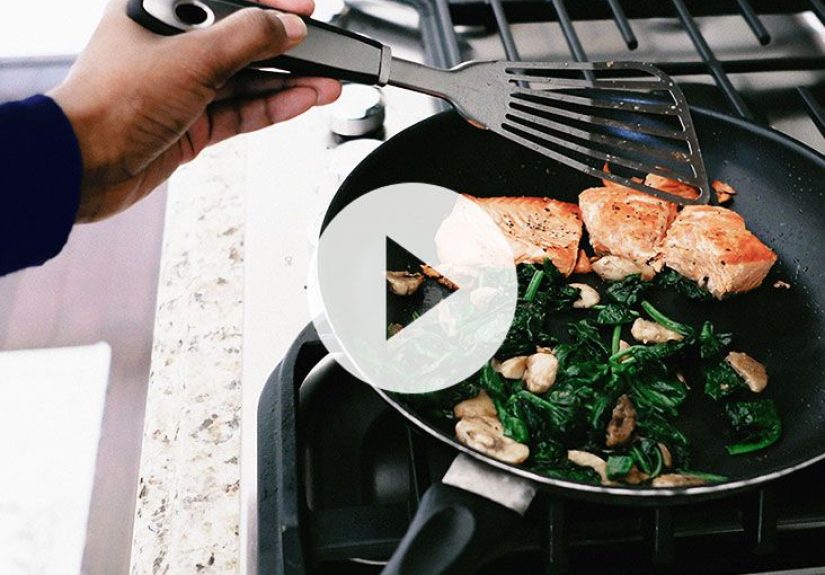
For example, a keto lunch could be a large romaine salad with grilled chicken, cucumber, avocado, olives, feta, and olive oil dressing. A keto dinner could be salmon with roasted asparagus and cauliflower mash. A quick breakfast could be eggs scrambled with spinach, mushrooms, and a side of sliced cucumber.
Cooking Tips for Keto Vegetables
Roast for Better Flavor
Roasting vegetables brings out natural sweetness and improves texture. Broccoli, cauliflower, Brussels sprouts, cabbage wedges, asparagus, and zucchini all roast well. Use olive oil, salt, pepper, garlic powder, paprika, or herbs. High heat helps create crispy edges, which are basically vegetable applause.
Watch Sauces and Dressings
Vegetables may be low-carb, but sauces can be sneaky. Barbecue sauce, sweet chili sauce, honey mustard, teriyaki sauce, ketchup, and some bottled dressings can contain added sugar. Choose olive oil vinaigrettes, creamy dressings without added sugar, pesto, tahini sauce, or homemade herb dips.
Use Vegetables as Substitutes, Not Punishments
Cauliflower rice, zucchini noodles, cabbage noodles, lettuce wraps, cucumber chips, and portobello mushroom buns can make keto meals more satisfying. The secret is to season them well. A plain bowl of steamed cauliflower pretending to be rice is not fooling anyone. Add garlic, herbs, butter, olive oil, spices, or sauce that fits your carb goal.
Do Not Forget Electrolytes and Fiber
Some people feel tired, foggy, or constipated when they start keto, especially if they cut carbs quickly and forget vegetables. Low-carb eating can reduce fiber intake, and early water loss may affect electrolytes. Low-carb vegetables, fluids, and mineral-rich foods can help, but persistent symptoms should be discussed with a healthcare professional.
Common Keto Vegetable Mistakes
Mistake 1: Eating Too Few Vegetables
Some people focus so much on cutting carbs that they also cut out the foods that make meals nutritious and sustainable. A keto diet without vegetables can become low in fiber and important micronutrients. Include low-carb vegetables daily to support digestion, variety, and overall diet quality.
Mistake 2: Assuming All Vegetables Are Unlimited
Vegetables are healthy, but not all are low in carbs. Potatoes, corn, peas, parsnips, and winter squash can add up quickly. Measure portions until you understand how different vegetables fit your carb target.
Mistake 3: Covering Vegetables With Hidden Sugar
A beautiful plate of roasted Brussels sprouts can go from keto-friendly to carb-heavy if it is drowned in maple glaze. Check labels and keep sweet sauces modest.
Mistake 4: Eating the Same Three Vegetables Forever
Spinach, broccoli, and cauliflower are great, but eating them every day can lead to boredom. Rotate greens, herbs, textures, and cooking methods. Try arugula one week, bok choy the next, roasted cabbage after that, and grilled zucchini when the weather cooperates.
Sample Keto Vegetable List
Best Choices for Most Keto Plans
- Spinach
- Romaine lettuce
- Arugula
- Kale
- Swiss chard
- Broccoli
- Cauliflower
- Zucchini
- Cucumber
- Celery
- Asparagus
- Mushrooms
- Cabbage
- Brussels sprouts
- Green beans
- Bell peppers in moderate portions
Vegetables to Limit on Keto
- Carrots
- Onions in large amounts
- Tomatoes in large amounts
- Beets
- Pumpkin
- Butternut squash
- Acorn squash
- Peas
Vegetables Usually Avoided on Strict Keto
- White potatoes
- Sweet potatoes
- Yams
- Corn
- Parsnips
- Cassava
- Taro
- Plantains
Practical Meal Ideas With Keto Vegetables
Breakfast: Scrambled eggs with spinach, mushrooms, and feta. Add avocado on the side for healthy fat and extra fullness.
Lunch: Chicken salad lettuce cups with celery, cucumber, herbs, and a creamy dressing made without added sugar.
Dinner: Grilled salmon with roasted asparagus and cauliflower mash. Finish with lemon juice and fresh parsley.
Snack: Cucumber rounds with guacamole, celery sticks with cream cheese, or mini bell pepper halves filled with tuna salad.
Meal prep: Roast a tray of broccoli, cauliflower, and zucchini on Sunday. Store it in the refrigerator and pair it with different proteins throughout the week.
Experiences and Real-Life Lessons: Making Keto Vegetables Work
One of the biggest real-life lessons about vegetables on keto is that planning beats willpower. People often start strong with a refrigerator full of salad greens, then three days later they are staring into the crisper drawer like it owes them money. The solution is not buying more vegetables; it is buying vegetables you actually know how to use. If you love crunchy foods, keep cucumbers, celery, romaine, and bell peppers ready. If you prefer warm meals, choose broccoli, cauliflower, zucchini, mushrooms, cabbage, and asparagus.
Another practical experience is that texture matters. Many people dislike low-carb vegetable swaps because they expect them to taste exactly like the higher-carb food they replace. Cauliflower rice is not rice. Zucchini noodles are not pasta. Lettuce wraps are not tortillas. Once you stop demanding a vegetable impersonation worthy of an Oscar, these foods become easier to enjoy. Cauliflower rice works best when stir-fried until moisture evaporates. Zucchini noodles taste better when lightly cooked, not drowned. Lettuce wraps need flavorful fillings, not bland sadness rolled in a leaf.
Meal prep also makes a huge difference. A common mistake is washing vegetables and leaving them whole. That still creates work later, and tired people are not famous for choosing broccoli over convenience. Chop celery, wash greens, slice cucumbers, roast cauliflower, and portion dips ahead of time. When low-carb vegetables are ready to eat, they become the easy choice instead of the “responsible choice I will ignore until Friday.”
Seasoning is another lesson learned quickly. Keto vegetables need flavor, especially because many comfort foods are off the table. Garlic, lemon, vinegar, herbs, chili flakes, smoked paprika, pepper, sesame oil, olive oil, mustard, and Parmesan can transform basic vegetables into meals people actually look forward to eating. Roasted cabbage with olive oil and garlic can taste rich and satisfying. Mushrooms browned in butter with thyme can make a simple dinner feel restaurant-level. Broccoli with lemon zest and Parmesan is far more exciting than plain steamed broccoli, which has the personality of a waiting room.
Portion awareness is important, too. Some vegetables live in a gray area. Tomatoes, onions, carrots, bell peppers, and Brussels sprouts can fit into keto, but the amount matters. A few cherry tomatoes in a salad may be fine; a tomato-heavy sauce with onions and sweet peppers may add up. A small amount of onion can build flavor; a giant pile of caramelized onions can become carb-heavy. The best approach is to use moderate-carb vegetables as accents and lower-carb vegetables as the base.
Finally, the most sustainable keto plates are colorful, not joyless. A bowl with romaine, grilled chicken, avocado, cucumber, olives, herbs, and a bright dressing feels fresh and complete. A plate of salmon, asparagus, and cauliflower mash feels like dinner, not punishment. Keto works better when vegetables are treated as essential ingredients rather than decorative green objects placed beside “the real food.” They bring crunch, freshness, fiber, and balanceand they keep the diet from becoming a one-way ticket to menu boredom.
Conclusion
Vegetables can absolutely fit into keto, but choosing the right ones makes all the difference. Low-carb vegetables such as leafy greens, broccoli, cauliflower, zucchini, asparagus, cucumbers, celery, mushrooms, cabbage, and green beans help add fiber, nutrients, texture, and color while keeping carbohydrates controlled. Starchy vegetables such as potatoes, sweet potatoes, corn, peas, and winter squash are nutritious, but they are much harder to fit into strict keto because they contain more carbohydrates.
The best keto vegetable strategy is simple: build meals around non-starchy vegetables, use moderate-carb vegetables thoughtfully, season everything well, and avoid hidden sugars in sauces and dressings. Keto should not mean avoiding plants; it should mean choosing the plants that fit your goals. And if your plate looks colorful, satisfying, and delicious, you are far more likely to stick with it than if dinner looks like a lonely block of cheese wondering where the salad went.