Table of Contents >> Show >> Hide
- What Is the Bisley 5-Drawer Cabinet?
- Key Features of the Bisley 5-Drawer Cabinet
- Why the Bisley 5-Drawer Cabinet Works So Well in a Home Office
- Best Uses for a Bisley 5-Drawer Cabinet
- Design Appeal: Industrial, Colorful, and Surprisingly Friendly
- How to Organize a Bisley 5-Drawer Cabinet
- Bisley 5-Drawer Cabinet vs. Plastic Drawer Units
- Bisley 5-Drawer Cabinet vs. Traditional Filing Cabinets
- Who Should Buy a Bisley 5-Drawer Cabinet?
- Care and Maintenance Tips
- Real-Life Experience: Living With a Bisley 5-Drawer Cabinet
- Final Verdict: Is the Bisley 5-Drawer Cabinet Worth It?
The Bisley 5-Drawer Cabinet is one of those office storage pieces that looks quiet at first, then slowly becomes the most useful object in the room. It does not shout. It does not spin, beep, sync to an app, or require a 47-step assembly ritual involving one missing screw and emotional damage. It simply sits there, made of steel, holding your paper, pens, art supplies, craft tools, labels, receipts, and all the tiny things that otherwise migrate across your desk like they pay rent.
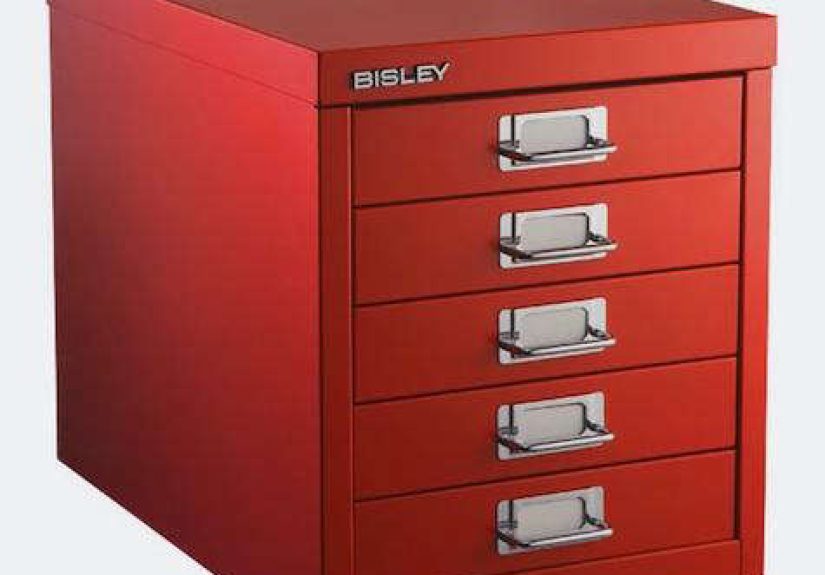
For anyone building a cleaner home office, creative studio, classroom corner, or craft station, the Bisley 5-drawer cabinet offers a rare mix: compact size, sturdy metal construction, cheerful color options, removable drawers, and a timeless industrial-modern look. It is practical enough for invoices and office supplies, stylish enough for a design-minded workspace, and charming enough to make you suddenly care about drawer labels. That is not something every filing cabinet can say with a straight face.
What Is the Bisley 5-Drawer Cabinet?
The Bisley 5-Drawer Cabinet is a compact steel storage cabinet designed for desktop, counter, shelf, or small-space organization. It belongs to Bisley’s well-known MultiDrawer family, a storage line originally designed in 1958. Over the decades, the MultiDrawer design has become popular in offices, design studios, classrooms, craft rooms, and home workspaces because it stores flat items and small supplies without taking over the room.
The 5-drawer version is especially useful because it gives you five separate compartments in a relatively small footprint. Instead of having one deep drawer where everything disappears into the mysterious cave of “I know I put it here somewhere,” you get shallow, accessible drawers that encourage sorting. One drawer can hold printer paper. Another can hold notebooks. Another can hold pens, stickers, sewing supplies, makeup, receipts, cables, watercolor palettes, or that collection of paper clips you keep pretending is not excessive.
Key Features of the Bisley 5-Drawer Cabinet
1. Durable Steel Construction
One of the biggest reasons people choose the Bisley 5-drawer cabinet over plastic drawer units is the material. It is made from steel with a powder-coated finish, giving it a solid, long-lasting feel. The finish helps protect the cabinet from ordinary wear while also giving it a smooth, polished look. In a world full of flimsy storage bins that wobble when you look at them too confidently, Bisley feels refreshingly serious.
2. Five Fully Removable Drawers
The five drawers are removable, which makes organizing much easier. You can pull out a drawer, sort its contents on a table, add inserts, relabel it, and slide it back in. This feature is particularly helpful for crafters, artists, teachers, and anyone who likes to work in batches. For example, a graphic designer might keep paper samples in one drawer, markers in another, client notes in a third, shipping labels in a fourth, and backup tech accessories in the fifth.
3. Label Holders for Real Organization
Each drawer typically includes a front label holder. It sounds small, but labels are the difference between “organized” and “organized for approximately three days.” A label turns a drawer into a system. It tells you what belongs there, reminds you where to return things, and prevents the classic junk-drawer takeover. If you run a home office, labels like “Invoices,” “Mail,” “Printer Paper,” “Receipts,” and “Tools” can save you from opening every drawer like you are solving a detective case.
4. Compact Desktop-Friendly Size
The Bisley 5-drawer cabinet is designed to be compact, making it suitable for desks, countertops, shelving units, and small rooms. Its general footprint is around 13 inches high, 11 inches wide, and 15 inches deep, depending on the retailer and model listing. That makes it large enough to hold useful supplies but small enough to fit into a home office without turning the space into a miniature warehouse.
5. Flat Filing for Paper and Creative Materials
Because the drawers are wide and shallow, the cabinet works especially well for flat filing. Letter-size paper, A4 sheets, envelopes, labels, stationery, photographs, cardstock, stickers, and small art papers are all natural fits. This is one reason the cabinet is beloved by people who do cross-stitch, scrapbooking, drawing, printmaking, journaling, and other paper-heavy hobbies. It keeps delicate materials flat, sorted, and easy to reach.
Why the Bisley 5-Drawer Cabinet Works So Well in a Home Office
Modern home offices are often asked to do too much. One corner may need to function as a writing desk, video-call station, schoolwork zone, bill-paying center, craft table, and occasional snack headquarters. Without a smart storage system, clutter quickly wins. The Bisley 5-drawer cabinet helps by creating clear zones for the small items that usually cause the biggest mess.
The shallow drawers make it easier to see what you have. Deep drawers can become black holes where batteries, stamps, chargers, and old receipts form a tiny civilization. With the Bisley cabinet, every drawer has a defined purpose. You can dedicate the top drawer to daily-use items, the middle drawers to paper and supplies, and the bottom drawer to less-used materials. This arrangement keeps your desktop clearer, which can make the entire room feel calmer and more intentional.
Best Uses for a Bisley 5-Drawer Cabinet
For Office Supplies
The most obvious use is office organization. The cabinet can store pens, pencils, highlighters, sticky notes, mailing labels, envelopes, checkbooks, stamps, printer paper, folders, and charging cables. Add drawer inserts and it becomes even more efficient. A small business owner could use one drawer for tax receipts, one for shipping supplies, one for customer notes, one for product labels, and one for tools like scissors and tape.
For Art and Design Materials
Artists and designers often need storage that protects supplies without burying them. The Bisley 5-drawer cabinet works well for pencils, markers, watercolor pans, paper swatches, ink pads, rulers, cutting tools, and reference materials. The drawers are shallow enough to prevent stacking chaos, which is important because nobody wants to dig through twelve layers of supplies just to find one black pen that still works.
For Craft Rooms
Crafters have a special relationship with storage. There are beads, bobbins, threads, stickers, washi tape, needles, fabric pieces, stamps, cutting blades, and mystery items that definitely matter but are impossible to describe. The Bisley cabinet gives all of these small materials a home. Cross-stitchers, in particular, often use it for floss organization because the drawers can hold sorted bobbins, thread cards, patterns, and tools.
For Makeup and Personal Care
Although it is technically an office cabinet, the Bisley 5-drawer cabinet can also work on a vanity or bathroom shelf if kept away from excessive moisture. The drawers can store palettes, brushes, skincare samples, hair accessories, nail supplies, and travel-size products. The metal body gives it a cleaner, more grown-up appearance than many plastic organizers, while the labels add a pleasing “tiny boutique backstage” feeling.
For Kids’ Study Areas
In a child’s study corner, the cabinet can hold crayons, markers, index cards, homework paper, flashcards, stickers, glue sticks, and craft scissors. Because each drawer is separate, it teaches simple organization habits: paper goes here, coloring supplies go there, finished work goes in this drawer. It is basically a tiny filing system disguised as a colorful cabinet. Sneaky? Yes. Useful? Absolutely.
Design Appeal: Industrial, Colorful, and Surprisingly Friendly
The Bisley 5-drawer cabinet has a clean industrial look, but it does not feel cold. That is partly because of its proportions. It is small, boxy, and neat, with a visual rhythm created by the five drawer fronts. The label holders add a vintage office charm, while the powder-coated colors help it fit into different interiors.
Black, white, gray, silver, blue, green, red, and other colors may appear depending on the retailer and availability. A white or gray cabinet blends easily into minimalist spaces. A red or blue version adds personality to a neutral desk. A green cabinet can look great in a creative studio with plants, wood tones, and warm lighting. In other words, this cabinet can be the quiet assistant or the colorful sidekick. It has range.
How to Organize a Bisley 5-Drawer Cabinet
The best way to organize the Bisley 5-drawer cabinet is to assign each drawer a clear job. Avoid the temptation to treat it like five junk drawers stacked in a trench coat. Start by emptying the supplies you want to store, grouping them into categories, and deciding which items you use most often.
Put daily-use items in the top drawer: pens, sticky notes, scissors, tape, or your favorite notebook. Use the second drawer for paper goods such as envelopes, labels, cards, or printer sheets. The third drawer can hold tech accessories like cables, adapters, USB drives, and screen wipes. The fourth drawer might store project materials. The fifth drawer can hold backup supplies or items you need less often.
For smaller items, drawer inserts are worth considering. Compartments keep everything from sliding around and turning into a tiny metal salad. If you use the cabinet for crafts, inserts can separate thread colors, beads, needles, stamps, or stickers. If you use it for office work, inserts can divide paper clips, binder clips, push pins, erasers, and spare keys.
Bisley 5-Drawer Cabinet vs. Plastic Drawer Units
Plastic drawer units are usually cheaper and lighter, but they often lack the durability and polished appearance of a steel cabinet. They may bow under weight, discolor over time, or look too temporary for a finished office. The Bisley cabinet feels more permanent. It is the kind of piece you can keep through multiple desk setups, room redesigns, and organizational “fresh starts.” We all have those. Some of us have them every January.
The steel construction also makes it better suited for heavier supplies, within the recommended weight limit. Paper, notebooks, and tools can add up quickly. A sturdy metal drawer gives more confidence than a thin plastic one, especially if you open and close it daily.
Bisley 5-Drawer Cabinet vs. Traditional Filing Cabinets
A traditional filing cabinet is better if you need to store hanging file folders, legal documents, or large archives. The Bisley 5-drawer cabinet is better for active supplies, flat paper, craft materials, and small items. Think of it as a daily-access cabinet rather than a long-term document vault.
If you run a business from home, you might use a traditional filing cabinet for tax records and contracts, while keeping the Bisley cabinet on or near your desk for current work. That combination gives you both archive storage and quick-access organization. Your future self, frantically looking for a receipt in April, will be grateful.
Who Should Buy a Bisley 5-Drawer Cabinet?
The Bisley 5-drawer cabinet is a strong choice for people who need compact, attractive, durable storage for small items and flat materials. It is especially useful for remote workers, students, teachers, designers, artists, crafters, stationery lovers, small business owners, and anyone whose desk currently looks like a stationery store had a dramatic sneeze.
It may not be the best choice if you need lockable storage, deep drawers for bulky objects, or a cabinet specifically designed for hanging files. The drawers are shallow, which is the point, but it also means taller items may not fit upright. Before buying, check the listed dimensions and compare them with the items you plan to store. Measuring first is boring, yes, but returning furniture is much more boring.
Care and Maintenance Tips
Maintaining a Bisley cabinet is simple. Wipe the exterior with a soft damp cloth and mild detergent when needed. Avoid abrasive cleaners that could damage the powder-coated finish. If the drawers feel stiff, make sure they are seated correctly and not overloaded. Keep the cabinet in a dry indoor area to protect the metal finish over time.
It is also smart to review the contents every few months. Remove dried-out pens, outdated papers, broken tools, duplicate supplies, and anything you no longer use. A cabinet is only as organized as the habits around it. Even the best storage piece cannot save you from keeping 19 mystery cables “just in case.” Be brave. Let at least seven of them go.
Real-Life Experience: Living With a Bisley 5-Drawer Cabinet
Using a Bisley 5-drawer cabinet feels different from using a random storage bin because it encourages a more deliberate routine. The first thing you notice is how satisfying the separate drawers are. Instead of tossing everything into one container, you start thinking in categories. Pens and markers get their own drawer. Paper gets another. Small tools get another. Suddenly the desk looks cleaner, and you begin to suspect you are becoming the kind of person who owns matching labels. This is how it starts.
In a home office, the cabinet works best when placed within arm’s reach but not directly in the center of the desk. A side shelf, printer stand, or desk corner is ideal. When it is too far away, you will not use it consistently. When it is too close, it may compete with your keyboard, monitor, coffee, and the emotional support notebook you keep open but rarely write in. The sweet spot is close enough for daily use and far enough to preserve workspace.
One practical experience is that the top drawer becomes prime real estate. It should hold the supplies you reach for constantly: favorite pens, sticky notes, a small ruler, scissors, stamps, or a charging cable. If you use the cabinet for crafts, the top drawer might hold your current project tools. If you use it for business, it might hold outgoing mail or current invoices. The key is to treat the top drawer like a command center, not a junk drawer with better branding.
The middle drawers are excellent for project zones. For example, a freelance designer could use one drawer for paper samples, another for client notes, and another for packaging supplies. A teacher could create drawers for stickers, index cards, grading tools, spare markers, and classroom forms. A crafter could sort embroidery floss by color family or keep cutting tools separate from patterns. Because the drawers are shallow, you can see the contents quickly without archaeological digging.
Another experience worth mentioning is the visual calm. A Bisley cabinet can make a messy collection of supplies look intentional. Five labeled metal drawers simply look better than a pile of boxes, cups, trays, and “temporary” stacks that somehow become permanent roommates. Even when the drawers are full, the outside remains clean and structured. This matters in small rooms, where visual clutter can make a space feel busier than it really is.
There are a few realistic limitations. The drawers are not meant for large bulky objects. If you try to store tall bottles, thick rolls of tape, oversized tools, or chunky electronics, you may run into height issues. It is better for flat, slim, or small items. Also, because many versions do not lock, it should not be used for sensitive documents, valuables, or anything that needs secure storage. It is an organizer, not a vault. It will protect your stationery from chaos, not your passport from a determined sibling.
Over time, the cabinet becomes most valuable when you build a habit around it. Spend five minutes at the end of the day returning supplies to their drawers. Keep labels updated. Do not allow one drawer to become the “miscellaneous” drawer unless you define what miscellaneous means. A useful rule is this: if a drawer cannot be described in three words, it needs a clearer purpose. “Writing tools” works. “Receipts and labels” works. “Stuff I panicked about before guests came over” does not work, though it is emotionally honest.
The Bisley 5-drawer cabinet also adapts well when your needs change. A drawer that once held school supplies can become a tax document drawer. A craft drawer can become a photography accessories drawer. A stationery drawer can become a shipping station for a small online shop. That flexibility is part of the cabinet’s appeal. It is not locked into one use, one room, or one season of life.
Overall, the experience of owning a Bisley 5-drawer cabinet is less about buying storage and more about creating a small, repeatable system. It helps reduce desk clutter, protects flat materials, makes supplies easier to find, and adds a polished design element to the room. It is compact, sturdy, attractive, and quietly efficient. Basically, it is the coworker who never interrupts you, never steals your lunch, and always knows where the scissors are.
Final Verdict: Is the Bisley 5-Drawer Cabinet Worth It?
The Bisley 5-drawer cabinet is worth considering if you want storage that is durable, compact, stylish, and genuinely useful. Its steel construction, removable drawers, label holders, and flat-filing format make it more versatile than a basic desktop organizer. It is not the cheapest storage option, but it offers a long-term feel that cheaper alternatives often lack.
For home offices, craft rooms, classrooms, and creative studios, it solves a specific problem beautifully: how to store small and flat items in a way that is tidy, visible, and attractive. It will not magically organize your life, but it will give your supplies a proper home. Sometimes that is all your desk needs to stop looking like it lost a wrestling match with a stationery aisle.