Table of Contents >> Show >> Hide
- What Are Van Dyck (Vandyke) Crystals, Exactly?
- Van Dyck Crystals vs. “Regular” Stain: Why the Difference Matters
- How to Mix Van Dyck Crystals (Without Summoning Chaos)
- How to Apply Van Dyck Crystals on Wood
- Color Control: Getting the “Antique Brown” Without the “Mud Brown”
- Troubleshooting: Common Problems and Easy Fixes
- Finishing Over Van Dyck Crystals
- Safety Notes (Because Walnut Doesn’t Care About Your Shirt)
- Don’t Confuse These with Van Dyke Brown in Art (or Photography)
- FAQ
- Conclusion
- Real-World Experiences: What It’s Like Using Van Dyck Crystals
If you’ve ever looked at a piece of antique furniture and thought, “How does it look that rich without screaming
I JUST GOT STAINED,” you’re already circling the idea behind Van Dyck (a.k.a. Vandyke) crystals.
They’re the old-school, walnut-based way to coax wood into a warm brown that feels earnedlike it’s been
politely aging in a library for 200 years, sipping espresso and judging your sanding technique.
In plain English: Van Dyck crystals are a water-soluble wood dye traditionally derived from walnut husks.
Mixed with hot water, they create anything from a light tan wash to a deep, antique brown. They’re loved by
furniture restorers, woodworkers, and anyone who wants color that enhances grain instead of
painting it into submission.
What Are Van Dyck (Vandyke) Crystals, Exactly?
“Crystals” is a bit of a vibe word here. You’re not growing gemstones in a jar like a third-grade science fair.
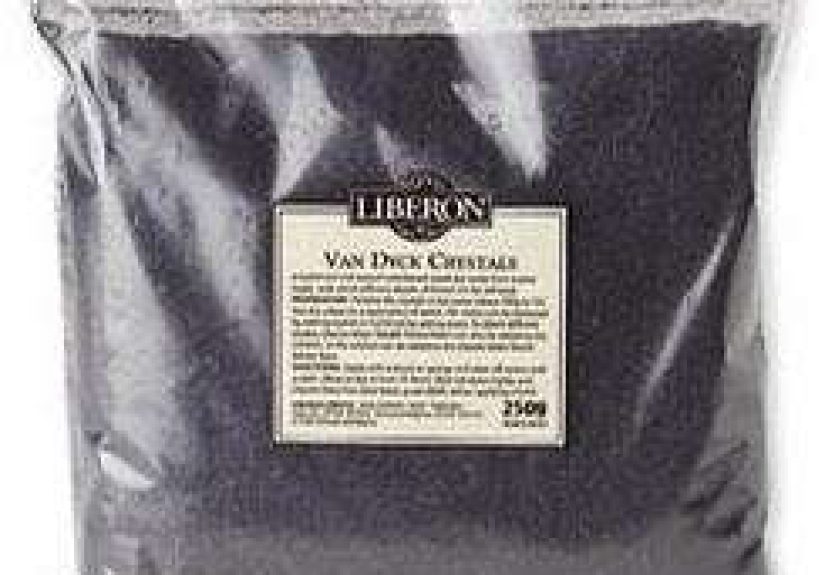
Van Dyck crystals are typically sold as dark, granular dye material (or a refined powder), meant to dissolve in
hot water to make a transparent brown dye stain.
The tradition traces back to what walnut husks naturally do best: turn everything they touch a glorious brown.
Black walnut hulls have long been used as a dye source, because the husk chemistry oxidizes into deep brown
colorants. That same “walnut-hands-for-days” effect is the reason Van Dyck crystals work so well as a stain
only now you get it in a controlled, mixable form.
Why Woodworkers Still Use Them
- They’re transparent. You get color while keeping figure and chatoyance (that “3D shimmer” in curly woods).
- They’re tunable. Darker = stronger mix or more coats. Lighter = dilute and sneak up on it.
- They’re great for aging effects. Especially on lighter woods that look a little “new furniture showroom” without help.
- They play well with layered finishing. Used as a base tone, then adjusted with glazes, dyes, or topcoat color.
Van Dyck Crystals vs. “Regular” Stain: Why the Difference Matters
Most hardware-store stains are pigment-based: tiny colored particles suspended in a liquid. Pigments tend to sit
closer to the surface, and they can mute grain if you’re not careful. Dyes, on the other hand, dissolve into the
liquid and penetrate more like a “color bath” for the wood fibers.
That penetration is why Van Dyck crystals are often described as giving a deeper, more natural-looking brown.
It’s also why you should test on scrap: the same dye can look dramatically different on oak vs. maple vs. walnut.
(Wood is not a spreadsheet. It refuses to behave.)
How to Mix Van Dyck Crystals (Without Summoning Chaos)
The core method is simple: dissolve the crystals in hot water (not boiling), then adjust strength by
adding more crystals for darker color or more water for lighter color. Many finishers like to make a strong “stock”
solution and dilute portions as neededbecause it’s easier to lighten than to un-darken.
A Practical Starting Approach
- Use hot water. Hot helps dissolve faster and more evenly.
- Mix small first. Start with a jar-sized batch so mistakes are educational, not expensive.
- Stir until fully dissolved. No gritty drama.
- Strain the solution. Run it through cloth (muslin/clean cotton) to remove sediment for more even results.
- Test on scrap. Same wood, same sanding schedule, same everything. Your future self will thank you.
If you’re using refined walnut crystal products sold for woodworking, you’ll often see yield estimates that imply
how concentrated these dyes can be (for example, a pound of dye powder making multiple gallons depending on strength).
That’s your clue to start light and build up.
Optional: Deeper Penetration (A.K.A. “Respect the Fumes”)
Some traditional instructions mention adding a small amount of technical ammonia to increase penetration and slightly
darken the tone. If you go this route, treat it like a serious chemical step: gloves, ventilation, and no inhaling
like you’re appreciating fine wine.
How to Apply Van Dyck Crystals on Wood
1) Surface Prep: The Boring Part That Controls Everything
Dye highlights whatever your sanding leaves behind. If you stop sanding too early, the dye will lovingly showcase
every scratch you hoped nobody would notice. Aim for a consistent sanding grit across the whole piece, remove dust,
and avoid contaminating the surface with oils or silicone.
2) Apply Evenly (Brush, Sponge, or Spray)
- Brush or sponge: Work fast and keep a wet edge to avoid lap marks.
- Spray: Great for large surfaces and even tone, but practice first (and protect everything nearby).
- Flood-and-wipe: Apply generously, then wipe back to even out the color.
3) Expect Grain Raise
Water-based dyes can raise the grain. The usual move is: dye → dry → lightly scuff sand (very gently) → additional coats
if needed. The goal is smoothness without sanding away your color.
Color Control: Getting the “Antique Brown” Without the “Mud Brown”
Van Dyck crystals can look beautifully transparentor heavy and flatdepending on how you build the color.
The trick is to treat color like a recipe, not a single step.
Strategies That Work
- Build in layers: Two lighter coats often look better than one heavy coat.
- Tune temperature and dilution: Keep notes so you can reproduce the same shade later.
- Use it as a base tone: Then adjust warmth/coolness with a glaze or a second dye layer.
- Mind your topcoat color: Many finishes add amber (or stay water-clear), shifting the final look.
If you’re chasing that “old walnut” vibe on a lighter wood, Van Dyck crystals can be an excellent first pass.
Then you can refine with additional coloring steps instead of trying to land perfection in one coat.
Troubleshooting: Common Problems and Easy Fixes
Blotchy Color (Especially on Pine, Poplar, or Soft Maple)
- Cause: Uneven absorption.
- Fix: Use a washcoat/conditioner, or spray the dye for more even coverage. Test first.
Lap Marks / Dark Streaks
- Cause: You let one area dry while you were still applying next to it.
- Fix: Work faster, keep a wet edge, or switch to spray application for big surfaces.
Specks or Grit in the Finish
- Cause: Sediment or undissolved dye.
- Fix: Strain your solution through clean cloth before use.
Too Dark, Too Fast
- Cause: Mix was too strong or you applied too heavily.
- Fix: Dilute the mix next time; on the current piece you may be able to lighten by sanding back or washing,
depending on how deep the dye penetrated. Always test your rescue plan on scrap first.
Finishing Over Van Dyck Crystals
Once fully dry, Van Dyck crystal dye can be topcoated with many common finishes. As a general practice, many
finishers like a sealing coatespecially if they’re worried about color movement into later layers or they want
a smoother build.
Also remember: topcoats have their own color personalities. Some stay nearly water-clear; others add warmth and amber.
That can be your friend (instant richness) or your surprise plot twist (why is everything orange now?).
Sample boards save lives.
Safety Notes (Because Walnut Doesn’t Care About Your Shirt)
Walnut-based dyes can stain skin and fabric stubbornly. Wear gloves, protect your workspace, and don’t mix dye
solutions in your favorite drinking glass unless you enjoy living dangerously.
If you use ammonia as an additive for penetration, treat it with respect: ventilation, avoid skin contact, and avoid
breathing fumes. And if you’re handling any powdered dye materials, keep dust down and consider a maskyour lungs
do not need to experience “antique brown” firsthand.
Don’t Confuse These with Van Dyke Brown in Art (or Photography)
Same name family, different party.
Van Dyke Brown in Painting
In the art world, “Van Dyke Brown” often refers to a deep brown color used for glazing, shadows, and warm dark mixes.
Modern paint manufacturers commonly make it as mixtures of pigments (rather than the historically inconsistent earth/peat sources),
and many modern versions are designed to be lightfast and stable.
Van Dyke Brown in Alternative Photography
The Van Dyke Brown printing process is a classic iron-silver photographic technique. It typically involves coating
paper (or fabric) with a sensitizer solution including ferric ammonium citrate, tartaric acid, and silver nitrate,
drying it, exposing it under UV light with a contact negative, then washing/processing to reveal a richly brown print.
It’s one of the reasons “Van Dyke brown” is beloved outside woodworking circlesbecause it makes photos look like they
were discovered in a Victorian attic (in a good way).
FAQ
Do Van Dyck crystals work on all woods?
They’ll color most woods, but results vary. Open-pored woods like oak can take dye beautifully. Blotch-prone woods
may need a washcoat or spray application for evenness.
Can I store a mixed solution?
Many finishers keep a stock solution and dilute as needed. Store in a sealed, clearly labeled container and keep it
away from sunlight and heat. If you notice sediment, strain again before use.
Will it look “too brown”?
Only if you bully it. Start diluted, test, and build color gradually. Layering gives you depth instead of heaviness.
Is it the same as “walnut crystals”?
In woodworking supply contexts, “walnut crystals” is often used for water-soluble walnut-based dye products. The naming
can overlap, so focus on the description: walnut-husk / walnut dye crystals dissolved in hot water.
Conclusion
Van Dyck (Vandyke) crystals are one of those rare finishing tools that feel both old-fashioned and oddly modern:
simple ingredients, flexible results, and a look that doesn’t scream “factory finish.” Mix with hot water, strain,
test on scrap, then build color with patience. Do that, and you’ll get a brown that looks less like “stain” and more
like “time.”
Real-World Experiences: What It’s Like Using Van Dyck Crystals
Most first encounters with Van Dyck crystals follow a predictable emotional arc: curiosity → confidence →
why is this darker than I expected? → enlightenment. The good news is that the learning curve is friendly
if you treat it like cooking. You don’t dump the whole jar of chili flakes into the pot and hope for the best.
You sprinkle, taste, and adjust.
A common “aha” moment is seeing how transparent brown can make grain look deeper instead of merely darker.
On oak, the dye tends to settle into the texture in a way that feels antique even before you add a topcoat.
On walnut, it can help even out lighter sapwood or patchy areas so the whole piece reads as intentional.
And on lighter woods, it can create a believable aged toneespecially if you plan to add a warmer topcoat afterward.
People also learn quickly that water-based dye rewards organization. When you’re brushing a tabletop, it’s not the
time to hunt for a missing rag like you’re starring in a low-budget thriller called Where’s My Shop Towel?
Have everything ready: your applicator, a clean wiping cloth, a second container for dilution, and a scrap test piece.
Working fast and keeping a wet edge is the difference between a smooth, even wash and a dramatic “lap mark modern art”
statement you did not intend to make.
Another frequent lesson: strain your mix. It sounds fussy until the day you find tiny specks in
an otherwise beautiful coat. Straining turns “mysterious gritty artifacts” into “smooth professional results.”
Likewise, keeping notes sounds nerdyuntil you nail the perfect shade, walk away for a week, and come back unable to
recreate it. A quick label like “hot water + small scoop + 2 coats” taped to your sample board can save hours later.
Then there’s the “patina effect,” which is where Van Dyck crystals really earn their fan club. The color can look
slightly flat right after it dries, and then it comes alive under finish. The first coat of shellac or varnish can
suddenly reveal depth you didn’t know you createdlike the wood had been keeping secrets. It’s also why many people
stop short of “perfect” at the dye stage. They leave room for the topcoat to warm things up, or for a glaze to add
subtle shadowing in corners and details.
Finally, there’s the very human experience of discovering that walnut dye is committed. It stains hands.
It stains rags. It can stain your memory of wearing a white shirt into the shop. Gloves and a protected surface
aren’t “overkill”they’re what keep the project fun instead of turning it into an interpretive dance titled
Why Did I Touch My Face?