Table of Contents >> Show >> Hide
- The Original Appeal of #GardenChores
- Why Garden Chores Are Perfect Social Content
- The Chores Actually Worth Posting About
- How to Make #GardenChores Trend in 2026, Not Just Sound Cute
- Why Brands, Garden Centers, and Creators Should Care
- The Real Secret: Chores Are the Culture
- Experiences from the #GardenChores Life
- Conclusion
There are two kinds of people in spring: the ones who admire gardens from a polite distance, and the ones who suddenly find themselves outside, wearing one muddy glove, holding a trowel like a magic wand, and whispering, “I’ll just do one quick thing.” Three hours later, that “quick thing” has become pruning, mulching, weeding, watering, seed-starting, and an oddly emotional conversation with a tomato cage.
That is exactly why #GardenChores deserves a comeback. The phrase has the charm of an old-school internet challenge and the usefulness of a real gardening checklist. Better yet, it turns the least glamorous part of gardening into something shareable, funny, and oddly triumphant. Because while blooms get the beauty shots, chores are what make the blooms happen.
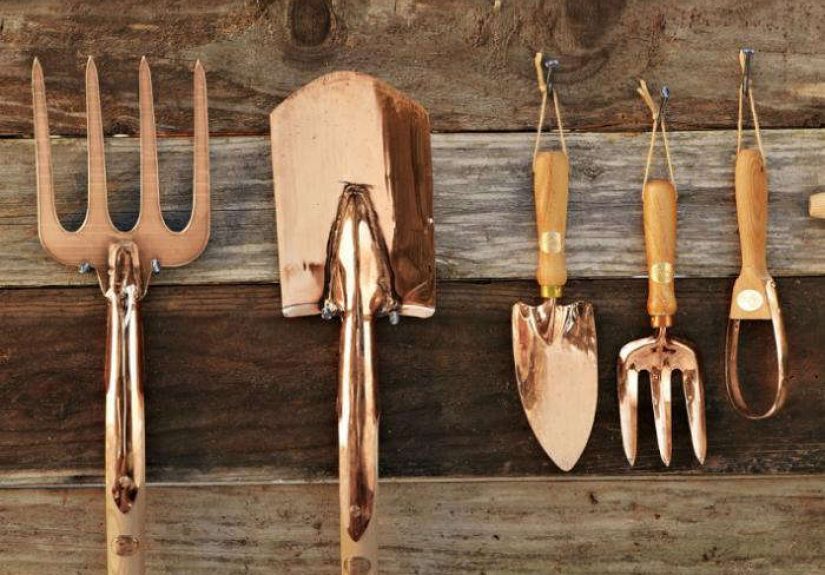
The idea has real roots. More than a decade ago, a spring giveaway from the Remodelista and Gardenista orbit invited gardeners to tweet about their favorite garden chores and must-have tools using #gardenchores. The concept was simple and brilliant: celebrate the work, not just the flowers. It treated weeding, trimming, and digging as something worth talking about rather than something to hide behind a glossy “before and after.” That still feels fresh today.
And now is a perfect time to revive it. Gardening remains one of America’s biggest leisure activities, younger gardeners continue to expand their interest in edible growing and outdoor spaces, and social platforms still love content that is practical, visual, and just a little obsessive. A trending #GardenChores campaign could be part challenge, part education, part bragging rights, and part group therapy for everyone who has ever discovered three wheelbarrows of weeds where there was supposedly only “light maintenance.”
The Original Appeal of #GardenChores
What made the original idea so memorable was not the giveaway itself, though a handsome hand trowel never hurts. It was the framing. Garden chores are usually treated as the vegetables of home life: good for you, necessary, and less exciting than dessert. But gardening veterans know the truth. Chores are where the satisfaction lives.
Pulling weeds after rain is weirdly therapeutic. Spreading mulch makes a bed look instantly finished. Pruning a wayward shrub can feel like giving a bad haircut and somehow fixing your own mood at the same time. Composting turns scraps into future success, which is basically alchemy with a yard waste bin. Chores are not the punishment before the pretty part. They are the pretty part, just in work boots.
That is why Tweet To Win: Let’s Get #GardenChores Trending works as a headline and as a broader content idea. It takes ordinary, recurring outdoor tasks and turns them into moments of identity. People are not just watering basil. They are participating in spring. They are not just sharpening pruners. They are entering their “competent backyard adult” era.
Why Garden Chores Are Perfect Social Content
They are visual without being fussy
Garden chores offer instant proof of progress. A freshly mulched border, a cleaned-up raised bed, a bucket of weeds, neatly stacked seed packets, sharpened pruners, or a compost tumbler finally doing its job all make satisfying images. You do not need a full English garden or a landscape architect on speed dial. Even a balcony herb box can deliver content with personality.
They invite real conversation
People love comparing methods. Do you leave leaves in place for pollinators or tidy up early? Do you swear by hand weeding or a stirrup hoe? Are you loyal to shredded bark, leaf mold, pine straw, or whatever free mulch your neighborhood tree crew dropped off like a benevolent wood-chip fairy? The best hashtags work because they spark opinions, not because they demand perfection.
They make expertise feel accessible
One of the most useful things about a chore-driven gardening trend is that it turns expert advice into something ordinary people can actually do. “Plant a pollinator garden” can feel big. “Leave some stems standing, add herbs that flower, and go easy on pesticides” feels doable. “Improve your soil” sounds abstract. “Take a soil test, add compost, and stop guessing with fertilizer” sounds like a plan.
The Chores Actually Worth Posting About
1. Soil testing and compost: the unglamorous power couple
If gardening had a backstage crew, soil would be the lighting technician, stage manager, and accountant. Everything depends on it, and yet it rarely gets applause. Extension guidance across the U.S. consistently recommends testing soil before throwing fertilizer around like confetti. A soil test tells you what is actually needed, which is far better than guessing and hoping your hydrangea interprets optimism as nutrition.
Compost belongs in the same conversation. It improves soil structure, adds organic matter, helps with water retention, and gives plants a better foundation overall. In other words, compost is not just garden recycling. It is performance enhancement for your beds, only legal and encouraged.
A great #GardenChores post here is not flashy. It might simply show a soil test kit, a shovel, a compost pile, and the caption: “Doing less guessing, more gardening.”
2. Mulching correctly, not dramatically
Mulch is one of the smartest chores in the yard because it does several jobs at once: it helps conserve moisture, suppress weeds, moderate soil temperature, and reduce soil splash that can spread disease. But there is one classic mistake that deserves public shaming in a very polite tone: mulch volcanoes.
Piling mulch directly against tree trunks may look neat for about six minutes, but it is bad for the tree. Proper mulch should be spread evenly and kept away from the trunk or crown. Think donut, not volcano. Gardens do not need theatrical landscaping. They need roots that can breathe.
If you want a post that performs well, show the wrong way and the right way. People love a transformation, and they especially love correcting a horticultural crime scene.
3. Watering deeply instead of panic-sprinkling
Many gardeners do not actually water their plants. They emotionally mist the top inch of soil and call it support. Effective watering is slower and deeper. It encourages stronger roots and better drought tolerance. Morning is usually the best time, especially when foliage is getting wet, because plants can dry off during the day and are less likely to invite fungal problems to the party.
Mulch helps here too, which is another reason it is the overachiever of the garden world. Combine deep watering with mulch, and suddenly your plants are not living from one emergency sip to the next.
4. Pruning on schedule, not on impulse
Pruning is one of those chores that makes people feel brave right before it makes them feel regret. Timing matters. Not every shrub wants the same treatment, and random snipping can remove flower buds or push tender new growth at the wrong time. Some shrubs should wait until after they bloom. Fruit trees and dormant-season tasks have their own timing. The moral of the story is simple: pruning is not revenge. It is strategy.
A smart social post does not need to be complicated. It can be a short note like: “Today’s chore: pruning what needs pruning, ignoring what only needs me to back away slowly.”
5. Pollinator-friendly cleanup and lighter-touch pest control
Here is where modern gardening gets more thoughtful. A tidy garden is satisfying, but a completely stripped and sterilized one is not always helpful to beneficial insects. Many gardeners are now balancing cleanup with habitat. Leaving some stems, reducing disturbance, planting a diversity of flowers through the seasons, and including native plants or flowering herbs can all support pollinators.
That matters because pollinators help support crops people actually care about eating, from apples and blueberries to peppers, pumpkins, and tomatoes. This is also where integrated pest management earns its practical reputation. Instead of reaching for chemicals first, gardeners can monitor problems, identify the real pest, improve plant health, and use targeted solutions only when needed. It is less dramatic than total garden warfare, but much smarter.
How to Make #GardenChores Trend in 2026, Not Just Sound Cute
Give the hashtag a mission
A good trend needs more than vibes. The strongest version of #GardenChores would invite people to share one useful task, one favorite tool, and one lesson learned. That structure creates content with actual value. It also keeps the hashtag from becoming a random pile of flower selfies pretending to be productivity.
Make regional gardening part of the fun
Garden chores in Arizona do not look like garden chores in Pennsylvania, and that is part of the appeal. One person is managing irrigation and mulch for water conservation. Another is waiting for soil to warm. Someone else is doing storm cleanup, staking peas, or trying to outsmart squirrels with the confidence of a person who has clearly never met a squirrel. Regional differences make the hashtag richer, not messier.
Reward honesty, not perfection
The best garden content has a little dirt under its nails. Let people post the half-finished bed, the bent tomato cage, the wheelbarrow tire that gave up at the worst possible moment, and the “before” photo that looks like nature won an argument. Gardening becomes more inviting when it stops pretending to be staged.
Use tool talk as a hook
The old giveaway used hand tools, and that still works because gardeners love gear. Ask people for their must-have weeder, favorite pruners, most indestructible trowel, or the one bucket they refuse to throw out because it has seen things. Tools are the gateway drug of garden conversation.
Why Brands, Garden Centers, and Creators Should Care
This is not just a cute internet idea. It is a smart content framework. For brands, #GardenChores connects products to real use. For garden centers, it turns seasonal advice into conversation starters. For creators, it offers endless practical content without requiring a sprawling dream landscape.
Better yet, chore-based content builds trust. Anyone can post a peony in full bloom. Posting your soil prep, mulch method, watering routine, pest-monitoring notes, or cleanup strategy shows experience. It says, “I know what happens before the pretty picture.” That is the kind of credibility that grows an audience and helps beginners stick with gardening long enough to get good at it.
The Real Secret: Chores Are the Culture
Gardening culture is often sold through peak moments: the first rose, the ripe tomato, the perfect patio dinner, the cinematic basket of dahlias that makes everyone want to change their life. But those moments are built on chores. Repetitive, useful, mildly sweaty chores.
That is why Tweet To Win: Let’s Get #GardenChores Trending still feels like such a sharp idea. It recognizes that the routine work is not separate from the romance of gardening. It is the romance. The little acts of maintenance are what turn a patch of dirt into a place with memory, rhythm, and personality.
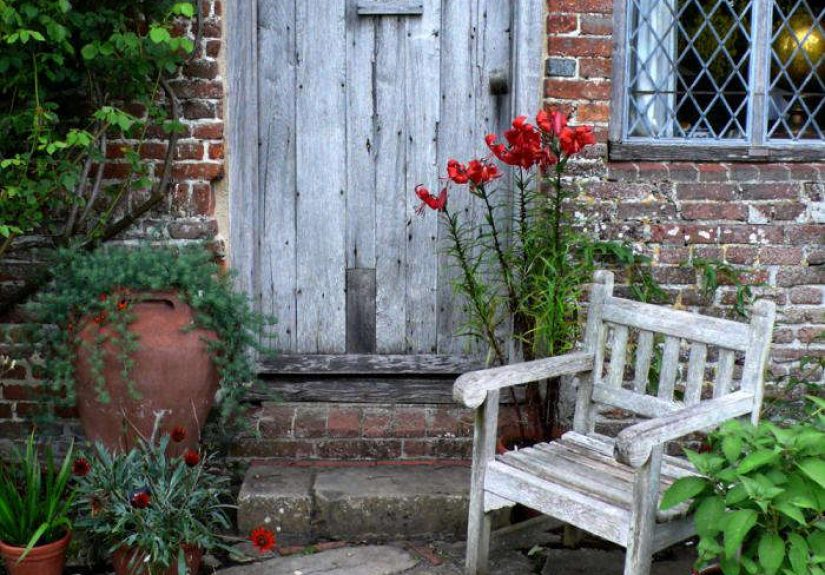
So yes, post the blooms. Post the harvest basket. Post the bench under the climbing roses if you must. But also post the weeding bucket, the compost fork, the repaired hose, the properly spread mulch, and the triumphant caption that says the boring work got done. Because that is the part beginners need to see, and that is the part experienced gardeners secretly love most.
Experiences from the #GardenChores Life
There is a particular feeling that comes with finishing a garden chore that no indoor task can quite match. Vacuuming the living room feels responsible. Cleaning out a flower bed feels heroic. The difference may be sunlight, birdsong, or the fact that the garden immediately reveals whether your effort mattered. Pull a week’s worth of weeds and the border looks like it has been to therapy. Add compost and mulch, and suddenly the whole bed carries itself differently, like it got a promotion.
One of the most relatable experiences in any garden is the “accidental marathon.” You head outside planning to deadhead a few flowers. Then you notice one wilted leaf on a pepper plant. That leads to checking soil moisture. That leads to dragging out the hose. That leads to realizing the mulch is thin near the tomatoes. That leads to a wheelbarrow trip. Somewhere in the middle, you have a philosophical breakthrough while untangling drip irrigation, and by the time you come inside you look like someone who has been in a respectful disagreement with the earth.
Then there is the emotional roller coaster of weeding. At the start, you feel mildly resentful. Ten minutes in, you begin to enjoy the rhythm. Twenty minutes later, you are fully invested and judging every intruder in the bed with the confidence of a tiny land manager. By the end, you are standing over a pile of pulled weeds like a conqueror who would also really appreciate a glass of lemonade.
Watering has its own strange intimacy. You start to notice which containers dry out first, which corner stays cooler, which plant wilts dramatically just for attention, and which one acts tough until it is nearly too late. Gardeners often say they learn by observing, and watering is where that observation becomes second nature. You stop seeing “the yard” and start seeing individuals with preferences, habits, and occasional diva behavior.
Pruning, meanwhile, is the chore that teaches courage. The first cut always feels risky. The fifth feels informed. By the tenth, you begin to understand shape, airflow, and restraint. Done well, pruning feels less like cutting something back and more like helping it become what it was trying to be all along. Done badly, of course, it becomes a very educational memory.
Perhaps the best experience tied to #GardenChores is the way chores create stories. Every gardener has one. The day the soil was perfect. The year the zucchini got ambitious. The time a “quick cleanup” uncovered a forgotten row of bulbs. The moment a child, neighbor, or reluctant spouse got pulled into the task and ended up strangely delighted by it. Chores are where gardening stops being a static hobby and becomes a lived practice. They are repetitive, yes, but never exactly the same. Weather changes. Plants respond. Skills improve. What was once confusing becomes familiar.
That is why posting chores online can be more compelling than posting finished gardens. A finished garden says, “Look at this.” A chore says, “Come do this with me.” It invites participation. It lowers the bar. It makes gardening look less like a talent contest and more like a habit people can build one weekend at a time. And honestly, that may be the most shareable gardening message of all.
Conclusion
If social media is going to obsess over anything this spring, it might as well be something useful. #GardenChores has the bones of a great trend: it is practical, visual, seasonal, educational, and funny without trying too hard. It celebrates the real work behind healthy gardens, smarter soil, stronger plants, cleaner beds, better pollinator support, and fewer rookie mistakes involving overwatering and mulch piled like a volcano around a maple tree.
So bring back the challenge. Share the trowel. Show the wheelbarrow. Confess your favorite chore. Post the task that makes you feel competent, calm, or just pleasantly tired. A garden is built in moments like these, and a trend worth following should honor the work that makes the beauty possible.