Table of Contents >> Show >> Hide
- What a Fever Really Means
- Tips for How to Break a Fever Safely
- 1. Drink Fluids Like It Is Your Job
- 2. Rest, Even if You Insist You Are “Totally Fine”
- 3. Dress Lightly, Not Like a Baked Potato
- 4. Use Lukewarm Cooling, Not Ice-Cold Drama
- 5. Use Fever Medicine for Comfort, Not as a Magic Trick
- 6. Eat Light if You Feel Like Eating
- 7. Watch the Pattern, Not Just One Temperature Reading
- Common Mistakes People Make When Trying to Break a Fever
- When to Call a Doctor or Get Urgent Medical Help
- How to Break a Fever in Children Versus Adults
- If the Fever Comes With a Cold, Flu, or Other Respiratory Virus
- Real-World Experiences: What People Often Learn the Hard Way About Fever Care
- Conclusion
- SEO Tags
When a fever shows up, it has a special talent for making otherwise reasonable people do unreasonable things. One minute you are calmly sipping tea, and the next you are wondering whether you need three blankets, an ice bath, and a dramatic goodbye message to your group chat. The good news is that most fevers do not require a Hollywood-level response. What they do require is calm, smart care.
If you are looking for practical tips for how to break a fever, the goal is not to “defeat” your body like it is the villain in an action movie. A fever is often part of your immune system’s response to an infection. In many cases, your job is to stay comfortable, prevent dehydration, avoid common mistakes, and know when it is time to call a doctor. That balance matters, because chasing a perfectly normal temperature at all costs can sometimes cause more trouble than the fever itself.
This guide walks through how to reduce a fever safely at home, what not to do, when fever reducers make sense, and when a fever becomes a sign that you should stop Googling and start getting medical advice. Whether the fever belongs to you, your child, or the world’s crankiest toddler, these tips can help you respond with less panic and more common sense.
What a Fever Really Means
A fever is generally a temporary rise in body temperature, usually because your body is responding to an infection. In other words, fever is a symptom, not a stand-alone disease. It can show up with the flu, colds, strep throat, ear infections, stomach bugs, COVID-like respiratory illnesses, and plenty of other conditions. Sometimes it appears after vaccines. Sometimes it comes with chills, body aches, sweating, fatigue, or a headache. Sometimes it just makes you feel like a slightly haunted radiator.
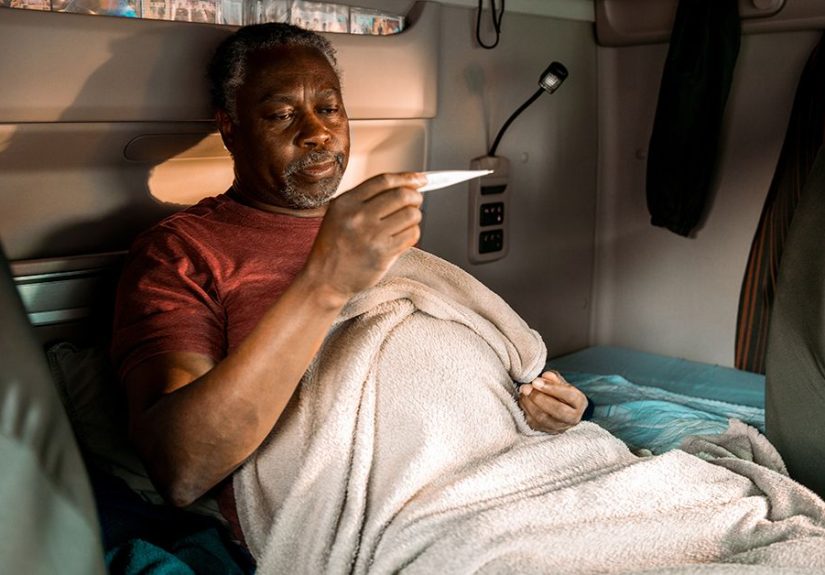
That is why one of the best tips for how to break a fever is also the simplest: do not look at the thermometer number in isolation. Pay attention to the full picture. How do you feel? Are you drinking fluids? Are you alert? Is breathing normal? Is the fever improving, staying the same, or getting worse? Those details matter more than turning a mild fever into an all-night science project.
Also important: not every fever has to be treated immediately. If the person is comfortable, drinking well, and otherwise doing okay, you may not need to aggressively lower it. Many people treat fever because of discomfort, not because every elevated temperature is dangerous by itself.
Tips for How to Break a Fever Safely
1. Drink Fluids Like It Is Your Job
Fever can make you lose more fluid than usual, especially if you are sweating, breathing faster, vomiting, or dealing with diarrhea too. That is why hydration is at the top of nearly every sensible fever-care list. Water is great, but it is not the only option. Broth, ice pops, oral rehydration solutions, diluted juice, and warm tea can all help. For kids, small frequent sips often work better than demanding they finish a giant cup in one heroic effort.
If the mouth is dry, urine is getting darker, tears are missing, or bathroom trips are dropping off, dehydration may be creeping in. Fever loves to bring dehydration along as an uninvited plus-one, so fluids deserve serious attention.
2. Rest, Even if You Insist You Are “Totally Fine”
One of the most underrated fever remedies is plain old rest. Your body is using extra energy to fight whatever is going on, and pushing through work, workouts, chores, or late-night scrolling does not usually help. Rest gives your immune system room to do its job without also forcing your body to pretend it feels normal.
This does not mean you have to lie perfectly still and stare at the ceiling like a Victorian patient. It means pulling back. Nap if you can. Cancel what can be canceled. Let the laundry wait. The socks will survive.
3. Dress Lightly, Not Like a Baked Potato
When you feel chilled, it is tempting to pile on heavy pajamas, thick blankets, and the emotional support comforter. But overheating can make you more uncomfortable. Wear lightweight clothing and use a light blanket if you are shivering. The goal is comfort, not turning yourself into a human casserole.
If chills pass and you start sweating, remove extra layers. Fever care is less about winning and more about adjusting.
4. Use Lukewarm Cooling, Not Ice-Cold Drama
If you want physical ways to cool down, keep them gentle. A lukewarm bath, a lukewarm sponge bath, or a cool damp washcloth can help you feel better. Go easy. Ice baths, freezing showers, and aggressive cold exposure can trigger shivering, which may make you feel worse and can actually work against comfort.
Also skip rubbing alcohol. It is not a clever fever hack. It is a bad idea. Safe cooling is mild, not extreme.
5. Use Fever Medicine for Comfort, Not as a Magic Trick
Acetaminophen and ibuprofen are commonly used to reduce fever and help with aches. They can be helpful when a person is miserable, has a higher fever, or cannot rest because of discomfort. But they are not required for every fever, and they do not cure the underlying infection. Think of them as comfort tools, not miracle workers.
Always follow the label directions. For children, dosing should be based on weight and age, and caregivers should read labels carefully to avoid accidental double-dosing, especially if cold or flu products are also being used. Aspirin should not be given to children or teenagers with fever unless a healthcare professional specifically instructs otherwise.
If you are taking other medicines, have liver disease, kidney disease, stomach ulcers, are pregnant, or have a medical condition that affects what you can safely take, check with a healthcare professional before using over-the-counter fever reducers. Smart beats casual here.
6. Eat Light if You Feel Like Eating
You do not have to force a full meal when a fever wipes out your appetite. Light foods are often easier to tolerate. Think soup, toast, crackers, oatmeal, applesauce, yogurt, rice, or bananas. The body’s main priorities during a fever are fluids, rest, and recovery. If appetite is low for a short time, that is usually less important than staying hydrated.
If the fever comes with nausea or a sore throat, softer foods and cold options like smoothies or popsicles may feel better than hot, greasy, or spicy meals. This is not the day to test your relationship with extra-hot wings.
7. Watch the Pattern, Not Just One Temperature Reading
Temperatures can change during the day and may rise in the evening. A fever may also come down after medication and return when the medication wears off. That does not automatically mean something terrible is happening. What matters is the trend and the overall symptoms.
It helps to keep simple notes: when the fever started, the highest reading, what medicine was given, whether fluids are staying down, and whether new symptoms have appeared. That information is useful if you end up calling a doctor, and it also keeps you from relying on vague memory during a tired, slightly sweaty night.
Common Mistakes People Make When Trying to Break a Fever
- Using ice baths or freezing showers: These can trigger chills and make the person feel worse.
- Bundling up too much: Extra heat can increase discomfort.
- Taking too many medicines at once: Double-check ingredients, especially in multi-symptom cold and flu products.
- Giving aspirin to children: This is a serious safety issue.
- Ignoring hydration: People often focus on the thermometer and forget the water bottle.
- Panicking over every number: The person’s behavior, breathing, and hydration often matter more than the number alone.
- Assuming all fevers should be “broken” immediately: Sometimes comfort care and observation are enough.
When to Call a Doctor or Get Urgent Medical Help
Home care is often enough, but there are times when a fever should not be handled casually. Seek medical care right away for any infant under 3 months old with a fever. That age group gets special treatment because even a modest fever can be a sign of something serious.
Children of any age may need prompt care if the fever is very high, lasts more than a few days, or comes with red-flag symptoms such as trouble breathing, severe sleepiness, a seizure, a stiff neck, unusual rash, poor drinking, very little urination, or signs of dehydration. Adults should also get medical advice for very high fever, fever that does not improve, or fever with confusion, chest pain, stiff neck, persistent vomiting, trouble breathing, or worsening weakness.
One more important note: if fever shows up after recent travel, especially to areas where mosquito-borne illnesses are common, or if it is paired with unusual bleeding, severe abdominal pain, or significant rash, do not just treat it as “probably a random bug.” Get evaluated.
How to Break a Fever in Children Versus Adults
The basic principles are similar for both: fluids, rest, light clothing, safe cooling, and the careful use of fever reducers when needed. But children are not just tiny dramatic adults. They can dehydrate faster, may not explain how they feel clearly, and dosing mistakes happen more easily.
For children, use a reliable thermometer, follow age- and weight-based medicine directions exactly, and call a pediatrician if you are unsure. Do not use adult medication assumptions for kids. And do not be surprised if a child with a fever still wants to argue about cartoons. Activity level helps, but it is not the only factor.
Adults usually have a bit more room for self-monitoring, but the same rules apply: avoid overmedicating, stay hydrated, and pay attention to the whole symptom picture. If an adult fever is paired with confusion, severe dehydration, breathing trouble, or symptoms that rapidly worsen, it stops being a home-care question.
If the Fever Comes With a Cold, Flu, or Other Respiratory Virus
Many fevers are tied to respiratory infections. In those cases, home care often includes fluids, rest, and over-the-counter medicine for comfort. But it is also smart to think about spreading illness to others. If you have a fever with viral symptoms, staying home is usually the polite and medically sensible move.
In general, it is wise to return to normal activities only after the fever has been gone for at least 24 hours without using fever-reducing medication and when symptoms are improving. That protects both your body and everyone else who would rather not receive your germs as a surprise gift.
Real-World Experiences: What People Often Learn the Hard Way About Fever Care
In real life, fever rarely happens at a convenient time. It shows up before an important meeting, the night before a flight, or at 2:13 a.m. when every pharmacy is closed and every symptom suddenly seems ten times more dramatic. That is why practical experience matters so much. People often remember the same lessons after dealing with fever at home a few times.
One common experience is realizing that discomfort and danger are not always the same thing. Many adults feel awful with a moderate fever and assume the number must be dangerously high. Then they check the thermometer and discover the real problem is that they are achy, dehydrated, exhausted, and slightly offended by their own body. Once they drink fluids, take an appropriate fever reducer, and rest, they often feel much better even if the temperature does not instantly drop to normal.
Parents often describe a similar learning curve with children. The first fever can feel terrifying. Every flushed cheek looks alarming. Every nap looks suspicious. But over time, many caregivers learn to look at the child, not just the thermometer. Is the child drinking? Breathing comfortably? Waking up? Making eye contact? Still protesting bedtime with their usual passion? Those clues matter. Parents also learn that fevers tend to rise at night, which is rude but common, and that medicine may help comfort without making the fever vanish completely.
Another real-world lesson is that overdoing treatment can backfire. People often think more is better, so they crank the fan, add ice packs, layer medicines without checking labels, or bundle up during chills until the room feels like a sauna. Then they discover the person feels worse, not better. Experience teaches moderation: lukewarm, not freezing; light blanket, not five; read the medication label, do not freestyle it like a cooking recipe.
Many people also learn how quickly dehydration sneaks in. Someone with fever may not feel thirsty, but after several hours of sweating, mouth breathing, or sleeping, they suddenly feel weak and dizzy. Caregivers who have been through this often become fluid evangelists. Water, broth, ice pops, electrolyte drinks, tiny frequent sips for kids, whatever works. The humble cup of fluid turns out to be one of the least glamorous and most useful tools in the house.
Then there is the lesson about timing. Fevers often improve in waves, not in a neat straight line. A person may seem better in the morning, worse in the evening, and sweaty-but-hopeful by bedtime. That pattern can be unsettling if you expect instant recovery. People who have dealt with fever before often become better at watching trends instead of reacting to every bump in temperature like it is breaking news.
Finally, experience teaches respect for red flags. Most fevers can be managed at home, but the people who have had to make an urgent care visit usually remember the warning signs forever: trouble breathing, confusion, no wet diapers, no tears, severe lethargy, seizure, stiff neck, fever in a very young infant, or a child who just does not look right. Those moments teach an important truth: good home care is not about stubbornly treating everything at home. It is about knowing when home care is enough and when it absolutely is not.
Conclusion
The best tips for how to break a fever are not flashy. They are steady, practical, and safe: drink plenty of fluids, rest, dress lightly, cool the body gently, use fever reducers carefully when needed, and watch for dehydration or serious symptoms. Most of the time, fever care is about helping the body through an illness rather than fighting the number on the thermometer like it insulted your family. Stay calm, stay observant, and let common sense lead the way. If the symptoms are severe, the person is very young, or something feels off in a big way, call a healthcare professional. Fever may be common, but smart fever care still matters.