Table of Contents >> Show >> Hide
- What Is Shingles?
- What Is Crohn's Disease?
- Why Crohn's Disease May Increase Shingles Risk
- Does Everyone With Crohn's Disease Need to Worry About Shingles?
- Shingles Warning Signs People With Crohn's Should Not Ignore
- Can Shingles Trigger a Crohn's Flare?
- How Shingrix Fits Into Crohn's Disease Care
- Prevention Tips Beyond Vaccination
- Treatment: What Happens If You Get Shingles With Crohn's?
- Real-World Experiences: Living With Crohn's and Shingles Risk
- Conclusion
Crohn’s disease and shingles may seem like two completely different health problems. One lives mostly in the digestive tract, causing abdominal pain, diarrhea, fatigue, weight loss, and inflammation that behaves like it missed the memo on “calm down.” The other shows up as a painful, blistering rash caused by the varicella-zoster virus, the same virus behind chickenpox. Yet these two conditions are more connected than many people realize.
The link comes down to the immune system. Crohn’s disease is an inflammatory bowel disease, or IBD, in which the immune system reacts abnormally and drives chronic inflammation in the gastrointestinal tract. Shingles, also called herpes zoster, happens when the varicella-zoster virus reactivates after lying dormant in nerve tissue for years. A healthy immune system usually keeps that virus quiet. But when immunity is weakened by chronic disease, stress, age, or immune-suppressing medications, the virus may wake up like a cranky roommate who heard someone open chips at midnight.
For people living with Crohn’s disease, shingles risk deserves attention because many Crohn’s treatments intentionally reduce immune activity. That can be excellent for calming intestinal inflammation, but it may also lower the body’s ability to keep certain infections under control. The goal is not to fear Crohn’s medications. The goal is to understand the risk, recognize symptoms early, and talk with a healthcare provider about prevention, including the recombinant shingles vaccine known as Shingrix.
What Is Shingles?
Shingles is a viral infection caused by reactivation of the varicella-zoster virus. After a person has chickenpox, the virus does not fully leave the body. Instead, it becomes inactive and hides in nerve tissue. Years or decades later, it can reactivate and travel along a nerve to the skin, causing pain, tingling, burning, itching, and a blistering rash.
The rash often appears in a stripe or band on one side of the body, commonly around the torso, chest, back, face, or neck. Before the rash appears, some people feel pain or sensitivity in the area. This early phase can be confusing. It may feel like a pulled muscle, a sunburn without the beach day, or a mysterious “why is my shirt attacking me?” sensation.
Common shingles symptoms
- Pain, burning, tingling, or itching in one area of skin
- A red rash that usually appears on one side of the body
- Fluid-filled blisters that crust over
- Fever, chills, headache, or fatigue
- Sensitivity to touch
One of the most important shingles complications is postherpetic neuralgia, a type of nerve pain that can continue after the rash heals. Shingles near the eye requires urgent medical care because it can threaten vision. For people with weakened immune systems, shingles may be more severe or spread beyond the typical localized rash.
What Is Crohn’s Disease?
Crohn’s disease is a chronic inflammatory bowel disease that can affect any part of the digestive tract, from the mouth to the anus, although it often involves the small intestine and the beginning of the large intestine. Symptoms vary widely. Some people have mild, occasional discomfort, while others experience intense flares that interrupt work, school, sleep, meals, and social plans.
Common Crohn’s disease symptoms
- Persistent diarrhea
- Abdominal pain or cramping
- Fatigue
- Unintentional weight loss
- Reduced appetite
- Blood in the stool
- Fever during flares
- Mouth sores or other symptoms outside the gut
Crohn’s disease is not simply a “stomach problem.” It is an immune-mediated condition. Genetics, the gut microbiome, environmental triggers, and abnormal immune responses all appear to play roles. Because the immune system is involved, many Crohn’s medications work by reducing or redirecting immune activity.
Why Crohn’s Disease May Increase Shingles Risk
The connection between Crohn’s disease and shingles has two main parts: the disease itself and the medications used to treat it. Crohn’s disease involves immune system dysregulation, and that alone may affect infection risk. On top of that, many people with moderate to severe Crohn’s disease need treatments that suppress parts of the immune response. These treatments can be life-changing for Crohn’s symptoms, but they may also raise the chance that varicella-zoster virus reactivates.
1. Immune dysregulation can make viral control harder
The immune system is supposed to act like a well-trained security team: alert, precise, and not tackling random guests at the snack table. In Crohn’s disease, that system can become overactive in the gut while still being less efficient in other ways. Chronic inflammation can place stress on the body, and immune imbalance may make it harder to keep dormant viruses fully controlled.
2. Corticosteroids may raise infection risk
Corticosteroids such as prednisone are often used for short-term control of Crohn’s flares. They can be very effective at reducing inflammation quickly. However, steroids broadly suppress immune activity, especially when used at higher doses or for longer periods. That is one reason healthcare providers try to avoid long-term steroid dependence and move patients toward safer maintenance strategies when possible.
3. Immunomodulators and biologics can affect shingles risk
Medications such as azathioprine, 6-mercaptopurine, methotrexate, anti-TNF biologics, and other immune-modifying treatments can help control Crohn’s disease by reducing inflammatory signaling. These medicines are important tools, not villains. Still, because they affect immune function, they can influence the risk of infections, including shingles.
4. JAK inhibitors deserve special attention
Some newer immune-targeting medications, including Janus kinase inhibitors, have been associated with an increased risk of herpes zoster in immune-mediated diseases. These drugs can be appropriate for selected patients, but shingles vaccination and infection-risk planning are especially important topics before and during treatment.
Does Everyone With Crohn’s Disease Need to Worry About Shingles?
Not everyone with Crohn’s disease has the same shingles risk. Risk depends on age, medication history, immune status, prior chickenpox exposure, vaccination history, disease severity, and other health conditions. A 22-year-old with mild Crohn’s disease who is not taking immune-suppressing medication may have a different risk profile from a 58-year-old on combination immunosuppressive therapy.
Still, shingles is worth discussing with a gastroenterologist or primary care provider because prevention is often easier than treatment. This is especially true before starting medications that suppress immunity. Vaccines tend to work best when given before strong immune suppression begins, although the recombinant shingles vaccine can also be used in many immunocompromised adults.
Shingles Warning Signs People With Crohn’s Should Not Ignore
People with Crohn’s disease already deal with symptoms that can come and go, so it may be tempting to dismiss new pain or fatigue as “just another weird body notification.” But shingles has clues that make it different.
Call a healthcare provider promptly if you notice:
- Burning, tingling, or stabbing pain on one side of the body
- A new rash with blisters
- Painful skin sensitivity before a rash appears
- Rash near the eye, forehead, or nose
- Rash that spreads widely
- Fever or severe fatigue with a rash
- Symptoms while taking steroids, biologics, immunomodulators, or JAK inhibitors
Early treatment matters. Antiviral medications may reduce the severity and duration of shingles, especially when started soon after symptoms begin. If the rash is near the eye, urgent care is essential because eye involvement can lead to serious complications.
Can Shingles Trigger a Crohn’s Flare?
Any significant infection can stress the body, and stress on the body can sometimes coincide with worsening Crohn’s symptoms. Shingles itself does not “cause” Crohn’s disease, but the pain, inflammation, poor sleep, reduced appetite, and immune activation that come with shingles may make Crohn’s management more complicated for a while.
There is also the practical issue of medication timing. If a person develops shingles while on immune-suppressing therapy, the healthcare team may need to evaluate whether to pause, adjust, or continue certain medications. This decision should be individualized. Stopping Crohn’s treatment suddenly can be risky, and pushing through an active infection without medical guidance can also be risky. In other words, this is not the moment for freestyle medicine.
How Shingrix Fits Into Crohn’s Disease Care
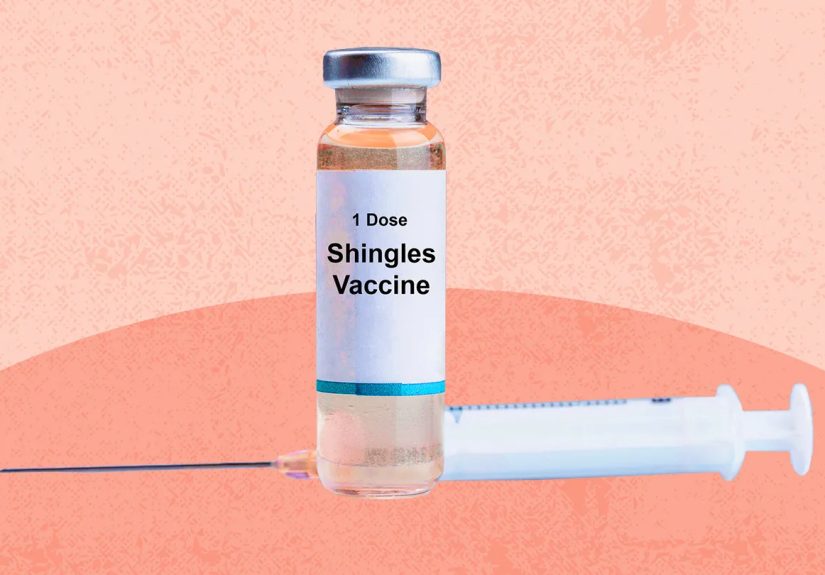
Shingrix is a recombinant, non-live shingles vaccine. That matters because live vaccines can be unsafe for some people taking immune-suppressing medications. Shingrix is designed to help the immune system build protection against shingles and its complications.
In the United States, shingles vaccination is generally recommended for adults age 50 and older and for adults age 19 and older who are or will be immunocompromised because of disease or therapy. Many IBD health maintenance recommendations also support recombinant zoster vaccination for adults with IBD, especially those receiving immune-modifying treatment.
What to ask your doctor about Shingrix
- Should I get Shingrix based on my Crohn’s medications and age?
- Is now a good time, or should vaccination be timed around a medication dose?
- Should I complete vaccination before starting a new biologic, steroid course, or JAK inhibitor?
- What side effects should I expect?
- If I already had shingles, should I still be vaccinated?
Common Shingrix side effects include a sore arm, redness or swelling at the injection site, fatigue, muscle aches, headache, fever, chills, stomach upset, or nausea. These effects usually pass within a few days. Many people describe the shot as “spicy,” which is not a medical term but somehow feels medically accurate.
Prevention Tips Beyond Vaccination
Vaccination is a major prevention tool, but it is not the only part of lowering shingles risk. People with Crohn’s disease can also reduce complications by staying proactive with routine care.
Keep a current medication list
Bring an updated list of medications to every appointment, including steroids, biologics, immunomodulators, small-molecule drugs, supplements, and recent antibiotics. Shingles risk depends partly on medication exposure, dose, and timing.
Review vaccines before changing Crohn’s therapy
Before starting immune-suppressing treatment, ask about recommended vaccines. This can include shingles, influenza, COVID-19, pneumococcal vaccines, hepatitis B, HPV, and others depending on age and risk factors.
Do not ignore unusual nerve pain
Shingles pain can appear before the rash. If you feel one-sided burning, tingling, or stabbing pain, especially while immunosuppressed, contact your clinician. Early treatment may prevent a rough week from turning into a very rude month.
Protect others if you develop shingles
Shingles itself is not spread as shingles, but the virus from shingles blisters can cause chickenpox in someone who has never had chickenpox or the chickenpox vaccine. Keep the rash covered, avoid touching or scratching it, wash hands often, and avoid close contact with high-risk people until the blisters crust over.
Treatment: What Happens If You Get Shingles With Crohn’s?
If shingles develops, a healthcare provider may prescribe antiviral medication such as valacyclovir, acyclovir, or famciclovir. Pain management may also be needed. Depending on severity, immune status, and rash location, treatment may range from outpatient care to urgent evaluation.
People taking Crohn’s medications should not make medication changes without medical advice. A provider may consider the type of Crohn’s medication, the severity of shingles, whether the infection is localized or widespread, and the risk of a Crohn’s flare if therapy is interrupted.
Real-World Experiences: Living With Crohn’s and Shingles Risk
Many people with Crohn’s disease describe health management as a full-time job they never applied for. There are appointments, lab tests, medication schedules, insurance calls, pharmacy delays, food experiments, and the occasional mystery symptom that arrives like an uninvited guest with luggage. Adding shingles risk to the list can feel unfair, but understanding the connection can make it less frightening and more manageable.
One common experience is surprise. A person may start prednisone for a flare and feel better quickly, only to later learn that steroids can increase infection risk. Another patient may begin a biologic and hear the phrase “screening and vaccines” for the first time. That conversation can feel overwhelming. It helps to remember that prevention planning is not a sign that something bad will happen. It is the medical version of carrying an umbrella. You are not summoning rain; you are just refusing to be soaked.
Some patients notice shingles first as pain rather than a rash. They may think they slept wrong, pulled a muscle, or developed a strange skin sensitivity. A shirt brushing against the skin can feel oddly painful. Then the rash appears, and the puzzle pieces snap together. This is why people with Crohn’s disease, especially those on immune-suppressing therapy, benefit from knowing the early warning signs. Quick action can lead to earlier antiviral treatment and closer monitoring.
Another real-world challenge is timing. Someone may be about to start a new Crohn’s medication when their doctor recommends vaccines first. Waiting can be frustrating when Crohn’s symptoms are active. But vaccine timing is often part of building a safer long-term treatment plan. In many cases, the healthcare team weighs urgency: how active the Crohn’s disease is, how soon treatment must begin, and whether vaccination can be completed or started before stronger immune suppression.
There is also the emotional side. People with Crohn’s may already feel cautious about infections, food choices, travel, public bathrooms, and fatigue. Shingles risk can add another layer of anxiety. A helpful approach is to turn vague worry into a checklist: Am I eligible for Shingrix? Have I discussed it with my gastroenterologist? Do I know what shingles symptoms look like? Do I know whom to call if a rash appears? A checklist cannot make Crohn’s disease easy, but it can make the next step clearer.
Support matters too. Family members and friends may not understand why a “skin rash” is a bigger deal for someone taking immune-suppressing medication. Explaining that shingles is a nerve-related viral reactivation, not just a rash, can help. It may also help loved ones understand why prompt medical care, rest, and pain control are important.
The biggest lesson from patient experiences is simple: Crohn’s disease care is not only about the gut. It is whole-body care. Vaccines, skin symptoms, eye symptoms, fatigue, infections, and medication timing all belong in the conversation. The more informed a patient is, the better they can partner with their healthcare team. And in a condition famous for throwing plot twists, having a plan is a quiet kind of power.
Conclusion
The link between Crohn’s disease and shingles is rooted in the immune system. Crohn’s disease involves chronic immune dysregulation, and many effective Crohn’s treatments reduce immune activity to control inflammation. That combination can increase the risk of shingles, especially in people taking corticosteroids, immunomodulators, biologics, or JAK inhibitors.
The good news is that shingles risk can be managed. Recognizing early symptoms, seeking prompt treatment, reviewing medications, and discussing Shingrix vaccination with a healthcare provider can all reduce the chance of serious complications. Crohn’s disease already asks a lot from the body. A smart shingles prevention plan helps make sure the nervous system does not decide to add a surprise side quest.