Table of Contents >> Show >> Hide
- Why “Generation Q” Still Sparks Arguments (In a Fun Way)
- How These Rankings Work (So You Can Yell at Me Fairly)
- Season Rankings: From “Iconic Mess” to “Comfortably Unhinged”
- Character Rankings: The People You’d Follow Into Drama (Or Away From It)
- Storyline Opinions: What Works Best (and What Starts Fights Online)
- Best “Generation Q” Moments to Rewatch (No Deep Spoilers)
- If You’re New: Do You Need to Watch the Original “The L Word” First?
- “Hot Takes” Corner: Rankings You’ll Probably Argue With
- Viewer Experiences: The Fun (and Exhausting) Part of Loving Generation Q
- Conclusion: The Final Ranking Vibe Check
Warning, but make it friendly: This article is spoiler-light (we’ll talk arcs, vibes, and big choices), but if you’re allergic to knowing anything beyond “people in L.A. make messy decisions,” consider bookmarking and returning after your binge. Also, Generation Q is a Showtime-era drama with mature themesso expect adult relationship stuff, not an after-school special.
Why “Generation Q” Still Sparks Arguments (In a Fun Way)
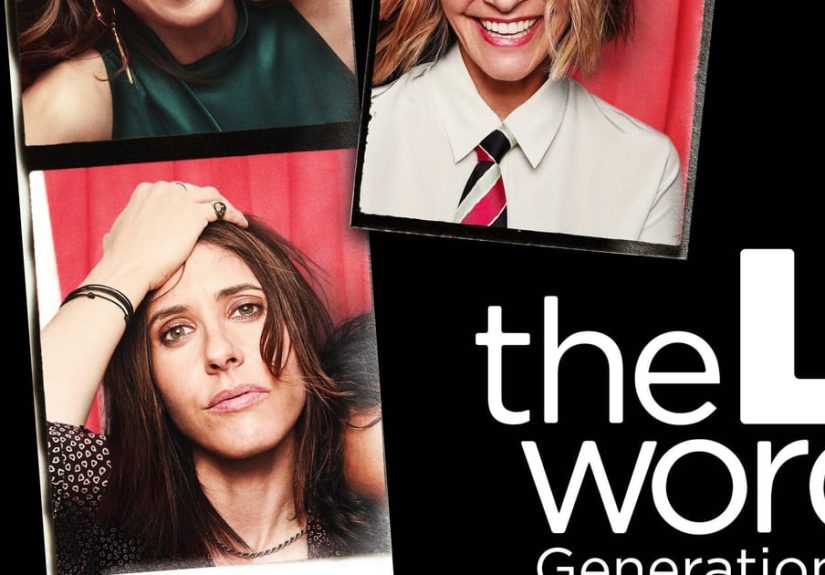
The L Word: Generation Q is the sequel series to the original The L Word, bringing back fan-favorites like Bette, Shane, and Alice, while introducing a newer crew navigating careers, friendship, identity, and romance in modern Los Angeles. It premiered in late 2019, ran three seasons, and thenlike many TV relationshipsended before everyone felt emotionally ready.
And that’s exactly why it’s so rankable. Generation Q is the kind of show where you can love it, critique it, and still hit “Next Episode” like it owes you money. It has heartfelt representation wins, soap-operatic chaos, genuinely funny beats, and occasional “Wait… why would a human do that?” moments. In other words: classic L Word DNA, updated for a different TV landscape.
How These Rankings Work (So You Can Yell at Me Fairly)
Rankings are only fun if the rules are clear. Here’s what I weighed when ranking seasons, characters, and storylines:
- Story momentum: Does the season keep moving, or does it jog in place?
- Character growth: Are people changing, learning, and surprising usor just speed-running the same mistake?
- Emotional payoff: Do the big choices land with satisfying consequences?
- “L Word-ness”: The special blend of glamour, sincerity, and chaos that makes you text a friend, “ARE YOU WATCHING THIS?”
- Rewatch value: Would you revisit it, or just relive it via memes and recaps?
Season Rankings: From “Iconic Mess” to “Comfortably Unhinged”
#3: Season 2 Ambitious, Emotional… and Occasionally Wobbly
Season 2 has real strengths: it leans into therapy, accountability, and the ripple effects of choices. It also deepens several characters and expands the show’s world. But it can feel like it’s juggling a lot of plot balls at onceand sometimes drops one right on your foot.
Why it ranks third: The emotional intent is there, but the pacing can be uneven, and certain story turns feel more like “we needed drama by Sunday” than inevitable character-driven outcomes. Still, it’s meaningful TV at points, especially when it slows down enough to let people actually talk (a bold concept in Los Angeles).
Best reason to watch anyway: Season 2 adds texture to the ensemble and pushes some characters into overdue self-reflection. It’s also where representation and interpersonal dynamics feel more deliberately in conversation with the real worldsometimes messy, sometimes insightful, often both.
#2: Season 1 A Strong Re-Introduction With Classic Showtime Shine
Season 1 does a lot of heavy lifting. It reintroduces legacy characters without making the show feel like a museum tour, and it launches a new friend group with distinct personalities and tensions. It also sets the tone: glossy, funny, dramatic, and not afraid to be a little chaotic.
Why it ranks second: As a “reboot-sequel,” it’s energetic and often charmingespecially when it plays with the contrast between the OG trio’s seasoned confidence and the newer cast’s still-figuring-it-out intensity. Season 1 also feels the most “event TV,” like everyone’s watching at the same time and immediately forming opinions in a group chat.
Best reason to watch: It builds the foundation: friendships, rivalries, careers, and a modern queer L.A. orbit where everyone is at most two degrees away from their ex.
#1: Season 3 The Most Fun (With the Biggest Asterisk)
Season 3 brings an energy that often feels lighter on its feetmore comedic timing, sharper ensemble interplay, and a sense of “let’s make this count.” It also delivers moments of closure and reflection that can feel like the series exhaling after years of emotional sprinting.
Why it ranks first: Pure watchability. Even when the plot gets twisty, Season 3 frequently feels like the cast is locked in, the tone is confident, and the show remembers it’s allowed to be fun. The asterisk is that knowing the series wasn’t continuing can make some arcs feel abruptbut the season still offers some of the most satisfying “classic L Word” beats.
Character Rankings: The People You’d Follow Into Drama (Or Away From It)
Let’s be honest: nobody tunes into Generation Q for calm decision-making. We’re here for characters who make sense emotionallyeven when they don’t make sense strategically.
Top Tier: “Give Them a Spinoff or At Least a Peaceful Weekend”
- Alice Pieszecki The heart-comic engine. Alice is often the show’s best balance of humor and vulnerability: a person who can be charmingly messy and still show up for friends.
- Shane McCutcheon Still magnetic, still complicated, but more grounded than her earlier years. Shane remains the show’s human embodiment of “I can fix her” energyexcept now she’s also trying to fix herself.
- Gigi Ghorbani A fan favorite for a reason: confidence, warmth, and an ability to walk into a room and immediately raise the show’s charisma level by 30%.
- Bette Porter Brilliant, driven, and frequently her own worst enemy. Bette’s storylines often bring big “power + intimacy” questions, and her presence keeps the franchise feeling like itself.
High Tier: “Messy, Human, and Weirdly Relatable”
- Dani Núñez Ambitious, polished, and often carrying the emotional weight of three plotlines at once. Dani’s best moments are when she lets herself be imperfect.
- Tess Van De Berg A steadying force with her own vulnerabilities. Tess brings grown-up stakes and emotional realism to storylines that could otherwise float away on pure drama fumes.
- Angie Porter-Kennard One of the show’s smartest long-game choices. Angie’s coming-of-age storyline adds depth and continuity across seasons.
- Maribel Suarez Adds sharpness, humor, and a specific perspective that broadens the show’s rangeespecially when the writing gives her room to be more than “supporting character who tells it like it is.”
Mid Tier: “I Support Your Growth… From Over There”
- Sophie Suarez Big feelings, complicated choices, and a tendency to learn lessons the hard way. Sophie is compelling because she’s not easily reducible to hero or villain.
- Sarah “Finley” A character built for debate. Finley can be sweet and sincerely trying, and also the cause of at least five different headaches per season. When her arcs lean into accountability and healing, she shines more.
- Micah Lee Important representation and often a calming presence. Micah’s strongest moments are when the show lets him be layered and flawed, not just “the reasonable one.”
- Nat Bailey A catalyst character: she moves stories forward and stirs dynamics, even when viewers disagree with her choices.
Important note: “Lower ranked” doesn’t mean “bad character.” Sometimes it means “the writing didn’t always know what to do with them,” or “their storyline was built to cause chaos,” which is… kind of the franchise’s love language.
Storyline Opinions: What Works Best (and What Starts Fights Online)
The Legacy Trio as a Friendship Anchor
The smartest structural move Generation Q makes is keeping Bette, Alice, and Shane as a gravitational center. Even when their personal plots are divisive, their history gives scenes an immediate subtext. They can exchange a look and communicate an entire decade of backstoryno exposition required.
Modern Queer L.A. Representation: A Big Step Forward
Compared to the original series, Generation Q widened the lens with more explicit attention to diversity in race, gender identity, and disability representation. When the show is at its best, it doesn’t treat representation like a checklistit treats it like a world, with humor, conflict, and ordinary life baked in.
Soap vs. Substance: The Constant Tug-of-War
Some viewers want peak soap: betrayals, sudden kisses, dramatic walkouts, and a soundtrack that basically screams, “Someone is about to make a choice!” Others want deeper character studies and consequences. Generation Q tries to do both. The result is a show that can feel thrillingly unpredictableor occasionally tonally scattereddepending on the episode.
Best “Generation Q” Moments to Rewatch (No Deep Spoilers)
- The pilot’s character introductions: The show does a strong job establishing new dynamics fastcareers, friendships, and romantic tension all dropped into place with confidence.
- Ensemble scenes at Dana’s: Any time the characters share space, the show feels most alive. Group scenes are where the humor and tension play best.
- Season finales: Generation Q understands the sacred art of the finale: give closure to one thing, set fire to another thing, and walk away while viewers scream.
- Moments of earned softness: The show’s quieter scenesapologies, tough conversations, sitting with grief or fearoften land hardest when they’re not immediately followed by a plot grenade.
If You’re New: Do You Need to Watch the Original “The L Word” First?
Not strictly. Generation Q is built to be accessible: it explains enough, and it gives the new cast plenty of runway. That said, if you watch the original first, the legacy arcs hit with extra weight, and you’ll understand why certain characters carry such mythic status in fandom.
If you’re choosing the fastest route: you can watch Generation Q and treat the original as “optional historical documents from the early 2000s,” best consumed with context and occasional laughter at the fashion.
“Hot Takes” Corner: Rankings You’ll Probably Argue With
Hot Take #1: The Show Is Better When It’s Slightly Funny
When Generation Q leans into witespecially in group dynamicsit feels distinct rather than dutiful. The franchise has always had melodrama, but the humor is what makes the melodrama go down like a fancy cocktail instead of cough syrup.
Hot Take #2: The Best Storylines Mix Love With Identity, Work, and Friendship
The show is strongest when romance isn’t the only plot engine. The most satisfying arcs usually braid together relationships, community, ambition, and self-understandingbecause real lives are like that, and also because it gives characters more to do than just stare at their phones dramatically.
Hot Take #3: “Messy” Isn’t a ProblemLack of Payoff Is
Messy choices are the point. The issue is when consequences don’t feel proportional, or when characters don’t get a chance to process what happened. When the show slows down and lets an arc breathe, even the chaos feels meaningful.
Viewer Experiences: The Fun (and Exhausting) Part of Loving Generation Q
Watching The L Word: Generation Q isn’t just “watching a show.” For a lot of viewers, it’s closer to joining a pop-culture group chat where everyone has strong feelings, timestamps, and at least one screenshot saved for future arguments. The experience often starts with nostalgiamaybe you remember the original series as a cultural landmark, or you’ve heard about it like it’s queer TV folklore. Then you press play, and within an episode or two, you’re picking sides in debates you didn’t know existed.
One of the most common viewer experiences is the weekly emotional whiplash: an episode ends, you feel tender and reflective… and then the next episode opens with someone making a decision that could only be explained by “the writers needed to keep the plot moving.” That push-and-pull becomes part of the fun. People don’t only watch to be comforted; they watch to react. It’s the kind of series where you might pause mid-scene to text a friend, “If this goes where I think it’s going, I’m going to need a snack and a moment.”
For many fans, the most rewarding part is representation that feels expansive. Viewers talk about the relief of seeing a wider range of queer identities and life situations on-screennot presented as a lecture, but as people living complicated lives. That matters because it changes how the show lands: it’s not just escapism, it’s recognition. Even when you disagree with a character, you may still feel grateful the character exists.
And then there’s the “ranking culture” around the showbecause Generation Q practically invites it. Fans rank seasons like they’re judging figure skating (“Great performance, odd ending”), rank couples like sports teams, and rank characters based on a mix of charisma, growth, and “how many times did you make me yell at my TV.” Some viewers keep a soft spot for the messiest character because they see sincerity underneath the chaos. Others are loyal to the most competent character because it’s soothing to watch someone act like an adult in a room full of emotional confetti.
There’s also a social ritual to it: watch parties, recap reading, podcast episodes, reaction threads, and the shared language of the fandom. Even if you watch alone, it rarely stays a solo experience. The show’s structurebig emotions, ensemble scenes, cliffhangerscreates natural conversation hooks. You finish an episode with questions, and the internet offers answers, theories, and absolutely unhinged memes within minutes.
Ultimately, the “experience” of Generation Q is a blend of joy and frustration in the most affectionate way: you complain because you care. You rank because you’re invested. You debate because these characters feel like people you knowpeople you might want to hug, shake gently, or ban from making decisions after 10 p.m. That’s the franchise’s weird magic: it turns drama into community, and community into a reason to keep watching.
Conclusion: The Final Ranking Vibe Check
If you want the simplest summary: Season 3 is the most purely entertaining, Season 1 is the strongest “welcome back / meet the new crew” season, and Season 2 is the ambitious middle child with real emotional depth and occasional pacing hiccups. Character-wise, the show thrives when it leans on the legacy trio while letting newer favorites like Gigi, Dani, Tess, Angie, and Maribel feel fully dimensional.
Most importantly: The L Word: Generation Q is built for opinions. If you finished it with strong feelingscongrats. You watched it correctly.