Table of Contents >> Show >> Hide
- What Makes a Good Diabetes-Friendly Snack?
- The 20 Best Snack Ideas If You Have Diabetes
- Apple Slices + 1 Tbsp Peanut Butter
- Baby Carrots + Hummus
- Plain Greek Yogurt + Blueberries + Cinnamon
- Small Handful of Unsalted Nuts (Almonds, Walnuts, Pistachios)
- String Cheese + Whole-Grain Crackers
- Hard-Boiled Egg + Cucumber Slices
- Cottage Cheese + Cherry Tomatoes
- Edamame (Shelled, Lightly Salted)
- Turkey Roll-Ups + Bell Pepper Strips
- 3 Cups Air-Popped Popcorn + Nuts or Seeds
- Celery Sticks + Almond Butter
- Chia Pudding (Unsweetened Base) + Raspberries
- Half Whole-Wheat English Muffin + Avocado
- Tuna Salad (Light Mayo or Greek Yogurt) + Cucumber “Rounds”
- Plain Oatmeal (Small Portion) + Chopped Walnuts
- Roasted Chickpeas
- Ricotta or Cottage Cheese + Sliced Strawberries
- Mini Veggie Plate + Dip
- Unsweetened Greek Yogurt “Parfait” with Berries + Chopped Nuts
- Small Pear + Cheese
- How to Choose the Right Snack for the Moment
- When a “Snack” Is Actually Low Blood Sugar Treatment (Not the Same Thing)
- Make This a Downloadable Guide You’ll Actually Use
- Final Thoughts
- Experience Notes: What Real-Life Diabetes Snacking Actually Feels Like (500+ Words)
- SEO Metadata (JSON)
Let’s be honest: snack time can feel like a tiny game show when you have diabetes. Will this keep me full? Will it spike my blood sugar? Why does the vending machine only believe in crackers and regret? The good news: smart snacking does not mean boring snacking.
This downloadable-style guide gives you 20 diabetes-friendly snack ideas you can rotate through real lifeworkdays, road trips, 3 p.m. slumps, post-walk hunger, and those “I’m not hungry enough for a meal but I am definitely not okay” moments. The goal is simple: choose snacks that combine fiber, protein, and/or healthy fats, while keeping portions and carbs in mind based on your personal plan.
Important: These are general snack ideas for blood sugar management, not a treatment list for low blood sugar (hypoglycemia). If you take insulin or certain diabetes medications, your snack needs may be different. Always follow your clinician or registered dietitian’s advice.
What Makes a Good Diabetes-Friendly Snack?
A helpful rule of thumb: don’t let carbs travel alone. Pair carbohydrate foods with protein, fiber, or healthy fat to help with fullness and steadier blood sugar response. Think of it as giving your snack a responsible roommate.
Build Your Snack with the “Pairing Formula”
- Carb + protein: apple + peanut butter, crackers + cheese
- Carb + fiber + fat: berries + chia + yogurt
- Mostly protein/fiber: eggs, edamame, cottage cheese, veggies + hummus
- Portion-aware carbs: whole fruit, popcorn, whole-grain crackers, plain yogurt
Quick Snack Planning Tips
- Read labels for serving size, total carbs, and added sugars.
- Choose whole fruits more often than juice (fiber helps).
- Prep grab-and-go options in advance so “healthy” wins the race against “whatever is nearest.”
- Use your glucose data (meter/CGM) to learn which snacks work best for your body.
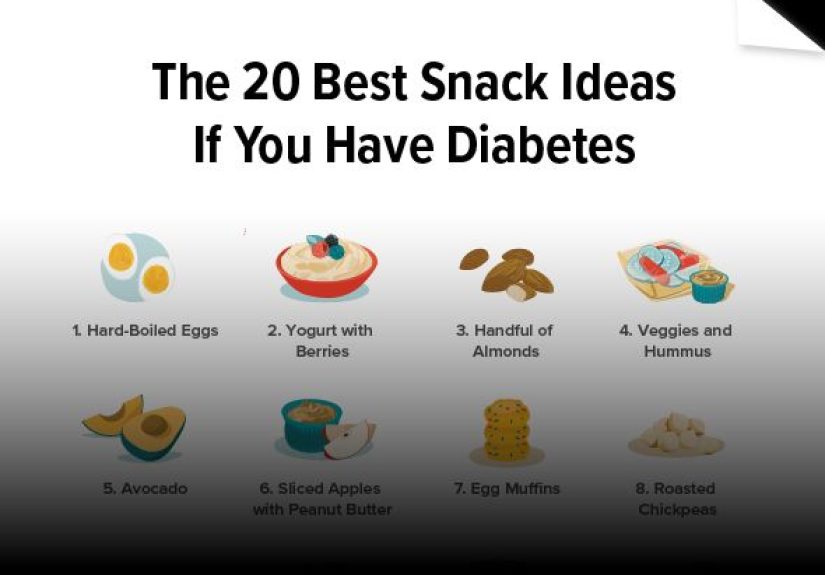
The 20 Best Snack Ideas If You Have Diabetes
The ideas below focus on balance, convenience, and real-world flavor. Portion sizes are examples. Nutrition varies by brand and recipe, so check labels and adjust to your care plan.
-
Apple Slices + 1 Tbsp Peanut Butter
A classic for a reason. The apple provides fiber and carbs; peanut butter adds fat and some protein for staying power. Choose peanut butter with minimal added sugar when possible.
-
Baby Carrots + Hummus
Crunchy, portable, and no cooking required. Non-starchy vegetables plus hummus can be a satisfying combo that does not feel like a punishment snack.
-
Plain Greek Yogurt + Blueberries + Cinnamon
Greek yogurt is protein-rich, and berries bring fiber and flavor. Cinnamon adds sweetness vibes without extra sugar. (Yes, “vibes” counts as a nutrition strategy when it helps you skip sugary toppings.)
-
Small Handful of Unsalted Nuts (Almonds, Walnuts, Pistachios)
Great for hunger control and easy to pack. Nuts are rich in healthy fats and can help make snack time feel substantial. Pre-portion them so a “small handful” doesn’t become a “family reunion.”
-
String Cheese + Whole-Grain Crackers
Pairing crackers with cheese can be more blood sugar-friendly than crackers alone. Choose whole-grain crackers and keep an eye on portion size.
-
Hard-Boiled Egg + Cucumber Slices
Low-prep and protein-forward. Add a little pepper or everything-bagel seasoning for flavor without turning it into a sodium festival.
-
Cottage Cheese + Cherry Tomatoes
Protein plus produce makes this a sturdy snack. You can also add cracked pepper, fresh herbs, or a drizzle of olive oil if it fits your plan.
-
Edamame (Shelled, Lightly Salted)
Edamame delivers protein and fiber in one neat package. It’s a strong option when you want something savory that isn’t chips.
-
Turkey Roll-Ups + Bell Pepper Strips
Roll sliced turkey around cucumber spears or eat it alongside bell peppers. High on convenience, low on drama. Look for lower-sodium deli options when available.
-
3 Cups Air-Popped Popcorn + Nuts or Seeds
Popcorn is a whole grain and can work well in a portioned serving. Pairing it with nuts or seeds can improve satiety and help avoid the “I need another snack 12 minutes later” effect.
-
Celery Sticks + Almond Butter
A crunchy, quick combo with minimal prep. This is especially handy when you want a snack that feels fresh but still fills you up.
-
Chia Pudding (Unsweetened Base) + Raspberries
Chia seeds add fiber and texture. Make it with unsweetened milk or fortified soy beverage, then top with berries instead of syrup-heavy toppings.
-
Half Whole-Wheat English Muffin + Avocado
A more substantial snack for active days or longer gaps between meals. Add a boiled egg or sliced turkey if you need extra protein.
-
Tuna Salad (Light Mayo or Greek Yogurt) + Cucumber “Rounds”
Use cucumber slices instead of crackers for a low-carb crunch, or pair with a small portion of whole-grain crackers if your plan allows. Protein-heavy snacks can be especially helpful on busy afternoons.
-
Plain Oatmeal (Small Portion) + Chopped Walnuts
Oatmeal is not just for breakfast. Keep the portion modest, skip sugary packets, and add walnuts for texture and fullness. You can also stir in cinnamon or unsweetened cocoa powder.
-
Roasted Chickpeas
Crunchy, savory, and travel-friendly. Chickpeas offer fiber and protein, which makes them a better pick than many processed snack foods.
-
Ricotta or Cottage Cheese + Sliced Strawberries
A dessert-like snack without going full cupcake mode. Keep it simple and avoid high-sugar flavored varieties unless they fit your carb budget.
-
Mini Veggie Plate + Dip
Build a snack box with cucumbers, carrots, celery, bell peppers, and a measured portion of hummus or yogurt-based dip. This is ideal for meal-prep fans and people who enjoy a little crunch orchestra.
-
Unsweetened Greek Yogurt “Parfait” with Berries + Chopped Nuts
Similar to #3, but with a layered format that feels more fun. Same ingredients, different personality. (Yes, plating matters. We are adults with snack emotions.)
-
Small Pear + Cheese
Fruit plus protein/fat is a reliable blood sugar-friendly pairing. Pears bring fiber and sweetness; cheese helps round it out.
How to Choose the Right Snack for the Moment
If You Need Quick Energy Before Activity
A snack with some carbs may help if you’re heading into a walk, workout, or active errand runespecially if you’re prone to lows. Examples: a small piece of fruit with nut butter, or whole-grain crackers with cheese. If you use insulin or medications that can cause hypoglycemia, talk with your care team about timing and carb amounts.
If You’re Trying to Avoid Afternoon Blood Sugar Swings
Choose a balanced snack instead of a carb-only snack. Compare:
Less helpful: crackers alone
More helpful: crackers + cheese, or crackers + tuna
If You Want Something Sweet
Go for naturally sweet foods with fiber and pair them smartlyberries, apples, pears, or plain yogurt with fruit. It scratches the sweet itch without launching your glucose into low orbit.
When a “Snack” Is Actually Low Blood Sugar Treatment (Not the Same Thing)
This guide is for everyday snacking. If your blood sugar is low (for many adults, below 70 mg/dL), the goal is not a balanced snack firstit’s fast-acting carbohydrate. Fiber- and fat-heavy foods (like chocolate or nut-based snacks) can slow absorption and are not the best first step for treating hypoglycemia.
After you treat a low and your glucose returns to range, a balanced snack or meal with carbs plus protein may help keep it stableespecially if your next meal is far away.
Make This a Downloadable Guide You’ll Actually Use
Want this to work in real life? Save or print the list below and keep it on your fridge, in your work bag, or next to the pantry. “Downloadable” doesn’t have to mean fancy. It just has to be easy to find when you’re hungry.
Quick Prep Checklist
- Wash and portion veggies (carrots, cucumbers, peppers, celery)
- Boil eggs for 2–3 days of snacks
- Pre-portion nuts into small containers or bags
- Keep plain Greek yogurt and berries in the fridge
- Stock hummus, string cheese, cottage cheese, or tuna packets
- Choose whole-grain crackers and air-popped popcorn options
- Read labels for serving size, total carbs, and added sugars
- Keep a low blood sugar treatment option separate from regular snacks
Final Thoughts
The best diabetes snack ideas are not the ones that look perfect in a wellness adthey’re the ones you’ll actually eat, enjoy, and repeat. Start with a few reliable combos, watch your portions, check how your body responds, and build from there.
In other words: aim for consistency, not snack perfection. Your blood sugar (and your future self at 4:17 p.m.) will thank you.
Experience Notes: What Real-Life Diabetes Snacking Actually Feels Like (500+ Words)
One of the biggest lessons people learn when managing diabetes is that snacks are rarely just “food.” They’re timing, routine, convenience, stress management, and sometimes a backup plan when meetings run long or traffic turns a normal day into an endurance event. Many people start out thinking they need a list of “good foods” and “bad foods,” but what helps most is learning patterns: what keeps them steady, what leaves them ravenous, and what looks healthy on paper but doesn’t work for their schedule.
A common experience is the afternoon crash. Someone grabs a granola bar because it seems healthy, but an hour later they’re hungry againand sometimes their glucose is climbing faster than expected. Over time, they realize the issue wasn’t that they “failed”; it was that the snack needed more balance. Add cheese, nuts, or yogurt, and suddenly the same afternoon feels much easier. That kind of adjustment is where confidence grows. Diabetes management often improves through small, repeatable tweaks, not dramatic food overhauls.
Another real-world challenge is portability. At home, you can build a beautiful snack plate. In the car, at work, or while traveling? It’s a different sport. People who do well long-term often create a “snack system”: nuts in the bag, shelf-stable tuna packet in the desk, whole-grain crackers in a drawer, and a plan for what to buy at a convenience store if needed. It may not be glamorous, but it prevents the “I was starving so I ate whatever was there” situation that makes blood sugar harder to manage.
Many also describe a mindset shift around fruit. At first, some people avoid fruit completely because they are worried about sugar. Later, with guidance and experimentation, they learn that whole fruit in a portion that fits their planespecially paired with protein or fatcan absolutely be part of a diabetes-friendly snack routine. That’s a huge relief, because sustainable eating is easier when it includes foods you genuinely like instead of a short list of “safe” options that makes you miserable by Wednesday.
CGM users often talk about how helpful it is to compare snacks. For example, they may notice that crackers alone create a sharper rise than crackers with cheese, or that a yogurt with added sugar behaves differently than plain Greek yogurt with berries. The key insight is not “never eat X again,” but “now I know what happens, and I can choose more intentionally.” That kind of feedback turns snacking from guesswork into problem-solving.
There’s also the emotional side. Snack decisions can carry guilt, especially after a high reading. But shame is a terrible nutrition coach. People tend to make better choices when they treat each snack as information, not a moral test. A more useful question is, “What can I pair with this next time?” or “Was I actually hungry, or was I just under-fueled all day?” That mindset supports consistencyand consistency usually beats perfection in diabetes care.
In everyday life, the “best” snack is often the one that is available, balanced enough, and realistic for your budget and energy level. Some days that’s carrots and hummus in a meal-prep container. Other days it’s string cheese and an apple eaten in a parking lot before your next appointment. Both can be wins. The goal is not to become a snack influencer. The goal is to feel better, stay steadier, and make life with diabetes a little easier one snack at a time.