Table of Contents >> Show >> Hide
- What Telemedicine Really Means Today
- The Biggest Benefits of Virtual Healthcare
- Where Telemedicine Works Best
- The Limits of Telemedicine
- Privacy, Technology, and the Digital Divide
- How to Make a Virtual Visit More Effective
- The Future of Virtual Healthcare
- Experiences With Telemedicine in Real Life
- Conclusion
Once upon a time, seeing a doctor meant finding your keys, finding your shoes, finding parking, and somehow finding the patience to sit under fluorescent lights next to a coughing stranger named Gary. Telemedicine changed that script. Virtual healthcare has turned many routine medical visits into something you can do from your couch, kitchen table, or parked car between meetings. That convenience is a big deal, but it is not the whole story.
Telemedicine has become one of the most practical shifts in modern healthcare because it helps connect patients and clinicians faster, more flexibly, and often more affordably. It can make follow-ups easier, improve access to behavioral health care, support chronic disease management, and bring specialty expertise to people who live far from large medical centers. At the same time, virtual care is not a magic wand. It cannot replace every hands-on exam, and it works best when patients have reliable internet, a private space, and a provider who knows when an in-person visit is the smarter move.
In other words, telemedicine is not about replacing healthcare. It is about expanding it. When used well, virtual care makes healthcare more human, more reachable, and a lot less dependent on traffic.
What Telemedicine Really Means Today
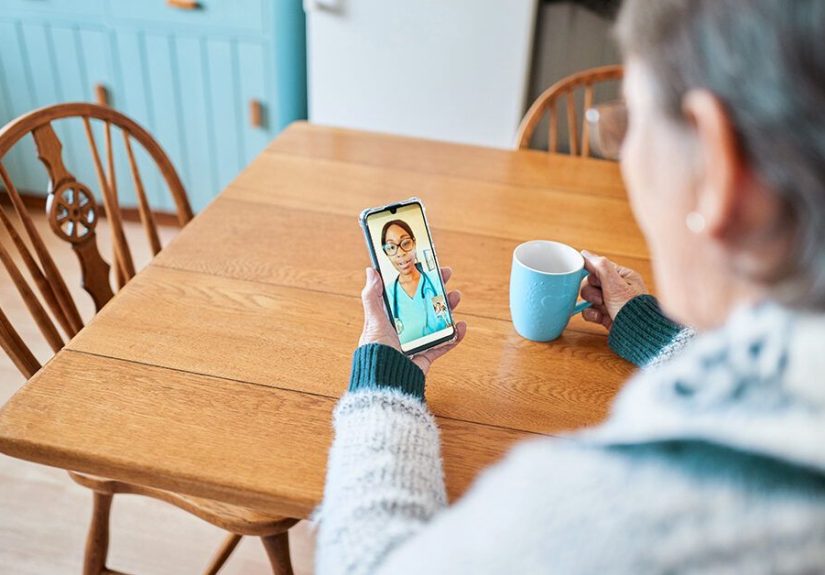
Telemedicine, sometimes used interchangeably with telehealth, refers to healthcare delivered remotely through technology. That can include live video visits, phone appointments, secure messaging, remote patient monitoring, and digital follow-up care. A virtual visit might be used for medication management, mental health counseling, chronic disease check-ins, minor illness evaluation, pre-op education, post-op follow-ups, second opinions, or quick discussions about symptoms that do not require a hands-on exam.
The beauty of telemedicine is that it meets patients where they are, literally. A parent juggling school pickup, a worker on a tight schedule, a rural patient living hours from a specialist, and an older adult managing several chronic conditions can all benefit from care that comes to them instead of demanding the opposite.
The Biggest Benefits of Virtual Healthcare
1. Easier Access to Care
The clearest benefit of telemedicine is access. For many people, the biggest barrier to healthcare is not motivation. It is logistics. Distance, transportation, mobility issues, childcare, work schedules, and local provider shortages can all turn a simple appointment into an all-day production. Virtual healthcare lowers that barrier.
For people in rural or underserved communities, telemedicine can make specialty care more realistic. Instead of spending half a day driving to a larger city for a short consult, patients may be able to connect remotely, get expert guidance, and reserve travel for the moments when it is truly necessary. That saves time, money, and energy, which are all part of healthcare whether the billing department recognizes them or not.
2. More Convenience, Less Friction
Convenience is not a shallow perk. In healthcare, convenience often determines whether care happens at all. A virtual visit can make it easier for patients to keep follow-up appointments, ask medication questions, review test results, and address new but non-emergency symptoms before they snowball into bigger problems.
That matters because modern life is crowded. People delay care when it feels complicated. Telemedicine reduces the administrative and emotional friction that can come with getting help. No commute, no waiting room, no elaborate rearrangement of the day. In many cases, it is healthcare without the side quest.
3. Better Support for Chronic Disease Management
Telemedicine can be especially valuable for people managing long-term conditions such as diabetes, high blood pressure, asthma, heart disease, or obesity. These conditions usually require consistent follow-up, education, medication adjustments, and regular monitoring rather than dramatic one-time interventions. Virtual care fits that rhythm well.
Instead of making every check-in an in-person event, clinicians can use telemedicine to review symptoms, discuss lifestyle changes, monitor readings collected at home, and catch problems earlier. Remote patient monitoring can make this even more useful by allowing patients to share blood pressure readings, glucose data, weight trends, or other measurements between visits.
That kind of ongoing connection can strengthen continuity of care. Patients may feel more supported, and providers may get a clearer view of how someone is doing in everyday life, not just how they look in an exam room after a stressful drive and two cups of coffee.
4. Stronger Access to Mental and Behavioral Health Services
Telemedicine has been particularly meaningful for mental health care. Therapy, psychiatric follow-ups, medication management, and counseling often translate well to a virtual setting because the core of the visit is conversation, observation, and trust. For many patients, being able to speak with a mental health professional from home can reduce stigma, improve privacy, and make it easier to stay engaged with treatment.
Virtual behavioral healthcare can also help people who live in areas with limited mental health resources. When local options are scarce, remote care can broaden the field. A patient may be able to find the right clinician instead of simply settling for the only clinician within driving distance.
5. Faster Follow-Ups and Better Continuity
Not every medical question requires a full in-person visit. Sometimes a patient needs a quick post-treatment check, guidance on whether symptoms are improving, or reassurance that recovery is going as planned. Telemedicine shines here.
Virtual follow-ups can improve continuity because they are easier to schedule and attend. That means fewer missed touchpoints between patients and clinicians. It also allows providers to adjust care plans sooner instead of waiting until the next in-person opening three weeks later, which in healthcare can feel like three seasons and a holiday.
6. Savings in Time and Hidden Costs
Telemedicine does not erase healthcare costs, but it can reduce many of the hidden expenses around medical care. Patients may save on gas, parking, public transit, childcare, missed work hours, hotel stays for distant specialty visits, and the general cost of reorganizing daily life around one appointment.
These savings are easy to underestimate, especially for families managing repeat appointments. The bill from the clinic is only part of the real cost of care. Time has value. Energy has value. Fewer disruptions can make medical care more sustainable over the long term.
7. Access to Specialists and Second Opinions
Telemedicine can also widen the path to specialty care. Patients may be able to consult with experts outside their immediate area, get a second opinion more efficiently, or connect with a specialist before deciding whether a trip for testing or treatment is worth it. This can be especially helpful in complex cases, where early expert input saves time and clarifies next steps.
In some systems, telemedicine also supports collaboration between clinicians. A local provider can coordinate with a distant specialist, allowing patients to receive more informed care without constantly bouncing between offices. That does not just save time. It can reduce confusion and make care feel more connected.
Where Telemedicine Works Best
Virtual healthcare is not equally useful for every situation, but it is excellent for many common needs. It often works well for:
- Medication refills and medication management
- Behavioral health visits, including therapy and psychiatric follow-ups
- Chronic disease check-ins
- Minor illness consultations, such as colds, rashes, allergies, or pink eye
- Reviewing lab results or imaging findings
- Post-op and recovery follow-ups
- Nutrition counseling, health coaching, and patient education
- Determining whether an in-person visit is necessary
In many cases, telemedicine acts as a smart first step. It helps sort out urgency, identify the right level of care, and keep patients connected to the healthcare system instead of drifting away from it.
The Limits of Telemedicine
Virtual care is helpful, but it is not a substitute for everything. Some medical concerns require a physical exam, imaging, lab work, procedures, or immediate hands-on assessment. Severe abdominal pain, chest pain, breathing trouble, major injuries, neurological symptoms, or anything that could be an emergency should not be managed casually through a screen.
Even in non-emergency situations, telemedicine has limits. A clinician cannot palpate an abdomen through Wi-Fi. They cannot listen to lungs without the right equipment. They cannot always evaluate skin changes accurately on a blurry camera in poor lighting. And they cannot reliably assess certain concerns if the patient lacks privacy, struggles with technology, or cannot describe symptoms clearly.
This is why good telemedicine is not just about having video software. It is about clinical judgment. The best providers know when a virtual visit is enough, when it needs backup from remote monitoring, and when the visit should end with a simple conclusion: “You need to come in.”
Privacy, Technology, and the Digital Divide
Telemedicine also depends on infrastructure. Patients need internet access, a phone or computer, a basic level of digital confidence, and ideally a quiet place to talk. Those things are not equally available to everyone. Older adults, low-income households, people in broadband-poor areas, and patients with language or disability barriers may face extra hurdles.
Privacy matters too. Medical conversations are deeply personal. Patients should feel comfortable asking providers what platform is being used, how their information is protected, and what they can do to improve privacy on their own end. Using a secure connection, taking visits in a private room, wearing headphones, and confirming the provider’s identity are small but important habits.
In other words, telemedicine can expand access, but only if health systems and policymakers keep working on broadband access, accessibility, digital literacy, and data protection. Technology opens doors, but only if the door is actually reachable.
How to Make a Virtual Visit More Effective
Patients can get more out of telemedicine with a little preparation. Test the device and internet connection ahead of time. Write down symptoms, medication questions, and recent changes. Keep home readings nearby if relevant, such as blood pressure, blood sugar, weight, or temperature. Good lighting helps, and so does a camera angle that does not make you look like you are reporting live from the bottom of a backpack.
It is also smart to know what you want from the appointment. Are you looking for advice, a diagnosis, a prescription, a referral, or clarity on whether this issue needs urgent care? Telemedicine works best when the conversation is focused and the provider has enough information to make a sound decision.
The Future of Virtual Healthcare
Telemedicine is no longer a novelty. It is now part of how modern healthcare operates. The future is likely to be hybrid rather than fully virtual. Patients will use a mix of in-person visits, video appointments, phone check-ins, secure messages, and home monitoring tools depending on the problem at hand.
That hybrid model makes sense because healthcare is not one-size-fits-all. A blood pressure follow-up may work beautifully online. A suspicious lump does not. A therapy session may feel more comfortable at home. A severe infection needs in-person care. The real strength of telemedicine is not that it replaces traditional medicine, but that it adds another lane to the road.
As healthcare systems keep refining virtual care, the winners will be the organizations that treat telemedicine as a thoughtful service rather than a rushed shortcut. Patients want convenience, yes, but they also want quality, privacy, clear communication, and a provider who sees them as a person instead of a pixelated rectangle.
Experiences With Telemedicine in Real Life
The experiences below reflect common real-world patterns people report when using virtual healthcare. One of the most common reactions is simple relief. A patient with a demanding job may realize they can finally keep a follow-up appointment because they no longer have to block out half a day. A parent may feel grateful that a child’s rash can be evaluated without dragging everyone into the car. An older adult with limited mobility may appreciate that routine care no longer begins with the exhausting task of physically getting to the clinic.
Many patients describe telemedicine as less intimidating than a traditional office visit. Home can feel calmer. People may speak more openly when they are in familiar surroundings, especially during mental health appointments. Someone discussing anxiety or depression may find it easier to begin the conversation from a private room at home than from a waiting room they almost backed out of three times. That comfort does not replace clinical skill, but it can make honest communication easier.
Patients managing chronic conditions often talk about how virtual care helps them stay connected instead of disappearing between appointments. A person with high blood pressure might log readings at home and review them with a clinician more frequently. A patient with diabetes may have shorter but more regular check-ins. That steady contact can make care feel less like a once-in-a-while event and more like an ongoing partnership.
Caregivers also tend to notice the difference. Adult children helping aging parents can sometimes join virtual visits from another city. That means they can hear instructions directly, ask questions, and help with follow-through later. In a traditional appointment, that support may not be possible because of travel, scheduling conflicts, or distance. Telemedicine can quietly make care more collaborative.
Of course, not every experience is perfect. Some people feel awkward on camera, frustrated by login issues, or unsure whether the clinician can really assess what is going on. Others miss the reassurance of an in-person exam. A frozen screen during a serious conversation is not exactly anyone’s idea of premium healthcare. These moments remind us that convenience must be matched by good systems, clear instructions, and backup plans when technology misbehaves.
Still, many people come away from telemedicine with the same conclusion: for the right situation, it works. Not because it is flashy, but because it is practical. It saves time. It lowers stress. It makes follow-up more realistic. And when it is paired with strong clinical judgment, it helps patients feel that healthcare is finally adapting to real life instead of demanding that real life adapt to healthcare.
Conclusion
Telemedicine has earned its place in healthcare because it solves real problems. It improves access, reduces friction, supports chronic disease care, expands behavioral health options, and helps patients stay connected to clinicians in ways that fit everyday life. It is not the right answer for every medical concern, but it is an excellent answer for many of them.
The smartest view of virtual healthcare is neither blind hype nor old-school skepticism. It is balance. Telemedicine is best seen as a powerful tool: incredibly useful in the right setting, limited in the wrong one, and most effective when it works alongside in-person care instead of competing with it. For patients, that means more options. For providers, it means more flexibility. And for healthcare as a whole, it means a future that is a little more accessible, a little more efficient, and thankfully, a lot less dependent on parking lots.