Table of Contents >> Show >> Hide
- What Is Swiss Steak, Exactly?
- Why Mushrooms Work So Well Here
- Swiss Steak With Mushrooms: Ingredients
- Equipment You’ll Want
- Swiss Steak With Mushrooms: Step-by-Step Recipe
- How to Know It’s Done
- Serving Ideas (a.k.a. What to Pour That Gravy Over)
- Variations: Slow Cooker, Oven, and “I Forgot to Plan” Options
- Troubleshooting (Because Dinner Happens in Real Life)
- Storage, Reheating, and Food Safety
- FAQ
- Conclusion
- Real-Life Experiences With Swiss Steak With Mushrooms (500+ Words of the Good Stuff)
Swiss steak is the kind of old-school comfort food that makes your kitchen smell like someone’s grandma just declared, “We’re eating real dinner tonight.” It’s not Swiss (no yodeling required), but it is a classic American way to turn an affordable, tougher cut of beef into fork-tender magicthanks to a slow braise in a savory tomato gravy. Adding mushrooms takes it up a notch: deeper flavor, silkier sauce, and little bites of earthy goodness in every scoop.
What Is Swiss Steak, Exactly?
Swiss steak isn’t named for Switzerland. “Swiss” refers to the technique of tenderizingtraditionally pounding or “swissing” the meat (think: giving it a gentle but firm pep talk with a mallet). Then the steak gets lightly coated in flour, browned for flavor, and braised low and slow in a tomato-onion gravy until it’s tender enough to cut with a spoon (or, if you’re feeling fancy, a butter knife).
Why Mushrooms Work So Well Here
Mushrooms bring natural savory depth (hello, umami) that plays beautifully with tomatoes and beef. They also absorb the braising liquid like tiny flavor sponges. If you’ve ever wished your Swiss steak gravy tasted like it had been simmering since lunchtimemushrooms are your shortcut.
Swiss Steak With Mushrooms: Ingredients
This recipe is designed for maximum flavor with simple grocery-store ingredients. No rare spices, no mysterious powders that only exist in the back of a specialty shop next to the artisanal air.
The Beef
- 2 to 2 1/2 pounds beef round steak (top round or bottom round), cut into 4–6 serving pieces
- Kosher salt and black pepper
- 1/2 cup all-purpose flour (for dredging)
- 2–3 tablespoons oil (neutral oil) or a mix of oil and butter
The Mushroom Tomato Gravy
- 1 large onion, thinly sliced
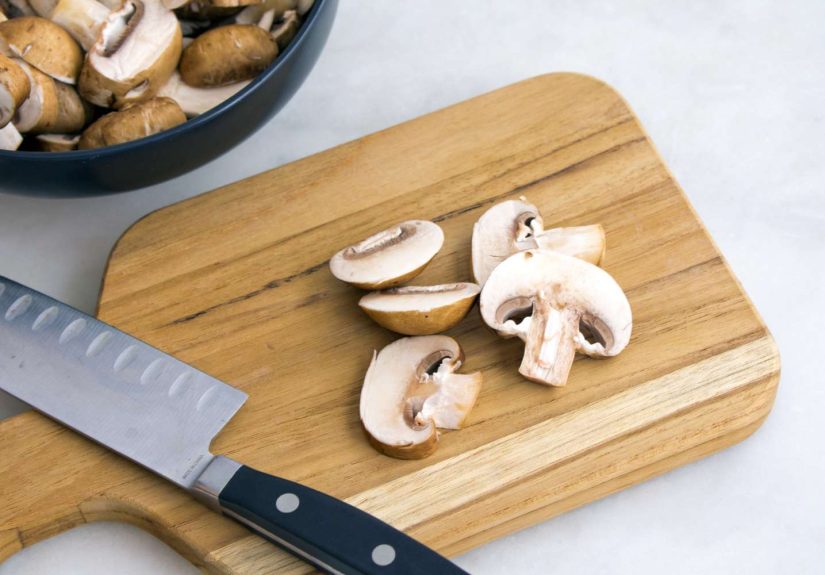
- 10–12 ounces mushrooms (button or cremini), sliced
- 3 cloves garlic, minced
- 2 tablespoons tomato paste (optional but highly recommended)
- 1 (14–15 oz) can diced tomatoes (or crushed tomatoes if you like a smoother sauce)
- 1 1/2 cups beef broth
- 1 tablespoon Worcestershire sauce
- 1 teaspoon dried thyme (or 1 tablespoon fresh)
- 1 bay leaf (optional)
- Pinch of sugar (optional, to round out acidic tomatoes)
Optional “Make It Even Better” Add-Ins
- 1/2 teaspoon smoked paprika for gentle smoky warmth
- 1/2 cup sliced bell pepper for a more classic “meat-and-peppers” vibe
- 1–2 teaspoons vinegar (red wine or apple cider) at the end for brightness
- Fresh parsley for serving
Equipment You’ll Want
- Heavy Dutch oven or deep skillet with a tight-fitting lid
- Meat mallet (or the bottom of a sturdy saucepan in a pinch)
- Instant-read thermometer (not required, but great for confidence)
Swiss Steak With Mushrooms: Step-by-Step Recipe
Step 1: Tenderize (a.k.a. “Swiss” the steak)
Pat the beef dry. Season both sides with salt and pepper. Place each piece between plastic wrap (or in a zip-top bag) and pound to an even thicknessabout 1/2 to 3/4 inch is a sweet spot. You’re not trying to turn it into paper; you’re just breaking up tough fibers so the braise can do its job faster and more evenly.
Step 2: Dredge and brown for flavor
Put flour in a shallow dish and season it lightly with salt and pepper. Dredge each steak piece, shaking off excess. Heat oil in your Dutch oven over medium-high heat until shimmering.
Brown the steak in batches, 2–4 minutes per side, until you get a deep golden crust. Don’t crowd the pancrowding steams the meat, and steamed meat is… fine, but it won’t give you that rich “Sunday dinner” flavor.
Transfer browned steak to a plate. Keep the browned bits in the pot. Those little sticky caramelized bits are basically flavor savings bonds.
Step 3: Sauté onions and mushrooms
Lower heat to medium. Add onions to the pot and cook 3–5 minutes, scraping up browned bits. Add mushrooms and cook another 5–7 minutes until they release moisture and begin to brown. Stir in garlic for 30 seconds.
Step 4: Build the tomato-mushroom gravy
Stir in tomato paste (if using) and cook 1 minute to deepen its flavor. Add diced tomatoes, beef broth, Worcestershire, thyme, bay leaf, and a pinch of sugar if your tomatoes taste sharp.
Bring to a gentle simmer, scraping the bottom one last time. Taste the sauce and adjust salt and pepper.
Step 5: Braise low and slow
Nestle the steak back into the sauce along with any juices on the plate. The liquid should come about halfway up the sides of the meat. If it’s too low, add a splash more broth; if it’s too high, no panicyour sauce will just be a little thinner until you reduce it at the end.
Cover and simmer on low for 1 1/2 to 2 hours, flipping the steak once halfway through, until it’s fork-tender. The exact time depends on thickness and cut: top round may soften a bit faster, bottom round often needs closer to 2 hours.
Step 6: Finish the sauce (choose your ending)
Option A: Keep it rustic. Remove the lid for 10–15 minutes to reduce and concentrate the gravy.
Option B: Thicken it. Mix 1 tablespoon flour with 2 tablespoons water (or broth) into a smooth slurry and stir it in. Simmer 3–5 minutes until glossy.
Option C: Make it extra silky. Stir in a tablespoon of butter at the end for shine and richness (this is optional, but so is happiness).
Finish with a sprinkle of parsley and a tiny splash of vinegar if you want the flavors to pop.
How to Know It’s Done
“Done” for Swiss steak isn’t about medium-rare. This is braisingyour goal is tenderness. The beef is ready when you can easily cut it with the side of a fork and it feels relaxed, not chewy. If it’s tough, it usually just needs more time. Keep the simmer gentle; aggressive boiling can tighten proteins and reduce liquid too fast.
Serving Ideas (a.k.a. What to Pour That Gravy Over)
- Mashed potatoes: the classic gravy landing pad
- Egg noodles: cozy, fast, and excellent at soaking up sauce
- Rice: especially good if you like a saucier plate
- Polenta or grits: creamy + tomato gravy = peak comfort
- Crusty bread: for the serious business of wiping the bowl clean
Variations: Slow Cooker, Oven, and “I Forgot to Plan” Options
Slow Cooker Swiss Steak With Mushrooms
Brown the dredged steak first (worth it). Then layer onions and mushrooms in the slow cooker, add steak, and pour in the sauce mixture. Cook 6–8 hours on Low or 3–4 hours on High until tender. If the gravy is thin, crack the lid for the last 30 minutes or thicken with a slurry.
Oven-Braised Swiss Steak
After building the sauce and returning steak to the pot, cover and bake at 325°F for 1 1/2 to 2 hours. The oven gives steady heat and is great if you don’t trust your stovetop simmer (or if your stovetop likes drama).
Instant Pot / Pressure Cooker Shortcut
Brown the steak using sauté mode, build the sauce, then pressure cook on High for 25–35 minutes (depending on thickness), natural release 10 minutes. Finish by simmering on sauté to reduce or thicken. You’ll get tenderness faster, though some people prefer the deeper “long simmer” flavor of a traditional braise.
Troubleshooting (Because Dinner Happens in Real Life)
My steak is still tough
It almost always just needs more time. Keep the heat low and add a splash of broth if the sauce gets too thick. Tough cuts soften when collagen breaks downgive it the slow, gentle environment it needs.
My gravy tastes too acidic
Tomatoes vary. Add a small pinch of sugar, stir in a knob of butter, or finish with a little extra onion sautéed longer next time. You can also add a splash more broth and reduce again to rebalance.
My gravy is too thin
Simmer uncovered to reduce, or use a slurry (flour + water, or cornstarch + water). Add it graduallythick gravy is great, but paste is a different dinner.
My mushrooms got too soft
For more texture, sauté mushrooms separately until browned and stir them in during the last 15–20 minutes of braising. You’ll still get mushroom flavor, but with a firmer bite.
Storage, Reheating, and Food Safety
Swiss steak is a superstar leftover because the flavors deepen overnight. Cool leftovers quickly (use shallow containers) and refrigerate. Reheat gently on the stovetop with a splash of broth to loosen the gravy.
- Refrigerator: Enjoy within 3–4 days.
- Freezer: Freeze for best quality within a few months; thaw overnight in the fridge.
- Reheating: Heat leftovers thoroughly; use a thermometer when in doubt.
FAQ
Can I use cube steak?
Yes. Cube steak is already mechanically tenderized, so it often cooks faster. Start checking for tenderness around 60–75 minutes on a gentle simmer.
Is Swiss steak the same as Salisbury steak?
Not quite. Salisbury steak is typically seasoned ground beef patties in gravy. Swiss steak uses whole cuts (usually round steak) that are tenderized and braised, often with tomatoes.
Do I have to use tomatoes?
Traditional Swiss steak is tomato-forward, but you can shift the flavor by using more beef broth and mushrooms for a browner gravy. Just know you’re moving toward a different (still delicious) comfort-food neighborhood.
Conclusion
Swiss steak with mushrooms is proof that “budget-friendly” and “deeply satisfying” can live on the same plate. Tenderize, brown, braise, and let time do the heavy lifting. The reward is fork-tender beef in a rich tomato-mushroom gravy that tastes like you worked harder than you did (your secret is safe with me).
Real-Life Experiences With Swiss Steak With Mushrooms (500+ Words of the Good Stuff)
If you’ve ever tried to stretch a grocery budget without feeling like you’re eating “sad dinner,” Swiss steak is one of those recipes that quietly saves the day. Many home cooks first meet it the way you meet most classics: someone older and wiser makes it, the house smells incredible, and suddenly you realize comfort food doesn’t need fancy cuts to feel special. It’s also the kind of dish that turns an ordinary weeknight into something that feels like a Sunday, even if you’re still answering emails with one hand and stirring gravy with the other.
One of the most relatable Swiss steak moments is the “Is it done yet?” phase. You peek under the lid at the one-hour mark, poke the meat, and it’s still a little stubborn. That’s normal. Swiss steak teaches patience in a way that’s oddly therapeutic: keep the simmer gentle, put the lid back on, and trust the process. Then, sometime between the 90-minute and two-hour zone, the steak changes personalitywhat was chewy becomes tender, what was tight relaxes, and your sauce smells richer because the beef and mushrooms have been quietly trading flavors the whole time.
Another classic experience: everyone has a preferred “gravy vehicle.” Some households swear mashed potatoes are the only correct choice. Others insist egg noodles are the move because they make the dish feel like a casserole-adjacent hug. Rice lovers will tell you Swiss steak is basically a saucy stew in disguise (and they’re not wrong). And then there’s the bread crowdpeople who don’t just want Swiss steak, they want the last swipe of sauce, the final glossy streak at the bottom of the bowl. If you live with sauce-swipe people, plan accordingly. “Extra gravy” isn’t a want; it’s a lifestyle.
Swiss steak with mushrooms also tends to become a leftover legend. The next day, the tomato gravy tastes deeper and smoother, and the mushrooms somehow feel even more “meaty” as they sit in the sauce. Many cooks discover the best lunch is simply reheating a portion, adding a splash of broth, and letting it bubble gently until the gravy loosens. Some even chop leftover steak and fold it into a quick pasta sauce, turning one dinner into a second meal that feels totally differentless “braised beef night,” more “rustic beef ragu energy.”
And let’s talk about the small victories Swiss steak delivers. You browned the meat properly and the fond made your gravy taste restaurant-y? Victory. You nailed the thicknesssilky, spoon-coating, not gluey? Victory. You used mushrooms and someone who “doesn’t like mushrooms” ate them anyway because they were soaked in tomato-beef goodness? That’s not just a victory; that’s a culinary plot twist.
Finally, Swiss steak has a way of becoming part of your personal cooking rhythm. You start with the classic version, then tweak it based on how your household eats: more mushrooms for the umami fans, extra onions for the sweet-savory people, a little bell pepper for color, or a splash of Worcestershire when you want more depth without adding time. Over weeks and months, it becomes your Swiss steaknot just a recipe, but a reliable, cozy staple that shows up whenever you need dinner to feel like it has your back.