Table of Contents >> Show >> Hide
- What Is a Summer Cold?
- Common Summer Cold Symptoms
- Why Do You Get a Cold in the Summer?
- Summer Cold vs. Allergies
- Summer Cold vs. Flu vs. COVID-19
- How Long Does a Summer Cold Last?
- What Helps a Summer Cold?
- When Should You See a Doctor?
- How to Lower Your Risk of Getting a Summer Cold
- The Bottom Line on Summer Cold Symptoms
- Real-Life Experiences With Summer Colds
- SEO Tags
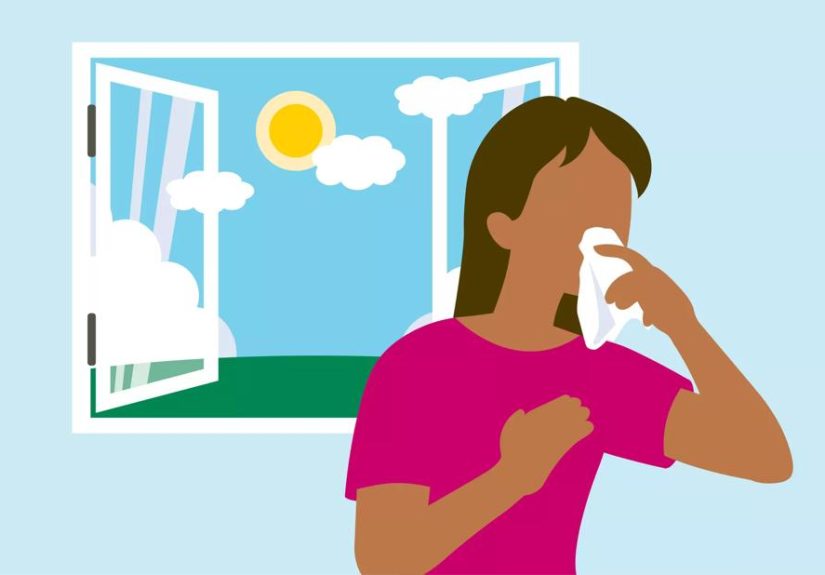
A cold in December makes sense. A cold in July feels like a personal insult. You finally have beach plans, iced coffee in hand, and exactly zero emotional room for a sore throat, yet there you aresniffling through sunshine like your immune system missed the memo on summer vacation.
But here’s the truth: so-called summer cold symptoms are very real, and they are not some quirky seasonal prank. A summer cold is still a viral upper respiratory infection, which means it can show up whenever the right virus meets the wrong timing. While many people associate colds with winter, several viruses that cause cold-like symptoms circulate in spring, summer, and fall too. In other words, warm weather does not magically put respiratory germs out of office.
This guide breaks down what a summer cold looks like, why you can get one when it’s 90 degrees outside, how to tell it apart from allergies or the flu, and what actually helps you feel better. We’ll also add some real-life experiences at the end, because few things are more humbling than sneezing at a pool party.
What Is a Summer Cold?
A summer cold is not a special category of illness with a dramatic movie trailer voice. It is simply a cold or cold-like viral infection that happens during the warmer months. The most common cause of the common cold overall is rhinovirus, but other viruses can create similar symptoms, including enteroviruses, adenoviruses, parainfluenza viruses, and common human coronaviruses.
That last point matters because people often assume, “If I’m sick in summer, it can’t be a cold.” Not true. Your body does not check the season before reacting to a virus. If the virus can spread through droplets, close contact, or contaminated hands and surfaces, and if you happen to inhale it or touch your face afterward, congratulationsyour summer plans may now include tissues.
Summer colds can also feel slightly different from the classic winter sniffles. Some warm-weather viruses, especially enteroviruses, may come with more body aches, a sudden fever, or even stomach upset alongside the usual runny nose and cough. That is one reason a July cold can feel confusing: it may not behave exactly like the mild, stuffy-nose-only version people expect.
Common Summer Cold Symptoms
The classic symptoms of a cold do not disappear just because the sun is out. Most people with a summer cold notice familiar upper-respiratory complaints first, though the exact mix varies from person to person.
The Usual Upper-Respiratory Symptoms
Typical summer cold symptoms may include:
- Runny nose
- Stuffy nose or nasal congestion
- Sneezing
- Sore or scratchy throat
- Cough
- Mild headache
- Mild body aches
- Feeling tired or generally “off”
- Low-grade fever in some adults and older children
Many colds start with a sore throat or sneezing, then move into congestion and coughing. Symptoms often peak within the first few days, which explains why day two or three can feel like your nose has completely changed careers and become a nonstop faucet.
Symptoms That Can Make a Summer Cold Feel Different
One reason summer colds feel extra annoying is that they may overlap with symptoms people do not usually expect from a cold. Some viruses that circulate more during summer and early fall can bring:
- Sudden fever
- More noticeable muscle aches
- Nausea
- Vomiting
- Diarrhea or general stomach upset
If you are dealing with respiratory symptoms plus digestive symptoms, that does not automatically mean you have food poisoning, the flu, or some mysterious beachside curse. A viral infection can absolutely cause that mixed bag of misery.
Why Do You Get a Cold in the Summer?
The short answer: because viruses do not care that you bought new sandals.
The longer answer is that you get summer cold symptoms because cold-causing viruses still circulate outside winter. Some respiratory viruses are more active in colder months, but others keep moving through communities in warmer seasons. Rhinoviruses can spread year-round and often peak again in late summer and fall. Enteroviruses are also more common in summer and fall.
1. Warm Weather Does Not Eliminate Viral Spread
A lot of people treat summer like a health-force field. It is not. If someone with a virus coughs, sneezes, talks closely around you, or leaves germs on a shared surface, transmission can still happen. The same basic routes apply in every season: respiratory droplets, close contact, and touching your eyes, nose, or mouth after contact with germs.
2. Summer Is Actually Full of Germ-Sharing Situations
Think about what summer often includes: travel, camps, family reunions, festivals, sports, day care shuffles, road trips, airports, hotel lobbies, summer school, and packed indoor spaces where the air conditioning is working harder than everyone’s patience. More movement and more contact with other people can mean more opportunities to catch whatever is going around.
Even when you are indoors escaping the heat, you are still sharing air and surfaces with other humans, which has never been a risk-free hobby during virus seasonespecially when virus season is basically “all year, depending on the virus.”
3. Some Summer Viruses Bring a Different Flavor of Symptoms
People tend to picture colds as purely nasal problems. But enteroviruses can cause cold-like symptoms along with fever, aches, or stomach complaints. That can make a summer virus feel more dramatic than a typical winter cold and lead people to think, “This can’t be a cold.” Sometimes it is not technically a classic common cold, but it is still a viral infection that looks and feels a whole lot like one.
Summer Cold vs. Allergies
This is where things get tricky. A lot of people assume every summer sniffle is allergies. Sometimes they are right. Pollen, mold, and other seasonal triggers can cause congestion, sneezing, and a runny nose. But allergies and viral illnesses are not the same thing.
Clues that suggest allergies:
- Itchy, watery eyes
- Symptoms that show up around the same time every year
- No fever
- No real body aches
- Symptoms that linger for weeks without turning into a full “I need tea and a blanket” event
Clues that suggest a summer cold:
- Sore throat
- Cough
- Low-grade fever
- Body aches or fatigue
- Symptoms that improve within about a week or two
A good rule of thumb: if your eyes are itchy and watery but you otherwise feel normal, allergies are more likely. If you feel like your head is stuffed with cotton, your throat is irritated, and your body would like to file a complaint, a viral infection is more likely.
Summer Cold vs. Flu vs. COVID-19
Another complication is that cold, flu, and COVID symptoms can overlap. You cannot always tell the difference just by willpower and vibes. Flu tends to hit harder and more suddenly, often with more intense fever, chills, fatigue, and body aches. COVID-19 may also overlap with cold symptoms and can range from mild to severe.
A common cold is usually milder. Runny or stuffy nose tends to be more common with colds, while the flu is more likely to flatten you like you were tackled by exhaustion itself. But symptoms alone are not always enough to be sure.
If you have cold-like symptoms and think flu or COVID-19 could be possibleespecially if you are at higher risk for severe illnesstesting matters. That is because treatments for flu and COVID work best when started early.
How Long Does a Summer Cold Last?
Most colds improve within about 7 to 10 days, though some last up to two weeks, and cough can hang around a little longer. Adults typically get a few colds each year, so unfortunately this is not a once-in-a-lifetime betrayal.
Also, a quick note on mucus because this topic always comes up: if your nasal discharge turns yellow or green, that does not automatically mean you need antibiotics. Color changes can happen as part of a normal viral illness. The body is messy, dramatic, and not always a reliable headline writer.
What Helps a Summer Cold?
There is no cure for the common cold, but there are ways to feel less miserable while your immune system does the heavy lifting.
What Usually Helps
- Rest: Maybe not glamorous, but your body is busy.
- Fluids: Water, broth, tea, ice popswhatever helps you stay hydrated.
- Saline nasal spray or drops: Useful for congestion and dryness.
- Cool-mist humidifier: Can help ease nasal stuffiness.
- Pain relievers or fever reducers: When used as directed, these can help with aches, sore throat, and fever.
- Reading the Drug Facts label: A boring but elite life skill.
If you are choosing an over-the-counter product, be smart about ingredients. Many combination cold medicines contain multiple active ingredients, and doubling up accidentally is easier than people think. That matters even more with children.
What About Decongestants?
Decongestants can help some adults, but not all products are equally useful. In fact, the FDA has proposed removing oral phenylephrine as an active ingredient for temporary relief of nasal congestion because it determined that oral phenylephrine is not effective for that use. Translation: not every medicine on the shelf deserves your trust just because it is wearing bright packaging and sounding confident.
If congestion is your main issue, a pharmacist can help you choose an option that actually fits your symptoms and health history.
What Does Not Help
Antibiotics do not treat viral colds. They will not speed up recovery from a common cold, and using antibiotics when you do not need them is not harmless. Save them for situations where a clinician says they are truly necessary.
Also, for children: over-the-counter cough and cold medicines are not recommended for kids younger than 2, and many products are labeled not to use in children under 4. This is one of those read-the-label, ask-the-pediatrician momentsnot a freestyle parenting challenge.
When Should You See a Doctor?
Most summer colds get better on their own. Still, there are times when it is smart to stop self-diagnosing through stubbornness and seek medical advice.
Contact a healthcare professional if you have:
- Difficulty breathing or shortness of breath
- Chest pain
- Dehydration
- A high fever or fever that lasts several days
- Symptoms that worsen instead of improve
- Symptoms lasting more than 10 days without getting better
- A cough that gets worse while other symptoms improve
- Wheezing or a flare of asthma or another chronic lung condition
If you are sick, it is also wise to stay home and away from others until your symptoms are improving overall and you have been fever-free for at least 24 hours without fever-reducing medicine. After that, taking extra precautions for a few daysgood hygiene, cleaner air, sensible spacing, maybe a mask in close settingscan help protect other people.
How to Lower Your Risk of Getting a Summer Cold
No prevention plan is perfect, but a few habits still do a lot of heavy lifting:
- Wash your hands with soap and water for at least 20 seconds
- Use hand sanitizer with at least 60% alcohol when soap and water are not available
- Avoid touching your eyes, nose, and mouth
- Cover coughs and sneezes
- Avoid close contact with people who are obviously sick
- Stay home when you are the one spreading the chaos
Basic? Yes. Effective? Also yes. Germ prevention is often less about grand gestures and more about consistent, unglamorous habits. Sadly, there is no SPF for rhinoviruses.
The Bottom Line on Summer Cold Symptoms
Summer cold symptoms are not a myth, and they are not proof that your body enjoys ironic timing. They happen because viruses that cause cold-like illness circulate year-round, with somelike enteroviruses and rhinovirusesshowing up plenty during warmer months. The result can be a frustrating mix of congestion, sore throat, cough, fatigue, fever, and sometimes stomach symptoms that make a summer virus feel extra rude.
The good news is that most summer colds are mild and improve with time, rest, fluids, symptom relief, and a little patience. The less-good news is that patience is hardest to find when everyone else is outside having a perfect day and you are indoors negotiating with your sinuses.
Still, if you know what to look for, how to manage symptoms, and when to get tested or seek care, a summer cold becomes less mysterious and more manageable. Annoying? Absolutely. Unbeatable? Not even close.
Real-Life Experiences With Summer Colds
One of the strangest things about getting a cold in summer is how long it can take to realize that you are actually sick. In winter, a sore throat almost feels seasonally on-brand. In summer, people tend to blame everything else first. “Maybe I’m dehydrated.” “Maybe it’s the air conditioning.” “Maybe I yelled too much at the game.” Then the sneezing starts, your nose stuffs up, and suddenly you are carrying tissues around in shorts and pretending that this is somehow normal.
A very common experience is the post-travel summer cold. Someone feels fine during the trip, maybe a little tired after a flight or long drive, then wakes up two days later with a scratchy throat and heavy congestion. Airports, hotels, events, and close contact with lots of people create the perfect opportunity for a virus to hitch a ride home with your luggage. The cruel part is that the cold often hits right after vacation, which feels less like biology and more like disrespect.
Parents often notice a different version of the same story. A child comes home from camp, summer school, sports practice, or a weekend with cousins and seems a little cranky or tired. Then comes the runny nose, mild fever, cough, and the familiar household chain reaction: one kid gets sick, then a sibling, then a parent, then the whole family starts sounding like a congested choir. Summer activities may look carefree, but kids still share germs with Olympic-level efficiency.
Another common experience is mistaking a summer cold for allergies. This happens especially when symptoms start with sneezing and nasal congestion. Someone assumes pollen is the villain, keeps going about life, and only later realizes it is a virus when the sore throat, fatigue, cough, or low-grade fever roll in. The opposite happens toopeople think they have a summer cold, but weeks later they are still sniffling because the real culprit was seasonal allergies all along.
People also describe summer colds as mentally irritating in a unique way. You are sick at the exact time of year when everyone expects you to be outside, social, active, and cheerful. A winter cold says, “Stay in bed.” A summer cold says, “Watch everyone else have fun from the couch.” Even the practical stuff feels more annoying. Hot tea sounds less appealing when it is already hot outside. Sleeping can be tougher if congestion meets humid weather. And blowing your nose at the beach is not exactly the glamorous summer memory anyone was hoping to make.
Still, most people who get a summer cold have a pretty similar takeaway: it is inconvenient, but manageable. Once they rest, hydrate, treat the symptoms they actually have, and stop pretending they are “probably fine,” they usually start improving within days. That may be the most universal summer-cold experience of allthe moment you accept that yes, you are sick in July, yes, it is unfair, and yes, your best move is to take care of yourself instead of trying to power through like a hero in flip-flops.