Table of Contents >> Show >> Hide
- What Is a Spermatocele?
- How Common Is It?
- Spermatocele Symptoms: What Does It Feel Like?
- What Causes a Spermatocele?
- What Does Not Cause a Spermatocele?
- How Doctors Diagnose a Spermatocele
- Spermatocele vs. Other Scrotal Lumps
- Does a Spermatocele Affect Fertility?
- Spermatocele Treatment: Do You Always Need It?
- When Is Surgery Recommended?
- What About Aspiration or Sclerotherapy?
- Recovery After Spermatocelectomy
- When to See a Doctor Right Away
- What People Often Experience With a Spermatocele
- Final Thoughts
- SEO Tags
A lump near a testicle can send the brain into full panic mode in about three seconds flat. That reaction is understandable. The good news is that not every scrotal lump is a medical disaster. One common explanation is a spermatocele, a usually benign, fluid-filled cyst that forms near the epididymis, the coiled tube that stores and transports sperm.
In plain English, a spermatocele is the body’s version of an uninvited little water balloon in the scrotum. It is often painless, usually noncancerous, and in many people it causes so little trouble that it is discovered by accident during a self-exam, a routine physical, or an ultrasound done for another reason. Still, “usually harmless” does not mean “ignore every lump forever.” The scrotum is a place where different conditions can look annoyingly similar, so getting the right diagnosis matters.
This guide breaks down what a spermatocele is, what may cause it, how doctors diagnose it, what treatment options exist, and what real-life experiences often look like from discovery to recovery. If you want a clear, practical overview without a blizzard of medical jargon, you are in the right place.
What Is a Spermatocele?
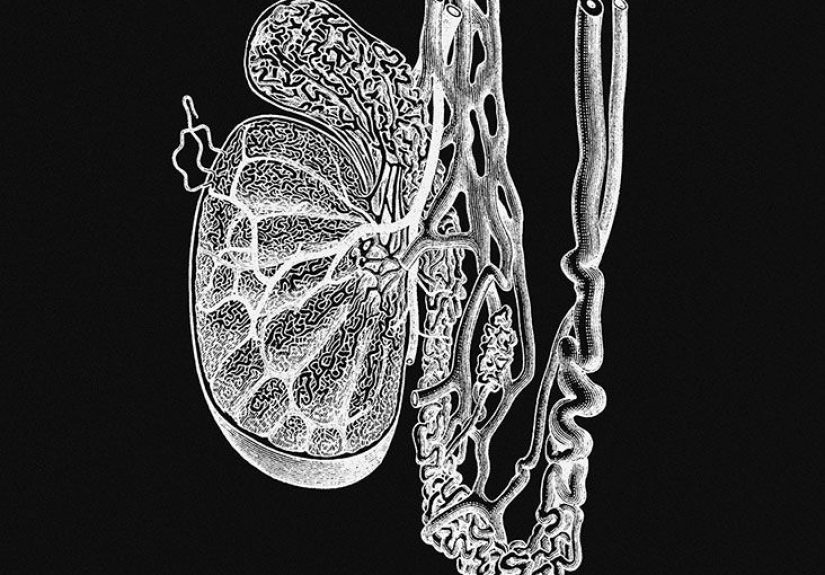
A spermatocele, sometimes called a spermatic cyst or epididymal cyst, is a fluid-filled sac that develops in the epididymis, usually above or behind the testicle. The fluid may contain sperm. Unlike a tumor, it is typically benign, which means it is not cancer.
The epididymis plays a key role in male reproductive anatomy. Sperm made in the testicles move into this coiled tube, where they mature and are stored. When a cyst forms in this area, it can feel like a smooth lump that sits separate from the testicle itself. That detail is important because a lump in the testicle raises different concerns than a lump next to it.
Many spermatoceles are small. Some are tiny enough that a person never notices them. Others grow larger and create a sense of heaviness, dull discomfort, or the alarming impression that an extra object has moved into the neighborhood without paying rent.
How Common Is It?
Spermatoceles are not rare. They are considered a common cause of a benign scrotal lump, and they often show up in adults during midlife. That said, they can happen at different ages. Some people go years without knowing they have one because small spermatoceles may not cause symptoms at all.
This is one reason testicular and scrotal changes can be confusing. A person may notice a lump for the first time and assume it appeared overnight, when in reality it may have been there quietly for quite a while.
Spermatocele Symptoms: What Does It Feel Like?
The classic spermatocele is painless. That is both reassuring and annoying. Reassuring, because pain is not always part of the condition. Annoying, because painless lumps can still create plenty of worry.
Common symptoms include:
- A smooth lump above or behind a testicle
- A feeling of fullness or heaviness in the scrotum
- Mild aching or dull discomfort
- Scrotal swelling
- A larger visible bulge if the cyst grows
Smaller cysts often cause no symptoms. Larger ones may become bothersome when walking, sitting, exercising, or wearing tighter clothing. Some people describe the sensation as less of a sharp pain and more like persistent awareness. In other words, the spermatocele may not scream, but it can definitely hover in the background like an annoying pop-up ad.
What Causes a Spermatocele?
The exact cause is not always known. That is one of the trickiest parts of this condition: medicine has good descriptions of what a spermatocele is, but not always a neat detective story about why a particular one formed.
Possible explanations include:
- Blockage in one of the small ducts that transport sperm
- Changes in the epididymis that allow fluid to collect
- Inflammation in the area
- Sometimes prior surgery, including vasectomy, may be associated with a higher likelihood
In many cases, however, there is no obvious trigger. It may appear without recent injury, infection, or any dramatic event. That often surprises people, especially those who assume a lump must have a single dramatic cause. The body, unfortunately, is fond of making mystery cysts and giving only partial explanations.
What Does Not Cause a Spermatocele?
Because anything involving the scrotum tends to invite rumor, let’s clear up a few common myths.
- It is not a sexually transmitted infection.
- It is not contagious.
- Ejaculation does not make it grow.
- It does not turn into cancer.
That said, a spermatocele can sometimes be mistaken for other conditions, and that is why professional evaluation matters. A calm internet search is helpful. A panicked 2 a.m. search is less helpful. A proper exam is best.
How Doctors Diagnose a Spermatocele
Diagnosis usually begins with a medical history and physical exam. A clinician will ask when the lump appeared, whether it hurts, whether it changes in size, and whether there are symptoms such as fever, redness, urinary issues, or sudden pain.
Common diagnostic steps include:
1. Physical exam
The provider feels the lump and checks whether it seems separate from the testicle, smooth, and mobile. The location matters a lot.
2. Transillumination
This is exactly what it sounds like: a light is shined through the scrotal area. A fluid-filled cyst often lets light pass through more easily than a solid mass. It is not magic, but it is a useful clue.
3. Scrotal ultrasound
Ultrasound is one of the most important tools for confirming the diagnosis. It helps distinguish a spermatocele from a hydrocele, varicocele, hernia, epididymitis, or a testicular tumor. It is noninvasive, widely used, and excellent for sorting out whether a lump is cystic or solid.
4. Urine or infection testing
If there is pain, tenderness, urinary burning, fever, or concern for inflammation, a clinician may order urinalysis or related lab testing to check for infection.
Spermatocele vs. Other Scrotal Lumps
This is where things get important. Not every lump in the scrotum is a spermatocele.
Some conditions that can mimic or overlap with it include:
- Hydrocele: fluid around the testicle, often causing more generalized swelling
- Varicocele: enlarged veins, often described as feeling like a “bag of worms”
- Epididymitis: inflammation or infection, often painful and tender
- Inguinal hernia: tissue or bowel pushing into the groin or scrotum
- Testicular torsion: sudden twisting that cuts off blood flow; a medical emergency
- Testicular cancer: often presents as a lump in the testicle itself
A spermatocele is usually benign, but a new lump should never be self-certified as “probably fine” without evaluation. That is especially true if the lump seems hard, is attached to the testicle, or comes with sudden pain, nausea, vomiting, fever, redness, or rapid swelling.
Does a Spermatocele Affect Fertility?
In most cases, a spermatocele itself does not reduce fertility. Many people with a spermatocele never have reproductive problems related to it. The bigger fertility discussion comes into play if treatment is needed, especially surgery or sclerotherapy, because procedures in or around the epididymis can potentially affect sperm transport.
That does not mean treatment should be avoided at all costs. It simply means fertility goals should be part of the conversation, especially for younger patients or anyone planning future biological children.
Spermatocele Treatment: Do You Always Need It?
No. In fact, most people do not need active treatment.
Watchful waiting
If the spermatocele is small and not causing pain or pressure, many doctors recommend observation. That means monitoring symptoms over time rather than rushing into a procedure. Since these cysts are often harmless, treatment is based more on symptoms and quality of life than on the mere fact that the cyst exists.
Conservative symptom relief
If there is mild discomfort, common recommendations may include:
- Over-the-counter pain relievers such as acetaminophen or ibuprofen, if appropriate for the person
- Supportive underwear or a scrotal supporter
- Reducing activities that increase irritation for a short period
This is the medical equivalent of saying, “If the neighbor is quiet, you do not need to evict him.”
When Is Surgery Recommended?
The main surgical option is spermatocelectomy, an outpatient procedure that removes the cyst. Doctors usually consider surgery when:
- The spermatocele causes ongoing pain
- It becomes large enough to feel heavy or bothersome
- It interferes with daily comfort, exercise, sitting, or sexual confidence
- The diagnosis needs confirmation after evaluation
During a spermatocelectomy, the surgeon removes the spermatocele from the epididymis. The procedure may use local or general anesthesia depending on the case. Most patients go home the same day.
Possible risks of surgery include:
- Bleeding or infection
- Swelling and bruising
- Recurrence of the spermatocele
- Damage to the epididymis or vas deferens, which may affect fertility
This last point is why fertility planning should be discussed ahead of time. For patients who are especially concerned, some doctors may talk about sperm banking before treatment in selected cases.
What About Aspiration or Sclerotherapy?
Aspiration uses a needle to drain the fluid. Sclerotherapy may follow, using a substance to scar the sac and reduce refilling. These options exist, but they are used less often than surgery. Why? Because the cyst can come back, and there is a risk of damage to the epididymis, which may affect fertility.
In other words, these are not usually the star players in spermatocele treatment. They are more like the bench options that may come up in selected situations.
Recovery After Spermatocelectomy
Recovery is generally manageable, but “minor outpatient surgery” still means surgery. The body deserves a little respect afterward.
Typical recovery advice may include:
- Using ice packs for the first couple of days
- Wearing supportive underwear or an athletic supporter
- Taking pain medicine as directed
- Avoiding heavy lifting and strenuous activity for a period recommended by the surgeon
- Returning for follow-up if swelling, fever, worsening pain, or drainage develops
Some people return to desk work in a few days, while more physical jobs may require longer. The exact timeline depends on the procedure, the size of the cyst, and how the person heals. Temporary swelling and soreness are common. Heroic gym efforts, however, are usually not encouraged right away. Your scrotum does not award medals for toughness.
When to See a Doctor Right Away
A spermatocele is usually not an emergency, but certain symptoms absolutely are.
Seek urgent medical care if you have:
- Sudden, severe scrotal or testicular pain
- Nausea or vomiting with scrotal pain
- Redness, warmth, or fever
- Rapid swelling
- A hard lump in the testicle itself
- A lump that keeps growing or does not go away
Sudden severe pain can signal testicular torsion, which is a true emergency. A new lump also deserves prompt evaluation because testicular cancer may be painless in its early stages. The rule is simple: do not diagnose every scrotal lump as a spermatocele from across the room.
What People Often Experience With a Spermatocele
People’s experiences with a spermatocele tend to follow a few familiar patterns. The first is discovery. Many notice it in the shower, while getting dressed, after exercise, or during a self-exam. The immediate reaction is often worry. Even when the lump does not hurt, the mind tends to skip straight to worst-case scenarios. That emotional response is common and understandable.
The second stage is uncertainty. Some people spend days trying to decide whether the lump is on the testicle, behind it, above it, or somehow in a fourth dimension that anatomy books forgot to mention. Because the scrotum is a compact area with several structures close together, it can be genuinely hard to tell what is what by touch alone. This is one reason ultrasounds are so helpful: they replace anxious guesswork with actual imaging.
Another common experience is the strange mismatch between symptoms and stress level. A spermatocele may cause very little physical discomfort but a lot of mental discomfort. Someone may feel fine physically and still think about the lump ten times a day. Once a clinician confirms it is benign, many people feel immediate relief, even if the cyst is still there. Sometimes the diagnosis itself is the biggest treatment.
For those who choose watchful waiting, daily life often returns to normal. They may occasionally notice a sense of heaviness, mild awareness during workouts, or brief aching after long periods of standing. Supportive underwear can make a surprising difference. Tight jeans, on the other hand, may suddenly feel like a bad life choice.
People who need surgery often describe the decision as less about dramatic pain and more about ongoing annoyance. The cyst may rub, feel bulky, look asymmetrical, or simply become too distracting. After spermatocelectomy, the usual experience includes short-term swelling, bruising, and tenderness, followed by gradual improvement over days to weeks. Most are relieved to have the lump removed, though they also appreciate being warned ahead of time that recovery is not instant and that the area may stay sensitive for a while.
Emotionally, one of the biggest lessons patients report is that scrotal symptoms should not be ignored out of embarrassment. A urologist has seen it all. Truly. If something feels different, getting it checked is far better than spending three weeks consulting a search engine that somehow manages to suggest both “nothing serious” and “catastrophe” in the same minute.
Final Thoughts
A spermatocele is usually a benign cyst near the epididymis, not a cancer diagnosis in disguise. Most are painless, many need no treatment, and ultrasound is often the key tool for confirming what is going on. When symptoms are mild, observation is often enough. When the cyst becomes large or uncomfortable, surgery may help, though treatment decisions should include a conversation about recurrence and fertility considerations.
The most important takeaway is simple: a new scrotal lump deserves medical evaluation, even if it does not hurt. In many cases, the answer will be reassuring. But reassurance works best when it is based on a proper diagnosis rather than crossed fingers and creative optimism.