Table of Contents >> Show >> Hide
- What Makes a Sauce “Southern” (and Why Molasses Belongs Here)
- Choose Your Molasses Like You Choose Your Friends
- Southern-Style Molasses Barbecue Sauce Recipe
- The Flavor Formula (Sweet + Tang + Smoke + Umami)
- How to Use This Sauce Without Burning It (A Love Story)
- Make It Your Own (Regional-Inspired Tweaks)
- Storage and Food Safety
- Common Problems and Quick Fixes
- of Real-World Sauce Experiences (The Stuff Recipes Don’t Always Say)
- Conclusion
If barbecue sauce had a personality test, Southern-style molasses BBQ sauce would come back as:
sweet, bold, slightly dramatic, and absolutely not afraid of commitment. It’s the kind of sauce that clings
to ribs like it pays rent, turns plain chicken into a backyard celebrity, and makes pulled pork taste like it has a
family tree (because it does).
This guide gives you a Southern-style molasses barbecue sauce recipe that’s deeply flavored, sweet-tangy,
and flexible enough to work as a glaze, baste, dip, or “I just ate a spoonful standing at the fridge” situation.
We’ll also cover the why behind the ingredients, the small tweaks that make a big difference, and how to troubleshoot
the classic BBQ sauce problems (too sweet, too sharp, too thick, too “what did I do?”).
What Makes a Sauce “Southern” (and Why Molasses Belongs Here)
“Southern barbecue” isn’t one sauceit’s a whole map of opinions. Some regions go heavy on vinegar, some bring tomato,
some swear by mustard, and some politely pretend sauce is optional (Texas, we see you). But across many Southern tables,
there’s a common love for sweetness with backbone: a sauce that’s rich, tangy, and sturdy enough to stand up to smoke.
That’s where molasses (and its Southern cousin, sorghum syrup) shines. Molasses brings a deep caramel,
slightly bittersweet complexity that plain sugar can’t fake. It also gives sauce that classic glossy, mahogany look
the one that makes you think, “Yep, that’s going to get sticky in the best way.”
The goal here is balance: molasses sweetness + vinegar tang + tomato richness + savory umami + warm spice.
Think of it like a good band: everyone shows up, nobody solos for 12 minutes.
Choose Your Molasses Like You Choose Your Friends
Light vs. Dark vs. Blackstrap
Molasses comes in a few styles, and they don’t all behave the same once you invite them to the cookout:
- Light molasses: sweeter and milder. Great if you want a gentle sweetness.
- Dark molasses: thicker, less sweet, more robust. This is the sweet spot for many barbecue sauces.
- Blackstrap molasses: very dark and intense, with noticeable bitterness. Use sparingly unless you want your sauce to taste like it has a smoky philosophy degree.
Sulphured vs. Unsulphured
If you have the choice, go with unsulphured molasses. It tends to taste cleaner and more rounded, which matters
when the sauce is doing a lot of heavy lifting.
What about sorghum?
In some Southern kitchens, sorghum syrup stands in for (or teams up with) molasses. It’s still dark and sweet,
but often a little brighter and more fluid. If you find 100% sorghum syrup, it’s a fun twistespecially if you like
your sauce slightly less heavy and a touch more “country pantry.”
Southern-Style Molasses Barbecue Sauce Recipe
This is a homemade molasses BBQ sauce that lands in that classic Southern zone: sweet, tangy, a little smoky,
and savory enough to keep things interesting. It’s built for ribs, pulled pork, grilled chicken, smoked turkey, burgers,
and basically anything that’s ever looked at a grill and thought, “Maybe.”
Quick Recipe Snapshot
- Yield: About 2 1/2 cups
- Prep time: 10 minutes
- Cook time: 20–30 minutes
- Total time: 30–40 minutes
- Flavor profile: Sweet-tangy, molasses-rich, lightly smoky, savory finish
Ingredients
- 1 tbsp neutral oil (canola or vegetable)
- 1/2 medium onion, finely grated or minced
- 3 cloves garlic, minced
- 1 1/2 cups ketchup
- 1/3 cup unsulphured molasses (dark preferred)
- 1/3 cup packed brown sugar (dark if you want extra depth)
- 1/2 cup apple cider vinegar (start with 1/3 cup if you’re vinegar-shy)
- 1 tbsp yellow mustard (or Dijon for a sharper edge)
- 1 1/2 tbsp Worcestershire sauce
- 1 tsp smoked paprika
- 1 tsp chili powder
- 1/2 tsp ground black pepper
- 1/4 tsp cayenne (optional, but encouraged if you like a little swagger)
- 1 tsp kosher salt (adjust to taste)
- Optional add-ins (pick your adventure):
- 1–2 tbsp bourbon (adds warmth and caramel notes)
- 1–2 tsp hot sauce (Louisiana-style works beautifully)
- 1/2 tsp garlic powder or onion powder (if you want extra “BBQ stand” vibes)
- 1–2 tsp liquid smoke (use lightlythis stuff is powerful)
Instructions
-
Soften the aromatics. Heat oil in a saucepan over medium-low heat. Add onion and cook 4–5 minutes
until soft. Add garlic and cook 30 seconds to 1 minute (don’t let it brownburnt garlic is a heartbreak you don’t deserve). -
Add the base. Stir in ketchup, molasses, brown sugar, vinegar, mustard, Worcestershire, and spices.
Whisk until smooth-ish and well combined. -
Simmer and thicken. Bring to a gentle bubble, then reduce heat to low. Simmer 20–30 minutes, stirring
often, until thickened and glossy. The sauce should coat a spoon and leave a clean line when you drag a finger through it
(carefullyhot sugar is basically edible lava). -
Blend if you want it silky. If you used minced onion and want a smoother sauce, blend briefly (immersion blender
is easiest). Or leave it rustic. Both are valid life choices. -
Taste and adjust. This is where great sauce is born:
- Too sweet? Add a splash more vinegar or a pinch more salt.
- Too sharp? Add 1–2 tbsp ketchup or a small spoon of brown sugar.
- Too thick? Add water 1 tbsp at a time.
- Not smoky enough? Smoked paprika, a tiny bit of liquid smoke, or more time on the grill as a glaze.
- Cool and store. Let cool, then pour into a clean jar or airtight container.
Ingredient Notes (So You Don’t Panic Mid-Recipe)
Why ketchup? It brings tomato sweetness, body, and that familiar “BBQ sauce” vibe. Tomato sauce works too,
but ketchup gives you instant thickness and a balanced base.
Why vinegar? Because smoked meat is rich, and rich food needs brightness. Vinegar cuts through fat, wakes up spices,
and keeps the sauce from tasting like candy. Apple cider vinegar is classic for a reason.
Why Worcestershire? It’s umami. It makes the sauce taste more “cooked” and savory, even if you only simmer it briefly.
The Flavor Formula (Sweet + Tang + Smoke + Umami)
A Southern-style molasses sauce is basically flavor math you can eat:
- Sweet: molasses + brown sugar + ketchup
- Tang: vinegar + mustard
- Smoke: smoked paprika (and optionally liquid smoke)
- Umami: Worcestershire + cooked onion/garlic
- Heat: chili powder + cayenne/hot sauce
If you’ve ever tasted a bottled sauce and thought, “This is nice, but it’s basically barbecue-flavored syrup,” the fix is almost
always the same: more acidity. A small hit of vinegar balances sweetness and makes everything taste more “real.”
(Also, it makes your sauce taste like it spent time in the South and came back with stories.)
How to Use This Sauce Without Burning It (A Love Story)
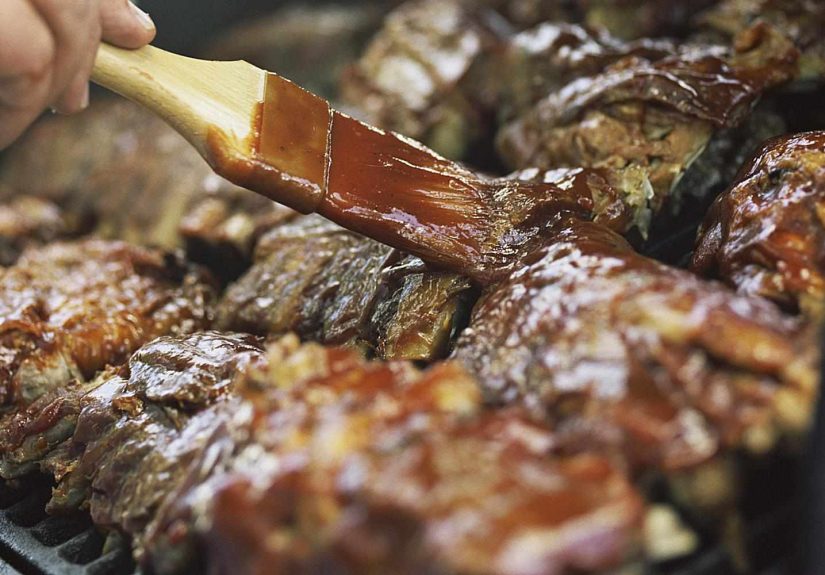
Molasses and brown sugar caramelize beautifullybut they can also scorch if you treat them like a fearless hero. Here’s how to apply sauce
like a pro:
As a glaze (best for ribs, chicken, pork chops)
- Brush on during the last 10–15 minutes of grilling or smoking.
- Apply in thin layers so it builds a sticky lacquer instead of a burnt blanket.
- Flip and re-glaze once or twice for shine.
As a finishing sauce (best for pulled pork, brisket slices, chopped chicken)
- Warm the sauce slightly so it coats better.
- Toss meat lightly, then serve extra on the side for dipping.
As a marinade (use with caution)
- Because it’s sweet, it can burn if used too early on high heat.
- If marinating chicken, keep it short (30 minutes to a few hours), then wipe off excess before grilling.
Make It Your Own (Regional-Inspired Tweaks)
This base recipe is a crowd-pleaser, but barbecue culture is basically “tweak culture.” Here are a few easy variations:
Carolina-leaning (brighter, tangier)
- Add 2–3 extra tbsp apple cider vinegar.
- Swap half the ketchup for tomato sauce to lighten the sweetness.
- Add a pinch of crushed red pepper for that vinegar-sauce spark.
Memphis-ish (buttery and balanced)
- Stir in 1–2 tbsp butter at the end for a richer finish.
- Add a dash of hot sauce for lift.
Kansas City-style vibe (thicker, sweeter)
- Reduce vinegar slightly and simmer a bit longer.
- Add an extra tablespoon of molasses for deeper sweetness.
Spicy chipotle (bold and smoky)
- Blend in 1–2 tbsp minced chipotle in adobo.
- Use distilled vinegar for a cleaner punch.
Sorghum twist (old-school Southern pantry)
- Replace half the molasses with sorghum syrup for a slightly brighter sweetness.
Storage and Food Safety
Let the sauce cool, then store it in a clean, airtight jar in the refrigerator. Because it’s acidic and sugary, it keeps wellbut it’s not immortal.
For best flavor, use it within 1–2 weeks. Many sauces can last longer (sometimes up to a month) when refrigerated and handled cleanly,
but freshness is your friend here.
Want to batch it? Freeze in small containers (or ice cube trays for sauce “buttons”) so you can thaw exactly what you need.
Common Problems and Quick Fixes
“It’s too sweet.”
- Add vinegar 1 tsp at a time.
- Add a pinch more salt.
- Add a little mustard or Worcestershire for savory balance.
“It’s too tangy/sharp.”
- Add 1–2 tbsp ketchup.
- Add 1 tbsp brown sugar (or a drizzle of molasses).
- Simmer 5–10 more minutes to mellow harsh edges.
“It’s too thick.”
- Add water 1 tbsp at a time until it brushes easily.
- Warm it gently before serving (cold sauce thickens).
“It tastes bitter.”
- If you used blackstrap molasses, you may have overdone it. Add ketchup + brown sugar to soften, and a little butter to round it out.
- Balance with a small splash of vinegar and a pinch of salt to re-center the flavor.
of Real-World Sauce Experiences (The Stuff Recipes Don’t Always Say)
Here’s what tends to happen the first time people make a Southern-style molasses barbecue sauce: they taste it at minute five and panic.
The sauce will often seem too sharp, too sweet, or weirdly flat before it’s had time to simmer and pull itself together. That’s normal.
Early on, vinegar stands in the doorway yelling, “HELLO, I’M HERE,” while molasses quietly unpacks its bags. After 20 minutes of gentle bubbling,
those flavors stop fighting and start acting like adults at a family reunion: still opinionated, but mostly polite.
Another very common experience: the sauce looks thin in the pot, then turns into a glossy, clingy masterpiece as it cools. This is because sugar
and tomato thicken as temperature drops. So if you reduce it until it’s “perfectly thick” while hot, it might become “spreadable jam” once chilled.
The move is to aim for slightly looser than you thinkespecially if you plan to brush it onto meat.
Then there’s the “burnt glaze heartbreak.” Sweet sauces (especially molasses-based ones) love medium heat and hate direct high heat for too long.
People often sauce ribs early, walk away feeling confident, and return to find the surface went from shiny to charred with the speed of gossip.
The better play: build bark first, sauce late, and glaze in layers. You get caramelization without the bitter burnt sugar note that can hijack
everything else.
You’ll also notice how much your meat changes the sauce. A spoonful tasted plain is not the same as sauce on smoky pork shoulder. Fat softens
acidity. Smoke adds bitterness and depth. Salt from rubs changes sweetness. That’s why “taste and adjust” isn’t just a cute suggestionit’s the
whole secret. Some cooks even keep a little extra vinegar nearby and add a tiny splash right before serving, because sauce sitting in the fridge
can lose a bit of its brightness.
And finally: sauce has a social life. It’s one of the fastest ways to make your barbecue feel personal. A little bourbon can make it feel warmer,
like it belongs next to a porch swing. A little mustard can nudge it toward Carolina territory. A little hot sauce can turn it from “family-friendly”
to “my uncle is bragging again.” You don’t need to reinvent it every time, but once you make the base a couple of times, you’ll start tweaking
instinctivelyless sugar for chicken, more tang for pulled pork, a little extra smoke for burgers. That’s how a recipe becomes your recipe.
Conclusion
A great Southern-style molasses barbecue sauce isn’t just sweetit’s sweet with structure. Molasses brings depth, vinegar keeps it lively,
tomato makes it familiar, and a few savory ingredients keep it from drifting into dessert territory. Make a batch, glaze something smoky, and keep a jar
in the fridge for instant “weeknight barbecue energy.” Your future self (and your grilled chicken) will be grateful.