Table of Contents >> Show >> Hide
- Slide 1: The Big WhySalt + Fluid = A Rough Day
- Slide 2: Worst Food #1Processed Meats (a.k.a. “Sodium in a Tube”)
- Slide 3: Worst Food #2Canned Soup, Instant Noodles, and “Just Add Water” Meals
- Slide 4: Worst Food #3Fast Food, Pizza, and Drive-Thru “Combo” Anything
- Slide 5: Worst Food #4Salty Snacks and “Crunchy Traps”
- Slide 6: Worst Food #5Pickles, Olives, and “Tiny Foods With Huge Salt Energy”
- Slide 7: Worst Food #6Sauces, Dressings, and Condiments (The Hidden Sodium Department)
- Slide 8: Worst-ish Food #7Sugary Drinks and Over-the-Top Sweets
- Slide 9: AlcoholWhen “Just One” Isn’t Always Just One
- Slide 10: Best Food #1Vegetables and Fruits (Fresh, Frozen, and Not Drowned in Sauce)
- Slide 11: Best Food #2Beans, Lentils, and Other Fiber MVPs
- Slide 12: Best Food #3Whole Grains (Steady Energy, More Fiber)
- Slide 13: Best Food #4Fish and Lean Proteins
- Slide 14: Best Food #5Healthy Fats (Olive Oil, Nuts, Seeds) in Realistic Portions
- Slide 15: Best Food #6Low-Fat or Fat-Free Dairy (When It Fits You)
- Slide 16: Label Reading in 60 Seconds (Because Sodium Loves Hiding)
- Slide 17: Potassium and Salt SubstitutesFriend or Frenemy?
- Slide 18: FluidsWhat Counts, and How to Make It Less Miserable
- Slide 19: A Heart-Failure-Friendly Day of Eating (Example Menu)
- Slide 20: Dining Out Without the Salt Spiral
- Real-Life Experiences: What People Wish They Knew Sooner (Bonus)
- Conclusion
If you’re living with heart failure, food can feel like it’s either on your team… or actively trying to start
drama in your bloodstream. The good news: you don’t need a joyless, flavorless life of steamed sadness.
You just need a smarter game planespecially around sodium (salt), fluids, and the kinds of fats and sugars
that make your heart work overtime.
This “slideshow-style” guide breaks down the best and worst foods for heart failure with practical
swaps, label-reading tricks, and real-life strategies you can actually use. As always, your cardiology team’s
advice winsbecause heart failure isn’t one-size-fits-all (and neither are sodium or fluid limits).
Slide 1: The Big WhySalt + Fluid = A Rough Day
Heart failure often means the heart can’t pump as efficiently as the body wants. One common result:
fluid can build up, causing swelling, weight gain, and shortness of breath. Sodium is a main
character in this story because it encourages the body to hold onto water. That’s why many heart failure
eating plans focus on lower sodium and sometimes fluid limits.
A realistic target many clinicians recommend is often around 2,000 mg sodium/day (sometimes more,
sometimes less depending on symptoms and severity). Translation: the salt shaker isn’t your only issue
most sodium usually comes from packaged, prepared, and restaurant foods.
Slide 2: Worst Food #1Processed Meats (a.k.a. “Sodium in a Tube”)
Bacon, sausage, deli meat, hot dogs, pepperoniprocessed meats are famous for high sodium and are often
higher in saturated fat too. In heart failure, that combo can worsen fluid retention and make it tougher
to manage blood pressure and symptoms.
Common “gotcha” examples
- Turkey slices that sound healthy but still pack hundreds of mg of sodium per serving
- Jerky, meat sticks, and “protein snacks” that double as salt licks
- Frozen breakfast sandwiches with processed meat + cheese (the sodium tag team)
Better swap
Choose fresh, minimally processed proteins: baked chicken, roasted turkey breast you cook yourself,
eggs, beans, fish, or low-sodium canned fish (and rinse when applicable).
Slide 3: Worst Food #2Canned Soup, Instant Noodles, and “Just Add Water” Meals
These are convenience royalty… and sodium royalty. Many soups and instant meals get most of their flavor
from salt. Even “light” options can be high once you eat the full container (because who eats half a soup
and walks away emotionally fulfilled?).
Better swap
- Look for “low sodium” or “very low sodium” versions
- Make a quick soup using no-salt-added broth, frozen vegetables, and rotisserie chicken (skin removed)
- Use herbs, garlic, black pepper, lemon, vinegar, and chili flakes for flavor
Slide 4: Worst Food #3Fast Food, Pizza, and Drive-Thru “Combo” Anything
Restaurant and fast foods are frequent sodium bombs because salt is cheap, tasty, and very good at making
you want another bite. Pizza adds a bonus: processed meat + cheese + salty crust + salty sauce. It’s like
sodium built a theme park and gave it a loyalty program.
Better swap
If you’re eating out: choose grilled options, ask for sauces on the side, skip salted sides, and split
portions. At home: build a “pizza-ish” meal with a whole-grain pita, no-salt-added sauce, veggies, and a
modest sprinkle of cheese.
Slide 5: Worst Food #4Salty Snacks and “Crunchy Traps”
Chips, pretzels, crackers, salted nuts, snack mixes: they don’t just add sodiumthey make it easy to
mindlessly keep going. Also watch “healthy-ish” crunchy items like flavored rice cakes and seasoned
popcorn. If it’s dusted with flavor, it’s often dusted with sodium.
Better swap
- Unsalted nuts or lightly salted versions in measured portions
- Air-popped popcorn with garlic powder, smoked paprika, and a squeeze of lime
- Crunchy veggies + hummus (choose lower-sodium hummus when possible)
Slide 6: Worst Food #5Pickles, Olives, and “Tiny Foods With Huge Salt Energy”
Pickles and olives are delicious… because they’re basically brined. Even small amounts can add up fast.
The same goes for sauerkraut, kimchi, and other fermented foods that may be high in sodium (they can still
fitjust with portion awareness and smarter brand choices).
Better swap
Try fresh crunchy toppings (cucumber, radish, cabbage slaw) dressed with vinegar, lemon, and herbs.
If you love pickles, keep it to a small serving and balance the rest of the day’s sodium.
Slide 7: Worst Food #6Sauces, Dressings, and Condiments (The Hidden Sodium Department)
Condiments can quietly turn a “healthy meal” into a sodium heavyweight: soy sauce, teriyaki sauce,
barbecue sauce, ketchup, salad dressings, seasoning blends, bouillon, and “just a splash” bottled marinades.
Cheese is also a common contributorespecially processed cheese and large portions.
Better swap
- Use vinegar + olive oil + herbs instead of bottled dressings
- Pick lower-sodium soy sauce or use citrus/ginger/garlic to boost flavor
- Choose smaller amounts of stronger cheeses (a little goes a long way)
Slide 8: Worst-ish Food #7Sugary Drinks and Over-the-Top Sweets
Sugar doesn’t always scream “heart failure issue” the way sodium does, but it matters. High added sugar
intake can contribute to weight gain and metabolic problems that make heart health harder to manage.
Many desserts also bring saturated fat along for the ride.
Better swap
Try fruit + yogurt, dark chocolate in small amounts, or “dessert-ish” options like baked apples with cinnamon.
For drinks: water, sparkling water with citrus, or unsweetened tea (within your fluid plan if you have one).
Slide 9: AlcoholWhen “Just One” Isn’t Always Just One
Alcohol guidance depends on the person and the cause of heart failure. Some people may need to avoid it,
especially if alcohol contributed to cardiomyopathy or if it interacts with medications. For others, clinicians
may advise strict limits. If you drink, keep it modest and discuss it with your care team.
Slide 10: Best Food #1Vegetables and Fruits (Fresh, Frozen, and Not Drowned in Sauce)
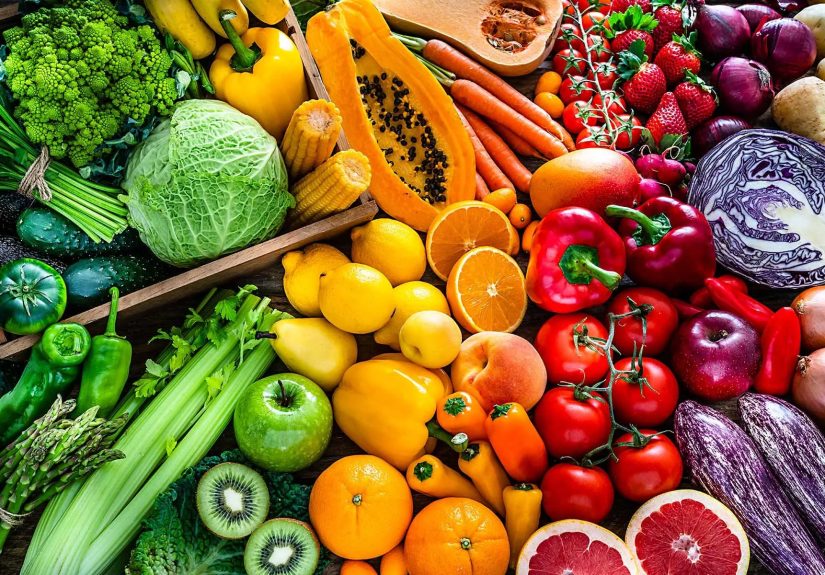
If your plate looks like a garden, your heart usually approves. Vegetables and fruits are naturally low in sodium
and support an overall heart-healthy pattern. Frozen produce is a lifesaverjust choose versions without added sauces
or seasoning packets.
Easy wins
- Fresh or frozen berries, apples, oranges, grapes
- Leafy greens, broccoli, peppers, carrots, green beans
- Roasted vegetables with olive oil, garlic, and lemon
Slide 11: Best Food #2Beans, Lentils, and Other Fiber MVPs
Beans and lentils offer fiber and plant protein and can help you feel full without leaning on salty processed foods.
If you use canned beans, choose “no salt added” when possibleor rinse regular canned beans to reduce sodium.
Try this
- Lentil chili with tomatoes, onions, cumin, and smoked paprika
- Black bean tacos with cabbage slaw and avocado (watch potassium guidance if relevant)
- Chickpeas tossed with olive oil, pepper, and herbs
Slide 12: Best Food #3Whole Grains (Steady Energy, More Fiber)
Whole grains like oats, brown rice, quinoa, and whole-wheat pasta fit well in heart-healthy eating patterns.
The main trick: choose minimally processed versions and watch sodium in packaged mixes.
Breakfast that doesn’t sabotage you
Oatmeal topped with fruit, cinnamon, and a spoon of unsalted nuts beats “breakfast sandwiches that taste like a salt factory.”
Slide 13: Best Food #4Fish and Lean Proteins
Fish (especially fatty fish like salmon) can be part of a heart-healthy pattern. Lean poultry, eggs, and plant proteins
can also work wellwhat matters is preparation: grilled, baked, roasted, and not heavily salted.
Quick protein ideas
- Salmon with lemon and black pepper
- Chicken bowl with brown rice, roasted veggies, and a yogurt-herb sauce
- Egg scramble with spinach and mushrooms (skip salty processed meat add-ons)
Slide 14: Best Food #5Healthy Fats (Olive Oil, Nuts, Seeds) in Realistic Portions
Healthy fats can support an overall heart-healthy pattern, but they’re still calorie-denseso think “supporting actor,” not “entire movie.”
Choose unsalted nuts and seeds; flavored versions can sneak in sodium.
Slide 15: Best Food #6Low-Fat or Fat-Free Dairy (When It Fits You)
Many heart-healthy eating plans include fat-free or low-fat dairy options. Watch sodium in cheesesespecially processed slices and “cheese products.”
If dairy doesn’t work for you, talk with a clinician or dietitian about alternatives for calcium and protein.
Slide 16: Label Reading in 60 Seconds (Because Sodium Loves Hiding)
Labels are your secret weapon. Here’s the fast version:
- Check serving size (then be honest about how much you’ll actually eat).
- Look at sodium per serving and multiply if you’re eating more than one serving.
-
Use FDA sodium claims as shortcuts:
- “Low sodium” = 140 mg sodium or less per serving
- “Very low sodium” = 35 mg or less per serving
- “Sodium-free” = less than 5 mg per serving
-
Watch for sneaky sodium words:
brined, cured, smoked, pickled,
instant, seasoned, or anything that sounds like it spent time in a salt spa.
Slide 17: Potassium and Salt SubstitutesFriend or Frenemy?
Potassium can be a heart-healthy nutrient for many people, but in heart failure it can get complicated because
some medications (and kidney issues) can raise potassium levels. That’s why some people with heart failure are told
to limit high-potassium foods or avoid potassium-based salt substitutes.
Practical rule
Don’t “upgrade” to potassium salt substitutes without your clinician’s green lightespecially if you take
ACE inhibitors, ARBs, or potassium-sparing diuretics, or if you’ve been told your kidney function or potassium is a concern.
Slide 18: FluidsWhat Counts, and How to Make It Less Miserable
Some people with heart failure are asked to limit fluids (often individualized). Fluids can include water, coffee, tea,
milk, juice, soda, soup, and even ice. If you have a fluid limit, track it like it mattersbecause it does.
Tips people actually use
- Use smaller cups so the “full cup” feeling arrives sooner
- Rinse your mouth, chew sugar-free gum, or use ice chips (count them if your plan requires)
- Go for cold fruit (grapes, berries) to reduce dry-mouth cravings without chugging drinks
- Weigh daily if your care team recommends itsudden weight gain can signal fluid retention
Slide 19: A Heart-Failure-Friendly Day of Eating (Example Menu)
Not a prescriptionjust a blueprint you can customize with your clinician or dietitian.
Breakfast
- Oatmeal cooked without salt + berries + cinnamon
- Optional: unsalted nuts for crunch
Lunch
- Big salad (greens, tomatoes, peppers, cucumbers) + grilled chicken or chickpeas
- Dressing: olive oil + vinegar + herbs (instead of bottled dressing)
- Fruit on the side
Dinner
- Baked salmon with lemon, pepper, and garlic
- Roasted vegetables
- Brown rice or quinoa
Snack ideas
- Unsalted nuts (portion-controlled)
- Greek yogurt (check sodium) + fruit
- Raw veggies + lower-sodium hummus
Slide 20: Dining Out Without the Salt Spiral
You can eat out and still respect your heart failure dietjust plan like a person who has been betrayed by restaurant sodium before.
- Ask for sauces and dressings on the side
- Choose grilled, baked, or roasted options
- Swap fries for vegetables or a salad (watch dressing)
- Split entrees or box half immediately
- If possible, look up nutrition info ahead of time
Real-Life Experiences: What People Wish They Knew Sooner (Bonus)
Let’s talk about the part nobody puts on a nutrition label: life. The hardest thing about a heart failure diet
usually isn’t learning what to avoidit’s learning how to live normally while avoiding it. Here are some common
experiences people share (and the strategies that tend to stick).
1) The “I didn’t even add salt” surprise. A lot of people start out thinking the salt shaker is the villain,
only to realize their biggest sodium sources were bread, deli meat, canned soup, frozen meals, and restaurant food.
The first week can feel like betrayalespecially when you discover your “healthy turkey sandwich” is basically a sodium subscription.
A helpful turning point is picking two high-sodium staples to replace (like deli meat and canned soup), rather than trying to fix
your entire life by Tuesday.
2) Taste buds rebootyes, it’s real. Many people report that after a few weeks of lower sodium eating, foods they used to love
start tasting aggressively salty. At first, it’s annoying (because fries should be joyful), but then it becomes a superpower:
you need less salt to feel satisfied. What helps during the awkward “everything tastes bland” phase? Acid and aroma.
Lemon, lime, vinegar, garlic, onion, ginger, black pepper, cumin, smoked paprika, and fresh herbs do a lot of heavy lifting without sodium.
One person’s “I miss salt” became “I miss flavor,” and flavor is absolutely still on the menu.
3) The restaurant learning curve. People often share a similar progression: first, they stop going out (sad);
then they go out and feel sick from sodium (also sad); then they learn to order like a pro (victory).
The biggest wins usually come from small scripts: “Can you cook this without added salt?” “Sauce on the side?”
“Can I swap the soup for steamed vegetables?” It’s not being high-maintenanceit’s being heart-maintenance.
Some people also keep a “safe list” of go-to meals at favorite places so they don’t have to negotiate every time.
4) The fluid plan can be tougher than the food plan. If you’re on a fluid restriction, the emotional side is real:
thirst doesn’t care that you have goals. People often succeed by changing the pattern instead of the willpower:
smaller cups, scheduled sips, ice chips, cold fruit, and keeping lips/mouth comfortable (lip balm, sugar-free gum, mouth rinse).
Several people find that reducing sodium helps thirst, which makes fluid limits more doablelike a domino effect in your favor.
5) Progress looks like “fewer bad days,” not perfection. A common experience is realizing that the goal isn’t a perfect diet;
it’s better symptom control, steadier weight, fewer swelling episodes, and fewer scary “why can’t I breathe comfortably?” moments.
People often track what actually impacts themcertain salty meals, specific restaurant dishes, or particular snacksthen adjust with targeted swaps.
The most sustainable approach usually includes room for enjoyment: a small portion of a favorite food balanced with lower sodium choices the rest of the day,
and a plan for the next meal instead of guilt.
Conclusion
Managing heart failure with food isn’t about punishmentit’s about reducing the stuff that pushes your body toward fluid overload and symptoms.
Start with the biggest levers: lower sodium, smarter choices with processed foods, and personalized guidance on fluids and potassium.
Then build meals you genuinely want to eatbecause a plan you can live with beats a perfect plan you’ll quit.
If you want the fastest upgrade: pick two high-sodium “usual suspects” to replace this week, read labels like a detective,
and ask your care team what sodium/fluid targets are right for you.