Table of Contents >> Show >> Hide
- Why We Love Ranking Sleepy Hollow
- Ranking the Big Screen and Small Screen Sleepy Hollows
- Ranking the Best Episodes of the Sleepy Hollow TV Show
- Critics vs. Fans: Sleepy Hollow Opinions Compared
- What Makes a Sleepy Hollow Adaptation “Great”?
- How to Build Your Own Sleepy Hollow Ranking
- of Sleepy Hollow Fan Experience and Opinions
Few spooky stories have had the staying power of Sleepy Hollow. From Washington Irving’s
original 1820 tale of Ichabod Crane and the Headless Horseman to Tim Burton’s fog-drenched 1999 movie
and the wild, time-traveling Fox TV series, this little haunted valley has become one of horror’s
most frequently revisited neighborhoods. And like any fandom with multiple versions, people have
very strong Sleepy Hollow opinions.
This guide brings together rankings and opinions from critics, fan-voted lists, and long-time viewers
to answer a few essential questions: Which Sleepy Hollow adaptation is the best? Are the
show’s early seasons really that much better than the later ones? And where does Burton’s 1999 film sit
in the pantheon of Halloween classics? Consider this your friendly, slightly obsessive tour through
Sleepy Hollow rankings and the debates that come with them.
Why We Love Ranking Sleepy Hollow
Ranking Sleepy Hollow versions is half logic, half vibes. On the “logic” side, we’ve got critic scores,
audience ratings, awards, and box office performance. On the “vibes” side, there’s nostalgia, how often
people rewatch a version every October, and whether a particular Headless Horseman still pops into your
mind when the streetlights flicker.
Critics have generally been kind to Sleepy Hollow adaptations. The 1999 Tim Burton film holds a solid
approval rating on major review aggregators and is often praised for its cinematography, gothic set
design, and Danny Elfman’s moody score. The Sleepy Hollow TV series (2013–2017) premiered
to surprisingly strong reviews and quickly developed a devoted fanbase thanks to its genre-bending
blend of supernatural horror, procedural drama, and buddy-cop comedy.
At the same time, fan communities regularly point out the flaws: uneven later seasons, loose plot
threads, and wild tonal shifts. That tension between critical respect and fan frustration is part of
what makes Sleepy Hollow rankings so interestingalmost everyone agrees the Headless Horseman is cool,
but no one agrees on which version nailed him best.
Ranking the Big Screen and Small Screen Sleepy Hollows
Let’s start with the heavy hitters: the adaptations most viewers encounter first. This isn’t a
definitive, written-in-blood rankingmore like a well-informed short list combining critic data,
audience scores, and long-running fan opinions.
#1: Tim Burton’s Sleepy Hollow (1999)
For many modern viewers, Sleepy Hollow (1999) is the default version. It’s not a faithful
adaptation of Irving’s story so much as a full-blown gothic horror film dressed in Victorian lace and
fog machines. Critics praised its visual flair, its elaborate sets, and the way Burton turned the
humble Hudson Valley into a richly stylized nightmare village.
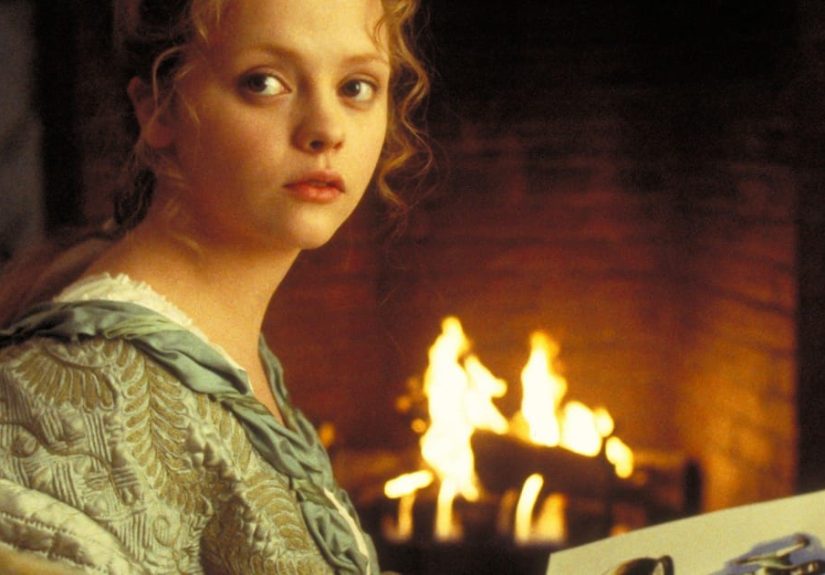
Johnny Depp’s Ichabod Crane is reimagined as a nervy, squeamish New York constable who relies on
early forensics instead of schoolbooks. Christina Ricci adds softness and mystery as Katrina Van
Tassel, while Christopher Walken’s feral, sharp-toothed Horseman is the kind of casting decision that
feels like it came from a late-night dare and ended up iconic.
The general opinion: Burton’s film is not “Washington Irving’s” Sleepy Hollow, but it is an
atmospheric, rewatchable Halloween staple. For many fans, this is their top-ranked Sleepy Hollow
movie because it leans all the way into gothic spectacle and never apologizes for it.
#2: The Adventures of Ichabod and Mr. Toad (1949)
Disney’s animated take on Sleepy Hollow is still one of the most widely loved versions, especially for
viewers who grew up watching it around Halloween. The Ichabod segment of this double-feature sticks
closer to Irving’s story, with a lanky, comically vain Ichabod, a jealous Brom Bones, and a
gloriously staged chase sequence with the Headless Horseman.
On most adaptation lists, this one ranks high because it balances spooky atmosphere with family-friendly
humor. It might not be the scariest adaptation on the list, but it’s the one that quietly lodged the
Horseman in millions of kids’ imaginationsearning it a permanent place near the top of Sleepy
Hollow rankings and opinions.
#3: The Sleepy Hollow TV Series (2013–2017)
Fox’s Sleepy Hollow TV show takes the barebones premise of Irving’s story and turns it into
a full-blown apocalyptic fantasy. Ichabod Crane (Tom Mison), now a Revolutionary War soldier, wakes
up in modern-day Sleepy Hollow and teams up with Lt. Abbie Mills (Nicole Beharie) to fight the
Headless Horsemanwho also happens to be one of the Four Horsemen of the Apocalypse.
The first season won critics over with its brisk pacing, chemistry between the leads, and willingness
to be unapologetically weird. Media outlets highlighted the show’s “fun romp” energy and its
mashup of horror, fantasy, and buddy-cop banter. Fans still point to Season 1 as a near-perfect
blend of mythology and monster-of-the-week storytelling.
Later seasons, however, are where opinions split. Some viewers enjoyed the expanded lore, while others
felt the show became too convoluted and lost focusespecially after major cast and story changes. As a
result, the series as a whole usually ranks below Burton’s film and the Disney classic, but its
best episodes are still cherished by fans and often top “best of Sleepy Hollow TV” lists.
#4 and Beyond: Cult Favorites and Deep Cuts
Beyond these three, there are plenty of lesser-known adaptations: low-budget horror movies, TV movies,
and anthology episodes inspired by Irving’s story. Some regional outlets and horror blogs like to rank
these, highlighting obscure titles that lean harder into slasher territory or reinterpret the Horseman
as a more modern urban legend.
These rarely crack the mainstream top three, but for completists, they add texture to the Sleepy Hollow
universe and contribute to the larger conversation about what makes a “good” adaptation of the Headless
Horseman myth.
Ranking the Best Episodes of the Sleepy Hollow TV Show
If you’re specifically interested in Sleepy Hollow TV rankings, fan-voted episode lists and
critic picks tend to agree on a few standout entries. While every list is a bit different, certain
episodes repeatedly land at the top:
-
“Pilot” (Season 1, Episode 1) – The episode that started it all. Ichabod waking up in
modern times, Abbie’s introduction, and the first modern sighting of the Headless Horseman are
frequently cited as some of the show’s best moments. It’s a strong, cinematic opener that hooked
both critics and viewers. -
“This Is War” (Season 2, Episode 1) – This high-stakes premiere doubles down on the
apocalyptic tone, with fan-favorite character dynamics and major plot reveals. Many rankings put it
among the show’s most intense hours. -
“The Sin Eater” (Season 1) – Introducing a key mystical figure and deepening Ichabod’s
backstory, this episode is a favorite for viewers who love the show’s mythological and emotional
layers. -
“Bad Blood” (Season 1 finale) – A cliffhanger-heavy, twist-filled finale that showed
just how wild the series was willing to get. Fans often point to this episode as the moment they
realized the show was playing the long game. -
Later Standouts – Even critics who were lukewarm on the later seasons will usually admit
that certain episodes still delivered inventive monsters, strong character beats, or beautifully
creepy imagery.
Fan communities frequently rank Season 1 as the best, Season 2 as uneven but ambitious, and later
seasons as “for completists only.” That said, even those who dropped off the series mid-run often look
back fondly on its early episodes as underrated gems in the broader supernatural TV landscape.
Critics vs. Fans: Sleepy Hollow Opinions Compared
One of the most interesting parts of Sleepy Hollow rankings is the gapsometimes small, sometimes
dramaticbetween critics’ views and fan opinions.
On the 1999 Film
Critics generally describe Tim Burton’s Sleepy Hollow as stylish, atmospheric, and
entertaining, even if it’s not considered his absolute masterpiece. Reviewers praise the production
design, the moody lighting, and the way the film leans into Hammer Horror–style theatrics.
Fans, meanwhile, often go a step further. For many horror and goth enthusiasts, the movie is an annual
tradition and a top-tier Halloween choice. It frequently appears near the top of fan-made rankings of
Burton movies, gothic horror films, and Sleepy Hollow adaptations in general. Some viewers do criticize
its loose connection to Irving’s original story, but for most, the trade-off in atmosphere and fun is
worth it.
On the TV Series
Critics loved the first season of the TV show, praising its pace, inventive premise, and the
chemistry between Ichabod and Abbie. Some TV critics even put the series on their lists of best new
shows of 2013, noting how refreshing it was to see a genre drama that embraced both horror and humor.
Among fans, opinions tend to follow a curve: very enthusiastic at first, then more cautious as
subsequent seasons introduced new mythology twists and controversial creative decisions. Online
discussions often mention that changes to the core cast and story shifted the show’s tone and made
later seasons feel disconnected from what made Season 1 so special.
The result: when people rank Sleepy Hollow as a TV property, they usually separate “Season 1 + a few
standout episodes” from “the show as a whole.” This is a great example of how rankings and opinions
become more nuanced over time.
What Makes a Sleepy Hollow Adaptation “Great”?
Across rankings and reviews, a few common criteria appear again and again when people talk about their
favorite Sleepy Hollow versions:
-
Atmosphere: Fog, candlelight, autumn leaves, creaking bridgesyou know the vibe. The
strongest versions nail that eerie, late-October feeling. -
A Memorable Ichabod Crane: Whether he’s a nervous schoolteacher, a forensic-minded
constable, or a time-displaced soldier, Ichabod needs personality, flaws, and a sense of humor. -
A Truly Unsettling Horseman: The Headless Horseman has to be more than a gimmick. The
best adaptations give him real menace or mythological weight. -
Respect for the Core Story (With Room to Play): Fans generally don’t mind big swings,
but they want some echo of the original themesfear, superstition, and the line between legend and
reality. -
Replay Value: The entries that rank highest are the ones people revisitevery fall,
with friends, as comfort horror, or as an annual tradition.
Put simply, the best Sleepy Hollow adaptations are the ones that feel like a proper October
ritual: you dim the lights, grab a blanket, and let the Horseman ride again.
How to Build Your Own Sleepy Hollow Ranking
Here’s the fun part: your personal Sleepy Hollow opinions matter just as much as any critic or fan poll.
To create your own ranking, try this:
-
Watch (or rewatch) the major versions: Burton’s film, the Disney animated feature, and at least the
first season of the TV series. - Note what sticks with you: Is it the visuals, the humor, the scares, the romance, or the lore?
-
Decide what you value most: Faithfulness to Irving, or bold reinterpretation? Goth aesthetics or
cozy, campfire-style spooks? -
Rank each adaptation on a few simple axes: atmosphere, characters, story coherence, and rewatch
appeal.
You might find that your list looks nothing like “official” rankingsand that’s the fun of Sleepy
Hollow discourse. Some fans will die on the hill that the Disney version is unbeatable. Others insist
the TV show’s early episodes are the most inventive retelling ever put on screen. And then there are
the people who just want more Christopher Walken, no matter the decade.
of Sleepy Hollow Fan Experience and Opinions
Rankings and numbers are helpful, but the real heart of Sleepy Hollow fandom lives in personal
experiences. Ask people about Sleepy Hollow, and you’ll often get stories instead of statistics.
For some, the Disney version was their introduction to “safe” horror. They remember watching it on TV
as kids, slightly terrified but completely fascinated, clutching a pillow while Ichabod rode through
the woods. Those viewers often rank the animated adaptation at the very top of their listnot because
it’s the most technically impressive, but because it shaped their entire idea of what a spooky story
should feel like.
Others discovered Sleepy Hollow as teenagers or adults through the 1999 film. They’ll tell you about
renting it on VHS, then DVD, then streaming it every October. For this group, Burton’s version
represents a very specific aesthetic: late-’90s horror with heavy practical effects, lush costumes, and
a blend of romance and dread. Their rankings often put the film in a special “Halloween core” tier,
right alongside other yearly staples.
Then there are the TV show loyalists. Many of them stumbled onto the series by accidentmaybe from a
trailer during a baseball game or a recommendation from a friendand stayed because they fell in love
with Ichabod and Abbie’s dynamic. Some fans talk about how the show’s mix of horror, humor, and
history got them through stressful times, or how live-tweeting new episodes became a weekly ritual.
Even if they feel the series lost its way later, their rankings often carve out a separate category
for “Season 1 Sleepy Hollow,” which they treat almost like its own, near-perfect miniseries.
Visiting the real village of Sleepy Hollow in New York adds another layer of opinion. Tourists and
locals who attend Halloween events there often talk about how strange and delightful it is to walk
through an actual place that’s become a sort of shared mental movie set. They compare their favorite
on-screen versions to the real Old Dutch Church, the nearby cemetery, and the leafy roads that seem
made for ghost stories. Some say the trip made them appreciate the subtler, more folklore-driven
versions; others went home and immediately rewatched Burton’s film just to spot the details inspired
by the Hudson Valley landscape.
Online, Sleepy Hollow discussions tend to be good-naturedly chaotic. You’ll see detailed debates about
whether Ichabod works better as a cowardly teacher or a heroic soldier, or whether the Horseman should
be more supernatural monster than tragic figure. Fans share fan art, cosplay, and travel photos from
Sleepy Hollow, NY. People swap “starter lists” for newcomers: “Watch this movie, these two episodes,
and this cartoon; then decide which version you like best.”
At the end of the day, Sleepy Hollow rankings and opinions are really about how this story
keeps reinventing itself while staying instantly recognizable. Everyone has their own “definitive”
Horseman, their own preferred Ichabod, and their own favorite version of that moonlit ride through the
woods. If anything, that’s the clearest sign that the legendand its many adaptationsis still very
much alive.
So don’t be afraid to make your own list, argue about it with friends, and adjust it every Halloween.
In a fandom built on a headless rider charging through the dark, changing your mind is practically
part of the tradition.