Table of Contents >> Show >> Hide
- What Are SleepPhones Wireless, Exactly?
- Quick Specs (The Stuff You Actually Want to Know)
- Comfort & Fit: The Main Reason People Buy These
- Sound Quality: Better Than You Expect, Not Magic
- Bluetooth Performance & Controls: Simple (Mostly in a Good Way)
- Battery Life & Charging: The Best Part… With One Annoyance
- Washing & Maintenance: Surprisingly Important for a “Wearable Pillow Thing”
- Durability & Warranty: The Honest Talk
- Is It Safe to Sleep With Headphones?
- SleepPhones Wireless vs. Alternatives
- Who Should Buy SleepPhones Wireless?
- Tips to Get the Best Experience
- Verdict: Are SleepPhones Wireless Worth It?
- Experiences: 10 Real-Life Moments That Tell You What SleepPhones Wireless Is Like (500+ Words)
Some products exist because an engineer saw a problem. SleepPhones Wireless exists because a human being tried to fall asleep next to another human being who apparently trains for a competitive snoring league.
If you’ve ever attempted bedtime audio with “normal” headphones, you already know the two possible endings: (1) ear pain, or (2) you wake up tangled like a headphone-themed seafood platter. SleepPhones Wireless tries to give you a third ending: drift off comfortably with sound, keep your ears happy, and avoid cords altogether.
This review breaks down what SleepPhones Wireless is actually like to live withcomfort, sound, battery, washing, durability, and who it’s best for with a few real-world scenarios sprinkled in, because sleep products always behave differently at 2:17 a.m.
What Are SleepPhones Wireless, Exactly?
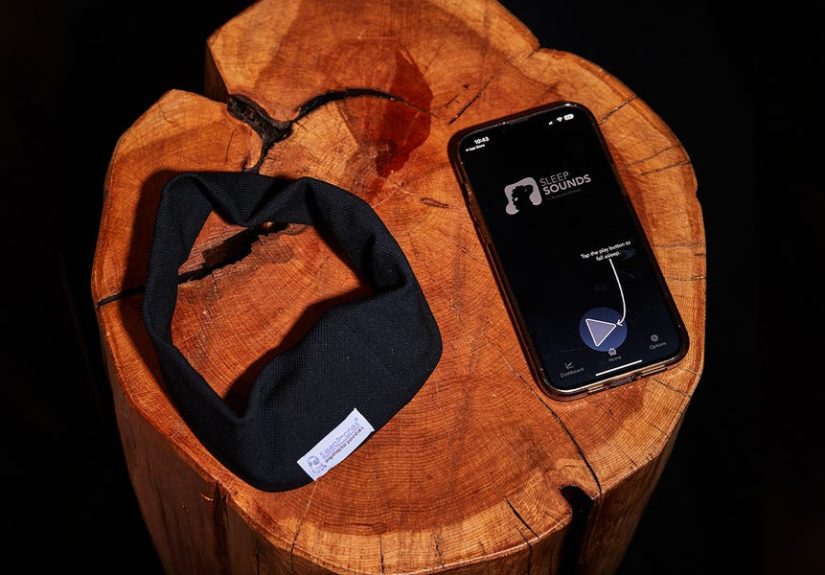
SleepPhones Wireless are Bluetooth “headphones in a headband.” Instead of rigid earcups or in-ear tips, you get a soft fabric band with thin, flat speakers inside. The headband sits over your ears (not inside your ear canal), and a small control module lives along the bandtypically positioned toward the back of your head so you’re not sleeping on a chunky plastic remote.
The idea is simple: keep sound close enough for you to hear clearly at low volume, while staying comfortable for side sleeping. The payoff is also simple: less “ear-poke,” less partner disturbance, and less bedtime wrestling with wires.
SleepPhones Wireless is the mainstream, cord-free model in the lineup. (There are other variantslike wired versions and induction-charging modelsbut this review focuses on the Bluetooth Wireless version most people mean when they say “SleepPhones Wireless.”)
Quick Specs (The Stuff You Actually Want to Know)
- Bluetooth: Bluetooth 5.0 (AAC listed in manufacturer specs)
- Wireless range: roughly 15–30 feet in typical conditions
- Battery claim: up to 24 hours on a full charge
- Charging: micro-USB cable; about 4 hours for a full charge
- Frequency range: 20 Hz–20 kHz (listed spec)
- Fabric blend: polyester/spandex blend (listed spec)
- Care: speakers + module are removable; headband is machine washable
- Warranty: one-year limited warranty
- Price: typically around the $100 mark (varies by sales/retailers)
Those specs are the headline, but the real story is how they feel at bedtime, how annoying they are to maintain, and how often you’ll actually use them after the “new gadget glow” wears off.
Comfort & Fit: The Main Reason People Buy These
Side sleepers: yes, this is what you’re here for
SleepPhones Wireless tends to shine for side sleepers because the speakers are flat and padded rather than hard earbuds pushing into your ear canal. You’re still lying on something, surebut it’s much closer to “soft coin in a pocket” than “plastic pebble in your ear.”
The comfort win is especially noticeable if you’ve tried sleep earbuds and woke up with that tender cartilage feelingthe one that makes you wonder if your ear is filing a formal complaint. A headband design distributes pressure more gently and avoids the inside-the-ear contact altogether.
Fit is not adjustable, so sizing matters
Here’s the part people gloss over until it’s too late: SleepPhones are stretchy, but they’re not infinitely adjustable like a strap-based sleep mask. If your headband is too loose, it can shift and you’ll constantly “hunt” for speaker placement. If it’s too tight, it can feel snug in a way that’s fine at 9 p.m. but annoying at 3 a.m.
The good news is the brand offers multiple sizes, and the best move is to measure your head circumference (yes, like you’re fitting a helmet for your bedtime podcast career).
Fabric choice: Breeze vs. Fleece is a bigger deal than it sounds
Most buyers end up choosing between a lighter, more breathable fabric and a warmer fleece. If you run hot at night, the breathable option is usually the smarter play. If you’re always cold, fleece can feel cozybut it can also trap heat if you’re the type who flips the pillow to “the cool side” every 12 minutes.
The “speaker drift” issue (and why it’s not a dealbreaker for everyone)
Because the speakers sit inside fabric channels, they can move. Some people never notice. Others notice constantlyespecially if they toss and turn or if the fit is on the looser side. The practical fix is to position the speakers carefully before you lie down, then do a quick “micro-adjust” through the fabric once you’re on your pillow.
If you’re the kind of person who can’t ignore a slightly crooked picture frame, be aware: speaker positioning might become your new bedtime “one more thing.”
Sound Quality: Better Than You Expect, Not Magic
SleepPhones Wireless is built for sleep audio: podcasts, audiobooks, guided meditation, white noise, rain sounds, and the occasional “I need music so my brain stops sprinting.” For those uses, the sound is typically clear enough, andcruciallyyou don’t need high volume to understand spoken-word audio.
Where it won’t compete is big, dramatic music with deep sub-bass and sparkling detail. The speakers are thin and embedded in fabric, so they don’t move air like full-size headphones. Think: “pleasant and functional,” not “hi-fi concert in your pillow.”
Noise blocking vs. noise masking
SleepPhones Wireless doesn’t do active noise cancellation (ANC). Instead, it helps you mask noise by playing something you’d rather hear. The headband also provides a little passive dampening, but it’s not the same as sealing your ear canal with earplugs.
Translation: it can help with mild-to-moderate background noise (traffic hum, distant TV, normal snoring). For “chainsaw snoring” or loud roommates, you may still need earplugs or a dedicated noise solutionand then you’re back to the comfort tradeoffs.
Bluetooth Performance & Controls: Simple (Mostly in a Good Way)
Pairing is straightforward for most phones and tablets. Once connected, the experience is basically “set it and forget it” until you switch devices. The controls are typically a three-button setup that covers play/pause, volume up/down, and track skipping. That’s great because you don’t want a dozen buttons near your face at bedtime like you’re piloting a spaceship to Dreamland.
The module placement toward the back is generally smart for sleep comfort, but it can still be noticeable if you sleep flat on your back with your head pressed into the pillow. Side sleepers usually have an easier time avoiding direct pressure on the module.
Range reality
The listed range is modest, and real-world range depends on walls, interference, and where your phone ends up. If your device is on the nightstand, you’re typically fine. If your phone is in another room because you’re “reducing screen time,” the Bluetooth gods may have opinions.
Battery Life & Charging: The Best Part… With One Annoyance
Battery life is a major selling point. A long-lasting battery means you’re not doing the nightly “charge panic” ritual. Many users can get multiple nights before charging, depending on volume and how long they actually listen.
The annoyance: charging uses micro-USB. In a world where most of us have a drawer full of USB-C cables (and another drawer where old cables go to retire), micro-USB feels dated. It still worksit’s just one more cable to keep track of, and one more chance to be rummaging around in the dark when you should be sleeping.
If you care deeply about modern charging convenience, it’s worth knowing that the brand’s induction-charging models exist. But if your priority is comfort plus reliable battery life, the Wireless model still holds its own.
Washing & Maintenance: Surprisingly Important for a “Wearable Pillow Thing”
SleepPhones Wireless headbands are designed to be machine washable, but you must remove the internal components first. This matters more than you’d think, because headbands absorb skin oils and sweat over time. A stretched-out band can become a slippery band, and then your speakers start wandering like they’re looking for better seats.
How washing works (without turning it into a chore)
- Open the hook-and-loop pocket in the back of the band.
- Remove the Bluetooth module and both speakers.
- Machine wash the fabric band (follow care guidance; avoid fabric softener).
- Let it dry fully, then reinsert speakers (left/right are typically color-marked).
This is not difficult, but it’s slightly fiddlyespecially the first few times. After that, it becomes a routine, like cleaning your water bottle: mildly annoying, undeniably worth it.
Durability & Warranty: The Honest Talk
Any sleep product that gets worn, twisted, and occasionally yanked off in a half-asleep haze is going to face durability challenges. With SleepPhones Wireless, long-term durability depends on how aggressively you handle the band, how often you wash it, and whether the internal wiring gets strained during removal/reinsertion.
The company offers a one-year limited warranty, which is helpfuland sets expectations that this is a wearable device, not a cast-iron skillet you pass down to your grandchildren.
The best durability habits are boring but effective: don’t yank cords, don’t wrap anything too tightly, keep charging gentle, and avoid stuffing the module into a bag like it’s a sock.
Is It Safe to Sleep With Headphones?
In general, sleeping with audio is considered reasonable when you keep volume at a safe level, use comfortable gear, and avoid anything that could cause pressure pain or skin irritation. The main risks people overlook are hearing damage from excessive volume, discomfort that disrupts sleep, and hygiene issues (especially with in-ear devices).
A headband design like SleepPhones can be a safer-feeling alternative to earbuds for many sleepers because it avoids deep insertion and reduces “ear canal irritation” for those sensitive to it. Still, the best practice is simple: keep volume low, use a sleep timer (from your phone/app if the headphones don’t provide one), and don’t treat overnight audio like an eight-hour concert.
SleepPhones Wireless vs. Alternatives
Versus cheap headband sleep headphones
Budget headbands can be tempting, and some are perfectly fine. But cheaper models often use thicker speaker disks and less refined fabrics, which can make side sleeping less comfortable. SleepPhones tends to stand out for thin speakers and a more “purpose-built” feel.
Versus sleep earbuds (like low-profile sleep buds)
Sleep earbuds can offer better isolation (especially when they seal your ear canal) and may feel more stable for some people. But if earbuds hurt your ears, fall out, or make you feel “plugged up,” a headband can be a huge quality-of-life upgrade.
Versus a speaker or sound machine
If you sleep alone or your partner doesn’t mind noise, a bedside speaker or sound machine can be the simplest solutionno wearables required. But if you need private audio, travel often, or share a bed with someone who prefers silence, SleepPhones makes the “private bubble” easier.
Who Should Buy SleepPhones Wireless?
- Side sleepers who hate earbuds and want something pillow-friendly.
- Podcast and audiobook people who don’t need stadium-level bass at bedtime.
- Light sleepers who benefit from masking mild-to-moderate background noise.
- Travelers who want a soft, packable way to listen without bothering others.
- Anyone sharing a bed who wants their own audio without turning bedtime into a duet.
Who should skip (or think twice)
- Audiophiles who expect premium headphone sound and big bass.
- People who need true noise blocking (ANC or earplug-level isolation).
- Anyone who hates fiddling with speaker placement and wants a “zero-adjustment” solution.
- USB-C purists who refuse to own one more micro-USB cable on principle.
Tips to Get the Best Experience
- Measure your head before ordering so the band stays put overnight.
- Use a sleep timer on your phone/app to prevent all-night audio exposure and save battery.
- Position speakers first while sitting up, then do a final micro-adjust after you lie down.
- Keep volume lowif you can hear it clearly, it’s probably loud enough.
- Wash the headband periodically so it doesn’t stretch and start slipping.
- Charge proactively (not at 1% right before bed, unless you enjoy stress as a hobby).
Verdict: Are SleepPhones Wireless Worth It?
SleepPhones Wireless is one of those products where the “worth it” depends almost entirely on your sleep style. If you’re a side sleeper who wants comfortable bedtime audio without earbuds, it’s a strong optionand the headband format genuinely solves problems traditional headphones create.
The tradeoffs are real: no active noise cancellation, sound that’s “good for sleep” rather than “studio quality,” a charging standard that feels stuck in the past, and the occasional need to adjust speaker placement. But if the main goal is comfort and private bedtime audio, those compromises often feel reasonable.
In short: SleepPhones Wireless is not trying to be your best headphones. It’s trying to be your best sleep headphones. And for many sleepers, that’s exactly the point.
Experiences: 10 Real-Life Moments That Tell You What SleepPhones Wireless Is Like (500+ Words)
Night 1 is always the honeymoon. You put on the headband, press play, and feel like a futuristic monk who has achieved inner peace through Bluetooth. The audio is clear. Your ears don’t hurt. You think, “This is it. I have hacked sleep.” Then Night 2 arrives with the reality check: you shift onto your side, the speaker slides half an inch, and suddenly the narrator of your audiobook sounds like they walked into another room. You learn the first core skill of SleepPhones ownership: the stealth adjustment, performed through fabric, in near darkness, while half-asleep, without fully waking up.
By Night 4, you’re developing opinions about fabric the way people develop opinions about mattress firmness. If you run warm, you appreciate the breathable feel because your head is not a space heater. If you run cold, fleece can feel like a gentle huguntil you wake up at 3 a.m. wondering why your forehead feels like it’s wearing a winter hat indoors. The headband becomes less “product” and more “bedtime gear,” like a favorite pillow or that one blanket you’d rescue first in a fire (after the people, obviously).
The most telling moment usually happens when you travel. In a hotel, you pull the headband down like a makeshift eye mask, put on soft rain noise, and suddenly the hallway sounds feel farther away. It’s not magical silence, but it’s enough distance that your brain stops monitoring every door slam as a potential threat. On a plane, you realize the headband isn’t designed to crush engine noise into oblivion, but it makes the environment tolerable in a “I can finally unclench my jaw” wayespecially if you’re listening to a calm podcast at low volume.
Then there’s the “shared bed diplomacy” test. If you have a partner, SleepPhones can be the difference between “We both sleep” and “We negotiate audio like a labor contract.” You can listen without broadcasting sound into the room, and they can keep their side silent. The first time you realize you can enjoy your bedtime routine without bothering anyone feels like discovering a new household superpower. It’s not glamorous, but it’s deeply satisfyinglike finding the perfect way to load the dishwasher.
Over longer use, you start noticing the practical stuff. Battery life becomes less of a spec and more of a lifestyle. If you run a sleep timer and listen for an hour or two, charging becomes a once-in-a-while task instead of nightly maintenance. If you forget the timer and let audio run all night, you’ll recharge more oftenand you’ll also notice your ears feel slightly “tired” in the morning, like they didn’t get a full rest. That’s when you get serious about volume and timers, because sleep is supposed to restore you, not slowly turn your ears into overworked interns.
The washing experience is another milestone. The first time you remove the module and speakers, you feel like you’re disarming a tiny, soft bomb. It’s not hard, but it requires attention. After a couple of cycles, it becomes normal. And the payoff is real: a freshly washed headband fits better, feels nicer, and doesn’t have that “I’ve been worn for 40 hours” vibe. Also, you stop worrying that your sleep gear is secretly becoming a science project.
Ultimately, living with SleepPhones Wireless is about tradeoffs you choose consciously. You accept that you might need to adjust speaker placement, but you gain comfort. You accept that it won’t erase every noise, but you gain a reliable way to mask the ones that keep you awake. And you accept that it won’t replace your daytime headphones, becauselet’s be honestyour daytime headphones probably shouldn’t be a headband that looks like it’s headed to a yoga class. In the end, SleepPhones Wireless succeeds when it quietly disappears into your routine, and you realize you’ve been falling asleep faster for weeks without thinking about it. That’s the real win: not a dramatic gadget moment, but a calmer bedtime you can count on.