Table of Contents >> Show >> Hide
- What Is Skillet Lasagna (and Why It’s Not Just “Lazy”)
- The Core Formula: Your Skillet Lasagna Blueprint
- How to Make Skillet Lasagna Step by Step
- Common Problems (and the Fixes That Save Dinner)
- Flavor Variations That Still Taste Like Lasagna
- Serving Ideas (Because Garlic Bread Deserves Friends)
- Make-Ahead, Storage, and Reheating
- FAQs About Skillet Lasagna
- Real-Life Skillet Lasagna Stories (and Lessons Learned)
- Conclusion
Lasagna is delicious. Lasagna is also the culinary equivalent of deciding to reorganize your garage “real quick”
and then somehow it’s midnight and you’re arguing with a box of mystery extension cords.
Enter skillet lasagna: all the saucy, cheesy comfort of the classic, but made on the stovetop in one pan,
with fewer dishes and far less emotional damage.
This article breaks down how skillet lasagna works, how to nail the texture every time, and how to customize it for
picky eaters, veggie lovers, and “I only have 30 minutes and one brain cell” weeknights.
What Is Skillet Lasagna (and Why It’s Not Just “Lazy”)
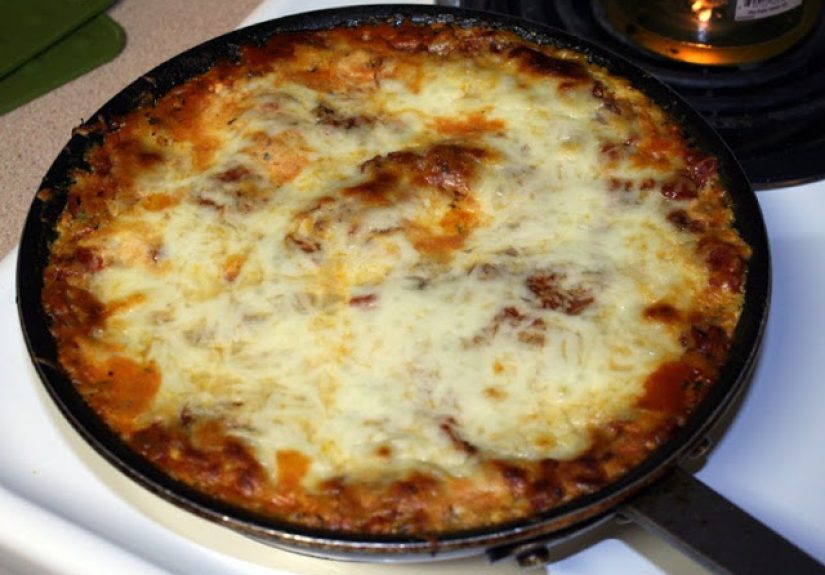
Skillet lasagna is a one-pan, stovetop version of lasagna that cooks pasta directly in a flavorful sauce. Instead of
layering noodles in a baking dish, you simmer broken lasagna sheets (or similar pasta) right in the skillet, then finish
with pockets of ricotta and a glorious blanket of melted mozzarella.
Why it works
- Starch = sauce magic: As the noodles cook, they release starch that thickens the sauce into a cozy, clingy hug.
- Steam does the heavy lifting: A tight lid traps moisture so noodles cook evenly without boiling a separate pot.
- Cheese finishes the job: Ricotta adds creamy “lasagna vibes,” while mozzarella gives you the melty top you came for.
The Core Formula: Your Skillet Lasagna Blueprint
Think of skillet lasagna as a flexible framework. Once you understand the ratios, you can improvise like a weeknight
wizard (a wizard who also owns a wooden spoon).
Base ingredients
- Protein (optional): Italian sausage, ground beef, ground turkey, or plant-based crumbles
- Aromatics: onion + garlic (and maybe a pinch of red pepper flakes if you like drama)
- Sauce: marinara, crushed tomatoes + seasoning, or a jazzed-up jar sauce
- Liquid: water or broth (needed so noodles cook without drying out)
- Pasta: broken lasagna noodles, mafalda, or other wide pasta
- Cheese: ricotta (or cottage cheese), mozzarella, and parmesan
Quick ratio guide (for most 10–12 inch skillets)
- Pasta: about 8 ounces (roughly 10–12 dried lasagna noodles, broken)
- Sauce: about 24 ounces marinara (or similar volume in tomatoes/sauce)
- Extra liquid: about 1 cup water/broth (add more if things look tight)
- Ricotta: about 1 cup, dolloped
- Mozzarella: 1 to 2 cups shredded or diced fresh mozzarella
How to Make Skillet Lasagna Step by Step
Step 1: Brown the flavor (protein + aromatics)
Heat a large skillet over medium-high heat. Add a little olive oil if your meat is lean.
Brown sausage or ground meat until cooked through and flavorful. Drain excess grease if needed.
Add onion and cook until softened, then add garlic and cook just until fragrant.
Weeknight upgrade: If you’re using jarred marinara, let it warm in the pan with the browned bits from the meat.
That’s free flavor you already paid for.
Step 2: Build the sauce (and don’t forget the liquid)
Stir in marinara (or tomatoes + seasonings). Add Italian seasoning, black pepper, and a little salt if needed.
Then add about a cup of water or broth. This isn’t “watering it down”it’s giving the noodles a swimming pool
so they can cook without stealing all the sauce.
Step 3: Add broken noodles (the fun part)
Break lasagna noodles into 2–3 inch pieces. Stir them into the sauce so they’re mostly submerged.
Wide noodles cook more evenly when they’re separated and coated.
Step 4: Cover and simmer
Reduce heat to medium-low. Cover and simmer, stirring every few minutes to prevent sticking.
Cook until noodles are tenderusually 15–25 minutes, depending on your pasta and pan.
If the skillet looks dry before noodles are tender, add a splash of water and stir.
Step 5: Add ricotta in dollops (aka “cheese clouds”)
When noodles are tender and the sauce is thick, lower heat. Dollop ricotta across the top.
For extra flavor, mix ricotta with parmesan, a pinch of salt/pepper, and chopped parsley or basil first.
Step 6: Top with mozzarella and melt
Sprinkle mozzarella over everything. Cover for 3–5 minutes until melted.
If your skillet is oven-safe, you can also broil briefly for a browned top (watch closelybroilers are dramatic).
Step 7: Rest (yes, really)
Let it sit for 5 minutes off heat. The sauce thickens, the cheese sets slightly, and servings become less “lasagna lava”
and more “Instagram scoopable.”
Common Problems (and the Fixes That Save Dinner)
“My noodles are still crunchy, but my sauce is thick.”
- Add a splash of water or broth, stir, re-cover, and simmer 3–5 minutes more.
- Make sure noodles are actually submerged. Noodles can’t cook in “positive vibes.” They need liquid.
“It’s watery and soupy.”
- Uncover and simmer a few minutes to reduce.
- Stir gently; the starch thickens as it finishes cooking.
- Use a slightly higher heat at the end (but keep stirring so it doesn’t scorch).
“It sticks to the bottom.”
- Lower the heat and stir more oftenespecially around the edges and bottom.
- Use a heavier skillet or a Dutch oven if you have one; thin pans scorch faster.
Flavor Variations That Still Taste Like Lasagna
Classic Meat Lover’s Skillet Lasagna
Use Italian sausage (sweet or hot) or a mix of sausage and ground beef. Add a pinch of fennel seed if your sausage is mild,
and finish with lots of basil.
Veggie-Forward (Without Feeling Like a Salad)
Sauté mushrooms and spinach with the onion. Frozen spinach works greatjust thaw and squeeze it dry first.
Want extra richness? Stir in a spoonful of pesto before adding cheese.
High-Protein, Lighter-Feeling Version
Use ground turkey or lean beef, part-skim ricotta, and add chopped zucchini or bell pepper.
You still get comfort food energy, but your Tuesday night doesn’t require sweatpants as urgently.
Creamy “White” Skillet Lasagna (Nontraditional but Excellent)
Swap red sauce for a creamy base: sauté mushrooms, add broth and a splash of milk, then cook noodles in that mixture.
Finish with mozzarella and parmesan. It’s cozy, rich, and makes you feel fancy even if you’re eating standing up.
Serving Ideas (Because Garlic Bread Deserves Friends)
- Simple side salad: crisp romaine + vinaigrette balances the richness.
- Garlic bread: obvious, unstoppable, correct.
- Roasted veggies: broccoli, zucchini, or asparagus for a “look at me, I adult” moment.
- Finishing touches: basil, parsley, chili flakes, extra parmesan, or a drizzle of good olive oil.
Make-Ahead, Storage, and Reheating
Make-ahead tips
- You can prep aromatics and brown meat ahead of time, then refrigerate until cooking.
- Shred/measure cheeses in advance for faster assembly.
Storage
Cool leftovers, then store airtight in the fridge for up to 3 days.
Skillet lasagna usually reheats beautifully because the sauce stays thick.
Reheating
- Stovetop: add a splash of water, cover, warm on low until hot.
- Microwave: cover loosely; add a teaspoon of water to keep it from drying out.
- Oven (best for texture): cover and heat until hot; uncover briefly if you want a bubbly top.
FAQs About Skillet Lasagna
Do I have to use lasagna noodles?
Nope. Broken lasagna sheets are traditional for this method, but wide noodles (like mafalda) or even short pasta can work.
The goal is “lasagna energy,” not noodle purity tests.
Can I use no-boil noodles?
Yes, but they can be thirstier. Start with a bit more liquid and keep an eye on texture.
Stir gently and add small splashes of water if needed.
Ricotta vs. cottage cheesedoes it matter?
Ricotta gives classic lasagna creaminess. Cottage cheese works too (many home cooks love it),
especially if you prefer a slightly tangier, softer texture. Either way: parmesan makes it better.
How do I keep the cheese from disappearing into the sauce?
Add ricotta at the end in dollops and avoid aggressive stirring afterward.
Think “gentle swirl,” not “washing machine cycle.”
Real-Life Skillet Lasagna Stories (and Lessons Learned)
Skillet lasagna has a special talent: it makes weeknights feel like you planned aheadeven when you absolutely did not.
Home cooks often discover this recipe during that classic moment of kitchen drama: you want comfort food,
but you don’t want to wash a baking dish the size of a small canoe.
One common first-timer experience is the “confidence break.” The cook breaks the noodles into pieces that are still,
somehow, the length of a paperback book. They stir once, the noodles clump into a pasta raft, and suddenly it’s clear:
lasagna sheets were not designed for interpretive dance in a skillet. The fix is simplebreak them smaller, stir more often,
and make sure each piece gets coated and submerged. The next time, everything cooks evenly, and the cook feels like they
unlocked a new household skill: turning chaos into dinner.
Then there’s the “sauce panic” moment. Mid-simmer, the skillet looks thickalmost too thickso the cook assumes the noodles
must be done. They take a bite and find the center still crunchy. This is where skillet lasagna teaches its biggest lesson:
noodles need liquid, and they need time. Adding a splash of water, re-covering, and simmering a few more minutes usually
solves it. The bonus? That extra water doesn’t “ruin” the sauce. The starch from the noodles thickens it back up,
and the final texture ends up exactly where it should be: saucy but not soupy.
Some cooks swear their favorite part is the ricotta dollopslittle creamy pockets that taste like the best layer of a baked lasagna.
But the first attempt can turn into “ricotta vanishing act” if it gets stirred in too early. The experienced move is to wait until the
noodles are tender, then add ricotta in spoonfuls across the top and keep stirring to a minimum. The result is a skillet that looks
almost like it was assembled on purposedespite the fact that it was mostly stirred while answering a text and locating someone’s missing sock.
Skillet lasagna is also where many households learn the power of “good enough” ingredients.
A jar of marinara plus browned meat and sautéed onion can taste surprisingly rich, especially when you scrape up the browned bits
from the bottom of the pan. Add basil at the end and suddenly everyone thinks you had a plan. The same goes for cheese:
pre-shredded mozzarella works in a pinch, but if you ever dice fresh mozzarella and let it melt into glossy puddles,
it feels like a restaurant upgradewithout the restaurant bill or the tiny fork.
And of course, every skillet lasagna eventually creates a leftovers story. The next day, it’s thicker, sturdier,
and somehow even more satisfyinglike it matured overnight into its final form. Many cooks reheat it with a splash of water,
cover it, and watch the cheese come back to life. The best part is the confidence it builds:
once you’ve nailed skillet lasagna, weeknight cooking feels less like a chore and more like a reliable trick you can pull out anytime.
It’s comfort food that meets you where you aretired, hungry, and hoping dinner doesn’t involve three separate pans and a life lesson.
Conclusion
Skillet lasagna is the ultimate “big comfort, small effort” dinner: rich sauce, tender noodles, and melty cheeseall in one pan.
Once you learn the simple rules (enough liquid, gentle simmer, cheese at the end), you can riff endlessly:
sausage or veggie, spicy or mild, red sauce or creamy. It’s lasagna for real lifefast, forgiving, and absolutely worth keeping on repeat.