Table of Contents >> Show >> Hide
- Why Toilet Bowls Get Gross (Even When You “Just Cleaned It”)
- Your Natural Toilet-Cleaning Starter Kit
- Simple Ways to Keep a Toilet Bowl Clean Naturally: 12 Steps
- Step 1: Ventilate, Glove Up, and Remove the “Science Fair” Variables
- Step 2: Do a Fast Pre-Clean (So You’re Not Scrubbing Through Soup)
- Step 3: Add Baking Soda for Deodorizing and Gentle Scrub Power
- Step 4: Use Vinegar (or Citric Acid) the Smart WayWith Dwell Time
- Step 5: Scrub Like You Mean ItEspecially Under the Rim
- Step 6: Target Rings and Hard Water Scale Without Wrecking Porcelain
- Step 7: Handle Rust or Heavy Stains with Borax (Optional) or Extra Acid Time
- Step 8: Clean the Seat, Lid, Handle, and Base (Where Germs Actually Travel)
- Step 9: Don’t Forget the Brush Holder (It’s a Tiny Gross Aquarium)
- Step 10: Maintain Between Deep Cleans with a 30-Second “Reset” Routine
- Step 11: Prevent the Ring by Managing Hard Water (Not Just Scrubbing It)
- Step 12: Set a Realistic Cleaning Schedule (So It Never Gets Bad)
- Natural DIY Options That Actually Make Sense
- Common Mistakes (That Make Toilets Dirtier or Cleaning More Dangerous)
- FAQ: Natural Toilet Bowl Cleaning
- Experience Notes: What This Looks Like in Real Life (and Real Bathrooms)
- Final Thoughts
- SEO Tags
Let’s be honest: the toilet bowl is the one household “feature” nobody brags about on a home tour. You can have quartz countertops, a smart fridge, and a plant that’s somehow still alive… and your toilet can still quietly audition for a role in a swamp documentary.
The good news? Keeping a toilet bowl clean doesn’t require a cabinet full of mystery-blue liquids or a chemistry set that could accidentally summon toxic fumes. With a few natural workhorses (hello, vinegar and baking soda), a little strategy, and the right timing, you can keep your bowl looking fresh without turning your bathroom into a scented fog machine.
Quick safety note (because your lungs matter): Never mix bleach with ammonia, vinegar, or other acids. If you use bleach products sometimes, use them alone, rinse thoroughly, and ventilate well. Natural cleaning is great; accidental gas experiments are not.
Why Toilet Bowls Get Gross (Even When You “Just Cleaned It”)
Most toilet bowl grime is a three-part sitcom you didn’t ask to stream: mineral buildup (hard water), biofilm (bacteria that cling like bad decisions), and stains (rust, lime scale, and the infamous ring at the waterline). Add moisture, warmth, and a daily schedule of… let’s call them “events,” and you’ve got the perfect environment for funk.
The natural approach focuses on two things: breaking down minerals (acid helps) and lifting grime (gentle abrasion + dwell time + scrubbing). If you get those right, you’ll clean faster and need fewer “panic scrubs” right before guests arrive.
Your Natural Toilet-Cleaning Starter Kit
- White vinegar (regular distilled is fine; “cleaning vinegar” is strongeruse with care)
- Baking soda (odor control + mild scrub power)
- Citric acid powder (great for mineral scale; often sold in canning aisles)
- Borax (optional; effective, but handle responsibly and keep away from kids/pets)
- Toilet brush (preferably one that doesn’t look traumatized)
- Microfiber cloths or reusable rags
- Old toothbrush (for under-rim details and jet holes)
- Spray bottle (for vinegar solution)
- Pumice stone (optional; only for stubborn mineral rings and only on wet porcelain)
- Gloves + ventilation (open window/fan)
Simple Ways to Keep a Toilet Bowl Clean Naturally: 12 Steps
-
Step 1: Ventilate, Glove Up, and Remove the “Science Fair” Variables
Turn on the bathroom fan or open a window. Put on gloves. If you’ve recently used any strong commercial cleaner, give the bowl a quick flush and a rinse first. Natural methods work best when they’re not competing with leftover chemicals.
Bonus pro move: keep your products simple and separate. The safest cleaning routine is the one that doesn’t involve mixing bottles like you’re bartending in a lab.
-
Step 2: Do a Fast Pre-Clean (So You’re Not Scrubbing Through Soup)
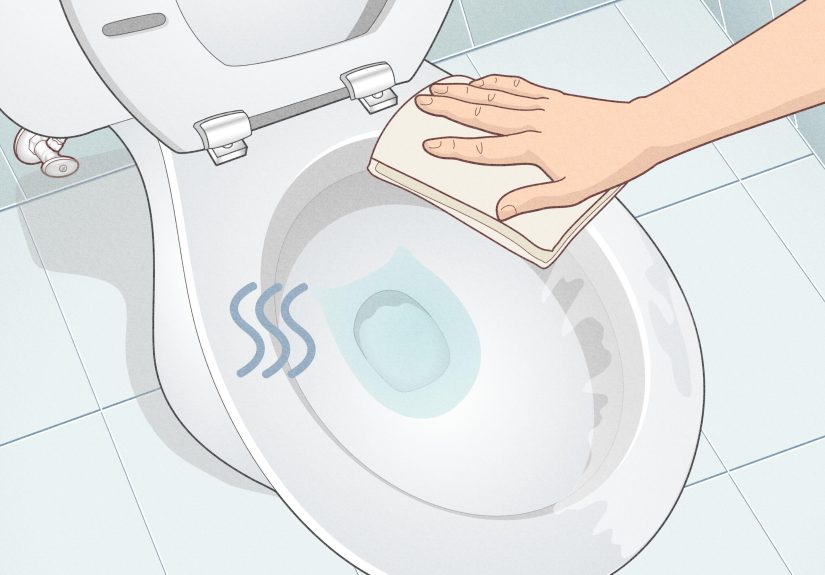
Flush once, then use the toilet brush to swish the water around and loosen the “floating” grime. This isn’t the deep clean yetthink of it as a warm-up lap that makes the real scrub easier.
If the bowl is seriously stained at the waterline, you’ll get better results by lowering the water level (more on that in Step 4).
-
Step 3: Add Baking Soda for Deodorizing and Gentle Scrub Power
Sprinkle about 1/2 to 1 cup of baking soda into the bowl, aiming for the sides and the waterline. Baking soda helps neutralize odors and gives you mild abrasion without scratching porcelain.
If your toilet has “that smell” even after cleaning, baking soda is a good reset buttonespecially when paired with proper scrubbing under the rim.
-
Step 4: Use Vinegar (or Citric Acid) the Smart WayWith Dwell Time
Here’s the secret most people skip: let the cleaner sit. Pour 1–2 cups of white vinegar into the bowl. For heavy mineral buildup, dissolve 1–2 tablespoons of citric acid in warm water and pour it in.
For tough rings: reduce the water level first. You can:
- Turn off the water valve (behind the toilet), flush, then hold the handle to drain more water.
- Or use a plunger briefly to push water down (glamorous, but effective).
Let the vinegar/citric acid sit for 15–30 minutes (or longer for stubborn scale). This gives acid time to soften minerals instead of asking your wrist to do all the work.
-
Step 5: Scrub Like You Mean ItEspecially Under the Rim
Scrub the bowl thoroughly with your toilet brush. Focus on:
- Under the rim (where buildup hides and thrives)
- Jet holes (use an old toothbrush if needed)
- The waterline (rings form here first)
If you’re wondering why your toilet “re-grosses” quickly, it’s usually because under-rim grime is staging a comeback tour.
-
Step 6: Target Rings and Hard Water Scale Without Wrecking Porcelain
For that stubborn ring, try one of these natural methods:
- Citric acid soak: sprinkle citric acid along the ring (or use a strong solution), let sit 30–60 minutes, then scrub.
- Vinegar “bandage”: soak paper towels in vinegar, press them around the waterline, let sit 30 minutes, then scrub.
- Pumice stone (last resort): keep the stone and bowl very wet and scrub gently. Stop immediately if you feel scraping.
The goal is to soften minerals first, then remove themlike loosening a sticker before peeling, instead of scraping your way into regret.
-
Step 7: Handle Rust or Heavy Stains with Borax (Optional) or Extra Acid Time
If you have rust-colored staining (often from iron in water), you may need more targeted help. Two options:
- Borax paste: sprinkle borax, add a little vinegar to form a paste, apply to stains, let sit 20–30 minutes, scrub, flush.
- Citric acid repeat: repeat Step 4 and Step 6 with longer dwell time before scrubbing again.
Borax is effective, but treat it like a cleaning productnot a pantry ingredient. Store it safely and avoid inhaling dust.
-
Step 8: Clean the Seat, Lid, Handle, and Base (Where Germs Actually Travel)
A sparkling bowl with a grimy handle is like washing your hands and then high-fiving a doorknob at an airport. Wipe down:
- flush handle
- seat (top and underside)
- lid (both sides)
- outer bowl and base
Use warm soapy water first. For a more “sanitized” finish, use an EPA-recognized safer disinfecting option if needed (especially after illness), and always follow label directions. Natural cleaning is great; targeted disinfection is for special situations.
-
Step 9: Don’t Forget the Brush Holder (It’s a Tiny Gross Aquarium)
Rinse your toilet brush in clean flush water, then drip-dry it by wedging the handle under the toilet seat for a few minutes. Empty and rinse the holder.
For a natural refresh, pour a little vinegar into the holder, let sit 10 minutes, rinse, and let dry. A clean brush makes your next clean fasterand less emotionally scarring.
-
Step 10: Maintain Between Deep Cleans with a 30-Second “Reset” Routine
The easiest toilet to clean is the one that never gets the chance to become a villain. Try this quick routine 2–3 times a week:
- Quick swish with the toilet brush after the last bathroom use of the day
- Light vinegar spray under the rim (vinegar + water in a spray bottle)
- Optional: a small sprinkle of baking soda, let sit overnight, flush in the morning
Consistency beats heroics. It’s the cleaning equivalent of flossing: annoying, yeseffective, also yes.
-
Step 11: Prevent the Ring by Managing Hard Water (Not Just Scrubbing It)
If you have hard water, the ring isn’t a mysteryit’s a schedule. Minerals deposit at the waterline as water evaporates. Prevention options:
- Weekly acid rinse: vinegar or a mild citric acid solution with a quick scrub
- Monthly deeper descale: longer citric acid dwell time for 30–60 minutes
- Whole-home strategy: if hard water is intense, consider a water-softening approach
You’re not “bad at cleaning.” Your water is just enthusiastic about leaving souvenirs.
-
Step 12: Set a Realistic Cleaning Schedule (So It Never Gets Bad)
A simple schedule keeps your toilet bowl clean naturally without turning Saturday into a bathroom-themed endurance sport:
- Daily (optional): quick wipe of handle and seat if it’s a high-traffic bathroom
- Weekly: vinegar/citric acid bowl scrub + under-rim attention
- Monthly: descale waterline and check jet holes
- After illness: clean first, then disinfect high-touch areas appropriately
If your home has kids, frequent guests, or a bathroom that doubles as a break room for the entire household, scale up accordingly.
Natural DIY Options That Actually Make Sense
A lot of DIY cleaning advice online is either (1) wildly optimistic or (2) secretly trying to sell you a 47-step “cleaning ritual.” Here are a few natural approaches that are straightforward and effective when used properly:
1) Vinegar Soak (Simple Descale)
- Pour 1–2 cups white vinegar into the bowl.
- Let sit 15–30 minutes (longer for scale).
- Scrub and flush.
2) Baking Soda + Vinegar (Used Sequentially, Not as a “Magic Combo Drink”)
The fizzy reaction looks impressive, but chemically, acid + base neutralize each other. The trick is to use them in sequence: baking soda for gentle scrub/odor control, then vinegar to dissolve minerals (or vice versa depending on the stain).
3) Citric Acid Powder Clean (Mineral Ring Specialist)
- Sprinkle citric acid at the waterline (or dissolve in warm water).
- Let sit 30–60 minutes.
- Scrub and flush.
4) “Fizz Tabs” for Maintenance (Optional, Not a Miracle)
Many DIY recipes combine baking soda + citric acid and form tablets. They can help with light maintenance, but they’re not a replacement for under-rim scrubbing. Think of them as a support act, not the headliner.
Common Mistakes (That Make Toilets Dirtier or Cleaning More Dangerous)
- Mixing cleaners: especially anything involving bleach + ammonia or bleach + acids (like vinegar). Don’t do it. Ever.
- Skipping the under-rim scrub: it’s like washing a plate but ignoring the underside where peanut butter lives.
- Overusing abrasive tools: harsh abrasives can scratch porcelain and make stains cling harder over time.
- Confusing “clean” with “perfumed”: a strong scent can mask odors without removing the cause.
- Only cleaning the bowl: the handle and seat are high-touch and deserve attention.
FAQ: Natural Toilet Bowl Cleaning
How often should I clean the toilet bowl naturally?
For most homes, a weekly scrub keeps buildup from getting established. High-traffic bathrooms benefit from quick in-between swishes and handle wipes. If you see a ring forming, it’s your early warning systemdon’t ignore it like a “check engine” light.
Is vinegar safe for septic systems?
In typical household amounts, vinegar is commonly used and generally considered septic-friendly. The bigger issue for septic systems is frequent heavy use of harsh disinfectants or antibacterial products. When in doubt, use moderate amounts and keep a consistent routine.
Will vinegar damage toilet parts?
Occasional vinegar use in the bowl is usually fine. If you’re cleaning the tank or soaking components, avoid leaving acidic solutions sitting for extremely long periods, and rinse well. When you notice deterioration of rubber flappers or seals, replace themthose parts wear out over time anyway.
Do essential oils disinfect toilets?
Essential oils can make things smell nice, but don’t rely on them as your main germ-killer. If disinfection is needed (like after illness), choose a product designed and labeled for that purpose and follow directions.
Experience Notes: What This Looks Like in Real Life (and Real Bathrooms)
Natural toilet cleaning sounds calm and elegant in theorylike you’ll gently mist the bowl with vinegar while birds chirp and your houseplants clap. Real life is different. Real life is “Why is there a ring again? I cleaned this… recently-ish… in a year that technically counts as this decade.”
In homes with hard water, the biggest “aha” moment is realizing you’re not fighting dirtyou’re fighting geology. Minerals don’t care about your weekend plans. They build up quietly at the waterline, and by the time you notice, the ring has already become emotionally attached to the porcelain. People who finally win usually do one thing: they stop trying to scrub minerals off dry and start letting acid do the softening first. The first time you let vinegar or citric acid sit long enough, it feels like cheating. Suddenly the brush works. Suddenly your wrist isn’t filing a complaint with HR.
Another very real experience: the “clean bowl, dirty everything else” trap. Plenty of people scrub the inside until it shines, then wonder why the bathroom still feels grimy. That’s because the handle, seat hinges, and base are high-touch, high-splash zones. Once you start doing the 60-second wipe-down after the bowl scrub, the whole bathroom feels cleanerwithout adding a single extra product. It’s not glamorous, but neither is stepping on that mysterious sticky spot near the base at 7 a.m.
If you live with kids, roommates, or anyone who treats the toilet like a “close enough” carnival game, consistency becomes your best friend. A weekly deep clean works, but what really changes the game is the tiny maintenance habit: a quick brush swish at night, or a light vinegar spray under the rim every couple of days. People often report that once the bowl stays mostly clean, it takes less time and less cleaner each week. It’s the snowball effect, except instead of snow, it’s dignity.
Guest bathrooms create a different type of chaos: neglect. Toilets that aren’t flushed often can develop rings, mineral lines, and stale odors simply because the water sits there like it’s on a long vacation. The “real life” fix is to flush that toilet periodically and do a quick vinegar soak before problems become permanent. A toilet used once a week still deserves a tiny routine, even if it’s basically a decorative porcelain chair.
Finally, there’s the social-media cleaning-hack experience: people try a viral trick, it fizzles, and they decide natural cleaning “doesn’t work.” In reality, natural methods work best when they’re used with the right job in mind. Vinegar and citric acid are great for minerals. Baking soda is great for odors and gentle scrubbing. Neither replaces the need to scrub under the rim. And none of them should be mixed with bleach, no matter how confident a stranger on the internet looks while doing it.
The most common end result from people who stick with natural routines is simple: the toilet stops being a “project.” It becomes a quick, boring, predictable taskwhich is exactly what you want from a toilet. Reliable. Low drama. Minimal surprises. Like a good friend. A weird porcelain friend, but still.
Final Thoughts
Keeping a toilet bowl clean naturally is less about a “perfect” cleaner and more about timing, dwell time, and a repeatable routine. Use vinegar or citric acid to soften mineral buildup, use baking soda for gentle scrubbing and odor control, clean under the rim like it owes you money, and wipe the handle so your hard work doesn’t get sabotaged by the one part everyone touches.
Start small: do the 12 steps once, then keep the maintenance habit. Your future self (and your guests) will thank youquietly, because polite people don’t talk about toilets… but they definitely notice a clean one.