Table of Contents >> Show >> Hide
- First, What’s the Difference Between CDX Plywood and Luan Underlayment?
- Why the Material Choice Matters for Shiplap Walls
- 5 Reasons to Use CDX Plywood Instead of Luan Underlayment for Shiplap Walls
- 1. CDX feels sturdier on imperfect walls
- 2. CDX handles wear and tear better in busy rooms
- 3. CDX is the better choice when moisture swings are part of the story
- 4. CDX gives you a chunkier, more architectural shiplap look
- 5. CDX can be the smarter long-term value when prep and replacement are considered
- When Luan Underlayment Is Still the Better Pick
- Best Practices for Building a Shiplap Wall With Either Material
- What My Experience Says After Watching Real Shiplap Projects Play Out
- Final Verdict
- SEO Tags
If you have ever stood in the plywood aisle at the home center, coffee in one hand and a wildly optimistic accent-wall plan in the other, you already know the moment of truth: Which panel should I buy? For DIY shiplap walls, the two usual suspects are CDX plywood and luan underlayment. One is rugged, sturdy, and built like it expects a hard life. The other is thinner, smoother, and easier to sweet-talk into a pretty painted finish.
So which one wins?
The honest answer is that it depends on what kind of shiplap wall you want. If your goal is a light, smooth, budget-friendly faux-shiplap look, luan underlayment is often the easier material to cut and finish. But if you want a tougher wall treatment that feels more substantial, hides a less-than-perfect wall, and holds up better in busy spaces, CDX plywood can absolutely earn its place in the cart.
This is not a “one board to rule them all” argument. It is a practical look at why some homeowners and builders choose CDX plywood over luan underlayment for shiplap walls, where that decision makes sense, and where it creates extra work. In other words, this article is here to save you from buying the wrong sheet goods and then spending your weekend saying words that do not belong in a family-friendly home-improvement show.
First, What’s the Difference Between CDX Plywood and Luan Underlayment?
CDX plywood
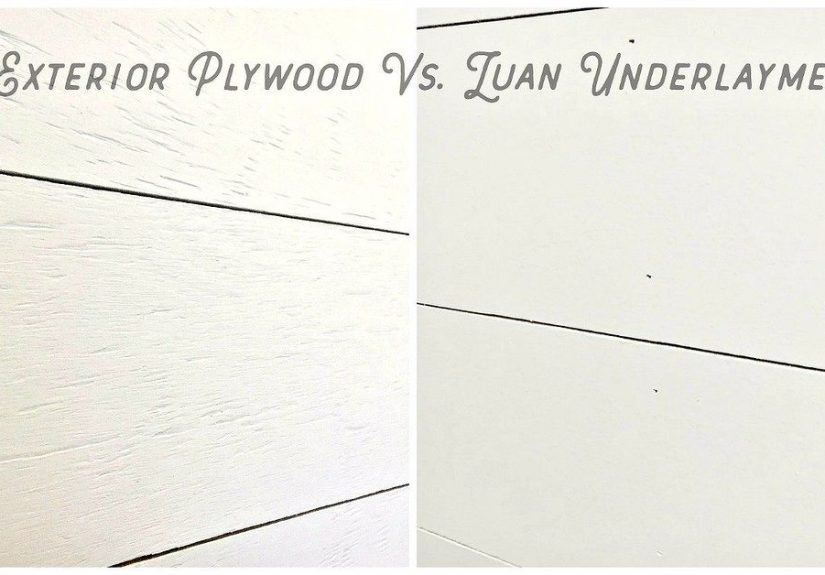
CDX is generally known as a structural sheathing plywood. The “C” and “D” refer to face grades, which means the surfaces are serviceable but not fancy. Translation: CDX is strong, but it is not entering any beauty pageants straight off the rack. The “X” is commonly associated with its exposure-rated glue bond, which is meant for temporary moisture exposure during construction, not permanent soaking or long-term outdoor weathering.
That matters because CDX is designed first for structure and durability. It is commonly used in wall sheathing, roof decking, subflooring, and other rough construction jobs where strength matters more than a silky-smooth face. On an interior shiplap wall, that means CDX gives you substance, but it also brings knots, patches, rough grain, and the occasional “well, that’s not exactly furniture-grade” surprise.
Luan underlayment
Luan underlayment, by contrast, is the thin, smooth operator in this story. It is commonly sold in thin panels, often around 1/4 inch, and is designed to create a flatter, more uniform surface under finish flooring. Because it is lightweight and smooth-faced, DIYers also use it for crafts, wall treatments, cabinet backs, and faux-shiplap projects.
That smooth face is the big selling point. Luan underlayment usually needs less filling and less aggressive sanding before primer and paint. It is easier to handle, easier to rip into planks, and easier on your arms if you are installing a full wall by yourself. The trade-off is that it is less rigid and less forgiving when your existing wall is not perfectly flat.
Why the Material Choice Matters for Shiplap Walls
Shiplap walls are not just about appearance. They also involve how the panel behaves once it is cut into strips, nailed to studs, painted, and then forced to live through seasons, humidity swings, vacuum bumps, chair scrapes, and the occasional “why did the dog launch off the sofa like that?” household moment.
When people compare CDX plywood vs. luan underlayment for shiplap walls, they are really comparing three things: structural feel, finish quality, and prep time. Luan usually wins the beauty contest at the start. CDX often wins the durability contest over the long haul. Your choice depends on which battle matters most in your room.
5 Reasons to Use CDX Plywood Instead of Luan Underlayment for Shiplap Walls
1. CDX feels sturdier on imperfect walls
Old walls are rarely perfect. Drywall bows. Plaster humps. Stud spacing can be quirky. One section of the wall sits proud, another dips back, and suddenly your “simple weekend shiplap project” starts behaving like a geometry exam.
This is one of the best reasons to choose CDX plywood over luan underlayment. CDX is thicker and more rigid, so once it is ripped into planks or used as larger shiplap-style panels, it is better at bridging small imperfections in the wall surface. It feels less floppy during installation, which can make alignment easier when you are trying to keep courses straight across a long room.
Luan, being thinner, tends to telegraph what is behind it. If the wall is wavy, the finished treatment may look wavy too. That is not always a disaster, especially in a rustic space, but it is worth knowing before the paint dries and the regret settles in.
2. CDX handles wear and tear better in busy rooms
Not every shiplap wall lives a peaceful farmhouse-dream life. Some go in mudrooms, hallways, kids’ bedrooms, stair landings, laundry rooms, and basements where life happens at full speed. In those spaces, a wall covering does not just need to look good. It needs to survive impact, scuffs, and daily abuse.
Because CDX plywood is more substantial, it generally resists dents and flexing better than thin luan underlayment. Once installed and painted, it creates a wall treatment that feels more solid under hand. That can be especially useful if your faux-shiplap installation doubles as a practical wall finish in a high-traffic area.
To be clear, CDX is not magical armor. It still needs proper fastening and finishing, and you still should not expect it to support heavy shelves unless those shelves are anchored correctly into framing. But if you want your shiplap wall to feel less like decorative skin and more like a durable surface, CDX has a strong case.
3. CDX is the better choice when moisture swings are part of the story
Interior accent walls live indoors, yes, but that does not mean they live in perfect climate-controlled bliss. Entryways, basements, laundry areas, enclosed porches, and utility spaces can experience seasonal humidity changes and occasional moisture stress during renovation or daily use.
CDX plywood is not meant for permanent weather exposure, but its exposure-rated bond classification makes it more comfortable around short-term moisture events than many thin decorative panels. That can make a difference when the room has humidity swings, the project stretches across a messy renovation period, or the wall is going into a more utility-minded part of the home.
Luan underlayment is still useful indoors, but if your project has even a slightly rough-and-ready environment, CDX offers more peace of mind. Think of it this way: luan is the dress shoe, CDX is the work boot. Both can get the job done, but only one is unbothered by a little chaos.
4. CDX gives you a chunkier, more architectural shiplap look
Some shiplap walls are meant to whisper. Others are meant to walk into the room and say, “Yes, I am the feature wall now.” If you want deeper shadow lines, wider boards, or a more substantial architectural feel, CDX plywood gives you more material to work with.
Thicker strips can create a stronger reveal between courses and a more convincing plank effect, especially in larger rooms where flimsy-thin boards can look a little underdressed. CDX also pairs well with trim-heavy designs, built-in benches, farmhouse-style rooms, mudroom lockers, or walls where you want the paneling to read as a durable design element rather than a decorative veneer.
Luan underlayment often looks best when you are aiming for a clean, crisp, lightweight faux-shiplap treatment with narrow spacing and a lot of paint. CDX is better when you want visual heft.
5. CDX can be the smarter long-term value when prep and replacement are considered
At first glance, luan underlayment looks like the easier bargain. It is thin, lightweight, easy to cut, and often chosen specifically because it makes DIY faux-shiplap affordable. But low effort at the beginning is not the same as best value over time.
If the wall you are covering is uneven, gets bumped often, or needs a more durable finish, a CDX-based installation may hold up better and feel more permanent. That means fewer cracked edges, less flex, fewer repairs, and less temptation to rip it down and redo the project later. Sometimes the better bargain is the one that does not ask for a sequel.
That said, this reason only counts if you are realistic about prep. CDX usually requires more filling, more sanding, more priming, and more patience before it looks polished enough for interior design duty. If you skip those steps, the wall can look rough in a hurry. So yes, CDX can be better long-term value, but only if you are willing to put in grown-up prep work instead of hoping paint will perform miracles.
When Luan Underlayment Is Still the Better Pick
Now for the part that keeps this article honest: there are plenty of cases where luan underlayment is still the smarter material for shiplap walls.
If your top priority is a smooth painted finish, luan often wins. If you are making thin faux-shiplap planks for a bedroom accent wall, a nursery, a decorative nook, or a low-impact space, luan can save time on sanding and filling. It is easier to carry, easier to cut, and easier to install solo. That matters a lot when your helper suddenly remembers they have “another thing” to do right when it is time to lift full sheets.
Luan is also a good fit when the wall itself is already fairly flat and you are creating a decorative treatment rather than a rugged wall surface. Plenty of DIY faux-shiplap tutorials lean toward smooth plywood underlayment for exactly that reason: it gets you closer to the pretty part faster.
So no, this is not a blanket declaration that CDX is always better than luan underlayment. It is better for specific priorities: strength, stability, thickness, and durability.
Best Practices for Building a Shiplap Wall With Either Material
Hit the studs
No matter which panel you choose, mark the wall studs first and make sure your fasteners engage solid framing where possible. A beautiful accent wall that is only loosely attached is less “farmhouse charm” and more “future repair bill.”
Let the material acclimate
Wood products move. Give the sheets time to adjust to the room before cutting and installing them. This small step helps reduce drama later, and home projects contain enough drama already.
Prep for the finish you want
If you choose CDX plywood for shiplap walls, plan on more surface prep. Fill the obvious voids, sand the rough spots, and prime carefully. If you choose luan underlayment, inspect the face anyway. Thin, smooth panels are easier to finish, but “easier” is not the same as “zero prep.”
Respect dust and ventilation
Cutting and sanding plywood creates wood dust, and wood dust is not something to treat casually. Work with good dust control, ventilation, and appropriate protective gear. Your lungs did not sign up to become part of the project.
What My Experience Says After Watching Real Shiplap Projects Play Out
Here is where this debate gets interesting. On day one, luan underlayment usually feels like the hero. It is lighter, smoother, and friendlier. You rip it into strips, stack the pieces, and think, “Wow, I am absolutely crushing this project.” The cuts are quick. The planks feel manageable. The wall starts coming together fast. If the room is calm, dry, and mostly decorative, that early confidence is often justified.
But after living with a few different plywood wall treatments, a pattern tends to show up. The thinner the material, the more it depends on the wall behind it behaving nicely. If the drywall has humps, if the room gets humidity swings, or if the space sees a lot of traffic, thin planks can start to feel a little too delicate. Tiny dents become noticeable. Slight waves become visible in side lighting. A wall that looked perfect at sunset starts showing every quirk by breakfast.
That is where CDX starts making more sense, especially in practical spaces. In a hallway, mudroom, laundry room, or basement family room, a sturdier wall finish simply feels better. It sounds different when you knock on it. It looks more grounded. It tolerates the random bump from baskets, backpacks, chairs, and overconfident children carrying sports gear indoors like they are entering an arena.
There is also the psychological side of the project. CDX asks for more up front. You have to accept that the surface may look rough before it looks good. You may need filler. You will almost certainly need sanding. You will probably have one moment where you stare at a knot or patch and ask yourself whether you have made a terrible decision. That is normal. It is the plywood version of preheating the oven and wondering if dinner is already ruined.
But once CDX is properly prepped, installed, primed, and painted, it often rewards the extra effort with a wall that feels intentional and lasting. Not delicate. Not flimsy. Not like a decorative shortcut. It feels like part of the room.
My practical takeaway is simple. If I were doing a polished accent wall in a lower-impact room and wanted the fastest path to a smooth painted finish, I would reach for luan underlayment or another smooth underlayment-grade plywood. If I were doing a shiplap wall in a harder-working part of the house, or if the existing wall was imperfect and I wanted a more substantial result, I would choose CDX plywood and budget extra time for prep.
That is the real answer homeowners need. Not “always use this” or “never use that.” Just choose the panel that fits the room, the wall, and your patience level. Because in DIY, the best material is usually the one that still looks good after the compliments are over and normal life comes back through the door.
Final Verdict
When comparing CDX plywood vs. luan underlayment for shiplap walls, the winner depends on your priorities. Choose CDX plywood when you want a sturdier wall treatment, better resistance to wear, more forgiveness over uneven walls, and a thicker, more architectural look. Choose luan underlayment when you want lightweight material, an easier install, and a smoother finish with less prep.
If this wall is going in a busy, real-life part of the house, CDX is often worth the extra sanding and filling. If this wall is mainly decorative and you want quick, clean results, luan may still be the smarter move. In short: CDX is the tougher pick, luan is the easier pick, and your room gets the final vote.