Table of Contents >> Show >> Hide
- What Is Maca, Exactly?
- Sexual Health and Maca: What the Research Actually Says
- So… Is Maca Good for Sexual Health?
- How Maca May Work (Without “Hormone Hype”)
- Maca Safety, Side Effects, and Who Should Be Careful
- How Much Maca to Drink: Practical Dosing
- Research-Informed Maca Drink Recipe (The One You’ll Actually Make)
- How to Build a Realistic 8-Week Maca Plan
- Common Mistakes People Make With Maca
- FAQ: Sexual Health Benefits of Drinking Maca
- Final Thoughts
- Experience Section: From Real-Life Style Use Cases
If sexual wellness had a pantry shelf, maca would be that mysterious jar everyone asks about, everyone mispronounces once, and nobody can agree on how to use. Is it hype? Is it helpful? Is it just expensive beige dust? The short answer: maca is promising, but not magic. The better answer is what you’re about to read.
This in-depth guide breaks down what research actually suggests about maca and sexual health, how to drink it in a practical way, who should be careful, and what realistic results look like in real life. You’ll also get a simple recipe you can make in five minutes (yes, even before your brain boots up).
For SEO and real-world clarity, we’ll naturally cover related terms like maca root benefits, libido support, sexual function, hormonal balance, maca dosage, and maca drink recipe.
What Is Maca, Exactly?
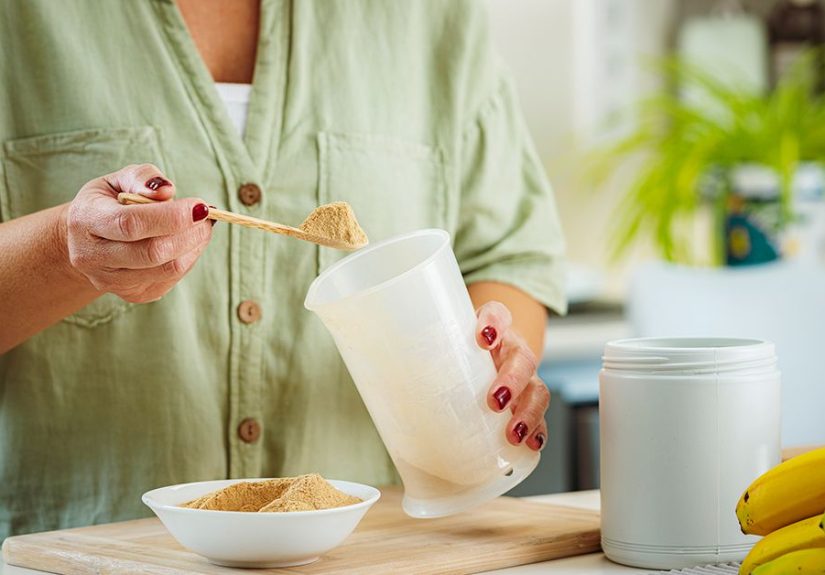
Maca (Lepidium meyenii) is a cruciferous root from the Andes, often sold as powder, capsules, or gelatinized powder. “Gelatinized” doesn’t mean dessert; it means the starch has been processed for easier digestion. Most people use maca for energy, mood, and sexual wellness support.
Nutritionally, maca contains carbs, plant compounds, and specific bioactives (like macamides and glucosinolates) that researchers believe may influence mood pathways, stress response, and sexual well-being. In plain English: maca may help how you feel, and how you feel strongly affects sexual health.
Sexual Health and Maca: What the Research Actually Says
1) Libido in Men: Modest but Meaningful Signals
Several small human trials suggest maca can improve sexual desire in some men over about 8–12 weeks. One of the most repeated patterns in the literature is this: libido may improve even when testosterone does not. That matters, because it points to effects beyond “just raising hormones.”
Translation: maca seems more like a sexual well-being modulator than a hormone hammer.
2) Erectile Function: Small Improvements, Not a Miracle Fix
In mild erectile dysfunction, clinical evidence suggests maca may provide a small but statistically significant benefit in subjective erectile function and overall sexual well-being. Important words there: small and subjective. That can still be valuable, especially when combined with sleep, exercise, cardiometabolic care, and stress management.
If you’re expecting “one scoop and superhero confidence,” that’s marketing. If you’re aiming for gradual improvement with consistent use, that aligns better with the evidence.
3) Women With Antidepressant-Related Sexual Dysfunction
This is one of the more clinically interesting areas. Research in women taking antidepressants suggests maca may improve aspects of sexual function, especially at higher studied doses (commonly around 3 g/day in trials). Findings are encouraging but still based on relatively small samples.
Takeaway: promising, especially for specific populations, but not definitive enough to replace individualized medical care.
4) Menopause and Sexual Well-Being
Some studies in peri- and postmenopausal women report improvements in sexual symptoms and related quality-of-life markers. However, systematic reviews repeatedly note limitations in trial size and quality. In other words, this area is hopeful, not settled.
Many women report better desire and comfort with maca as part of a broader plan that includes vaginal health support, relationship communication, strength training, sleep, and stress reduction.
5) Fertility and Hormones: Mixed, and That’s Okay
Maca has been studied for semen quality and reproductive markers, with mixed outcomes. Some trials show positive trends in semen parameters; others show no major changes. A recurring theme is that sexual-function benefits can appear without major hormone shifts. That doesn’t make maca useless; it just means its mechanisms may be indirect and multifactorial.
So… Is Maca Good for Sexual Health?
Evidence-based verdict: maca may help some people with libido and subjective sexual function, and it appears generally well tolerated in short-term studies. But results vary, effects are usually moderate, and research quality is still uneven.
- Best-case mindset: “supportive tool”
- Worst-case mindset: “instant cure”
When expectations are realistic, people are less likely to quit too early or overuse it hoping for overnight transformation.
How Maca May Work (Without “Hormone Hype”)
Current science suggests several plausible pathways:
- Neurotransmitter modulation: bioactive compounds may influence dopamine and mood-related signaling.
- Stress buffering: lower stress can indirectly support sexual desire and response.
- Energy and vitality effects: feeling less fatigued can improve sexual interest and engagement.
- Psychological spillover: improved well-being can improve sexual confidence and satisfaction.
No single pathway explains every outcome. Sexual health is biopsychosocial; maca appears to participate in that bigger system rather than dominate it.
Maca Safety, Side Effects, and Who Should Be Careful
Most clinical reports describe maca as well tolerated, but “natural” does not automatically mean risk-free. Potential issues reported in some contexts include digestive upset, sleep changes, mood changes, and menstrual irregularities.
Use caution (and talk to a clinician first) if you:
- Are pregnant or breastfeeding
- Have hormone-sensitive conditions
- Take blood pressure medication, psychiatric meds, or other chronic prescriptions
- Need hormone lab testing soon (some herbal products may interfere with certain assays)
Also, avoid random “sexual enhancement” products online that blend multiple mystery ingredients. Product quality matters as much as ingredient choice.
How Much Maca to Drink: Practical Dosing
Most sexual-health trials use roughly 1.5 to 3 grams daily, sometimes higher depending on product form and protocol. For day-to-day use, a practical approach is:
- Week 1: Start low (about 1 teaspoon powder daily, depending on label standardization).
- Week 2–4: Increase gradually if tolerated.
- Consistency: Give it 8–12 weeks before judging effects.
Tip: If raw maca feels heavy on digestion, many people prefer gelatinized maca powder.
Research-Informed Maca Drink Recipe (The One You’ll Actually Make)
Creamy Cacao Maca Latte (Libido-Friendly, Caffeine-Optional)
Serves: 1
Time: 5 minutes
Ingredients
- 1 to 1.5 teaspoons gelatinized maca powder (start lower if new)
- 1 cup unsweetened milk of choice (dairy or fortified plant milk)
- 1 tablespoon unsweetened cocoa powder
- 1/2 teaspoon cinnamon
- 1 teaspoon honey or maple syrup (optional)
- Pinch of sea salt
- Optional: 1/4 teaspoon vanilla extract
Instructions
- Warm milk gently in a saucepan (don’t boil aggressively).
- Whisk in maca, cocoa, cinnamon, and salt until smooth.
- Sweeten lightly if needed; add vanilla.
- Sip slowly, ideally with breakfast or an afternoon snack.
Why this recipe works
- Maca: potential sexual well-being support
- Cocoa: mood-lifting polyphenols and great taste
- Cinnamon + vanilla: flavor depth, less sugar needed
- Milk base: better texture and satiety
Can you toss maca into coffee? Sure. But if your stress and sleep are already shaky, swapping one coffee for this latte may help your nervous system stay friendlier to libido.
How to Build a Realistic 8-Week Maca Plan
Week 1–2: Foundation
- Take maca once daily with food.
- Track sleep, mood, digestion, and sexual interest (quick 1–10 scores).
- Hydrate and prioritize protein + fiber meals.
Week 3–5: Adjust
- If tolerated, increase slightly toward your target dose.
- Add 2–3 weekly strength sessions and regular walking.
- Reduce late-night alcohol and doom-scrolling (yes, really).
Week 6–8: Evaluate
- Look for trends, not perfect days.
- Assess libido, confidence, and partner communication.
- If no meaningful change, reassess root causes (medications, hormones, stress, relationship dynamics, pelvic health, sleep disorders).
This prevents the classic supplement trap: changing three things at once, tracking nothing, then declaring victory or failure based on one random Tuesday.
Common Mistakes People Make With Maca
- Taking too much too soon: more is not always better.
- Using low-quality products: third-party tested products are worth it.
- Expecting immediate effects: most data trends emerge over weeks.
- Ignoring the basics: sleep, stress, movement, and communication often matter more than any powder.
- Using it to avoid medical care: persistent sexual dysfunction deserves proper evaluation.
FAQ: Sexual Health Benefits of Drinking Maca
Does maca increase testosterone?
Not reliably in human trials. Improvements in sexual desire may happen without major testosterone changes.
How long does maca take to work for libido?
Common trial windows suggest about 8–12 weeks for noticeable trends.
Can women use maca for low libido?
Yes, and some studies show benefit in specific groups, including women with antidepressant-related sexual dysfunction. Personalized care still matters.
Is maca safe daily?
Many people tolerate daily use, but safety depends on your health profile, medications, product quality, and dose.
Can maca replace prescription treatment for sexual dysfunction?
No. Think support, not substitutionespecially for persistent, distressing, or medically linked symptoms.
Final Thoughts
Maca can be a smart addition to a sexual wellness routine when you use it like an adult with a calendar: consistently, carefully, and with realistic expectations. The research supports a “maybe helpful” stanceespecially for libido and subjective sexual well-beingwhile still calling for larger, stronger trials.
If you want better outcomes, pair your maca drink with the unsexy heroes: sleep, stress management, movement, relationship honesty, and medical check-ins when needed. That combination is less flashy than a miracle promise, but far more likely to work in real life.
Experience Section: From Real-Life Style Use Cases
Note: The stories below are educational, composite-style experiences inspired by common patterns people report. They are not medical advice or guaranteed outcomes.
Experience 1: “I stopped treating it like a potion.”
Marcus, 34, started maca after seeing bold claims online. Week one, he doubled the serving, took it on an empty stomach, and felt bloated. He almost quit. Then he switched strategy: one measured teaspoon in a cacao smoothie after breakfast, five days a week, and tracked mood, energy, and desire in a notes app. By week four, he said the biggest shift wasn’t “animal magnetism,” but steadier energy in the evenings. By week eight, libido scores moved from “sometimes interested” to “more reliably interested,” especially when sleep was good. His big lesson: maca helped most when he also fixed late-night gaming and cut weekday alcohol. He called it “a nudge, not a rocket.”
Experience 2: “The routine helped as much as the root.”
Alina, 41, wanted support after months of low desire tied to stress and workload overload. She made a daily 4 p.m. maca latte ritual: warm oat milk, maca, cocoa, cinnamon, and a five-minute reset without screens. Within two weeks, she noticed less afternoon crash. Around week six, she reported feeling more “available” emotionally, which translated into better intimacy. She also started short walks after dinner and moved phone charging outside the bedroom. Her takeaway was surprising: “Maca was the anchor habit. The habit changed the rest.” She liked that the drink felt comforting, not clinical, and said that consistency beat intensity every time.
Experience 3: “I expected fireworks, got subtle but real change.”
Devin, 29, dealing with antidepressant-related sexual side effects, approached maca cautiously after discussing it with his clinician. He used a standardized product and increased gradually. The first month felt neutral. In month two, he noticed improved desire and slightly better arousal confidence, though not dramatic. What improved most was frustration: he felt less defeated and more engaged in communication with his partner. He also learned to evaluate progress by monthly trends, not daily mood swings. He kept expectations grounded: supplements were supportive, not curative. He described the result as “turning the dimmer switch up a notch.”
Shared patterns across these experiences
The common thread wasn’t mega-dosing or perfect biohacking. It was repeatable basics: moderate dosing, quality products, food-first timing, and lifestyle alignment. People who expected instant transformation were disappointed. People who treated maca like one component in a broader sexual-health strategy reported better satisfaction. In practical terms, maca seemed most useful when it improved energy, mood, and confidence enough to make intimacy more likelynot because it forced biology overnight. That distinction matters.
So if you try maca, think “system upgrade,” not “magic button.” Build a routine you can keep, measure progress honestly, and adjust with professional guidance when needed. That is how small improvements become meaningful outcomes.