Table of Contents >> Show >> Hide
- What Makes an Entryway “Farmhouse” (Without Going Full Costume)
- Start With a Quick “Real Life” Plan
- The Farmhouse Entryway Staples You Can DIY
- 1) The Bench That Does More Than Just Sit There
- 2) Hooks, Peg Rails, and “Please Don’t Throw That on the Floor” Storage
- 3) The Hall Tree (AKA the All-in-One Farmhouse Power Move)
- 4) The Drop Zone Console (Small Surface, Big Impact)
- 5) Mirror + Lighting: The “Make It Feel Bigger” Combo
- 6) Floor Protection That Still Looks Cute
- Wall Details That Instantly Say “Farmhouse”
- Small Entryways and Rental-Friendly Farmhouse Moves
- Farmhouse Styling That Doesn’t Feel Overdone
- Three Realistic Farmhouse Entryway Setups (Copy-Paste Friendly)
- Budget Breakdown: Farmhouse Entryway Upgrades at Any Price
- Common DIY Mistakes (And How to Avoid Them)
- Conclusion: Build the Entryway Your Life Actually Needs
- Experience Notes From Real DIYers (So You Can Skip the “Oops” Part)
Your entryway has one job: make life easier the second you walk in the door. And yet, it’s often the first place your home goes full chaos gremlinshoes
multiplying, keys disappearing into a pocket dimension, and mail stacking like it’s training for an Olympic event.
The good news: a farmhouse-style entryway is basically designed to solve this. Farmhouse decor is practical, durable, warm, and a little bit charminglike
the design equivalent of a friendly “Hey, take your boots off” sign (but classier). And the best part is you don’t need a giant foyer or a reality TV crew.
With a few smart DIY moves, you can create a functional “drop zone” that still looks intentional.
What Makes an Entryway “Farmhouse” (Without Going Full Costume)
Farmhouse style isn’t about turning your house into a barn. It’s about mixing simple, hardworking materials with cozy texture and a lived-in feel. In an
entryway, that usually looks like:
- Warm wood + sturdy finishes (benches, shelves, woven baskets, butcher-block vibes)
- Classic wall details (shiplap, beadboard, board-and-batten, wainscoting, or a peg rail)
- Neutral, calming colors (whites, creams, soft grays, warm greige) with a darker accent if you like contrast
- Functional storage that’s also cute (hooks, cubbies, trays, labeled bins)
- Vintage touches that feel collected, not “I bought the entire aisle”
The secret sauce is balance: keep the big pieces simple and hardworking, then add personality with texturelike a striped runner, a woven basket, or a
mirror with a rustic frame.
Start With a Quick “Real Life” Plan
Before you build anything, figure out what your entryway needs to handle on a normal day. A farmhouse entryway should be beautiful, yesbut it should also
survive backpacks, rainy shoes, dog leashes, and the frantic “WHERE IS MY OTHER GLOVE?” moment.
Step 1: Measure the traffic lane
Identify the walking path from the door into the house. If your entry is narrow, prioritize vertical storage (hooks and shelves) over deep
furniture. If the door swings inward, make sure furniture doesn’t block it. (Nothing says “welcome home” like your door smacking a bench.)
Step 2: Decide your zones
- Drop zone: keys, wallet, sunglasses, mail
- Hang zone: coats, bags, hats, dog leash
- Shoe zone: everyday shoes + wet-weather protection
- Optional sit zone: bench or stool for putting on shoes
Step 3: Choose your “clutter strategy”
Most people do best with a mix of open storage (fast and easy) and closed storage (hides the mess). Think: hooks and an
open shelf for daily items, plus baskets or cabinets for the “miscellaneous life stuff.”
The Farmhouse Entryway Staples You Can DIY
1) The Bench That Does More Than Just Sit There
A bench is farmhouse entryway royalty. It adds warmth, gives you a place to sit, and anchors the whole space. The best version is a
bench with shoe storagecubbies, baskets, or a shelf underneath.
DIY-friendly options (pick your adventure):
- Simple plank bench: Build a basic wood bench with a lower shelf for baskets. Great for beginners and small spaces.
- Cubby bench: Add vertical dividers underneath for shoes or bins. This is the classic mudroom look and perfect for busy households.
- Flip-top storage bench: Hidden storage for scarves, hats, or the mystery items that appear every time you clean.
Pro tip: If you want “built-in” vibes without actually building in, make the bench wall-to-wall between two sides (a wall and a
cabinet, or two bookcases) and add trim. It’s a little design magic trick.
Safety note: If you’re using power tools or heavy materials, wear eye protection and use the right safety gear. If you’re under 18, ask a
trusted adult to help with cutting and drilling.
2) Hooks, Peg Rails, and “Please Don’t Throw That on the Floor” Storage
Farmhouse entryways love hooks because hooks solve problems. A hook wall can be as simple as a row of sturdy hooks on a wood board, or as polished as a
full peg rail and shelf combination.
Easy DIY idea: Mount a stained wood board, add metal hooks, and top it with a narrow shelf for baskets or décor.
- Hook spacing: leave enough room for bulky coats to hang without becoming a single coat-monster blob
- Kid-friendly option: add a lower row of hooks so kids can hang their own backpacks (and you can retire from being a pack mule)
3) The Hall Tree (AKA the All-in-One Farmhouse Power Move)
If you want maximum function in one piece, consider a hall tree: bench + hooks + shelf + shoe storage. You can build one from scratch, but you can also
“DIY” it by combining:
- a bench or storage bench
- a wall-mounted hook rack
- a shelf above for baskets
It reads like a custom mudroom, even if it’s assembled from separate pieces. That’s not cheatingthat’s efficiency.
4) The Drop Zone Console (Small Surface, Big Impact)
Not every entryway needs a bench. Sometimes the best move is a slim console table or a repurposed dresser (very farmhouse, very practical). Style it with:
- a catchall tray for keys and everyday items
- a small lamp for warmth (overhead lighting alone can feel harsh)
- a basket underneath for shoes or bags
If you don’t have room for a console, try a floating shelf with hooks beneath it. Same function, less footprint.
5) Mirror + Lighting: The “Make It Feel Bigger” Combo
A mirror in the entryway is both practical (last-second hair check) and strategic (it bounces light and opens up tight spaces). Farmhouse-friendly mirror
styles include rustic wood frames, arched shapes, or simple black metal.
Add lighting that feels welcoming: a pendant, a semi-flush fixture, wall sconces, or a table lamp. The goal is a warm glow that says “come in,” not
“interrogation room chic.”
6) Floor Protection That Still Looks Cute
Entryways take a beating. A washable runner, a doormat that actually traps dirt, and a shoe tray for wet boots can save your floors and your sanity.
Farmhouse style loves striped runners, jute textures, and classic patterns that hide dirt like it’s their job (because it is).
Wall Details That Instantly Say “Farmhouse”
If you want the biggest farmhouse payoff, focus on the walls. A small entryway doesn’t need a lot of décor if the wall treatment does the heavy lifting.
Shiplap (Vertical or Horizontal)
Shiplap brings texture and a clean-lined look. In entryways, it’s especially good behind a bench or hook wall. For a modern farmhouse feel, consider
painting it the same color as the wall for subtle dimension.
Board-and-Batten
Board-and-batten adds structure and looks amazing in narrow hallways. You can keep it classic with white paint, or go moodier with a deeper color below
the chair rail for contrast.
Beadboard or Wainscoting
Beadboard is a farmhouse classic that also helps protect walls from scuffs. It’s perfect for a hardworking family entry or a garage-to-house mudroom spot.
Paint tip: Use a durable, wipeable paint finish in the entryway (especially on the lower half of walls). This is not the room for fragile
“don’t touch the walls” energy.
Small Entryways and Rental-Friendly Farmhouse Moves
If your entryway is basically a hallway that wishes it had a personality, you can still do farmhouse style. The trick is going vertical and keeping things
slim.
- Wall hooks + a narrow shelf: instant drop zone
- Over-the-door organizer: gloves, hats, dog gear
- Baskets and bins: corral clutter without needing built-ins
- Removable wallpaper or a painted arch: a design moment without a full remodel
- Command-style hanging solutions: great for light items when you can’t drill
Farmhouse Styling That Doesn’t Feel Overdone
Once the functional pieces are in place, styling is easy. Farmhouse style looks best when it feels collected and comfortablenot like a theme park gift shop.
Use texture like seasoning
- woven basket
- striped runner
- linen pillow on the bench
- wood tray for keys
Add one “character” piece
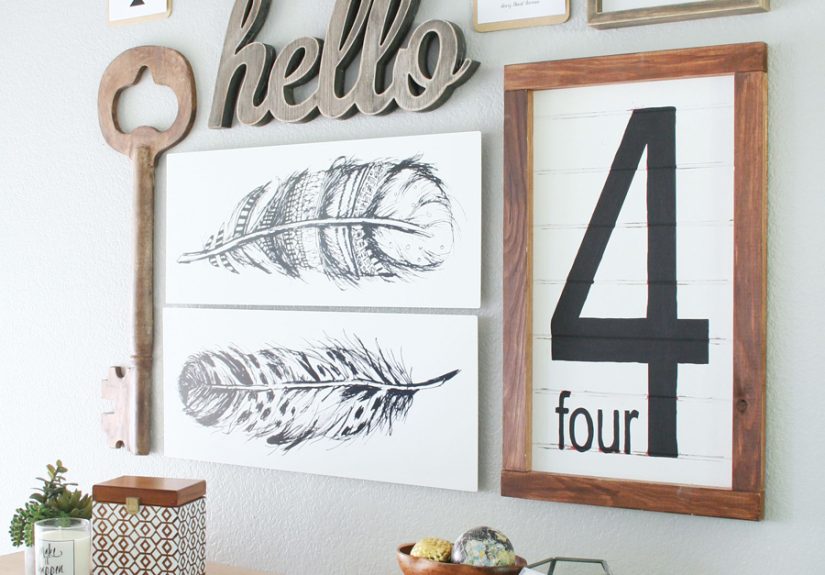
Try an antique-style mirror, a vintage stool, an old wooden crate, or a simple framed print. One strong personality piece is usually better than ten tiny
knickknacks.
Bring in greenery (real or convincingly fake)
A small plant, olive branch stems, or seasonal greenery can make the entry feel fresh. If your entry gets low light, pick something hardyor go faux and
live your best low-maintenance life.
Three Realistic Farmhouse Entryway Setups (Copy-Paste Friendly)
1) The “Tiny But Mighty” Apartment Entry
- Floating shelf + small tray for keys
- 3–5 hooks for coats and bags
- Slim shoe cabinet or a basket for everyday shoes
- Mirror to bounce light
- Washable runner
2) The Busy Family Mudroom Corner
- Cubby bench for shoes (one cubby per person if possible)
- Upper hooks for coats + lower hooks for backpacks
- Top shelf with labeled baskets (hats, gloves, dog stuff, sports gear)
- Shoe tray for wet boots
- Durable wall finish on the lower half (beadboard or board-and-batten)
3) The Narrow Hallway Entry
- Hook rail on one wall
- Very slim console or wall-mounted shelf
- Large mirror to widen the feel
- Storage basket tucked under the console (or beside it)
- Statement light fixture or warm table lamp
Budget Breakdown: Farmhouse Entryway Upgrades at Any Price
Under $100 (Weekend Refresh)
- New hooks and a wood mounting board
- Thrifted basket storage
- A runner or doormat upgrade
- A tray for a drop zone
$100–$500 (Big Visual Impact)
- DIY bench materials + stain/paint
- Mirror upgrade
- Wall treatment on one accent area (beadboard or board-and-batten)
- Lighting update (even one fixture can change everything)
$500+ (Custom-Look Zone)
- Full wall of built-ins (or a high-impact faux-built-in setup)
- New flooring or tile zone at the door
- Upgraded storage systems and cabinetry
Common DIY Mistakes (And How to Avoid Them)
- Too many tiny storage pieces: clutter still wins. Use fewer, bigger baskets or bins.
- No shoe plan: shoes will form a rebellion. Add a shelf, cubbies, or at least a tray.
- Hooks too high: if kids can’t reach, you’ll be the coat valet forever. Add a lower row.
- Not enough lighting: entryways can feel gloomy fast. Add a lamp, sconce, or warmer bulb.
- Ignoring durability: this space needs wipeable paint, washable textiles, and materials that can take a hit.
Conclusion: Build the Entryway Your Life Actually Needs
A DIY farmhouse entryway isn’t about perfectionit’s about making your home work better while looking effortlessly welcoming. Start with function (hooks,
shoe storage, a drop zone), then layer in farmhouse charm (wood tones, wall texture, cozy textiles, warm light). Even a tiny entry can feel intentional when
every item has a home.
Pick one project you can finish this weekendlike a hook board with a shelf or a simple benchand let the momentum build. Your future self, standing at the
door with both keys and sanity intact, will be extremely grateful.
Experience Notes From Real DIYers (So You Can Skip the “Oops” Part)
If you read enough DIY stories, a pattern shows up fast: the best farmhouse entryways aren’t the fanciest ones. They’re the ones that were adjusted after
someone lived with them for a week and realized, “Oh. We don’t need five decorative lanterns. We need a place for soccer cleats that won’t ruin the rug.”
That’s the real magic of DIYyou can build, test, tweak, and make the space fit your actual habits.
One of the most common “wish we’d known” lessons is about hook height. It’s tempting to mount everything at adult eye level so it looks
neat and symmetrical. Then reality shows up in the form of a child flinging a backpack onto the floor because they can’t reach the hook. Many DIYers end up
adding a second, lower row of hooks or dedicating one section of the wall to kid gear. The result is still attractive, but it’s also functional enough to
reduce daily arguments by a measurable percentage. (Science-ish.)
Another frequent lesson: closed storage saves the vibe. Open cubbies look adorableuntil you realize everyone owns more shoes than they
remember buying. Real households often do best with a hybrid approach: open storage for everyday items, and baskets or bins for the unpredictable stuff
(hats, gloves, dog accessories, spare chargers, and that one mystery mitten that’s been single for three winters). Labeled baskets are especially popular in
farmhouse entryways because they feel vintage and organized at the same timelike your space has its life together, even if you ate cereal for dinner.
DIYers also talk a lot about durability choices. Entryways are rough on materials, especially if you have pets, kids, rain, or all three
coming through the door like a stampede. People who choose wipeable paint on the lower half of walls (or install beadboard/board-and-batten) tend to be
happiest long-term because scuffs are inevitable. It’s not about fearit’s about planning for life. Washable runners and a shoe tray near the door earn a
ton of praise for the same reason: they quietly prevent mess from spreading deeper into the house.
One more real-world insight: lighting changes how “finished” the entry feels. Many DIYers say their entryway looked incomplete even after
adding storageuntil they added a small lamp or swapped a harsh overhead bulb for warmer light. That warm glow is what makes farmhouse style feel welcoming.
It’s also practical when you’re coming home after dark and trying to find your keys without performing a full pocket excavation on the doorstep.
Finally, there’s the lesson everyone learns eventually: start smaller than you think. A full built-in wall is amazing, but plenty of DIYers
get better results by completing one manageable project at a timelike a hook board with a shelf, then a bench, then wall trim. Each finished piece improves
daily life immediately, and you’re less likely to end up with a half-finished “entryway construction zone” that lasts until… well… next year.
The farmhouse entryway you want isn’t a showroom. It’s a hardworking space that welcomes people in, keeps clutter under control, and still looks like you
meant it. If your DIY plan does those three things, you nailed it.