Table of Contents >> Show >> Hide
- What “Savory Pie” Actually Means (A Quick, Useful Taxonomy)
- The 5 Building Blocks of a Savory Pie That People Ask For Seconds Of
- Anti–Soggy Bottom Club: Pro Tips That Actually Work
- 12 Savory Pie Recipes (With Smart Variations)
- 1) Classic Chicken Pot Pie (Double Crust, Maximum Comfort)
- 2) Skillet Pot Pie with Puff Pastry (The Weeknight Show-Off)
- 3) Turkey Leftover Pot Pie (The “Thank You, Past Me” Pie)
- 4) Beef & Mushroom Stout Pie (Pub Food Energy at Home)
- 5) Shepherd’s Pie (and Cottage Pie) with Crispy Potato Peaks
- 6) Quiche Lorraine (Plus the “Any Quiche” Formula)
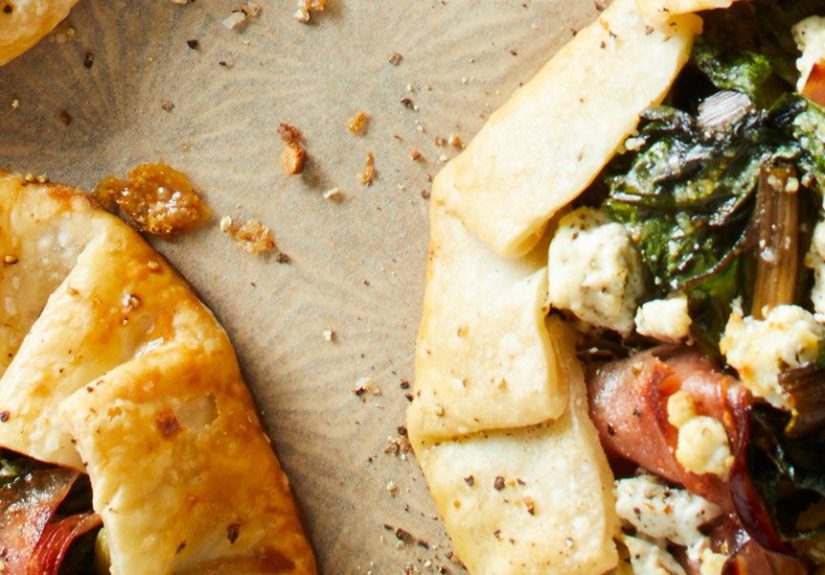
- 7) Tomato Galette (Rustic, Crispy, Summer on a Tray)
- 8) Tomato Tart with Roasted Garlic & Fontina (Elegant Without Trying Too Hard)
- 9) Spanakopita-Style Phyllo Pie (Crisp Layers, Tangy Filling)
- 10) Caramelized Onion & Gruyère Tart (A Fancy-Feeling Weeknight Dinner)
- 11) “Impossible” Bacon Pie (Brunch Pie for Busy Humans)
- 12) Empanadas / Hand Pies (The Portable Pie Party)
- How to Choose the Right Savory Pie for the Moment
- Troubleshooting: When Your Pie Has Feelings
- Conclusion: Your New “I Can Make Dinner” Superpower
- Extra: The “Real Life” Savory Pie Experience (Because Pie Is a Lifestyle)
Sweet pies get all the glory (looking at you, apple), but savory pies are the ones doing the real work:
feeding people, clearing out the fridge, and making you look like a kitchen wizard even if you’re wearing
sweatpants and bargaining with a store-bought crust.
This guide is a greatest-hits tour of savory pie recipesfrom cozy pot pies to crisp galettes,
from custardy quiche to hand pies you can eat one-handed while texting “I cooked” to everyone you know.
You’ll get practical tips to avoid soggy bottoms (we’re talking about pie, obviously) and a lineup of
recipe ideas with smart variations so you can cook with what you’ve got.
What “Savory Pie” Actually Means (A Quick, Useful Taxonomy)
“Savory pie” is a big umbrella. Under it, you’ll find a few main species:
- Double-crust pies: classic chicken pot pie, beef-and-ale pie, seafood pot pie.
- Single-crust pies + topping: pot pie with puff pastry, biscuit-topped pies, slab pies.
- Custard pies: quiche and its endlessly flexible cousins.
- Rustic tarts/galettes: free-form, forgiving, and dangerously snackable.
- Phyllo pies: shatteringly crisp layers like spanakopita-style pies.
- Hand pies/turnovers: empanadas, pasties, and “I put leftovers in a pastry and now it’s fancy.”
- “Not technically a pie but we’ll allow it” pies: shepherd’s/cottage pie (potato topping counts).
The 5 Building Blocks of a Savory Pie That People Ask For Seconds Of
1) A crust that knows its job
Savory pies are not a one-crust-fits-all situation. Pick your crust based on your filling and your patience:
- All-butter pie dough: flaky, classic, best for pot pies and galettes.
- Puff pastry: the shortcut that still feels dramatic (hello, golden layers).
- Phyllo: crisp and light, perfect when you want texture fireworks.
- Biscuit crust or topping: cozy, quick, and very “Sunday dinner.”
- Crustless or “impossible” pies: batter-style, weeknight-friendly, still counts.
2) A filling with the right moisture level
Most savory pie problems are secretly moisture problems. Your filling should be flavorful and cohesivenot soupy,
not dry, and definitely not “this is basically stew wearing a hat.”
3) A thickener that makes sense
Pot pies often use a flour-based thickener (like a roux) for that creamy, spoon-coating texture.
Custard pies rely on eggs (and dairy) to set. Vegetable-forward tarts often skip thickener entirely and focus
on draining, salting, and smart layering.
4) Seasoning that’s built in layers
If you season only at the end, your pie will taste like it’s wearing perfume instead of being delicious.
Salt aromatics as they cook. Add herbs at the right time. Use cheese and cured meats like flavor boosters,
not confetti.
5) A strong finish
The finish is where pies go from “nice” to “WHERE DID THIS COME FROM?”
Think: egg wash for shine, vent slits for steam, a hot sheet pan for crisp bottoms, and a rest time so slices hold.
Anti–Soggy Bottom Club: Pro Tips That Actually Work
-
Dock and weigh down a crust when pre-baking: pricking the base and using pie weights helps prevent
puffing and keeps the bottom flat. - Use an egg white barrier (especially for quiche): brushing crust with egg white can help it stay crisp.
-
Drain watery ingredients: tomatoes, mushrooms, spinachthese are delicious but sneaky.
Salt, squeeze, or cook off moisture before they meet the crust. -
Cool hot fillings slightly before assembly: dumping boiling filling into dough can start melting your
crust before it bakes. Not ideal. - Bake on a preheated sheet pan: it jump-starts bottom browning like a head start in a race.
12 Savory Pie Recipes (With Smart Variations)
These are written as real-world, cookable blueprintsnot an exhausting novel where you need three degrees
and a standing mixer named Cheryl. Use them as a menu, a plan, or a delicious excuse to buy cheese.
1) Classic Chicken Pot Pie (Double Crust, Maximum Comfort)
The classic: chicken, carrots, celery, peas, a creamy sauce, and a flaky top that makes people lean in for the
first crackle. The key is a sauce thickened enough to coat everything, not pool at the bottom.
Make it work: cook aromatics in butter, stir in flour to form a paste, then whisk in broth and a splash of cream or milk until thick and silky. Fold in cooked chicken and vegetables, cool slightly, then assemble and bake until deeply golden.
- Shortcut: rotisserie chicken + frozen veg + puff pastry top.
- Flavor upgrade: thyme, parsley, a spoon of Dijon, or a little mushroom umami.
- Make-ahead: make filling a day early; bake fresh for best crust.
2) Skillet Pot Pie with Puff Pastry (The Weeknight Show-Off)
This one is for when you want “wow” with minimal mess. Build the filling in an oven-safe skillet, lay puff pastry
on top, and let the oven do the applause.
- Best fillings: chicken + leeks, mushroom + thyme, turkey + leftover gravy.
- Finishing move: egg wash the puff pastry for that glossy, bakery look.
3) Turkey Leftover Pot Pie (The “Thank You, Past Me” Pie)
Leftovers become legendary when you tuck them into a crust. Use cooked turkey, roasted veggies, even stuffing
(yes, stuffing) as part of the filling.
Tip: if your leftovers are very saucy, spoon off some liquid or reduce it so the crust doesn’t turn into a sponge.
4) Beef & Mushroom Stout Pie (Pub Food Energy at Home)
Think of this like stew that got promoted. Brown beef well, cook mushrooms until they stop pretending to be wet,
then simmer with onions, herbs, and a dark beer until rich and thick. Top with pastry and bake.
- Crust choice: puff pastry for ease, or sturdy pie dough for a classic lid.
- Serving: with peas, a bright salad, or just a fork and zero regrets.
5) Shepherd’s Pie (and Cottage Pie) with Crispy Potato Peaks
This is the savory pie for people who love mashed potatoes enough to give them a starring role.
Traditionally, shepherd’s pie uses lamb; cottage pie uses beef. Either way: brown meat, build a savory gravy,
top with mashed potatoes, rake with a fork for crispy ridges, and bake until golden.
- Veggie version: lentils + mushrooms + plenty of herbs.
- Extra credit: stir cheddar or Parmesan into the mash.
6) Quiche Lorraine (Plus the “Any Quiche” Formula)
Quiche is the most flexible savory pie in the game: brunch, lunch, dinner, snack. A classic Lorraine leans on
bacon and cheese in a creamy egg custard. The trick is a crust that stays crisp and a custard that sets gently.
The easiest quiche formula: a pre-baked crust + eggs + dairy + flavorful add-ins. Keep add-ins cooked and drained so the custard sets cleanly.
- Variations: spinach + feta; mushroom + Gruyère; broccoli + cheddar; ham + Swiss.
- Pro tip: dock crust, weigh it down, and consider brushing with egg white for crispness.
7) Tomato Galette (Rustic, Crispy, Summer on a Tray)
A galette is the pie world’s “no stress” option: roll dough, pile filling, fold edges, bake. With tomatoes,
you want caramelized flavornot tomato soup in a crustso salting and draining the slices first is the move.
- Cheese friends: Parmesan in the crust, or a layer of grated cheddar/Gouda/Asiago inside.
- Herb choices: basil, chives, thymepick what smells like summer.
8) Tomato Tart with Roasted Garlic & Fontina (Elegant Without Trying Too Hard)
This style is more structured than a galette and more straightforward than a quichetomatoes layered over cheese
and roasted garlic in a buttery crust. It’s bold, savory, and very “I totally meant to make this.”
9) Spanakopita-Style Phyllo Pie (Crisp Layers, Tangy Filling)
Phyllo pies are all about texture: shattery top, tender filling. A spinach-and-feta filling gets lift from herbs,
alliums, and citrusy brightness. Keep phyllo covered while you work and be generous with butter or oil between
layers so it bakes up crisp.
- Shortcut: frozen spinach works greatjust squeeze it very dry.
- Make it yours: add dill, lemon zest, and a mix of onions/leeks/scallions.
10) Caramelized Onion & Gruyère Tart (A Fancy-Feeling Weeknight Dinner)
Slow-cooked onions turn sweet and jammy, Gruyère adds nutty richness, and the whole thing tastes like a cozy
bistro. Use a tart pan if you have one; if not, make it a galette and call it “rustic” (which is chef code for
“still delicious”).
- Add-ins: thyme, a swipe of Dijon, mushrooms, or a handful of arugula on top after baking.
11) “Impossible” Bacon Pie (Brunch Pie for Busy Humans)
This is the style of savory pie that doesn’t require rolling dough. A batter-like base (often using a baking mix)
bakes up around bacon, onion, and cheese into something between a quiche and a casserolein the best way.
- Easy swaps: add spinach, use ham, switch cheeses, toss in green onions.
- Why it’s great: reheats well, slices cleanly, and plays nice with salad.
12) Empanadas / Hand Pies (The Portable Pie Party)
Hand pies are the solution to “I want pie, but I also want to move around.” Use leftover pulled pork, taco meat,
curry, roasted veggies, or cheese-and-bean filling. The main rule: don’t overfill, and seal well.
- Dough thickness: thin enough to bake crisp, thick enough to hold its attitude.
- Seal trick: a bit of egg wash on the edge acts like edible glue.
- Vent: cut small slits so steam can escape and the pastry stays crisp.
How to Choose the Right Savory Pie for the Moment
- Feeding a crowd? Slab pie, big quiche, or shepherd’s pie.
- Want leftovers? Pot pie filling + bake fresh crust later; quiche slices like a champ.
- Need portable? Hand pies/empanadas or mini pot pies.
- Have gorgeous produce? Tomato tart/galette or veggie tart with cheese.
- Short on time? Puff pastry top, biscuit topping, or “impossible” pie.
Troubleshooting: When Your Pie Has Feelings
My bottom crust is soggy.
Your filling was too wet, the oven wasn’t hot enough, or the crust didn’t get a head start. Drain ingredients,
reduce sauce, bake on a preheated sheet pan, and consider partial baking for single-crust pies.
My pot pie filling is runny.
It likely needed more simmer time after adding the thickener, or it didn’t cool enough to set slightly before
slicing. A properly thickened sauce should coat a spoon. Also: let the pie rest after baking.
My quiche is watery.
Your add-ins released moisture (spinach, mushrooms, tomatoes). Cook them first, squeeze or drain well, then add.
Bake until the center is just setnot sloshy.
My crust shrank.
Dough was stretched and didn’t get time to relax. Chill the shaped crust before baking, and avoid pulling it tight.
Conclusion: Your New “I Can Make Dinner” Superpower
Savory pies are part recipe, part strategy. Once you understand the building blockscrust choice, moisture control,
thickening, seasoning, and finishingyou can make a pie out of almost anything: leftovers, seasonal vegetables,
a random wedge of cheese, or that one onion rolling around your crisper drawer like it pays rent.
Start with one style you love (pot pie, quiche, galette, hand pies), master the basics, then remix. Before long,
you’ll be the person who “just throws together a savory pie,” which is a very cool person to be.
Extra: The “Real Life” Savory Pie Experience (Because Pie Is a Lifestyle)
There’s a specific kind of confidence that shows up the first time you pull a savory pie out of the oven and
realize it looks like something you’d gladly pay $18 for at a cozy café. The crust is golden, the filling smells
like comfort, and suddenly you’re standing there thinking, “Wait… I did that.” That moment is basically a rite
of passage. Not because savory pies are difficult, but because they feel impressivelike you’ve unlocked
an adult skill tree that includes words such as “galette,” “phyllo,” and “I’ll just make a quick crust.”
Savory pies also change how you look at leftovers. After you’ve made hand pies once, the fridge stops being a
graveyard of containers and becomes a treasure chest. Half a cup of shredded chicken? That’s future empanada
filling. Extra roasted vegetables? Tart topping. A scoop of mashed potatoes? Shepherd’s pie crown. Even a small
amount of saucepesto, gravy, a spoon of tomato pastestarts to look like a flavor shortcut instead of “that
thing I should probably throw away.” The weirdest part is how quickly your brain begins doing pie math without
being asked: “If I reduce this sauce a little and add a handful of cheese, I can fold it into dough and bake
it until it’s portable.” That’s not just dinner planning. That’s wizardry.
Then there’s the social effect. Savory pie is one of those foods that makes people hover in the kitchen.
You’ll notice it at gatherings: folks drift toward the oven like it’s giving off a gravity field. The second
the pie comes out, someone asks, “How long should it rest?”not because they care about structure, but because
they’re trying to calculate how fast they can get a slice without burning their mouth. And the compliments are
oddly specific. Nobody says, “Nice dinner.” They say, “Your crust is so flaky,” or “What did you put in this?”
(which is your cue to smile mysteriously and avoid admitting you used store-bought puff pastry like the genius
you are).
Savory pies are also wonderfully forgiving on the days you’re not. If your galette folds are lopsided, it’s
“rustic.” If your quiche top browns a little extra, it’s “deeply golden.” If you accidentally overfill a hand
pie and it leaks a bit, it’s “cheese lava,” and people will still eat it first. The learning curve is mostly
about noticing patterns: watery fillings want draining, custards want gentle heat, pastry wants cold hands and a
little patience. Once you’ve baked a few, you start trusting your senseshow thick the sauce looks, how the
pastry smells when it’s done, how the center of a quiche jiggles when it’s just set.
Finally, savory pie has a sneaky benefit: it makes your kitchen feel like a home base. The smell hangs around
in the best way. The leftovers reheat like a dream. And even if you’re cooking for one, a savory pie can be a
tiny act of future kindnesstwo slices for now, two slices for tomorrow, and one slice you’ll swear you’re saving
for later (but will absolutely eat standing at the counter). If you’ve been looking for a cooking habit that’s
practical, comforting, and genuinely fun to riff on, savory pies are it. Welcome to the club. Bring butter.