Table of Contents >> Show >> Hide
- Why Running Injuries Happen (Hint: It’s Usually Not “Bad Luck”)
- The 8 Most Common Running Injuries
- 1) Runner’s Knee (Patellofemoral Pain Syndrome)
- 2) IT Band Syndrome (Iliotibial Band Syndrome)
- 3) Shin Splints (Medial Tibial Stress Syndrome)
- 4) Plantar Fasciitis
- 5) Achilles Tendinopathy (Achilles Tendinitis/Tendinosis)
- 6) Stress Fractures (Bone Stress Injuries)
- 7) Hamstring Strain
- 8) Ankle Sprain
- How to Prevent Running Injuries (Without Turning Into a Foam-Roller Influencer)
- When to Stop Running and Get Checked
- A Simple “Smarter Runner” Checklist
- Runner Experiences: of “I Learned This the Hard Way”
- Conclusion
Running is one of the simplest sports on Earth: put one foot in front of the other, repeat, feel heroic. And yet,
your body sometimes responds like you just tried to juggle chainsaws. The good news: most running injuries
are predictable, preventable, and fixableespecially when you know what to watch for and how to train smarter.
This guide breaks down the 8 most common running injuries, their telltale symptoms,
what usually causes them, and practical prevention strategies that don’t require a PhD in biomechanics
(or a second mortgage for fancy gadgets).
Why Running Injuries Happen (Hint: It’s Usually Not “Bad Luck”)
Most running-related problems fall into two buckets:
- Overuse injuries: tissues get more load than they can handle, more often than they can recover.
- Acute injuries: a sudden twist, slip, or “oops” momentoften involving the ankle or hamstring.
The classic trigger is a jump in training load: more miles, more speed, more hills, more everythingwithout giving
tendons, bones, and muscles time to adapt. Add in sleep debt, stress, old shoes, weak hips, or a sudden switch in terrain,
and you’ve got the perfect recipe for pain with a side of frustration.
Quick reality check: Discomfort from normal training is usually symmetrical and fades with recovery.
Injury pain is often localized, persistent, and tends to worsen as you keep running on it.
The 8 Most Common Running Injuries
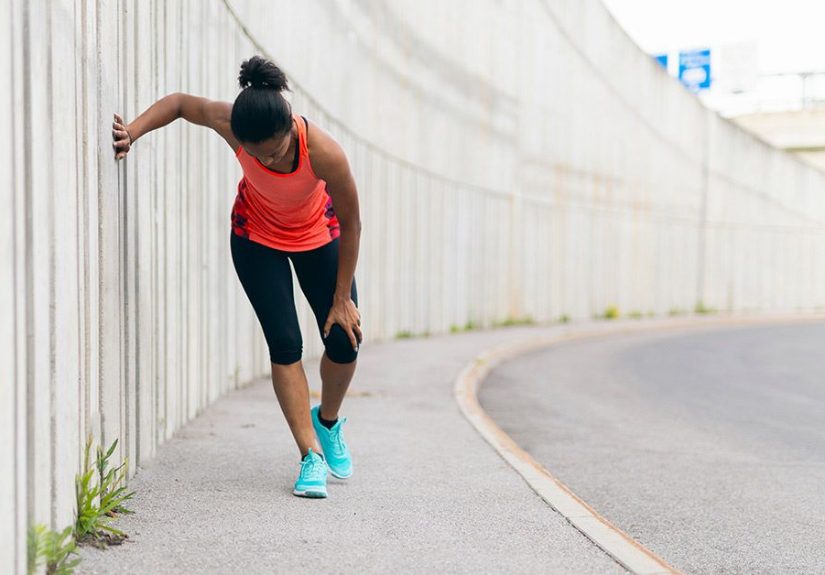
1) Runner’s Knee (Patellofemoral Pain Syndrome)
What it feels like: a dull ache in the front of the knee or around the kneecapoften after sitting,
going downstairs, or running hills (your knees start filing formal complaints).
Common symptoms: pain with stairs, squats, downhill running, or prolonged sitting; sometimes clicking or
a “grindy” sensation.
Why it happens: usually a mismatch between load and capacityoften influenced by hip weakness,
poor control of the thigh (femur) position, sudden mileage/speed increases, or repeated downhill running.
Prevention tips:
- Build hip and quad strength (think: step-downs, split squats, clamshells, side planks).
- Increase volume graduallyespecially hills and speedwork.
- If pain appears, cut intensity first (speed/hills), then reduce mileage if needed.
Example: You go from flat treadmill miles to outdoor hills “for fun.” Two weeks later, your kneecap
is sending you hate mail every time you take stairs. That’s runner’s knee energy.
2) IT Band Syndrome (Iliotibial Band Syndrome)
What it feels like: sharp or burning pain on the outside of the knee (sometimes the hip), often starting
after a certain distancelike a very specific “mile marker of doom.”
Common symptoms: pain on the outer knee that worsens with running, especially downhill; sometimes a snapping
sensation; tenderness along the outside of the knee.
Why it happens: repetitive friction/irritation where the IT band interacts near the knee, often made worse by
weak hip stabilizers, sudden mileage increases, cambered roads, or lots of downhill running.
Prevention tips:
- Strengthen glutes/hips (single-leg deadlifts, lateral band walks, step-ups).
- Rotate routes and avoid constant slanted surfaces.
- Progress hills slowly, like a responsible adult.
3) Shin Splints (Medial Tibial Stress Syndrome)
What it feels like: aching along the inner edge of the shin, often early in a run and sometimes easing as you
warm upuntil it doesn’t.
Common symptoms: diffuse shin tenderness, pain with running/jumping, soreness after workouts.
Why it happens: bone and tissue stress from rapid increases in running load, more hard-surface running,
inadequate calf strength/endurance, or sudden changes in shoes/terrain.
Prevention tips:
- Increase mileage and intensity gradually; add one “new stressor” at a time (miles or speed or hills).
- Strengthen calves and tibialis (calf raises, bent-knee calf raises, toe raises).
- Mix surfaces and add low-impact cross-training when building base.
Important: If shin pain becomes pinpoint and hurts at rest or at night, get evaluatedthis can signal a
stress fracture, not just shin splints.
4) Plantar Fasciitis
What it feels like: stabbing heel pain, often worst with the first steps in the morning or after sitting.
Your foot basically wakes up grumpy.
Common symptoms: heel or arch pain with first steps, pain after long standing, soreness after runs.
Why it happens: repetitive strain on the plantar fascia from running volume, tight calves/Achilles,
unsupported footwear, sudden activity spikes, or being on your feet all day (yes, your job can contribute).
Prevention tips:
- Maintain calf/Achilles mobility (gentle calf stretching) and foot strength (towel scrunches, short-foot exercises).
- Don’t ignore early heel painreduce load and address it early.
- Use supportive shoes; be cautious with sudden minimalist shoe switches.
5) Achilles Tendinopathy (Achilles Tendinitis/Tendinosis)
What it feels like: pain or stiffness in the back of the heel/ankleoften worse in the morning or after
speedwork/hills.
Common symptoms: soreness above the heel, morning stiffness, pain with push-off, possible thickening of the tendon.
Why it happens: the Achilles hates sudden increases in speed, hills, and plyometrics. It also gets cranky
with tight calves, weak calf capacity, or abrupt shoe changes (especially lower heel-to-toe drop).
Prevention tips:
- Build calf strength progressively (slow calf raises, bent-knee calf work for the soleus).
- Introduce hills and speed gradually; don’t stack hard workouts back-to-back.
- Transition shoes slowlyyour tendon doesn’t care that the new pair is “cool.”
6) Stress Fractures (Bone Stress Injuries)
What it feels like: localized pain that starts with activity and can progress to pain during walking or even at rest.
It’s the opposite of “walk it off.”
Common symptoms: pinpoint tenderness, swelling, pain that worsens with impact, pain that persists after stopping.
Why it happens: repeated bone overload without adequate recoveryoften from rapid mileage increases, lots of hard surfaces,
inadequate fueling, low vitamin D/calcium intake, menstrual irregularities/low energy availability in some athletes, or prior stress injuries.
Prevention tips:
- Progress training conservatively and respect rest days.
- Fuel like it matters (because it does): consistent calories, protein, and bone-supporting nutrients.
- If you suspect a stress fracture, stop impact running and get assessed sooner rather than later.
7) Hamstring Strain
What it feels like: sudden sharp pain in the back of the thighsometimes with a popoften during sprinting,
fast accelerations, or fatigue.
Common symptoms: sharp pain, swelling/tenderness within hours, bruising, weakness, difficulty walking or running.
Why it happens: hamstrings are heavily loaded during faster running. Strains are more likely when you jump into speedwork,
skip warm-ups, run fatigued, or lack posterior chain strength.
Prevention tips:
- Warm up before speed sessions (easy jog + drills/strides).
- Strengthen hamstrings and glutes (Romanian deadlifts, bridges, Nordic progressions if appropriate).
- Increase speed exposure graduallydon’t go from “jogger” to “100-meter legend” overnight.
8) Ankle Sprain
What it feels like: a twist or roll, followed by pain, swelling, and sometimes bruising.
Uneven terrain can humble anyone.
Common symptoms: swelling, bruising, tenderness over ligaments, instability, difficulty bearing weight (especially in more severe sprains).
Why it happens: stepping on an uneven surface, trail obstacles, fatigue-related missteps, or returning too quickly after a prior sprain.
Prevention tips:
- Do balance/proprioception work (single-leg stands, heel-to-toe walks, controlled hops when ready).
- Strengthen calves and peroneals (ankle eversions, calf raises).
- On trails: shorten stride, slow down, and keep eyes scanning ahead.
How to Prevent Running Injuries (Without Turning Into a Foam-Roller Influencer)
1) Manage Training Load Like It’s Your Job
Your body adapts to stressif the stress is introduced progressively. A practical approach:
- Increase weekly volume gradually, and avoid sudden “hero weeks.”
- Add intensity (speed) or hills in small dosesdon’t upgrade everything at once.
- Use a “hard/easy” rhythm: tough days followed by easier days.
2) Strength Training: The Not-So-Secret Sauce
Stronger muscles absorb more force, improve control, and reduce strain on tendons and joints.
Prioritize:
- Hips/glutes: lateral band walks, step-downs, split squats
- Calves: straight- and bent-knee calf raises (both matter)
- Posterior chain: deadlift variations, bridges, hamstring work
- Core (anti-rotation): planks, side planks, Pallof presses
Two short sessions per week can go a long wayespecially during base building.
3) Warm Up for the Run You’re About to Do
Easy run? A few minutes of brisk walking or light jogging may be enough. Speedwork? Earn it:
- 5–10 minutes easy jog
- Dynamic drills (leg swings, marching, skips)
- 2–4 short strides to wake up the nervous system
4) Shoes Matter, But They’re Not Magic
Wear shoes that feel stable and comfortable for your foot. Replace them when they’re clearly worn out, and transition to a new model gradually.
Big shiftslike changing to a much lower heel-to-toe drop or super-stiff plated shoescan stress the Achilles, calves, and feet if you rush it.
5) Recovery Is Training (Yes, Really)
- Sleep: your tissues rebuild when you sleep, not when you doom-scroll.
- Fueling: consistent energy intake supports muscle and bone repair.
- Easy days: keep them truly easy to let adaptations happen.
When to Stop Running and Get Checked
See a healthcare professional if you have:
- Inability to bear weight, severe swelling, or obvious deformity
- Pain that persists at rest or wakes you at night
- Pinpoint bone pain (especially shin/foot) that worsens with impact
- Numbness, tingling, fever, or rapidly worsening symptoms
A Simple “Smarter Runner” Checklist
- Progress gradually (miles, speed, hillspick one at a time).
- Strength train twice per week (hips, calves, posterior chain).
- Warm up based on workout intensity.
- Rotate stress (surfaces, routes, and intensity).
- Respect recovery (sleep, nutrition, easy days).
- Address pain early before it becomes a plot twist.
Runner Experiences: of “I Learned This the Hard Way”
If you hang around runners long enough, you’ll notice a pattern: we’re optimistic, goal-driven, and occasionally allergic to
the concept of “taking it easy.” That’s not a character flawit’s basically the sport’s unofficial membership requirement.
But it does explain why so many running injuries start with a sentence like, “I felt a little something, but…”
One common story goes like this: a runner builds a solid base, then signs up for a race and adds speedwork, hills, and extra mileage
all in the same month. At first, it feels amazingfitness skyrockets, splits improve, confidence blooms. Then the knee pain arrives.
It’s subtle: a little ache when going downstairs. Easy to ignore. Soon it’s runner’s knee that shows up on mile two like an uninvited guest
who refuses to leave. The lesson most runners take from this isn’t “never train hard.” It’s “change one variable at a time.”
Another classic: the shoe switch. Someone reads about a new modellighter, faster, more “responsive”and decides to debut it on a long run.
That’s like test-driving a sports car on an icy mountain road. The run might feel great… until the Achilles tendon starts acting like a
cranky guitar string. The runners who do best tend to transition slowly: short runs first, then moderate runs, then workoutsletting
calves and tendons adapt.
Trail runners often have their own rite of passage: the ankle sprain. It usually happens when you’re feeling unstoppable and your brain decides
to admire the scenery instead of the roots and rocks. The recovery lesson is surprisingly empowering: balance work matters. People who commit to
simple single-leg balance drills for a few minutes a day often return feeling more stable than beforeand they stop treating ankles like fragile glass.
Shin splints and plantar fasciitis tend to teach the “early action” lesson. Many runners report that when they respond quicklyreducing intensity,
adding calf strengthening, choosing a softer route, and dialing in recoverythe problem calms down. When they don’t, the injury becomes a long-running
series with multiple seasons and an unnecessary cliffhanger.
The most helpful mindset shift runners describe is moving from “How do I keep running no matter what?” to “How do I keep running long-term?”
That’s where prevention becomes less about fear and more about strategy. You can still chase goals, run hard, and enjoy the sportjust with a smarter
plan that respects the body you’re asking to do the work. Running is supposed to be freeing, not a weekly appointment with an ice pack.
Conclusion
The most common running injuries aren’t mysterious. They’re usually the result of doing “too much, too soon” or skipping the boring-but-powerful basics:
strength, recovery, and gradual progression. Learn the symptoms early, respond quickly, and build a routine that keeps you healthy enough to enjoy the run
not just survive it.