Table of Contents >> Show >> Hide
- What Makes a Great Pulled Pork Slider?
- Ingredients
- Equipment
- Step-by-Step Pulled Pork (Pick Your Method)
- Quick Tangy Slaw (5 minutes, zero drama)
- How to Build Pulled Pork Sliders
- Serving Ideas
- Make-Ahead, Storage, and Reheating
- Troubleshooting (Because Pork Has Opinions)
- Food Safety and Doneness Notes
- of Real-Life Slider Wisdom (Experiences People Actually Have)
- Conclusion
Pulled pork sliders are the “it’s fine, I’ll just have one” snack that mysteriously turns into
“why is my plate empty again?” They’re small, shareable, and basically designed for game day,
potlucks, family parties, and any gathering where you want people to hover near the food table
like it’s a Wi-Fi signal.
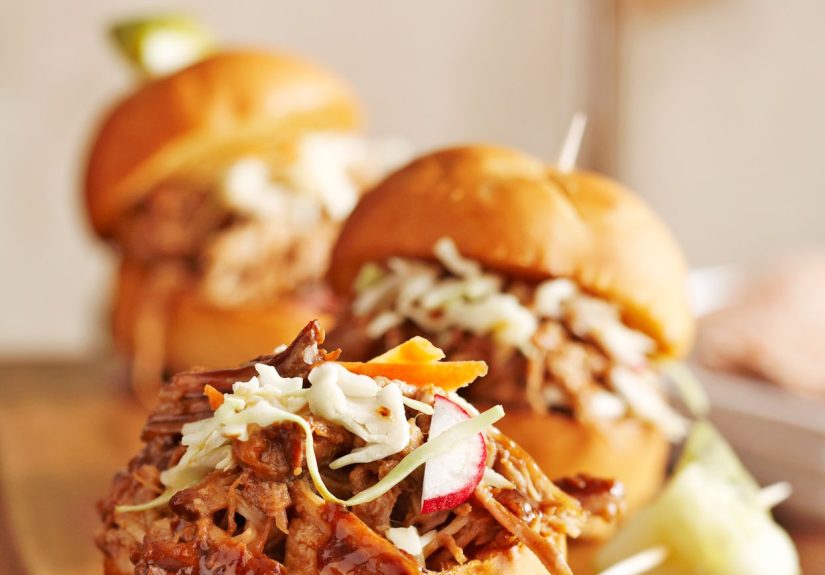
This recipe gives you juicy, shred-ready pulled pork plus a quick, tangy slaw that cuts through
the richness. You’ll also get three cooking methods (oven, slow cooker, Instant Pot), so you can
choose your own adventurewhether you’re planning ahead or making sliders because your group chat
just decided you’re hosting tonight.
What Makes a Great Pulled Pork Slider?
1) The right cut (aka: don’t fight the pig)
For classic pulled pork, you want a cut with enough fat and connective tissue to stay moist and
become shreddable. Pork shoulder (often labeled “pork butt” or “Boston butt”) is the MVP. Lean
cuts can taste great, but they don’t pull into those tender strands as easilyand sliders deserve
the good stuff.
2) Sauce that clings, not floods
Great sliders aren’t soggy. The goal is pork that’s flavorful on its own, then finished with just
enough barbecue sauce to glaze the meat. Think “sticky and delicious,” not “tiny bun canoe.”
3) Crunch + tang to balance the richness
Pulled pork is rich and savory. A bright slaw (vinegar-forward, lightly creamy, or both) adds crunch
and makes the whole slider feel fresh instead of heavy. It’s the difference between “wow” and
“I need a nap after two.”
Ingredients
For the pulled pork
- 3 to 4 lb pork shoulder (pork butt/Boston butt), boneless or bone-in
- 1 tbsp kosher salt
- 2 tsp smoked paprika
- 2 tsp sweet paprika
- 2 tsp brown sugar
- 1 tsp black pepper
- 1 tsp garlic powder
- 1 tsp onion powder
- 1 tsp chili powder
- 1/2 tsp ground cumin
- Pinch cayenne (optional, for a gentle kick)
- 1 tbsp neutral oil (optional, if searing)
- 1 cup chicken broth (or apple juice for a sweeter vibe)
- 1/3 cup apple cider vinegar
- 2 tbsp Worcestershire sauce
- 1 tbsp yellow mustard
- 1/2 cup barbecue sauce, plus more to serve
For quick tangy slaw
- 4 cups shredded cabbage (green, or a green/purple mix)
- 1 cup shredded carrots
- 1/3 cup mayonnaise (or Greek yogurt for a lighter option)
- 2 tbsp apple cider vinegar
- 1 tbsp sugar or honey
- 1/2 tsp celery seed (optional but very “deli counter”)
- 1/2 tsp kosher salt, plus more to taste
- Black pepper to taste
For assembly
- 12 to 24 slider buns (Hawaiian rolls, brioche slider buns, or potato rolls)
- Dill pickle chips (highly recommended)
- Thin-sliced red onion (optional)
- Extra barbecue sauce (for drizzling and dipping)
Equipment
- Large Dutch oven with lid or slow cooker or Instant Pot/pressure cooker
- Meat thermometer (the one tool that ends kitchen arguments)
- Cutting board + knife
- Two forks (or meat claws, if you like dramatic shredding)
- Mixing bowl for slaw
Step-by-Step Pulled Pork (Pick Your Method)
Step 1: Season the pork
Pat the pork dry. In a small bowl, mix salt, smoked paprika, sweet paprika, brown sugar, pepper,
garlic powder, onion powder, chili powder, cumin, and cayenne (if using). Rub the mixture all
over the porkget into the nooks like you mean it.
If you have time, let it sit uncovered in the fridge for 2 to 12 hours. This helps the seasoning
sink in and improves texture. If you don’t have time, it’s still going to be deliciousno guilt,
no lectures.
Option A: Oven-Braised (best all-around flavor + texture)
- Preheat oven to 300°F.
-
Optional but tasty: Heat 1 tbsp oil in a Dutch oven over medium-high heat. Sear the pork
2–3 minutes per side until browned. (Color = flavor. Also, your kitchen will smell amazing.) -
Whisk broth, apple cider vinegar, Worcestershire, mustard, and 1/2 cup barbecue sauce. Pour
into the pot around the pork (not directly on top if you want the rub to stay put). - Cover tightly and bake 3 to 4 hours, until the pork is fork-tender and shreds easily.
-
For extra flavor: uncover for the last 20–30 minutes to reduce the liquid slightly. If your
pork is already super tender, don’t overdo this steptender first, “fancy” second.
Option B: Slow Cooker (set-and-forget convenience)
-
Place seasoned pork in the slow cooker. Add broth, vinegar, Worcestershire, mustard, and 1/2 cup
barbecue sauce. - Cook on LOW for 8 to 10 hours (or HIGH for 5 to 6 hours) until shreddable.
-
For a “barkier” vibe: shred the pork, spread it on a sheet pan, drizzle lightly with sauce,
and broil 3–6 minutes, stirring once, until the edges caramelize.
Option C: Instant Pot (fastest, still juicy)
-
Optional: Use Sauté mode with a little oil to brown the pork in chunks (helps flavor). Don’t
crowd the pot; brown in batches if needed. - Add broth, vinegar, Worcestershire, mustard, and 1/2 cup barbecue sauce.
-
Pressure cook on HIGH for 60 minutes (3 lb) to 75 minutes (4 lb). Let pressure release naturally
for 15 minutes, then quick release the rest. -
Shred, then simmer on Sauté for a few minutes to reduce juices if you want a thicker, saucier
finish.
Step 2: Shred and season like a pro
Transfer pork to a tray or big bowl. Shred with forks. Skim excess fat from cooking liquid if it’s
very oily (a little is great; a puddle is… less great). Then add some cooking juices back into the
shredded porkstart with 1/2 cup and work up until it’s juicy and glossy.
Taste. Add more barbecue sauce if you want it sweeter, smoky, or tangier. Add a pinch of salt if
needed. This is the moment you turn “pretty good” into “why are people texting me for the recipe.”
Quick Tangy Slaw (5 minutes, zero drama)
In a bowl, toss cabbage and carrots. In a small bowl, whisk mayo, vinegar, sugar/honey, celery seed
(if using), salt, and pepper. Pour over the veggies and toss. Taste and adjust:
- More vinegar = brighter and snappier
- More mayo = creamier
- More sugar/honey = rounder and less sharp
- A pinch of salt = makes everything taste more like itself
How to Build Pulled Pork Sliders
Classic build (the crowd-pleaser)
- Split buns and lightly toast if you like (helps prevent sogginess).
- Add a spoonful of pulled pork.
- Top with slaw, then add pickle chips.
- Drizzle with a little extra barbecue sauce (optional, but very popular).
- Serve immediatelysliders wait for no one.
Baked party-pan sliders (warm, melty, “disappear fast” style)
If you want that “tray of sliders” magic: place the bottom halves of the buns in a baking dish,
pile on pulled pork, top with buns, then brush the tops with melted butter (optionally mixed with
a little garlic powder and a pinch of salt). Bake at 350°F for 10–12 minutes until warmed through.
Set out extra slaw on the side so it stays crisp.
Serving Ideas
Side dishes that play well with sliders
- Potato salad (classic picnic energy)
- Mac and cheese (because joy)
- Pickles, pickled onions, or a crunchy relish tray
- Cornbread or hush puppies
- Roasted sweet potato wedges
- Simple green salad if you want “balance” (or at least the idea of balance)
Sauce and topping upgrades
- Carolina-style: add extra vinegar and a pinch of red pepper flakes
- Spicy-sweet: mix BBQ sauce with a little hot sauce or chipotle
- Fruity: add pineapple relish or mango salsa for a tropical twist
- Smoky: add a dash of liquid smoke (tiny amount!) or smoked paprika to sauce
- Cheesy: add a slice of sharp cheddar or pepper jack (especially for baked sliders)
Make-Ahead, Storage, and Reheating
Make-ahead plan (the host’s secret weapon)
- Pork: Make 1–3 days ahead. Store with some juices to keep it moist.
- Slaw: Mix dressing and veggies separately; combine 30–60 minutes before serving for best crunch.
- Buns: Keep sealed until serving so they stay soft.
Reheating pulled pork without drying it out
- Stovetop: Warm with a splash of reserved juices or broth over low heat.
- Microwave: Cover and heat in short bursts, stirring, with a little liquid added.
- Oven: Cover in a dish with some juices; heat at 300°F until hot.
Pulled pork freezes beautifully. Cool it, pack it with a bit of sauce/juices, and freeze up to about
2–3 months for best quality. Defrost in the fridge overnight and reheat gently.
Troubleshooting (Because Pork Has Opinions)
“My pork won’t shred.”
It needs more time. Pork shoulder becomes shreddable when connective tissue breaks down, which typically
happens at higher internal temps than “sliceable pork.” Put it back in the cooker and keep going until
it pulls apart easily.
“It tastes dry.”
Add back cooking juices, then sauce. If you reduced the liquid too much, stir in a little warm broth
and a splash of vinegar (the acidity wakes up flavor). Also: don’t over-broil after shreddingcrisp
edges are great, but the whole batch shouldn’t turn into pork confetti.
“It’s too salty or too sweet.”
Balance is your friend. Too salty? Add a bit more vinegar, a spoonful of unsalted broth, or extra pork
(if you have it). Too sweet? Add vinegar, mustard, or a small pinch of chili powder to bring it back.
“There’s a lot of fat.”
Some fat is the reason pulled pork is incredible. If it’s excessive, skim the top of the cooking liquid
before mixing it back in. (A fat separator pitcher makes this feel weirdly satisfying.)
Food Safety and Doneness Notes
Pork is considered safe at a lower temperature than what you’ll usually target for pulled pork. For
sliders, you’re not just cooking for safetyyou’re cooking for texture. A pork shoulder becomes tender
and shreddable after it’s cooked long enough for collagen to break down, which typically happens closer
to the “pulled pork zone” rather than “roast pork zone.”
Practical rule: cook until a thermometer reads in the high 190s to low 200s °F and the meat shreds
easily with a fork. Then rest the pork at least 15–20 minutes before shredding so juices redistribute
and you don’t lose all the goodness on the cutting board.
of Real-Life Slider Wisdom (Experiences People Actually Have)
If you’ve never made pulled pork sliders before, here’s the funny part: the recipe is the easy
part. The “experience” is everything that happens around ittiming, texture, the crowd, and the
moment you realize you should have doubled the batch. These are the most common, totally normal
things home cooks run into (and how to handle them like it was your plan all along).
The “smells amazing at hour two” confidence boost
Somewhere early in the cook, your kitchen starts smelling like smoky spices and barbecue dreams.
This is when people begin wandering in to “check on things.” Translation: they’re hungry and
they can smell the future. It helps to have a small snack outchips, pickles, or even just the slaw
so the pulled pork can finish in peace without an audience performing dramatic sighs.
The “why won’t it shred yet?” panic (and the relief right after)
Almost everyone tries shredding too early once. The pork might be fully cooked, but still tight and
stubborn. That’s not failure; it’s physics. Give it more time and it suddenly flips from “tough roast”
to “fall-apart perfection.” The best tell isn’t only the number on the thermometerit’s how easily a
fork twists in the meat. When it feels effortless, you’re there.
The “sauce is a seasoning, not a swimming pool” lesson
First-timers often add too much sauce at once, and then the buns get soggy fast. The slider sweet spot
is lightly sauced pork that still tastes like pork. A good habit is to mix in a little cooking juice
first (for moisture), then add barbecue sauce gradually until it coats the meat. Put extra sauce on the
table so everyone can customize without turning your tray into a slip-and-slide.
The slaw timing trick that saves crunch
Slaw is a herountil it sits too long and turns sleepy. Many cooks learn to keep slaw dressing separate
and toss right before serving, especially for parties. You still get that creamy-tangy flavor, but the
cabbage stays crisp and fresh. If you’re serving over a couple of hours, keep slaw chilled and add it
to sliders as you go.
The “one batch, three personalities” party move
Pulled pork sliders are secretly a build-your-own bar. People love choices: classic BBQ + slaw; spicy
with pickled jalapeños; Carolina-ish with extra vinegar; or sweet-heat with a drizzle of hot honey.
Setting out a few toppings makes your spread feel huge without cooking extra. It’s also the easiest way
to make picky eaters and adventurous eaters happy at the same tableno negotiations required.
The leftovers glow-up
The day after sliders, pulled pork becomes a meal-prep MVP. People regularly turn leftovers into
nachos, tacos, baked potatoes, rice bowls, or breakfast hash with eggs. If you freeze a portion with a
bit of cooking juice, you’ll thank yourself later when you want an easy dinner that tastes like you
worked way harder than you did.
Conclusion
Pulled pork sliders are simple, flexible, and ridiculously satisfying: tender pork, a punchy slaw,
a soft bun, and just enough sauce to make everything taste like a party. Pick the cooking method that
fits your day, build a topping bar if you’re feeding a crowd, and remember the golden rule of sliders:
make extrabecause “just one” is a myth.