Table of Contents >> Show >> Hide
- The Quick Answer: Same Family, Different Job Titles
- What “Dessert” Means in American English
- What “Pudding” Means in American English
- Why People Mix Up Pudding and Dessert
- Pudding vs. Dessert in the U.K. and U.S.
- Where Pudding Fits Among Custard, Mousse, and Other Sweets
- Classic Examples That Prove the Difference
- SEO and Menu Writing Tip: Which Word Should You Use?
- Common Mistakes People Make
- Final Takeaway: Pudding and Dessert Are Related, Not Identical
- Experience Section: Why “Pudding vs. Dessert” Feels Bigger Than a Definition (Extended 500+ Words)
Model check: GPT-5.2 Thinking (GPT-5 family). Proceeding per instruction.
If you’ve ever heard someone say, “What’s for pudding?” and your brain immediately pictured a chocolate cup with a peel-back lid, congratulationsyou speak fluent American food. But if a British friend says the same thing, they might mean anything sweet after dinner, from sticky toffee pudding to a fruit crumble. That’s where the confusion begins.
The short version: dessert is the big category, and pudding can be either a specific kind of dessert or a broader regional term for the dessert course. So yes, they can mean the same thing. And no, they are not always interchangeable. In other words, this is one of those food-language debates where everyone is right… and also mildly confused.
The Quick Answer: Same Family, Different Job Titles
Think of it this way:
- Dessert = the umbrella term for the sweet course at the end of a meal.
- Pudding = sometimes a specific dessert type (soft, creamy, or baked), sometimes a regional term for the whole dessert course.
So when someone says, “Pudding and dessert are the same,” they’re usually talking about certain British or Irish usage. When someone says, “They’re different,” they’re usually speaking from American kitchen logicwhere pudding is one item on the dessert roster, right next to pie, cookies, and ice cream.
What “Dessert” Means in American English
Dessert Is the Category, Not the Texture
In standard American English, dessert refers to the sweet course served at the end of a meal. It can be baked, chilled, frozen, plated, rustic, fancy, or gloriously messy. Cake is dessert. Pie is dessert. Ice cream is dessert. Fruit tart? Dessert. Brownie sundae the size of a small boat? Also dessert.
That broadness matters. Dessert is not defined by how it feels in a spoon. It’s defined by when and how it is served. If it shows up after the main course and leans sweet, it’s probably in dessert territory.
Examples of Common American Desserts
- Chocolate cake
- Apple pie
- Cheesecake
- Ice cream and sundaes
- Cookies and bars
- Flan, panna cotta, mousse, and custard
- Pudding (yes, pudding is on the list)
Notice the punchline: pudding is often inside the dessert category, not a replacement for it.
What “Pudding” Means in American English
In the U.S., Pudding Usually Means a Specific Dessert
In most American kitchens, pudding means a soft, spoonable dessertoften milk-based and thickened with starch (such as cornstarch), eggs, or both. It’s creamy, smooth, and comforting. It can be homemade, stovetop, boxed, layered, baked, or somewhere in between.
This is the pudding most Americans think of first:
- Chocolate pudding
- Vanilla pudding
- Butterscotch pudding
- Tapioca pudding
- Rice pudding
But American usage is wider than the little plastic cup. We also use “pudding” in names like bread pudding and banana pudding, which can be baked, layered, custardy, or fluffynot just smooth and creamy.
Pudding Can Be Sweet or Savory
Here’s where things get spicy (sometimes literally): “pudding” doesn’t always mean sweet. American English still preserves savory uses such as corn pudding. And once you step into British food terminology, you’ll meet savory classics like Yorkshire pudding and black pudding.
Translation: the word “pudding” is doing a lot of work. It’s a dessert word, a dish-type word, and occasionally a culinary history lesson.
Why People Mix Up Pudding and Dessert
Because Both Definitions Are CorrectJust in Different Contexts
The confusion comes from overlapping meanings:
- American meaning: pudding is a specific dessert type.
- British/Irish meaning: pudding can mean the dessert course in general.
- Recipe names: many dishes keep historical names even when their texture or method varies.
So when an American hears “pudding,” they may picture chocolate pudding. When a Brit says “pudding,” they may mean whatever sweet thing follows dinner. Same word, different mental menu.
Food History Kept the Name Alive
The term “pudding” has older roots than modern dessert menus, and historically it covered a wider range of dishes. Over time, American usage narrowed in everyday speech, especially toward creamy sweet puddings, while British usage kept the broader “dessert course” meaning. That’s why the word feels both familiar and slippery.
It also explains why dishes like bread pudding and sticky toffee pudding are called puddings even though they may look more like cake, casserole, or baked custard than what many Americans think of as pudding.
Pudding vs. Dessert in the U.K. and U.S.
In the U.S.
- “Dessert” is the default term for the sweet final course.
- “Pudding” usually refers to a specific dish or style.
- You might hear: “We had pie for dessert and chocolate pudding the next day.”
In the U.K. (and often Ireland/Commonwealth contexts)
- “Pudding” can mean the dessert course generally (“What’s for pudding?”).
- It can also mean specific dishes, including savory ones.
- “Dessert” is used too, but context, region, and even social tone may influence which word sounds natural.
This is why international recipes can be funny to read. An American sees “pudding” and expects creamy chocolate. A British cook sees “pudding” and might hand you a steaming basin of sponge with custardand honestly, nobody should complain.
Where Pudding Fits Among Custard, Mousse, and Other Sweets
Pudding vs. Custard
In American cooking, pudding and custard are cousins, not twins. A simple practical rule:
- Pudding is often thickened mainly with starch (like cornstarch or flour).
- Custard is thickened mainly with eggs.
Real kitchens blur lines all the time, of course. Some puddings use eggs. Some custards are starch-supported. Food language loves a gray area almost as much as it loves butter.
Pudding vs. Mousse
Mousse is usually lighter and airier because it incorporates whipped cream, whipped egg whites, or both. Pudding tends to be denser and more spoon-cozy. If mousse is a tuxedo, pudding is your favorite sweatshirt.
Pudding vs. Pastry Desserts
Cakes, pies, tarts, and pastries are desserts, but they are not usually called puddings in American English (unless the recipe name specifically says so, like bread pudding). That’s why “dessert” is the more precise keyword when writing menus, blog posts, and recipe roundups for U.S. readers.
Classic Examples That Prove the Difference
1) Chocolate Pudding
This is the American default image of pudding: smooth, creamy, sweet, and served chilled or warm. It is absolutely a dessert, but not every dessert is chocolate pudding. Classic rectangle/square logic.
2) Bread Pudding
Bread pudding is a perfect example of how pudding names preserve tradition. It’s usually made by soaking bread in a custard mixture (milk/cream plus eggs and sugar), then baking it until rich and soft inside. It’s dessert, yesbut texturally and structurally it behaves more like a baked custard casserole than a smooth stovetop pudding.
3) Banana Pudding
Banana pudding, especially in the American South, often includes layers of vanilla pudding, bananas, and wafers (plus whipped topping or meringue in some versions). It can be no-bake, nostalgic, and wildly popular at potlucks. Again: clearly dessert, but not “just pudding” in the narrow texture sense.
4) Sticky Toffee Pudding
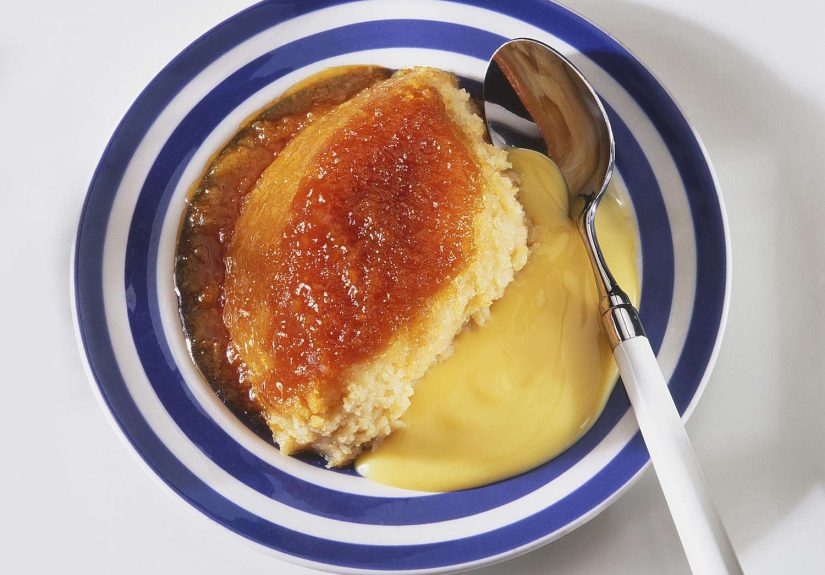
This British classic is essentially a moist date sponge cake with toffee sauce. It is called a pudding, but many Americans would identify it as a cake-style dessert on sight. Name first, texture second.
5) Yorkshire Pudding
Plot twist: not dessert (at least not usually). Yorkshire pudding is a savory baked batter dish traditionally served with roast beef and gravy in the U.K. This one alone should convince anyone that “pudding” and “dessert” are not exact synonyms in every context.
SEO and Menu Writing Tip: Which Word Should You Use?
If you’re writing for an American audience (especially for Google/Bing search intent), choose terms based on what the reader is actually trying to find:
- Use dessert for broad categories, roundups, and menu sections (e.g., “easy dessert recipes,” “holiday desserts”).
- Use pudding for specific recipes or styles (e.g., “homemade vanilla pudding,” “bread pudding recipe”).
- Use both naturally when the topic is educational or comparative (like this article).
That approach matches user intent and avoids keyword stuffing. It also helps readers immediately understand whether they’re getting a whole dessert category guide or a spoon-in-hand pudding recipe.
Common Mistakes People Make
Mistake #1: Saying “Pudding Means the Same Thing Everywhere”
It doesn’t. Context matters. Country matters. Sometimes grandma matters.
Mistake #2: Assuming All Puddings Are Creamy
Nope. Bread pudding, sticky toffee pudding, plum pudding, and Yorkshire pudding all break that rule in spectacularly delicious ways.
Mistake #3: Treating “Dessert” as a Recipe Type
Dessert is a category label, not a cooking method or texture. It tells you the role in the meal, not exactly what lands on the plate.
Final Takeaway: Pudding and Dessert Are Related, Not Identical
So, are pudding and dessert the same? Sometimes. In British-style meal talk, “pudding” can mean the dessert course. In American usage, “pudding” usually means a specific kind of dessert, often soft and spoonablebut it can also refer to baked or even savory dishes.
The easiest rule to remember is this:
All puddings can be dishes, many puddings are desserts, but dessert is the bigger category.
Or, if you want the fridge-door version:
Dessert is the playlist. Pudding is one of the songs (except when it’s secretly roast-beef side dish).
Experience Section: Why “Pudding vs. Dessert” Feels Bigger Than a Definition (Extended 500+ Words)
The reason this topic keeps coming up is not just grammarit’s memory. Food words are often emotional shorthand. Ask ten people what “pudding” means, and you won’t get ten dictionary entries; you’ll get ten life stories. One person remembers a boxed chocolate pudding made after school. Another hears “pudding” and thinks of a holiday table with a warm, sauce-soaked British dessert. Someone else grew up hearing “dessert” every night and only used “pudding” when a recipe involved cornstarch and a saucepan.
In real life, people use the word that matches the room they grew up in. If the family table language was “dessert,” that word feels normal, neutral, and broad. If the household had British or Irish influence, “pudding” may have meant the whole sweet course, no explanation needed. Neither side is trying to be difficult; they’re just being accurate to their own experience. That’s why debates about food terms can feel oddly personal. You’re not correcting a definitionyou’re correcting someone’s childhood.
This also shows up in restaurants and potlucks. Put “banana pudding” on a menu, and American diners instantly expect comfort, nostalgia, and a creamy layered dessert. Put “sticky toffee pudding” on a menu, and some diners expect a cup-style pudding while others know they’re getting a warm sponge cake with sauce. The dish may be perfect, but expectations still matter. A lot of “pudding confusion” is really expectation mismatch.
Home baking creates another layer of experience. Many people first meet pudding through convenience productsinstant vanilla or chocolate mixes, pre-made cups, and no-bake banana pudding recipes for parties. That practical, weeknight version is every bit as real as the from-scratch stovetop version. Then later, maybe through travel or cooking shows, they discover bread pudding, rice pudding, plum pudding, or Yorkshire pudding and realize the word has a much wider life than they thought. It’s one of those rare food terms that expands as your cooking world expands.
There’s also a comfort-factor difference in how the words sound. “Dessert” can feel polished, menu-ready, and universal. “Pudding” often sounds coziermore old-school, more family-style, more “grab a spoon and sit down.” That doesn’t mean pudding is less sophisticated. Plenty of pastry chefs build elegant pudding-based desserts, from silky chocolate puddings to layered banana pudding jars and refined custard-pudding hybrids. But emotionally, the word still carries warmth. It sounds like second helpings and stories around the table.
For food writers, recipe developers, and bloggers, this is exactly why the distinction matters. Language shapes expectation, and expectation shapes whether readers trust your recipe. If a headline says “pudding” and the recipe is really a mousse, readers feel tricked. If a roundup says “dessert” but only lists puddings, it feels too narrow. The best writing respects both usage and experience: define the term, honor regional differences, and then be specific about the dish.
In the end, “pudding vs. dessert” is less a fight and more a map. It shows how food language travels, how traditions stick, and how recipes carry names long after techniques evolve. And honestly, that’s part of the fun. You can learn the distinction, use the right word for your audience, and still happily eat both. Especially if one of them comes with caramel sauce.