Table of Contents >> Show >> Hide
If your digestive system had a personality, it would probably be the dramatic friend who either says nothing for days or suddenly has a lot to say. That is one reason psyllium has earned such a loyal following. It is simple, widely available, and not trying to be a flashy wellness celebrity. It is just fiber, doing fiber things, and doing them surprisingly well.
Psyllium is best known as a bulk-forming fiber supplement used to support regular bowel movements. But that is not the whole story. In the right dose, with enough water, psyllium may also support cholesterol management, help some people with irritable bowel syndrome, and make stools easier to pass when hemorrhoids are part of the problem. The keyword there is may. Psyllium is useful, but it is not magic dust sprinkled by a benevolent gastroenterologist.
This guide breaks down what psyllium is, what benefits are realistic, how to take it safely, how much to use, and what common real-life experiences with psyllium often look like. If you want the practical version, here it is: start low, go slow, drink plenty of water, and do not treat the label like light reading you can ignore.
What Is Psyllium?
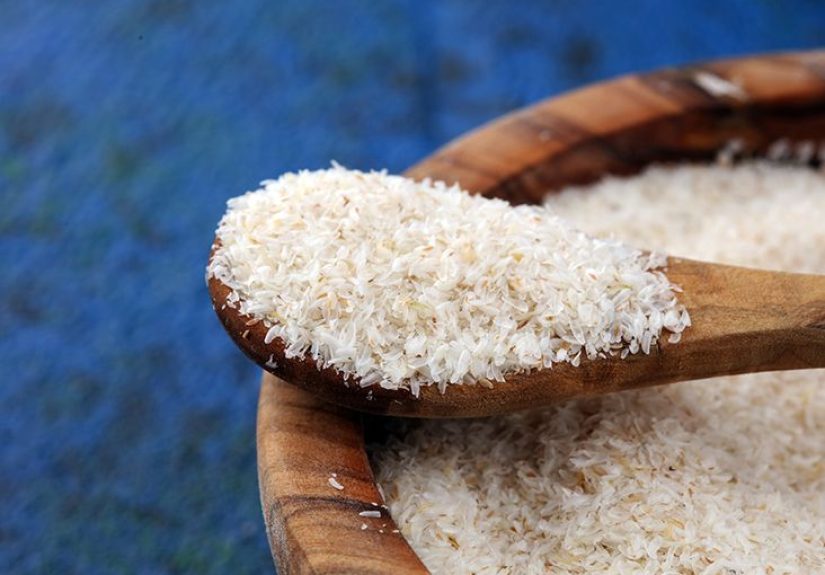
Psyllium comes from the husk of seeds from Plantago ovata, a plant grown primarily in India. The husk is rich in soluble fiber, which means it attracts water and forms a gel-like texture in the digestive tract. That gel is the secret sauce. It helps add bulk to stool, softens it, and makes the whole bathroom experience less dramatic.
You will usually find psyllium sold as powder, capsules, wafers, or granules. Powder is the classic format because it mixes with water and turns thick quickly. “Quickly” is not an exaggeration. If you stare at it for too long, it starts becoming a science fair project in your glass.
Unlike stimulant laxatives, psyllium does not force your intestines into action. Instead, it works more gently by increasing stool bulk and helping the bowel move more naturally. That makes it appealing for people who want support without the “this escalated fast” feeling that some other laxatives can cause.
Psyllium Benefits
1. It helps relieve constipation
This is the headline benefit and the reason most people try psyllium in the first place. By absorbing liquid in the intestines and swelling into a gel, psyllium creates a bulkier stool that is easier to pass. In plain English, it helps your digestive system stop acting like it misplaced the instruction manual.
For people with occasional constipation, psyllium can be a practical first step, especially when paired with better hydration, movement, and a more fiber-rich diet overall. It is not an excuse to live on cheese, white bread, and optimism, but it can be a helpful tool.
2. It may help firm loose stool
Here is one of the more interesting things about psyllium: because it binds water, it may help with loose stool too. That sounds backward until you remember that fiber can normalize stool consistency, not just speed things up. Some clinicians use psyllium as part of a plan for mild diarrhea or stool inconsistency, especially when the goal is to add structure rather than stimulate the bowel.
This is one reason psyllium sometimes comes up in conversations about irritable bowel syndrome. If someone swings between “too slow” and “too loose,” psyllium may provide a steadier middle ground than they expected.
3. It can support cholesterol management
Psyllium has a second life outside the bathroom. Soluble fiber can help reduce LDL cholesterol by binding bile acids in the gut. Because bile acids are made from cholesterol, the body has to pull more cholesterol from the bloodstream to make new bile. That is a simplified version of the chemistry, but the practical takeaway is easier: psyllium may help support healthier lipid levels.
This does not mean psyllium replaces a heart-healthy diet, exercise, or prescribed medication. It means it can be one useful piece of the larger puzzle. Think of it as a supporting actor, not the whole movie.
It is also worth noting that psyllium sits inside a broader FDA framework for foods carrying a heart-disease health claim related to soluble fiber from psyllium husk. In other words, the cholesterol conversation around psyllium is not random internet folklore. It has real regulatory and clinical context behind it.
4. It may help some people with IBS
If you have IBS, fiber advice can feel wildly confusing. One person says eat more fiber. Another says fiber makes everything worse. A third person suggests breathing through the moon cycle. The truth is more specific: not all fiber behaves the same way.
Soluble fiber, such as psyllium, is generally considered more helpful than insoluble fiber for global IBS symptoms. That matters because insoluble fiber can sometimes feel too rough for an already sensitive digestive tract. Psyllium tends to be gentler, and because it forms a gel, it may help stool consistency without the same abrasive effect.
That said, “helpful” does not mean “perfect.” Some people with IBS still get bloating or gas, especially if they start too fast. The smarter move is to increase slowly and watch how your body responds.
5. It may make hemorrhoids easier to manage
Hemorrhoids and straining often show up together like an annoying buddy comedy. When stools are hard and difficult to pass, pressure rises, irritation gets worse, and nobody is having a good time. Because psyllium can soften and bulk stool, it may help reduce straining and make bowel movements more comfortable.
That is why fiber support, including psyllium, often appears in guidance for hemorrhoid care. It does not “cure” hemorrhoids on its own, but it can remove one of the biggest aggravating factors.
6. It may support fullness and better eating habits
Because psyllium absorbs water and thickens, it may help you feel fuller. Some people use it as part of a broader strategy to avoid overeating or to make meals more satisfying. That does not mean psyllium is a shortcut to dramatic weight loss. It is not. But as part of a balanced diet, it may help some people feel more in control of hunger.
The important distinction is this: psyllium can support good habits, but it does not replace them. Nobody gets to sprinkle fiber into a milkshake the size of a flower vase and call it a wellness plan.
Psyllium Safety: What to Know Before You Take It
Drink enough water. Seriously.
The biggest safety rule with psyllium is hydration. Psyllium expands when it absorbs liquid. That is exactly why it works. But if you take it without enough fluid, it can become difficult to swallow and, in rare cases, contribute to choking or obstruction. This is not a product to dry-scoop like a pre-workout powder and then hope for the best.
Always mix psyllium powder or granules with the full amount of liquid directed on the label, and drink another full glass if the instructions call for it. If the texture becomes too thick, that is your clue that the fiber is doing what fiber does. Drink it promptly after mixing.
Common side effects
The most common side effects are not usually dangerous, just annoying. These may include:
- Gas
- Bloating
- Mild stomach cramping
- Nausea
- Temporary changes in stool pattern
These effects are more likely when someone starts with too much psyllium too quickly. The digestive system usually prefers a gentle introduction, not a surprise fiber avalanche.
Who should be extra cautious?
Psyllium may not be a good choice without medical guidance if you have trouble swallowing, a history of bowel obstruction, severe narrowing in the digestive tract, unexplained rectal bleeding, severe abdominal pain, or certain inflammatory bowel conditions. It is also wise to check with a clinician if you have kidney disease, are on a strict low-sodium or low-sugar plan, or are managing several chronic conditions at once.
If you develop trouble breathing, trouble swallowing, rash, vomiting, or severe stomach pain after taking psyllium, get medical help promptly. Rare allergic reactions can happen, and some people are sensitive to psyllium dust when mixing the powder.
Medication interactions matter
Psyllium can affect how your body absorbs certain medications. That does not mean it is unsafe for everyone, but it does mean timing matters. Some drug references specifically warn against taking psyllium too close to medications such as digoxin, salicylates like aspirin, and nitrofurantoin. A practical rule is to separate psyllium from other medicines by a few hours unless your clinician or pharmacist gives you different instructions.
If you take prescription medications daily, especially heart medicines, diabetes medications, or anything with a narrow dosing range, ask your pharmacist how to time psyllium. That is a two-minute question that can save you a bigger headache later.
Psyllium Dosage: How Much Should You Take?
There is no single universal dose that fits every person or every product. Psyllium powders, capsules, wafers, and blends can vary in concentration, serving size, and intended use. That is why the package directions matter.
A smart beginner approach
For general fiber support or mild constipation, many clinicians recommend starting with a small amount once daily, such as about 1 teaspoon of psyllium powder mixed into at least 8 ounces of water. If that feels fine after several days, the dose can be increased gradually.
That “gradually” part deserves respect. Jumping from zero fiber to a large dose three times a day is a great way to become deeply familiar with your own bloating.
Typical use patterns
Many over-the-counter psyllium products are taken one to three times daily. Some people use a once-daily routine for regularity. Others use split doses with meals or at different times of day. For cholesterol support, common expert references often discuss about 5 to 10 grams per day, while the FDA heart-health claim framework references 7 grams of soluble fiber per day from psyllium husk within a diet low in saturated fat and cholesterol.
Because labels differ, the best rule is simple: follow the exact product instructions unless your healthcare professional tells you otherwise.
How to take psyllium properly
- Measure the dose carefully.
- Mix it with at least 8 ounces of water or another appropriate liquid.
- Drink it right away before it thickens too much.
- Follow with additional water if recommended on the label.
- Increase slowly over several days if needed.
If you are taking capsules instead of powder, you still need enough water. Capsules may look more convenient, but they are not exempt from the hydration rule.
Practical Tips for Better Results
- Start small. Your gut likes gradual change.
- Drink more fluids. Fiber without water is a bad personality combo.
- Be consistent. Psyllium works best as a routine, not a random emergency guest star.
- Keep eating real fiber. Psyllium is helpful, but fruits, vegetables, beans, oats, and whole grains still matter.
- Watch your response. Less straining, softer stools, and better consistency are good signs. More pain, swelling, or trouble swallowing are not.
What Real-Life Experiences With Psyllium Often Look Like
People’s experiences with psyllium tend to fall into a few recognizable patterns. The first is the “Why didn’t I do this sooner?” group. These are the people who were dealing with mild constipation, not drinking enough water, eating on the go, and assuming their digestive system would somehow figure it out. They start with a small daily dose of psyllium, increase their fluid intake, and within a short stretch of time they notice bowel movements feel easier, more predictable, and less like a negotiation. For them, psyllium is not dramatic. It is steady, boring, and gloriously effective.
The second group is the “I took too much on day one and now I regret my choices” crowd. This is incredibly common. Someone buys a psyllium product, sees that fiber is healthy, and decides more must be better. By the next day they feel bloated, gassy, and vaguely offended by their own abdomen. The usual problem is not that psyllium is bad. It is that the dose ramped up too fast, fluids did not keep up, or both. Once they back down, start lower, and increase more slowly, the experience often improves a lot.
Then there are the people using psyllium for stool consistency rather than classic constipation. They may have IBS, irregular meal timing, or stools that are frustratingly unpredictable. Many of them describe psyllium as a “smoother” rather than a “fix.” In other words, things do not become perfect, but they become more manageable. The bowel starts feeling less chaotic. That can be a big win, especially for people whose digestive symptoms affect work, travel, or social plans.
Some people also notice a side benefit around fullness. They take psyllium before or between meals and feel less likely to snack mindlessly. It is not a miracle appetite switch, but it can create a gentle sense of structure. The key is realism. People who expect psyllium to produce dramatic weight loss are usually disappointed. People who use it as part of better eating habits are more likely to feel satisfied with the result.
There is also a smaller but important group who discover that psyllium is simply not the right fit. Some people remain bloated even with a slow build. Others dislike the texture so much that every glass feels like punishment. A few are taking medications that make timing inconvenient. And some have underlying digestive issues that need medical evaluation instead of self-treatment. That experience matters too. Not every useful supplement is useful for every person.
Perhaps the most valuable lesson from real-world psyllium use is that success usually comes from the boring basics: the right product, the right dose, enough water, patience, and consistency. The people who do best with it are rarely doing anything heroic. They are just using it properly. Which, in health as in life, is less glamorous than a quick fix but much more reliable.
Final Takeaway
Psyllium is one of the more practical tools in the fiber world. It may help relieve constipation, improve stool consistency, support cholesterol management, and fit into broader plans for IBS or hemorrhoid care. But it works best when used with respect: start low, increase slowly, and drink enough water every single time.
If you have red-flag symptoms such as severe pain, rectal bleeding, vomiting, trouble swallowing, or persistent bowel changes, skip the self-experiment and talk to a healthcare professional. Psyllium can be a smart helper, but it is not a substitute for an accurate diagnosis.