Table of Contents >> Show >> Hide
- What Is BPH (Benign Prostatic Hyperplasia), Exactly?
- Can You Prevent BPH Completely?
- BPH Risk Factors You Can (and Can’t) Control
- The BPH Prevention Playbook (Practical Steps That Actually Help)
- 1) Keep Your Waistline in Check (Your Prostate Notices)
- 2) Move MoreWalking Counts (Yes, Really)
- 3) Eat Like You Want Your Future Self to Sleep Through the Night
- 4) Be Strategic With Fluids (Hydration Without the Nightly Wake-Up Tour)
- 5) Limit Bladder Irritants (Caffeine and Alcohol Are the Usual Suspects)
- 6) Train Your Bladder (Yes, It Can Learn New Tricks)
- 7) Prevent Constipation (Because Your Pelvis Is a Small Neighborhood)
- 8) Know the Medication Traps (Cold Pills Can Be Sneaky)
- 9) Manage Stress and Sleep (Your Bladder Feels Your Vibes)
- When “Prevention” Isn’t Enough: When to See a Doctor
- Supplements for BPH Prevention: Helpful, Hype, or Harmless?
- Frequently Asked Questions
- Real-World Experiences: How Men Actually Make These Changes Stick (About )
- Conclusion
Let’s talk about the most dramatic small organ in men’s health. The prostate is roughly the size of a walnut, yet it can turn a calm night’s sleep into a “why am I awake again?” marathon. Benign prostatic hyperplasia (BPH)aka prostate enlargementis common, annoying, and (the good news) usually manageable. The better news? While you can’t always stop BPH from happening, you can stack the deck in your favor with smart lifestyle moves that support prostate health and calmer bathroom trips.
This guide pulls together mainstream guidance from major U.S. medical organizations and academic health centers, then rewrites it into one practical, no-nonsense planbecause your bladder deserves a schedule that isn’t “surprise meetings only.”
What Is BPH (Benign Prostatic Hyperplasia), Exactly?
BPH means the prostate grows larger than normal and starts crowding the urethra (the “exit pipe” for urine). That crowding can make urine flow weaker, slower, or more stop-and-go than a rush-hour commute.
Common BPH Symptoms (AKA “Why Is Peeing So Complicated?”)
- Frequent urination (especially at nighthello, nocturia)
- Urgency (the “I need to go now” feeling)
- Weak stream, starting/stopping, straining
- Feeling like the bladder isn’t fully empty
- Dribbling after you “finish” (betrayal)
Important: BPH is benign (not cancer). It can raise PSA levels and share symptoms with other conditions, so new or changing urinary symptoms still deserve a medical check-in.
Can You Prevent BPH Completely?
Not completely. Age and genetics are major drivers. But “can’t prevent” doesn’t mean “can’t influence.” Research consistently ties BPH risk and symptom severity to metabolic healththings like weight, activity level, and conditions such as type 2 diabetes. Think of it like this: you may not be able to choose your prostate’s personality, but you can absolutely influence its behavior.
Your Real Goal: Delay, Reduce, and De-Drama
Prevention in the real world usually means:
- Lowering your risk of developing bothersome symptoms
- Slowing symptom progression
- Reducing nighttime trips and urgency
- Avoiding complications like urinary retention
BPH Risk Factors You Can (and Can’t) Control
Non-modifiable Risk Factors
- Age: risk rises notably after 40 and keeps climbing.
- Family history: genetics can load the dice.
- Hormonal shifts with aging: part of the natural storyline.
Modifiable Risk Factors (Where Prevention Actually Lives)
- Excess body weight (especially abdominal fat)
- Physical inactivity
- Type 2 diabetes / insulin resistance
- Cardiovascular disease and metabolic syndrome patterns
- Diet patterns high in processed foods and saturated fats
The BPH Prevention Playbook (Practical Steps That Actually Help)
1) Keep Your Waistline in Check (Your Prostate Notices)
Multiple reputable sources point to obesityespecially central obesityas a risk factor for BPH and lower urinary tract symptoms (LUTS). You don’t need a superhero physique; you need a healthier baseline. A steady, realistic approach works best:
- Prioritize protein and fiber at meals (they help with fullness).
- Reduce ultra-processed “snack gravity” foods at home.
- Track your waist measurement occasionallyit’s a useful marker for visceral fat.
Example: If late-night snacking is your kryptonite, set a “kitchen closes” rule after dinner and keep herbal tea handy. Your prostate likes boundaries.
2) Move MoreWalking Counts (Yes, Really)
Regular physical activity is linked with lower BPH risk and can help reduce urinary problems. You don’t need to train for an ultramarathon. Consistency matters more than intensity for most people:
- Start: 20–30 minutes of brisk walking most days.
- Upgrade: add 2–3 short strength sessions weekly (legs and core are your friends).
- Bonus: move after dinnermany guys find evening walks reduce stress and improve sleep.
3) Eat Like You Want Your Future Self to Sleep Through the Night
No “magic food” shrinks the prostate on command, but diet patterns influence inflammation, weight, and cardiometabolic healthall tied to BPH risk and symptoms. A Mediterranean-style pattern is often recommended for overall health and may support prostate health too.
Build Your Plate
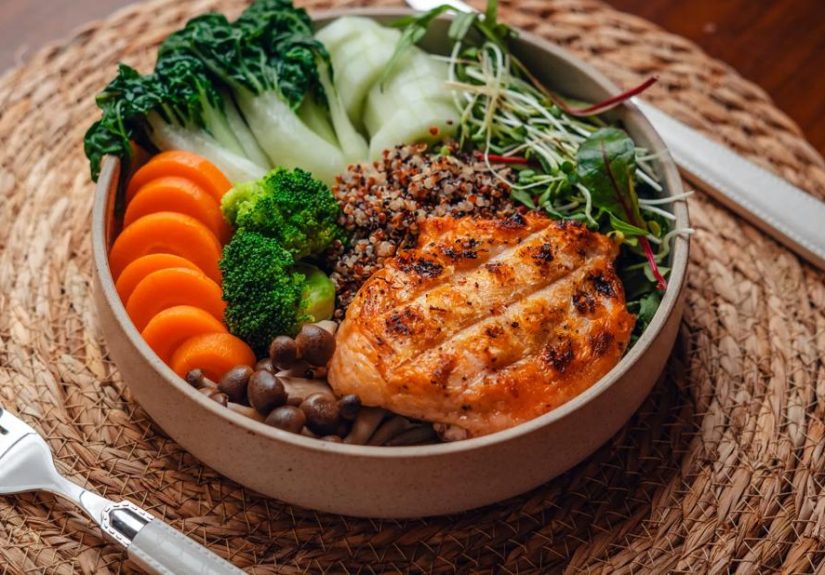
- More: vegetables (especially cruciferous like broccoli), fruits (berries, citrus), legumes, nuts, olive oil, and fish.
- Smarter carbs: oats, brown rice, quinoa, beans (instead of refined carbs).
- Less: processed foods, added sugars, and heavy saturated-fat meals.
Quick win: swap one processed lunch per day for a “real-food” bowl: greens + beans + chicken/salmon + olive oil + tomatoes. Your prostate won’t send a thank-you note, but your body might.
4) Be Strategic With Fluids (Hydration Without the Nightly Wake-Up Tour)
Many men unintentionally do “hydration bingeing”drinking a lot at once, late in the day, then wondering why sleep is ruined. Try these bladder-friendly rules:
- Spread fluids across the day instead of chugging at night.
- Reduce fluids 1–2 hours before bedtime (more if nocturia is severe and your clinician agrees).
- Plan ahead before long drives or movies: drink earlier, not during the previews.
5) Limit Bladder Irritants (Caffeine and Alcohol Are the Usual Suspects)
Caffeine and alcohol can increase urine production and irritate the bladder, often worsening urgency and frequency. You don’t have to quit your entire personalityjust adjust the timing and dose:
- Make morning coffee your “main event,” then consider half-caf or tea after lunch.
- Keep alcohol modest and earlier in the evening (nighttime is when it hits hardest).
- If carbonated or acidic drinks worsen symptoms, try swapping to water or decaf options for a week and compare.
6) Train Your Bladder (Yes, It Can Learn New Tricks)
When symptoms are mild, “behavioral” strategies can reduce urgency and the constant “just in case” bathroom visits.
Bladder Training Basics
- Timed voiding: go on a schedule (e.g., every 2–3 hours), not only when panic hits.
- Double voiding: after you urinate, wait 20–30 seconds and try again to help empty the bladder.
- Don’t ignore the urge for long stretchesrushing at the last minute often backfires.
7) Prevent Constipation (Because Your Pelvis Is a Small Neighborhood)
Constipation can worsen urinary symptoms by increasing pressure in the pelvic area. Simple fixes can make a surprising difference:
- Get enough fiber (beans, berries, vegetables, chia/flax).
- Hydrate earlier in the day.
- Move dailywalking is a constipation antidote with benefits.
8) Know the Medication Traps (Cold Pills Can Be Sneaky)
Some over-the-counter cold and allergy medsespecially decongestants and certain antihistaminescan worsen urinary symptoms in men with BPH. If you notice trouble urinating after a “cold & flu” product, don’t tough it out. Call a pharmacist or clinician and ask for safer options.
9) Manage Stress and Sleep (Your Bladder Feels Your Vibes)
Stress can amplify urgency, and poor sleep makes everything feel louderespecially the bladder. Try:
- Evening wind-down: 10 minutes of stretching, breathing, or a short walk.
- Keep the bedroom cool and dark; reduce late-night screen time.
- If you snore heavily or feel exhausted despite “sleeping,” ask about sleep apneanighttime urination can sometimes overlap with sleep disruption.
When “Prevention” Isn’t Enough: When to See a Doctor
Don’t self-diagnose urinary issues forever. Get checked if you have:
- New or worsening urinary symptoms that affect daily life
- Blood in urine, fever, burning pain, or pelvic pain
- Repeated urinary tract infections
- Inability to urinate (this is urgent)
- Unexplained weight loss or bone pain (needs evaluation)
Clinicians may use symptom questionnaires (like IPSS/AUA symptom scores), urinalysis, PSA testing when appropriate, and an exam to rule out other causes and guide treatment.
Supplements for BPH Prevention: Helpful, Hype, or Harmless?
Supplements like saw palmetto are popular, but evidence is mixed, and quality varies. If you’re considering supplements:
- Tell your clinicianespecially if you take blood thinners or other meds.
- Choose third-party tested products (quality matters).
- Set a “results deadline” (e.g., 8–12 weeks). If nothing changes, don’t keep paying for expensive hope.
Bottom line: Lifestyle habits (weight, activity, fluid strategy, caffeine/alcohol timing) are the most reliable foundation.
Frequently Asked Questions
Does BPH turn into prostate cancer?
BPH is non-cancerous and isn’t thought to raise prostate cancer risk, but the conditions can coexist and symptoms can overlap. That’s why evaluation matters.
What’s the single best habit to start today?
Brisk walking most days, plus earlier hydration and less evening caffeine/alcohol. It’s low cost, low drama, high payoff.
Can diet really make a difference?
Diet won’t “cure” BPH, but it supports weight and metabolic health, which are strongly linked with urinary symptoms and progression.
Real-World Experiences: How Men Actually Make These Changes Stick (About )
Here’s what tends to happen in real life: most guys don’t wake up and announce, “Today I will optimize my lower urinary tract symptoms.” They just want to stop scouting bathrooms like it’s a competitive sport. The best BPH-prevention routines are the ones that fit into normal lifework, travel, family, and yes, that one friend who always picks the seats farthest from the restroom.
The coffee negotiation. A very common experience is realizing that the prostate doesn’t care how much you love coffee. Many men experiment with a simple rule: “Real coffee before noon, decaf after.” The first few days can feel like betrayal, but a lot of guys report fewer afternoon urgency spikes and fewer nighttime wake-ups. Some switch to smaller cups, or they keep the same coffee ritual but go half-caf. It’s not about sufferingit’s about strategy.
The evening fluid surprise. Another classic: drinking “healthy amounts” of water after dinner, then wondering why the bladder schedules a 2:00 a.m. meeting. Men who improve often do two things: they move most fluids earlier in the day, and they stop chugging anything right before bed. This doesn’t mean dehydration; it means timing. A practical trick is to keep a water bottle visible at your desk (daytime), then use a smaller glass at night so you sip instead of accidentally turning bedtime into a hydration contest.
The walking effect. Guys are sometimes skeptical that walking helps. Then they try a 20–30 minute brisk walk after dinner for two weeks. Some notice less stress, better sleep, and fewer “I’m awake anyway, might as well pee” trips. Walking also helps weight control and constipationtwo issues that can quietly worsen urinary symptoms. It’s boring in the best way: it works without needing equipment, apps, or a personal trainer named Blaze.
The “double void” aha moment. Plenty of men learn that “finishing” doesn’t always mean the bladder is empty. Double voidingpee, wait a beat, try againcan reduce that lingering “still gotta go” feeling. It’s simple, but for some it noticeably reduces dribbling and the urge to return five minutes later. The key is patience, not force. Straining is the opposite of the vibe.
The cold-medicine ambush. A surprisingly common story is: “I took a cold pill and suddenly peeing got hard.” Decongestants and some antihistamines can worsen symptoms. The lesson most guys take away is not “never treat a cold,” but “ask the pharmacist which products are safer for urinary symptoms.” This one change can prevent a miserable week.
The long-game mindset. The men who do best often stop looking for a single miracle fix and start building a small set of habits: walk most days, keep weight trending healthier, eat more plants, and manage evening fluids and irritants. They also track patternswhat they drank, when symptoms flared, and what improved. It’s not glamorous, but it’s empowering. And it turns the prostate from a nightly dictator into… more of a mildly annoying roommate.
Conclusion
You can’t freeze time (if you can, please also fix my inbox), and you can’t always prevent BPH entirely. But you can lower your odds of bothersome symptoms and slow progression by protecting metabolic health, staying active, eating a prostate-friendly diet pattern, and using bladder-smart habits like fluid timing and avoiding irritants. If symptoms are affecting quality of lifeor you notice red flagsget evaluated. The earlier you address it, the more options you usually have.