Table of Contents >> Show >> Hide
- What Is Primary Hyperparathyroidism?
- Why Does Primary Hyperparathyroidism Happen?
- How Too Much PTH Affects the Body
- Symptoms You Should Pay Attention To
- How Is Primary Hyperparathyroidism Diagnosed?
- When Should You See an Endocrinologist?
- Real-Life Experiences & Practical Insights
- Conclusion: Remember the Core Signals
Primary hyperparathyroidism sounds like a word you’d get wrong in a spelling bee, but in real life it’s one of the most
common causes of high blood calcium in adults and it quietly messes with bones, kidneys, mood, and energy long before
it gets your full attention. Understanding what’s happening (and catching it early) can mean the difference between
a quick fix and years of preventable damage.
Important: This article is for educational purposes, based on current reputable medical sources and expert
guidelines. It is not a substitute for personal medical advice. If your labs or symptoms raise concern, talk directly with
your healthcare provider.
What Is Primary Hyperparathyroidism?
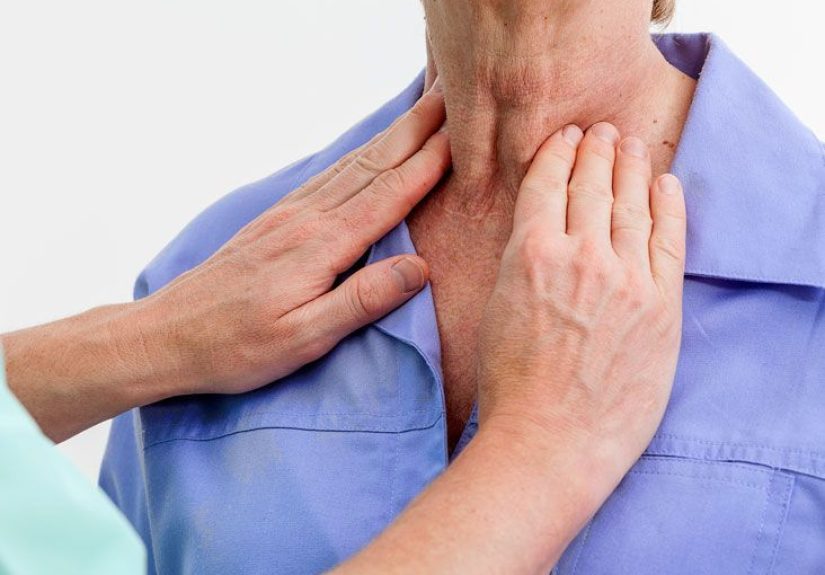
You have four tiny parathyroid glands sitting behind your thyroid, each about the size of a grain of rice. Their job is
to release parathyroid hormone (PTH), which helps keep your blood calcium in a tight, healthy range so your nerves fire,
muscles contract, and bones stay strong.
Primary hyperparathyroidism (PHPT) happens when one or more of these glands start working on their own
agenda and produce too much PTH without listening to normal feedback signals. The result: calcium is pulled from bones,
less is lost in urine, more is absorbed from food, and blood calcium levels climb higher than they should.
PHPT is the leading cause of persistent hypercalcemia in the outpatient setting and is especially common in women over 50,
although it can appear in younger adults too.
Why Does Primary Hyperparathyroidism Happen?
The short version: something makes one or more parathyroid glands go rogue. The long version involves specific structural
or genetic changes.
1. Single Parathyroid Adenoma (Most Common)
In about 80–85% of cases, PHPT is caused by a single benign tumor called a parathyroid adenoma.
“Benign” means noncancerous; it does not mean harmless. This overactive gland pumps out excess PTH,
driving calcium up and quietly wearing out bones and kidneys over time.
2. Multigland Hyperplasia
Roughly 10–15% of patients have hyperplasia, where several or all glands are enlarged and
overproducing PTH. This pattern is more common in certain hereditary syndromes and sometimes appears without
a clear trigger.
3. Parathyroid Carcinoma (Rare but Serious)
Parathyroid cancer accounts for well under 1% of cases but usually causes very high calcium and PTH
levels and more severe symptoms. It’s rare, but part of the differential diagnosis in marked or resistant hypercalcemia.
4. Genetic and Familial Causes
Some people inherit a predisposition to PHPT. It can be part of:
- Multiple Endocrine Neoplasia type 1 (MEN1)
- Multiple Endocrine Neoplasia type 2A (MEN2A)
- Familial isolated hyperparathyroidism
- Other rare gene mutations affecting calcium-sensing pathways
These patients often develop PHPT at a younger age and may have disease in multiple glands.
5. Other Risk Factors
While many cases are “sporadic” with no obvious cause, recognized risk factors include:
- History of neck irradiation
- Chronic lithium therapy
- Certain genetic backgrounds or family history of PHPT
How Too Much PTH Affects the Body
When PTH is chronically elevated, calcium balance is hijacked:
- Bones: PTH signals bones to release calcium, leading to reduced bone mineral density and higher risk of osteoporosis and fractures.
- Kidneys: More calcium filtered and concentrated in urine contributes to kidney stones and, over time, can impair kidney function.
- GI system: High calcium can cause constipation, abdominal discomfort, decreased appetite, and nausea.
- Brain & muscles: Fatigue, “brain fog”, mood changes, headaches, and muscle weakness are common but often blamed on stress or aging.
That old teaching phrase “bones, stones, abdominal groans, and psychic moans” is dramatic, but it captures the key
target organs remarkably well.
Symptoms You Should Pay Attention To
Here’s the tricky part: in modern practice, many people with primary hyperparathyroidism have no obvious symptoms.
Their condition is discovered when a “routine” blood test shows elevated calcium. Others do have symptoms, but they’re vague
enough to ignore until someone connects the dots.
1. Classic or More Specific Signs
- Recurrent kidney stones or calcium deposits in the kidneys
- Osteoporosis or low bone density, especially at the forearm, hip, or spine
- Bone pain or fractures with minimal trauma
- Persistent high blood calcium on repeated testing
2. Subtle, Easy-to-Dismiss Symptoms
- Chronic fatigue or low energy despite adequate sleep
- Difficulty concentrating, memory “slips”, or feeling mentally slower
- Mood changes: irritability, anxiety, or mild depression
- Muscle weakness, especially in proximal muscles (climbing stairs feels harder)
- Frequent urination and increased thirst
- Constipation, vague abdominal discomfort, or loss of appetite
- Headaches or sleep disturbances
None of these prove PHPT on their own, but paired with high calcium, they should ring loud endocrine alarm bells.
3. When Symptoms Escalate
Very high calcium levels (often above 12–14 mg/dL) can cause more serious issues:
- Severe nausea and vomiting
- Dehydration
- Muscle twitching
- Confusion, lethargy, or even coma
- Abnormal heart rhythms
This is a medical emergency and requires urgent hospital care.
How Is Primary Hyperparathyroidism Diagnosed?
Diagnosis is not based on vibes or one random lab result. True PHPT requires a consistent biochemical pattern and
careful exclusion of other causes of high PTH.
Step 1: Confirm Elevated Calcium
The process usually starts with:
- Total serum calcium, corrected for albumin, or ionized calcium (more precise).
- Repeated testing on different days to confirm persistent elevation.
Mild elevations can still be meaningful, especially if they show up consistently.
Step 2: Check Parathyroid Hormone (PTH)
In primary hyperparathyroidism, PTH is:
- Clearly elevated or
- “Inappropriately normal” meaning it is not suppressed despite high calcium.
If calcium is high and PTH refuses to drop, that strongly suggests autonomous PTH production.
Step 3: Exclude Look-Alike Conditions
A skilled clinician will rule out:
- Secondary hyperparathyroidism: usually due to vitamin D deficiency or chronic kidney disease, where calcium is often normal or low.
- Tertiary hyperparathyroidism: long-standing secondary disease that becomes autonomous (classically in advanced kidney disease).
- Familial hypocalciuric hypercalcemia (FHH): a genetic condition with lifelong mild high calcium and relatively low urinary calcium excretion.
A 24-hour urine calcium test (and calcium/creatinine clearance ratio) helps differentiate PHPT from FHH.
Step 4: Assess Organ Impact
Once PHPT is suspected, the next question is: “What has this been doing to the body?” Typical evaluations include:
- Bone density testing (DXA): to look for osteoporosis, especially at the lumbar spine, hip, and distal radius.
- Renal imaging: ultrasound or CT to look for kidney stones or calcifications.
- Kidney function tests: serum creatinine and estimated GFR.
- 25-hydroxy vitamin D: low levels are common and should be corrected carefully.
Step 5: Imaging the Parathyroid Glands (For Surgery Planning)
Here’s a key nuance: imaging does not diagnose PHPT. The diagnosis is biochemical. Imaging is used
after diagnosis to help surgeons locate abnormal glands. Common tools:
- Neck ultrasound
- Sestamibi scan
- 4D-CT or MRI in complex cases
A negative scan does not rule out PHPT, and a “hot spot” alone should never override abnormal lab logic.
When Should You See an Endocrinologist?
Consider a specialist evaluation if:
- Your calcium is persistently high on repeat testing.
- Your PTH is elevated or inappropriately normal with high calcium.
- You have recurrent kidney stones, unexplained osteoporosis, or fractures.
- You’re under 50 with PHPT (higher chance of hereditary or more aggressive disease).
- You’re pregnant or planning pregnancy and have suspected PHPT this needs expert, individualized care.
Current expert guidelines emphasize that the only definitive cure for most cases of primary hyperparathyroidism is
parathyroidectomy performed by an experienced surgeon. In carefully selected mild or asymptomatic
cases, close monitoring plus lifestyle and medical management may be appropriate, but that decision should be guided by
established criteria and specialist input.
Real-Life Experiences & Practical Insights
To bring all this science down to earth, let’s walk through how primary hyperparathyroidism often plays out in real life.
Names and details are fictional, but patterns are very real.
Case 1: The “Just Getting Older” Myth
Maria, 56, writes off her fatigue, joint aches, and forgetfulness as menopause and a stressful job.
Her annual labs show slightly high calcium twice. No one is alarmed. A year later, a new doctor notices
that her calcium is consistently elevated and orders PTH, vitamin D, and a 24-hour urine calcium. The results show:
high calcium, nonsuppressed PTH, normal kidney function, and no red flags for FHH. DXA reveals early osteoporosis at
the forearm. She meets surgical criteria. After a targeted parathyroidectomy to remove a single adenoma, her calcium
normalizes. Six months later, she reports better energy and clearer thinking. The “I’m just aging badly” storyline was
actually primary hyperparathyroidism slowly draining her bones and brainpower.
Case 2: The Kidney Stone Clue
David, 42, lands in the ER with an excruciating kidney stone. Imaging confirms stones; routine blood work shows high
calcium. This time the team checks PTH: it’s elevated. Further workup rules out secondary causes and FHH. He’s young,
symptomatic, and has kidney involvement classic indications for surgery. Post-parathyroidectomy, no more stones, and
follow-up bone density stabilizes. The key lesson: any adult with kidney stones and elevated calcium deserves
a proper parathyroid workup, not just pain meds and a “drink more water” lecture.
Case 3: The “Normal PTH” Trap
Lauren, 60, has slightly high calcium and a PTH value that’s technically in the normal lab range. Her initial report
says “PTH normal,” and the result is ignored. A second opinion reframes it correctly: with elevated calcium, PTH
should be suppressed. A “normal” PTH in this setting is inappropriate and strongly suggests PHPT. Additional
evaluation shows reduced bone density and high urine calcium. She undergoes successful surgery. This scenario is common:
interpreting PTH in context is crucial. A normal number can still be wrong for the situation.
Practical Takeaways from These Experiences:
- Always repeat abnormal calcium tests and look at the pattern over time.
- Ask specifically whether PTH has been checked and how it relates to your calcium level.
- If you have kidney stones, premature osteoporosis, or persistent fatigue plus high calcium, PHPT should be on the radar.
- Do not be reassured solely by “it’s just a little high” if it stays high; persistent mild hypercalcemia matters.
- Seeing an endocrinologist or parathyroid-experienced center can simplify diagnosis and prevent years of silent damage.
These lived patterns highlight a central message: primary hyperparathyroidism is often treatable and frequently curable,
but only if someone recognizes the biochemical breadcrumbs.
Conclusion: Remember the Core Signals
Primary hyperparathyroidism is more than a lab curiosity. It is a common, under-recognized hormonal disorder where
overactive parathyroid glands push calcium too high, weaken bones, stress kidneys, and erode quality of life. The keys
to controlling it are:
- Knowing the main causes (adenoma, hyperplasia, rare cancer, and genetic forms)
- Recognizing both subtle and classic symptoms
- Using the right diagnostic steps: repeat calcium, PTH in context, vitamin D, urine calcium, bone density, and imaging for planning
- Involving qualified specialists to decide on surgery vs. monitoring
If your labs or symptoms match what you’ve just read, don’t panic but don’t ignore it either. Have a clear conversation
with your clinician, bring your results, and specifically mention “primary hyperparathyroidism” so it gets the careful
evaluation it deserves.