Table of Contents >> Show >> Hide
- What Is MCT Oil?
- How MCT Oil Works in the Body
- Potential Health Benefits of MCT Oil
- 1. May Provide a Quick Source of Energy
- 2. May Support Ketogenic Diets
- 3. May Help With Appetite Control
- 4. May Offer Modest Weight-Management Support
- 5. May Be Easier to Digest for Some People With Fat Malabsorption
- 6. May Support Brain Energy in Specific Situations
- 7. May Have a Role in Seizure-Related Ketogenic Therapies
- 8. May Fit Into Low-Carb or High-Fat Eating Plans
- MCT Oil and Exercise Performance: Helpful or Hype?
- Possible Side Effects of MCT Oil
- How Much MCT Oil Should You Take?
- Best Ways to Use MCT Oil
- MCT Oil vs. Coconut Oil
- Who Should Be Careful With MCT Oil?
- Experience-Based Practical Notes: What It Is Like to Add MCT Oil to a Routine
- Conclusion
MCT oil has become the cool kid in the supplement aislethe one casually showing up in coffee, smoothies, protein shakes, keto recipes, and the occasional “I’m biohacking my breakfast” conversation. But behind the buzz, there is a real nutrition story worth understanding. MCT stands for medium-chain triglycerides, a type of fat that the body digests differently from many longer-chain fats found in common foods.
Unlike long-chain triglycerides, which take a more scenic route through digestion, MCTs are absorbed quickly and transported to the liver, where they can be used for energy or converted into ketones. That fast-track metabolism is the reason MCT oil is often promoted for energy, appetite support, ketogenic diets, exercise, brain health, and digestive conditions. The key word, however, is potential. MCT oil is not magic in a bottle. It is a concentrated fat supplement with promising uses, mixed research, and a few digestive surprises if you pour it like salad dressing at a family reunion.
This guide breaks down the potential health benefits of MCT oil, how it works, who may benefit, who should be cautious, and how to use it in a practical, food-first lifestyle.
What Is MCT Oil?
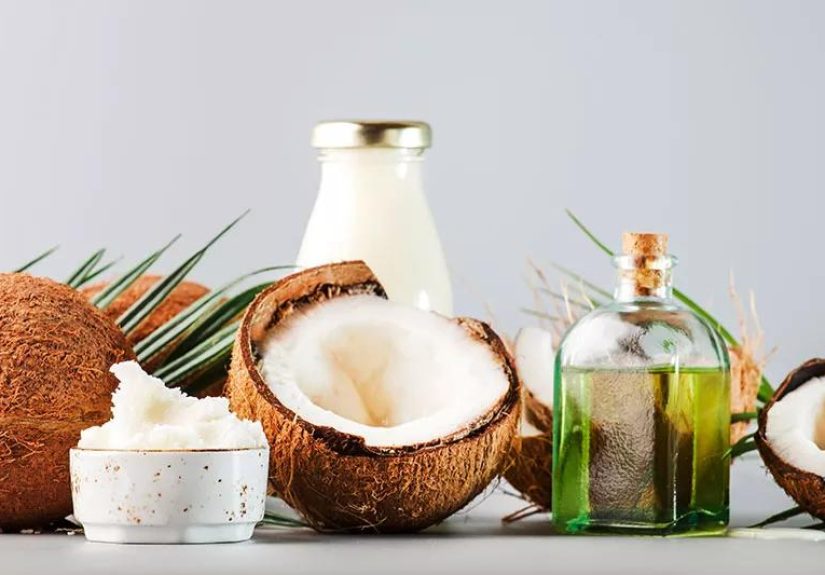
MCT oil is a supplement made from medium-chain triglycerides, usually extracted from coconut oil or palm kernel oil. These fats are called “medium-chain” because of the length of their fatty acid chains. The main MCTs include caproic acid, caprylic acid, capric acid, and lauric acid, though many commercial MCT oils focus heavily on caprylic acid and capric acid because they are rapidly converted into energy.
MCTs occur naturally in small amounts in coconut oil, palm kernel oil, butter, milk, yogurt, and other dairy products. However, MCT oil is more concentrated than whole foods. That means one tablespoon can deliver a quick dose of fat and calories without much flavor, color, or texture. It is usually clear, thin, and mild enough to blend into coffee without making it taste like you accidentally dropped breakfast into a candle.
How MCT Oil Works in the Body
The main reason MCT oil gets attention is its unique digestion pathway. Most dietary fats need bile and pancreatic enzymes to break down before they are absorbed. MCTs are easier for the body to absorb and can move more directly to the liver. Once there, they may be burned for energy or turned into ketones, which can serve as an alternative fuel source for the body and brain.
This does not mean MCT oil automatically melts body fat, sharpens memory overnight, or replaces a balanced diet. It simply means MCTs behave differently from many other fats. That difference may offer benefits in certain situations, especially when MCT oil is used carefully and in moderate amounts.
Potential Health Benefits of MCT Oil
1. May Provide a Quick Source of Energy
One of the most practical benefits of MCT oil is fast energy. Because MCTs are rapidly absorbed and processed by the liver, they may provide fuel more quickly than many other fats. This is why some people add MCT oil to morning coffee, pre-workout smoothies, or low-carb meals.
For people following a ketogenic or very low-carb diet, MCT oil may help increase ketone production. Ketones are produced when the body uses fat for fuel instead of relying mostly on glucose from carbohydrates. This is one reason MCT oil is popular among keto dieters who want to support ketosis without eating a giant plate of bacon and calling it “wellness.”
That said, quick energy does not mean calorie-free energy. One tablespoon of MCT oil typically contains around 100 to 130 calories. If you add it to your meals without adjusting anything else, those calories still count.
2. May Support Ketogenic Diets
MCT oil is closely tied to ketogenic nutrition because it can help the body produce ketones. In clinical nutrition, medium-chain triglycerides have long been used in certain ketogenic diet therapies, including specialized dietary approaches for epilepsy. The MCT ketogenic diet allows some people to produce ketones while including a bit more carbohydrate and protein than a classic ketogenic diet.
For the average healthy adult, this does not mean MCT oil is necessary. You can follow a low-carb or ketogenic diet without it. However, for people who already use a ketogenic eating pattern, MCT oil may make the diet easier to maintain by adding a flexible fat source that blends into beverages, sauces, and soft foods.
Anyone using ketogenic therapy for a medical condition, especially epilepsy, should do so under professional medical and dietitian supervision. Therapeutic ketogenic diets are not the same as casual internet keto, where cheese appears in every recipe like a supporting actor who refuses to leave the stage.
3. May Help With Appetite Control
Some research suggests MCTs may help increase feelings of fullness or slightly reduce later calorie intake compared with long-chain fats. This may happen because MCTs are quickly metabolized and may influence hormones involved in appetite. In real-life terms, adding a small amount of MCT oil to a balanced breakfast might help some people feel satisfied longer.
However, this effect is not guaranteed. Appetite is influenced by many factors, including protein intake, fiber, sleep, stress, hydration, meal timing, and whether your coworker brought doughnuts. MCT oil may help some people manage hunger, but it should not be treated as a stand-alone weight loss solution.
4. May Offer Modest Weight-Management Support
MCT oil is often marketed as a fat-burning supplement. The truth is more modestand more useful. Studies have suggested that replacing some long-chain fats with MCTs may slightly increase energy expenditure and fat oxidation in some people. Some trials have also found small effects on body weight or body composition when MCTs are used as part of a controlled diet.
But here is the important catch: MCT oil works best as a replacement, not an addition. If someone swaps a portion of another fat for MCT oil within the same calorie range, there may be a small metabolic advantage. If they simply add several tablespoons of MCT oil to their daily routine, weight gain is possible because the calories add up quickly.
Think of MCT oil as a possible supporting character in a weight-management plan, not the superhero. The main cast still includes protein-rich meals, high-fiber foods, regular movement, good sleep, and a calorie pattern that matches your goals.
5. May Be Easier to Digest for Some People With Fat Malabsorption
One of the strongest medical uses of MCTs is in nutrition support for people who have trouble absorbing typical dietary fats. Since MCTs do not require the same digestive process as many long-chain fats, they may be useful for certain conditions involving fat malabsorption, pancreatic insufficiency, severe small bowel disease, or bile-related digestive problems.
In these cases, MCT oil is not a trendy add-in; it can be part of a structured nutrition plan. A healthcare provider or registered dietitian may recommend MCTs to help increase calories and improve fat intake when the digestive system struggles with standard fats.
This benefit does not mean everyone with bloating, indigestion, or stomach discomfort should start taking MCT oil. In fact, MCT oil itself can cause digestive symptoms when taken too quickly or in large amounts. People with diagnosed digestive disorders should ask a clinician before using it.
6. May Support Brain Energy in Specific Situations
The brain usually relies heavily on glucose for fuel. Ketones, however, can also provide energy to the brain. Because MCT oil can raise ketone levels, researchers have explored whether it may support cognitive function in certain populations, including people with mild cognitive impairment or Alzheimer’s disease.
Some studies suggest MCTs may improve certain cognitive measures in specific groups, but the evidence is not strong enough to call MCT oil a treatment for dementia or memory loss. Results vary, and factors such as genetics, disease stage, dose, diet pattern, and overall health may influence outcomes.
For healthy adults, MCT oil should not be viewed as a guaranteed “brain booster.” A better brain-health foundation includes regular exercise, quality sleep, blood pressure control, social connection, learning, and a nutrient-rich diet. MCT oil may be interesting, but it cannot outwork four hours of sleep and a lunch made entirely of vending machine crackers.
7. May Have a Role in Seizure-Related Ketogenic Therapies
Ketogenic diets have a long history in epilepsy care, particularly for people whose seizures do not respond well to medication. MCT-based ketogenic diets are one variation of this therapy. Because MCTs can produce ketones efficiently, they may help support a dietary approach that is easier to adapt than the classic ketogenic diet in some cases.
This is a clinical use, not a do-it-yourself experiment. People with epilepsy should never change treatment plans, stop medication, or start a therapeutic ketogenic diet without medical supervision. When used properly, dietary therapy may be helpful for some people, but it requires careful planning to avoid nutrient gaps, digestive problems, and other complications.
8. May Fit Into Low-Carb or High-Fat Eating Plans
MCT oil is often used by people who eat low-carb, keto, paleo-inspired, or higher-fat diets. It is flavorless, easy to blend, and convenient. A teaspoon can be added to coffee, tea, smoothies, salad dressings, soups, or yogurt. It can also be used in no-bake snacks, though it should not be used as a high-heat cooking oil because it has a relatively low smoke point compared with some cooking oils.
The benefit here is convenience. MCT oil can make certain eating patterns easier to follow, especially when people need a quick fat source. However, convenience should not replace nutritional balance. Whole foods such as nuts, seeds, avocado, olive oil, fatty fish, eggs, legumes, vegetables, and whole grains still bring vitamins, minerals, fiber, and phytonutrients that MCT oil does not provide.
MCT Oil and Exercise Performance: Helpful or Hype?
Athletes sometimes use MCT oil because it is quickly metabolized and may provide energy during training. In theory, that sounds exciting. In practice, research on exercise performance is mixed, and many studies show little to no major performance benefit in healthy adults.
Some people may enjoy MCT oil before a workout because it feels lighter than eating a full meal. Others may discover that MCT oil plus jogging equals a digestive emergency with sneakers. For exercise, tolerance matters. If you want to try it, start small, test it on a normal training day, and never debut MCT oil before a race, competition, long hike, or wedding dance floor performance.
Possible Side Effects of MCT Oil
MCT oil is generally considered safe for many adults when used in moderate amounts, but side effects are common when people take too much too soon. The most frequent complaints include nausea, stomach cramps, gas, bloating, loose stools, and diarrhea. Translation: your digestive system may file a formal complaint.
Large doses may also contribute excess calories and saturated fat to the diet. Some experts caution that long-term high intake could potentially contribute to fat buildup in the liver, especially when used heavily or alongside an already high-calorie diet. People with liver disease, diabetes, high cholesterol, digestive disorders, pregnancy, or complex medical conditions should talk with a healthcare professional before using MCT oil regularly.
How Much MCT Oil Should You Take?
There is no one perfect dose for everyone. A common beginner-friendly approach is to start with 1 teaspoon per day and slowly increase if tolerated. Many people use 1 tablespoon daily, while some use more under guidance. Starting low is important because MCT oil can be surprisingly dramatic when introduced too quickly.
A practical plan may look like this:
- Week 1: Start with 1 teaspoon daily, preferably with food.
- Week 2: Increase to 2 teaspoons if digestion feels normal.
- Week 3: Try 1 tablespoon daily if desired and well tolerated.
- Long term: Use only the amount that fits your calorie needs, health goals, and digestion.
Avoid taking large amounts on an empty stomach. Mixing MCT oil into meals, smoothies, or coffee with protein and fiber may make it easier to tolerate.
Best Ways to Use MCT Oil
MCT oil is versatile because it has a neutral flavor. You can stir it into coffee, blend it into smoothies, whisk it into salad dressing, drizzle it over cooked vegetables after cooking, or mix it into Greek yogurt. It also works in low-carb sauces and no-bake energy bites.
One popular use is “MCT coffee,” where the oil is blended into coffee for a creamy texture. If you try this, blend carefully and start small. A full tablespoon in coffee may be too much for beginners. Also, remember that replacing a balanced breakfast with fat-only coffee may leave you short on protein, fiber, and micronutrients.
MCT Oil vs. Coconut Oil
MCT oil and coconut oil are related, but they are not the same. Coconut oil contains some medium-chain fats, but it also contains a broader mix of fatty acids and is high in saturated fat. MCT oil is more concentrated and usually designed to provide specific medium-chain triglycerides.
If your goal is quick MCT intake, MCT oil is more direct. If your goal is cooking flavor, coconut oil may be more useful in small amounts. For heart health, many nutrition experts still recommend emphasizing unsaturated fats such as olive oil, canola oil, nuts, seeds, and avocado most often.
Who Should Be Careful With MCT Oil?
MCT oil may not be ideal for everyone. People with liver disease should be cautious because MCTs are processed in the liver. People with high cholesterol or heart disease risk should consider the saturated fat content and discuss regular use with a clinician. Those with irritable bowel syndrome, inflammatory bowel disease, chronic diarrhea, or sensitive digestion may also need to avoid or limit it.
Because dietary supplements are not approved by the FDA for safety and effectiveness before they are sold, quality can vary between products. Look for reputable brands that use third-party testing when possible. Choose products with clear ingredient labels and avoid formulas loaded with unnecessary additives, sweeteners, or mystery blends that sound like they were named by a wizard.
Experience-Based Practical Notes: What It Is Like to Add MCT Oil to a Routine
For many people, the first experience with MCT oil is not dramatic. It does not taste like much, it blends easily, and it can make coffee or smoothies feel slightly richer. The biggest noticeable change may be satiety. A small amount added to breakfast may help some people feel less snacky before lunch, especially when paired with protein such as eggs, Greek yogurt, cottage cheese, or a protein smoothie.
The second thing people often notice is digestive tolerance. MCT oil rewards patience. Starting with a tablespoon right away can backfire. A teaspoon is a much friendlier introduction. People who do well with MCT oil usually build slowly, take it with food, and avoid treating it like a wellness challenge where more must be better. In this case, more is often just more bathroom trips.
A practical morning example might be coffee blended with 1 teaspoon of MCT oil, plus a real breakfast such as scrambled eggs with vegetables or oatmeal with protein on the side. Another option is a smoothie made with unsweetened Greek yogurt, berries, spinach, chia seeds, and a small amount of MCT oil. This gives the body fat, protein, fiber, and micronutrients instead of relying on oil alone.
People following a low-carb diet may find MCT oil useful during the transition phase, when energy feels uneven. A small amount can be added to meals to support fat intake and ketone production. However, it is still wise to focus on whole-food fats too. Salmon, sardines, walnuts, chia seeds, flaxseed, olives, avocado, and extra-virgin olive oil bring additional nutrients that MCT oil cannot offer.
For weight management, the most realistic experience is subtle. MCT oil may help some people feel fuller or more energized, but it does not cancel out large portions, frequent snacking, sugary drinks, or low activity. People who get the best results tend to use it intentionally: replacing another calorie source, measuring the serving, and keeping the rest of the diet balanced.
For exercise, personal response varies widely. Some people like a small amount before low-intensity training, while others prefer carbohydrates or a normal meal. Anyone trying MCT oil before exercise should test it at home first. Your stomach deserves a practice round before being asked to cooperate on a treadmill.
The biggest lesson from real-world use is simple: MCT oil is a tool, not a lifestyle. It may be helpful when it solves a specific problemquick energy, keto support, calorie support in medical nutrition, or easier fat digestion for certain people. It is less useful when it is added randomly because a label promised “clean fuel.” Good health still comes from the daily basics: balanced meals, movement, sleep, hydration, stress management, and medical care when needed.
Conclusion
MCT oil has several potential health benefits, especially as a quick energy source, ketogenic diet support, and specialized nutrition tool for certain digestive or medical needs. It may also offer modest help with appetite control and weight-management plans when used as a replacement for other fats rather than an extra calorie boost. Research into brain health, epilepsy-related ketogenic therapy, and metabolic effects is promising in some areas but still developing.
The smartest way to use MCT oil is with realistic expectations. Start small, use it with food, pay attention to digestion, and choose a quality product. Most importantly, do not let a supplement steal the spotlight from a balanced diet. MCT oil may be useful, but vegetables, protein, fiber, healthy fats, and sleep are still doing the unglamorous heavy lifting in the background.
Note: This article is for general educational purposes only and is not a substitute for medical advice. People with medical conditions, those taking medication, pregnant or breastfeeding individuals, and anyone considering MCT oil for therapeutic use should consult a qualified healthcare professional.