Table of Contents >> Show >> Hide
- What Is Postherpetic Neuralgia?
- Postherpetic Neuralgia Symptoms
- What Causes Postherpetic Neuralgia?
- Who Is Most at Risk?
- How Doctors Diagnose Postherpetic Neuralgia
- Postherpetic Neuralgia Treatment Options
- Home Care and Lifestyle Tips
- Can Postherpetic Neuralgia Be Prevented?
- When to See a Doctor
- Living With Postherpetic Neuralgia
- Common Myths About Postherpetic Neuralgia
- Experiences Related to Postherpetic Neuralgia: What Patients Often Notice
- Conclusion
Postherpetic neuralgia sounds like a phrase built to win a medical spelling bee, but the condition itself is much less entertaining. Often shortened to PHN, postherpetic neuralgia is long-lasting nerve pain that can happen after shingles. The shingles rash may fade, the blisters may heal, and the skin may look mostly normal againyet the nerves can keep sending pain signals as if someone forgot to turn off the alarm.
The main keyword here is postherpetic neuralgia, but the real focus is simple: why it happens, what it feels like, how doctors treat it, and what people can do to reduce the risk. PHN is not “just a little soreness.” For some people, it can interfere with sleep, clothing choices, work, exercise, mood, and everyday comfort. The good news is that treatments are available, prevention is possible for many adults, and most people improve over time.
This guide explains postherpetic neuralgia treatment, symptoms, causes, risk factors, diagnosis, home care, prevention, and real-world experiences that can help readers understand what living with PHN may feel like.
What Is Postherpetic Neuralgia?
Postherpetic neuralgia is a nerve pain condition that occurs after shingles, also called herpes zoster. Shingles is caused by the varicella-zoster virus, the same virus that causes chickenpox. After a person has chickenpox, the virus does not completely leave the body. Instead, it becomes inactive and hides in nerve tissue. Years or decades later, it can reactivate as shingles.
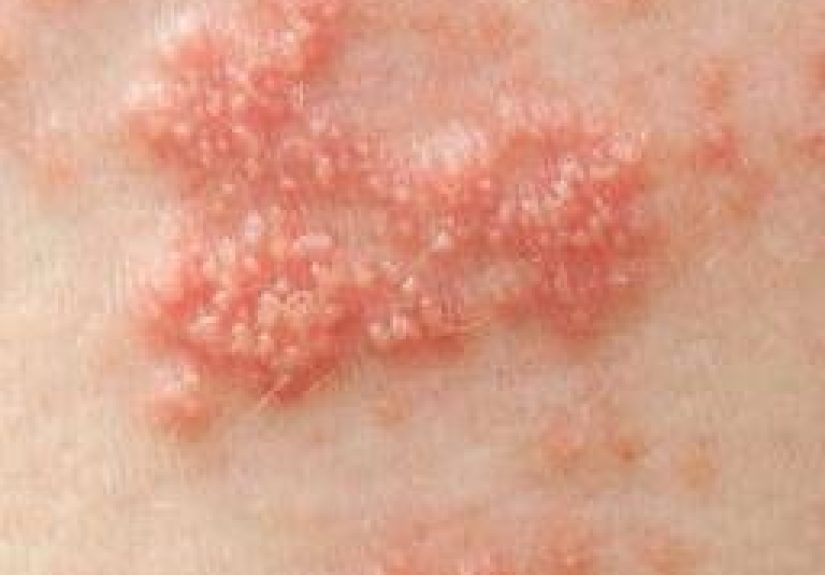
Shingles usually causes a painful, blistering rash on one side of the body or face. The rash often follows a nerve pathway, which is why it may appear as a stripe or band. In many cases, the rash heals within a few weeks. But in postherpetic neuralgia, the affected nerves remain irritated or damaged, causing pain that continues after the skin has healed.
Doctors often define PHN as pain that lasts for at least three months after a shingles rash heals, although some medical references use one month or longer. Either way, the idea is the same: the rash is gone, but the nerve pain stayed behind like an unwanted houseguest who brought luggage.
Postherpetic Neuralgia Symptoms
The hallmark symptom of postherpetic neuralgia is persistent pain in the same area where the shingles rash appeared. This pain can vary from annoying to severe. Some people describe it as burning. Others say it feels sharp, stabbing, electric, aching, or deeply sore.
Common PHN Symptoms
- Burning pain: A hot, fiery sensation in the affected skin.
- Sharp or stabbing pain: Sudden bursts of pain that may feel like tiny electric shocks.
- Aching or throbbing: A deep discomfort that may linger throughout the day.
- Allodynia: Pain from light touch, such as clothing, bedsheets, or a gentle breeze.
- Itching: A persistent itch in the area where shingles occurred.
- Numbness or reduced sensation: Some people feel less sensitivity in the affected skin.
- Sleep problems: Pain may worsen at night or make it hard to find a comfortable position.
One of the most frustrating symptoms is allodynia. Imagine a soft T-shirt feeling like sandpaper, or a bedsheet acting like it has joined a tiny wrestling league. This sensitivity happens because damaged nerves can misread harmless touch as pain.
What Causes Postherpetic Neuralgia?
Postherpetic neuralgia begins with shingles. When the varicella-zoster virus reactivates, it travels along nerves to the skin. This can inflame and injure the nerve fibers. If the nerve does not recover smoothly, it may continue sending exaggerated or confused pain signals to the brain.
Think of the nervous system like an electrical wiring system. When shingles irritates the wire, the signal can become faulty. Even after the visible “storm” on the skin passes, the nerve may keep sparking. That ongoing nerve irritation is what drives postherpetic neuralgia symptoms.
Main Causes and Triggers
- Previous chickenpox infection: PHN can only happen after shingles, and shingles occurs when the chickenpox virus reactivates.
- Shingles affecting nerve pathways: The virus inflames nerves beneath the skin.
- Nerve damage: Injured nerves may become overactive or hypersensitive.
- Immune system changes: Aging, illness, cancer treatment, immune-suppressing medications, or chronic stress may increase shingles risk.
Who Is Most at Risk?
Anyone who has had chickenpox can develop shingles, and anyone with shingles can develop postherpetic neuralgia. However, the risk is not equal for everyone. PHN is more common in older adults, especially people over 50 or 60. The immune system becomes less efficient at keeping the varicella-zoster virus quiet as people age, which explains why shingles and PHN become more common later in life.
Risk Factors for PHN
- Age 50 or older, with risk increasing further after 60
- Severe shingles pain before or during the rash
- A large or intense shingles rash
- Shingles on the face or near the eye
- Delayed antiviral treatment
- Weakened immune system from disease or medical therapy
- Other chronic health conditions that may affect nerve recovery
One important practical point: early shingles treatment matters. Antiviral medicines work best when started within 72 hours of rash appearance. They may help shorten the shingles episode and lower the risk of long-lasting pain. If a painful, one-sided rash appears, do not wait to “see what it does.” Shingles is not a mystery novel; there is no prize for letting the plot unfold.
How Doctors Diagnose Postherpetic Neuralgia
PHN is usually diagnosed based on a person’s symptoms and history of shingles. A doctor will ask where the pain is, when the shingles rash occurred, what the pain feels like, and whether touch, temperature, clothing, or movement makes it worse.
In most cases, advanced testing is not needed. However, a clinician may examine the skin and nerves to make sure the pain is not caused by another condition, such as a new infection, spinal nerve compression, diabetic neuropathy, or another type of nerve pain. If the pain is on the face, near the eye, or accompanied by vision changes, urgent medical evaluation is especially important.
Postherpetic Neuralgia Treatment Options
There is no single magic cure for postherpetic neuralgia. Treatment focuses on reducing pain, improving sleep, restoring daily function, and helping the nervous system calm down over time. Many people need a combination of therapies. In other words, PHN treatment is less like flipping one switch and more like adjusting several knobs until the volume becomes manageable.
1. Topical Lidocaine
Lidocaine patches or creams may help numb the painful area. These treatments are applied directly to the skin and can be especially useful when the pain is localized. Lidocaine does not repair the nerve, but it may reduce pain signals from the skin surface.
A practical example: someone with PHN on the ribs may use a lidocaine patch during the day so a shirt feels tolerable. A doctor or pharmacist can explain how long to wear the patch and how to avoid skin irritation.
2. Capsaicin Cream or Patch
Capsaicin comes from chili peppers, which explains why it can create a warm or burning feeling when first applied. Over time, capsaicin may reduce pain-signaling chemicals in the nerves. Over-the-counter capsaicin creams are available, while high-dose capsaicin patches are applied in medical settings.
Capsaicin is not for everyone. It can sting, and nobody wants their nerve pain treatment to feel like it is auditioning for a hot sauce commercial. Still, for selected patients, it can be helpful when used correctly.
3. Gabapentin and Pregabalin
Gabapentin and pregabalin are commonly used medications for nerve pain. They calm overactive nerve signaling and may help reduce burning, shooting, or electric pain. These medicines are often started at a low dose and adjusted gradually to balance pain relief with side effects such as sleepiness, dizziness, or swelling.
People should not stop these medications suddenly unless instructed by a healthcare professional. A careful plan matters, especially for older adults or anyone taking other medicines that can cause drowsiness.
4. Tricyclic Antidepressants
Certain older antidepressants, such as amitriptyline or nortriptyline, can help nerve pain at doses often lower than those used for depression. They affect how the nervous system processes pain signals. These medications may be taken at night because they can cause drowsiness.
They are not right for everyone, especially people with certain heart conditions, glaucoma, urinary problems, or medication interactions. A doctor can decide whether this option is safe.
5. Pain Relievers
Over-the-counter pain relievers, such as acetaminophen or nonsteroidal anti-inflammatory drugs, may help mild discomfort, but they often do not fully control PHN because the pain is nerve-based. In more severe cases, doctors may consider other prescription pain medicines, but these require careful monitoring.
The goal is not simply to “tough it out.” Poorly controlled pain can damage sleep, mood, movement, and overall quality of life. Pain management is a legitimate part of healing, not a luxury item.
6. Nerve Blocks and Specialist Care
If pain remains severe despite standard treatment, a clinician may refer the patient to a pain specialist or neurologist. Options may include nerve blocks, botulinum toxin injections in selected cases, or other advanced pain management approaches. These are usually considered when first-line treatments do not provide enough relief.
Home Care and Lifestyle Tips
Home care cannot erase postherpetic neuralgia, but it can reduce triggers and make daily life easier. The best approach is gentle, consistent, and realistic.
- Wear soft, loose clothing: Avoid scratchy fabrics over the painful area.
- Protect sensitive skin: A soft cotton layer may reduce friction.
- Use cool compresses carefully: Some people find cooling soothing, while others are sensitive to temperature.
- Prioritize sleep: Pain feels louder when the body is exhausted.
- Track triggers: Note whether heat, cold, stress, or clothing makes symptoms worse.
- Stay active within limits: Gentle movement can support mood and circulation.
- Avoid harsh skin products: Fragrances and strong chemicals may irritate sensitive skin.
Mental health also deserves attention. Chronic nerve pain can make people irritable, anxious, discouraged, or isolated. That does not mean the pain is “in your head.” It means the body and brain are connected, and chronic pain is exhausting. Support groups, counseling, relaxation techniques, and honest conversations with family can make a meaningful difference.
Can Postherpetic Neuralgia Be Prevented?
The best way to reduce the risk of PHN is to prevent shingles in the first place. The recombinant shingles vaccine, commonly known as Shingrix, is recommended in the United States for adults 50 and older. It is also recommended for adults 19 and older who have weakened immune systems because of disease or therapy.
Vaccination does not treat active postherpetic neuralgia, but it can greatly reduce the chance of shingles and its complications. People who have already had shingles may still be advised to get vaccinated later, because shingles can happen more than once.
Another prevention strategy is early treatment when shingles appears. Antiviral medications such as acyclovir, valacyclovir, or famciclovir are most effective when started within 72 hours after the rash begins. Prompt care is especially important for older adults, people with weakened immune systems, and anyone with shingles near the eye.
When to See a Doctor
A person should contact a healthcare professional quickly if they suspect shingles. Early symptoms may include tingling, burning, itching, or pain on one side of the body before the rash appears.
Seek Medical Help Promptly If:
- A painful, blistering rash appears on one side of the body or face
- The rash is near the eye or forehead
- Pain continues after the rash heals
- The person is over 50
- The immune system is weakened
- Pain is severe enough to affect sleep or daily activities
- There is fever, confusion, spreading redness, or signs of infection
Eye-area shingles can threaten vision and should be treated as urgent. Facial shingles, severe headache, weakness, or neurological symptoms also deserve immediate medical attention.
Living With Postherpetic Neuralgia
Living with PHN can be strangely confusing because the skin may look healed while the pain remains very real. Friends or family may not understand why a shirt collar, bra strap, waistband, or bedsheet can cause so much discomfort. That disconnect can make people feel dramatic, but PHN is a recognized nerve pain conditionnot a personality flaw.
A useful strategy is to explain the condition in simple terms: “The shingles rash healed, but the nerve is still irritated.” This helps others understand why normal touch may hurt. It also helps the patient stop blaming themselves for needing accommodations.
Daily routines may need temporary adjustments. Someone with PHN around the chest may switch to loose cotton shirts. Someone with scalp or forehead PHN may avoid tight hats. Someone with pain at night may use softer bedding or sleep in a position that keeps pressure off the affected area. Small changes can add up.
Common Myths About Postherpetic Neuralgia
Myth 1: If the rash is gone, the pain should be gone too.
Not always. PHN happens because nerves remain irritated or damaged after the rash clears.
Myth 2: Postherpetic neuralgia means shingles is still contagious.
PHN itself is nerve pain, not an active rash. Shingles is contagious only through direct contact with fluid from active blisters, and it can cause chickenpox in someone who has never had chickenpox or the vaccine.
Myth 3: There is nothing doctors can do.
While PHN can be difficult to treat, there are multiple treatment options, including topical medications, nerve pain medicines, and specialist care.
Myth 4: Only older adults get PHN.
PHN is more common with age, but younger adults can develop it, especially if they have severe shingles or immune system problems.
Experiences Related to Postherpetic Neuralgia: What Patients Often Notice
Many people describe postherpetic neuralgia as one of the strangest pains they have ever experienced. Unlike a sprained ankle, where movement clearly explains the pain, PHN can flare for no obvious reason. A person may be sitting quietly, reading email, minding their own business, and suddenly feel a sharp electric zap across the ribs or shoulder. The body appears calm; the nerve is apparently hosting a fireworks show.
One common experience is clothing sensitivity. A patient may say, “I can touch the area with my hand, but my shirt hurts.” That sounds contradictory until you understand allodynia. Damaged nerves can respond differently to different textures, pressure, or temperature. A soft blanket may feel comfortable one day and unbearable the next. This unpredictability can be emotionally draining because people like to plan their day without consulting a rebellious nerve.
Another frequent experience is nighttime pain. During the day, distractions may help: work, conversation, errands, or television. At night, the room gets quiet, the body slows down, and the pain seems to turn up the volume. People may sleep on one side, avoid certain blankets, or wake up repeatedly because the affected skin brushes against bedding. Poor sleep then makes pain harder to tolerate the next day, creating an exhausting cycle.
Patients also report frustration when others cannot see the problem. With shingles, the rash provides visible proof. With PHN, the skin may look normal, so family members may assume everything is fine. This is where clear communication helps. Saying “My nerves are still healing, and light touch can trigger pain” is often more effective than simply saying “It hurts,” because it explains the mechanism.
Some people become cautious about movement. If PHN affects the chest, back, neck, or face, they may avoid exercise, grooming, social events, or even hugs. That caution is understandable, but complete withdrawal can reduce quality of life. A better approach is pacing: do a little, rest, adjust, and gradually rebuild confidence. Gentle walks, comfortable clothing, and scheduled rest breaks can help someone stay connected to normal life.
Treatment experiences vary. One person may respond well to lidocaine patches; another may need gabapentin or pregabalin; another may find that medication helps but causes drowsiness. This is why follow-up matters. The first plan may not be the final plan. Good PHN management often requires careful adjustment, patience, and honest feedback to the healthcare provider.
Perhaps the most important experience is learning that improvement may be slow but still real. PHN can last weeks, months, or longer. Progress may look like fewer nighttime awakenings, less sensitivity to clothing, or fewer sudden pain spikes. These small wins count. Nerve healing does not always arrive with a marching band; sometimes it sneaks in quietly, one easier day at a time.
Conclusion
Postherpetic neuralgia is long-lasting nerve pain that can follow shingles. It happens when the varicella-zoster virus irritates or damages nerves, causing burning, stabbing, aching, itching, numbness, or extreme touch sensitivity after the rash has healed. The condition is more common in older adults and in people who had severe shingles or delayed treatment.
Treatment may include lidocaine patches, capsaicin products, gabapentin, pregabalin, tricyclic antidepressants, pain relievers, and specialist procedures for difficult cases. Prevention matters too: shingles vaccination and fast antiviral treatment can reduce the risk of PHN. Most importantly, persistent pain after shingles deserves medical attention. Nobody gets extra credit for suffering silently, and nerves are not impressed by tough-guy speeches.
With the right care plan, practical home adjustments, and patience, many people can reduce symptoms and regain comfort. PHN may be stubborn, but it is not hopeless.