Table of Contents >> Show >> Hide
- What Makes a Great Peanut Butter Cookie?
- Ingredients You’ll Need
- Step-by-Step: Peanut Butter Cookies Recipe (Classic & Chewy)
- Why the Fork Crisscross Exists (It’s Not Just Fashion)
- Texture Tweaks: Chewy, Crispy, Thick, or Thin
- Smart Variations (Same Dough, Different Personalities)
- Make-Ahead, Storage, and Freezing
- Troubleshooting: Fix Common Peanut Butter Cookie Problems
- Serving Ideas That Feel Slightly Fancy (But Aren’t Hard)
- Kitchen Stories: The Peanut Butter Cookie Experience ( of Real-Life Flavor)
- Conclusion
Peanut butter cookies are the rare dessert that feels both nostalgic and deeply practicallike a warm hug that also happens to be extremely snackable.
They’re easy enough for a weekday craving, yet iconic enough for cookie swaps, lunchboxes, and “I brought something!” moments. And yes, they come with
that classic fork-crisscross on topthe cookie’s version of a signature.
This guide walks you through a classic peanut butter cookies recipe with the kind of smart details that make a difference:
how to get chewy centers, how to avoid dry crumbs, what peanut butter works best, and how to tweak the same dough into a few wildly different vibes.
(Because one dough… many destinies.)
What Makes a Great Peanut Butter Cookie?
The best peanut butter cookies hit three goals at once:
- Big peanut flavor that tastes like actual peanuts, not “brown sugar with a peanut accent.”
- A balanced texture: tender in the middle, lightly crisp at the edges (unless you want crunchy, in which casewe can do that too).
- Consistent baking so you don’t end up with “done on the outside, suspiciously soft in the center.”
Peanut butter dough is naturally thicker and less “spready” than many cookie doughs. That’s why technique matters here more than in, say, chocolate chip
cookies, which will basically bake themselves if you stare at them sternly.
Ingredients You’ll Need
This recipe makes about 24 medium cookies (depending on your scoop size and your definition of “one last taste of dough”).
Classic Peanut Butter Cookie Dough
- 1/2 cup (1 stick) unsalted butter, softened
- 1/2 cup creamy peanut butter (see peanut butter notes below)
- 1/2 cup granulated sugar
- 1/2 cup packed light brown sugar
- 1 large egg
- 1 teaspoon vanilla extract
- 1 1/4 cups all-purpose flour
- 3/4 teaspoon baking soda
- 1/2 teaspoon baking powder (optional, but helpful for lift)
- 1/2 teaspoon salt (use less if your peanut butter is very salty)
- Optional: 2–3 tablespoons granulated sugar for rolling
Which Peanut Butter Works Best?
For the most reliable results, use conventional creamy peanut butter (the kind that’s smooth and consistent). “Natural” peanut butter
can work, but it varies by brand and tends to separatemeaning your dough can end up dry one day and oily the next.
If you love natural peanut butter anyway (respect), stir it aggressively until fully blended and consider chilling the dough before baking so the cookies
hold their shape. If your dough feels crumbly, add 1–2 teaspoons milk to bring it together.
Step-by-Step: Peanut Butter Cookies Recipe (Classic & Chewy)
- Prep the oven: Heat to 350°F. Line two baking sheets with parchment paper (or use a silicone baking mat).
- Mix dry ingredients: In a medium bowl, whisk together flour, baking soda, baking powder (if using), and salt. Set aside.
-
Cream the fats and sugars: In a large bowl, beat softened butter, peanut butter, granulated sugar, and brown sugar until light and fluffy,
about 1–2 minutes. This step helps create a tender cookie with a pleasant chew. -
Add egg and vanilla: Beat in the egg and vanilla until smooth. Scrape the bowlcookie dough loves to hide in corners like it’s playing
an extremely delicious game of hide-and-seek. - Combine: Add dry ingredients and mix just until no flour streaks remain. Overmixing can make cookies tougher.
-
Chill (optional but recommended): If you have time, chill the dough for 20–30 minutes. This helps control spread and can
improve texture. -
Scoop: Scoop dough into 1 1/2 tablespoon portions (about a rounded tablespoon) and roll into balls. If you want a sparkly
edge, roll each ball in granulated sugar. -
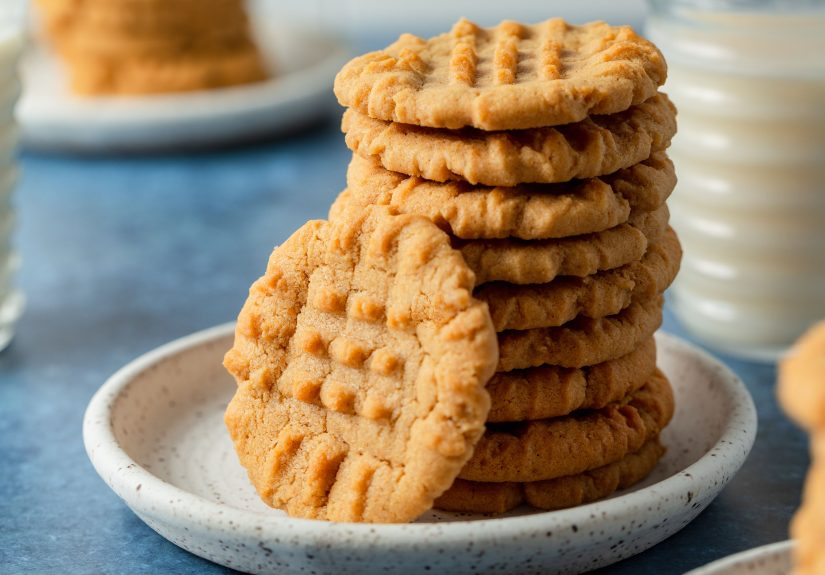
Fork marks: Place dough balls 2 inches apart. Press each one gently with a fork, then rotate the fork 90 degrees and press again to make
the classic crisscross pattern. Don’t smash them into pancakesunless you want thin and crispy (see texture tweaks below). -
Bake: Bake for 9–12 minutes, until edges look set and lightly golden. Centers should look slightly underdone; they’ll finish
setting as they cool. - Cool correctly: Let cookies cool on the baking sheet for 5 minutes (they’re fragile right out of the oven), then transfer to a wire rack.
Why the Fork Crisscross Exists (It’s Not Just Fashion)
The fork pattern is iconic, but it started as a practical move. Peanut butter cookie dough tends to be dense and doesn’t spread as readily as other doughs.
Flattening helps cookies bake more evenly and keeps centers from staying too thick while edges overbake.
Translation: the fork marks are the cookie’s way of saying, “I’d like to be cooked all the way through, thanks.”
Texture Tweaks: Chewy, Crispy, Thick, or Thin
For Chewier Peanut Butter Cookies
- Use more brown sugar than white sugar (it holds moisture).
- Chill the dough for at least 20 minutes.
- Pull cookies when the centers still look slightly soft (don’t wait for “fully brown”).
For Crispier Cookies
- Flatten the dough balls a bit more with the fork.
- Bake 1–2 minutes longer, watching the edges closely.
- Let cookies cool completelycrispness develops as they cool.
For Thick, Bakery-Style Cookies
- Scoop larger portions (about 2 tablespoons each).
- Chill 30–60 minutes.
- Press fork marks gently (don’t flatten much).
Smart Variations (Same Dough, Different Personalities)
1) Chocolate Chip Peanut Butter Cookies
Add 3/4 cup chocolate chips to the dough. Semi-sweet is classic; dark chocolate makes peanut flavor pop.
2) Peanut Butter Cookies with Crunch
Stir in 1/2 cup chopped roasted peanuts for texture and extra nutty flavor. Great if you want a more “grown-up” crunch.
3) Peanut Butter Blossoms (Holiday MVP)
Roll dough balls in sugar, bake for 8–10 minutes, then press a chocolate candy into the center right after they come out. Let set.
Suddenly you’re the hero of the dessert table.
4) Jammy Peanut Butter Thumbprints
Skip the fork marks. Make a thumbprint indentation (or use the back of a teaspoon), fill with a small spoonful of jam, then bake. Peanut butter + berry
is an elite combo.
5) Flourless 3-Ingredient Peanut Butter Cookies
In a pinch, many bakers use a minimalist version: peanut butter + sugar + egg. It’s quick, naturally gluten-free, and surprisingly satisfying.
The texture is usually softer and more delicate, and conventional peanut butter tends to behave more predictably than separated natural styles.
Make-Ahead, Storage, and Freezing
Storing Baked Cookies
- Store completely cooled cookies in an airtight container at room temperature for 3–5 days.
- Want them softer longer? Add a slice of sandwich bread to the container. The cookies and bread will negotiate moisture behind the scenes like tiny diplomats.
Freezing Dough (Best for Fresh-Baked Anytime)
- Roll dough into balls and place on a lined baking sheet.
- Freeze until firm (about 1 hour), then transfer to a freezer bag.
- Bake from frozen at 350°F, adding about 1–2 minutes.
Freezing Baked Cookies
Freeze in an airtight container with parchment between layers for up to 2 months.
Thaw at room temperature or warm briefly for that “just-baked” feel.
Troubleshooting: Fix Common Peanut Butter Cookie Problems
“My cookies are dry and crumbly.”
- Too much flour is the usual suspectspoon flour into the measuring cup and level it off (don’t pack it).
- Natural peanut butter can cause dryness if it isn’t fully mixed.
- Try adding 1–2 teaspoons milk to the dough next time.
“They spread too much.”
- Butter may have been too warmsoft is good; melted is chaos.
- Chill the dough 20–30 minutes.
- Make sure your baking sheet isn’t hot when the next batch goes on.
“They’re not peanut buttery enough.”
- Use a peanut butter you actually love the taste of (this is not the time for “it was on sale”).
- Add a pinch more salt to sharpen flavor.
- Try folding in chopped roasted peanuts for a flavor boost.
“Bottoms are too dark.”
- Use parchment paper or a light-colored baking sheet.
- Move the rack to the middle of the oven.
- Reduce bake time slightly and let carryover heat finish the job.
Serving Ideas That Feel Slightly Fancy (But Aren’t Hard)
- Cookie ice cream sandwiches: vanilla ice cream + two cookies = instant joy.
- Milk pairing upgrade: cold milk is classic, but a latte or hot cocoa makes it feel like a café moment.
- Gift tins: stack cookies with parchment, add a note, and watch people assume you’re extremely put-together.
Kitchen Stories: The Peanut Butter Cookie Experience ( of Real-Life Flavor)
Peanut butter cookies have a talent for showing up in the “most human” moments of baking. They’re often the first cookie people learn because the steps feel
friendly: mix, scoop, fork, bake. No rolling pins, no cookie cutters, no geometry homework. Just dough and optimism.
In many homes, the fork marks become a tiny tradition. Someone inevitably presses too hard on the first cookie and creates a peanut butter frisbee.
Someone else presses too lightly and makes a cookie that looks like it’s still considering becoming a cookie. Then the batch finds its rhythm:
the fork dips, the crosshatch appears, and suddenly the tray looks like it’s wearing matching outfits.
The aroma is half the reason people love them. Peanut butter cookies don’t just smell “sweet”they smell toasted and cozy, like roasted nuts and warm sugar
decided to throw a small party. That smell tends to pull people into the kitchen with suspicious timing. You can call them; they won’t come.
Bake cookies; they’ll arrive “just to see what’s going on.”
Peanut butter cookies also have a way of becoming the unofficial peace treaty dessert. They’re not flashy, which makes them oddly universal. Chocolate chip
cookies can spark debates (“too many chips,” “not enough chips,” “why are the chips the size of gravel?”). Peanut butter cookies are calmer.
They’re the reliable friend who brings snacks and doesn’t start drama.
They fit into seasonal traditions, too. Around the holidays, the dough turns into peanut butter blossoms. In spring, someone gets brave and adds lemon zest
(surprisingly good with a salty peanut base). In summer, they become ice cream sandwiches because it’s too hot for complicated decisions. Even the leftovers
find a purpose: crumbled over yogurt, layered into parfaits, or chopped into “cookie bark” with melted chocolate when you want to look like you planned it.
And then there’s the quiet confidence boost that comes from pulling off a batch just rightgolden edges, tender center, fork marks like a neat signature.
It’s the kind of win that makes you believe you could also probably organize your pantry, fix that squeaky door, and reply to that email you’ve been
avoiding. (The cookies may not fix everything, but they do provide emotional support.)
Most of all, peanut butter cookies are a reminder that “simple” can still be memorable. When the ingredients are familiar and the steps are straightforward,
the little choices matter: the brand of peanut butter you love, the moment you decide to chill the dough, the pinch of salt that makes the flavor pop.
Those tiny decisions add up to a cookie that tastes like homewhatever “home” means in your kitchen today.
Conclusion
A great peanut butter cookies recipe doesn’t need complicated tricksjust solid ratios, a little attention to texture, and the confidence to
pull them from the oven while the centers still look slightly soft. Make the classic version first, then start riffing: crunchy peanuts, chocolate chips,
jam centers, or the fast-and-minimal 3-ingredient style when you want cookies with almost no effort.