Table of Contents >> Show >> Hide
- First, a quick “Where exactly is this pain?” mini-map
- How to describe your pain (because details help)
- When to seek urgent care (don’t “tough it out”)
- 19 causes of pain in the lower right abdomen near the hip bone
- Appendicitis
- Gas and gas pains
- Constipation
- Viral gastroenteritis (“stomach bug”) or foodborne illness
- Irritable bowel syndrome (IBS)
- Crohn’s disease (an inflammatory bowel disease)
- Right-sided diverticulitis (less common, but possible)
- Mesenteric lymphadenitis (mesenteric lymph node inflammation)
- Kidney stones
- Urinary tract infection (bladder infection)
- Inguinal hernia
- Hip flexor strain or lower abdominal muscle strain
- Shingles (pain before the rash)
- Ovulation pain (Mittelschmerz)
- Ovarian cyst (including rupture)
- Ovarian torsion
- Endometriosis
- Pelvic inflammatory disease (PID)
- Ectopic pregnancy
- “But what if I have testicles?” Two important look-alikes
- How clinicians usually figure out what’s going on
- What you can do right now (while you decide what to do next)
- Prevention (when prevention is actually a thing)
- Experience-based insights (the “what people usually describe” section)
- Conclusion
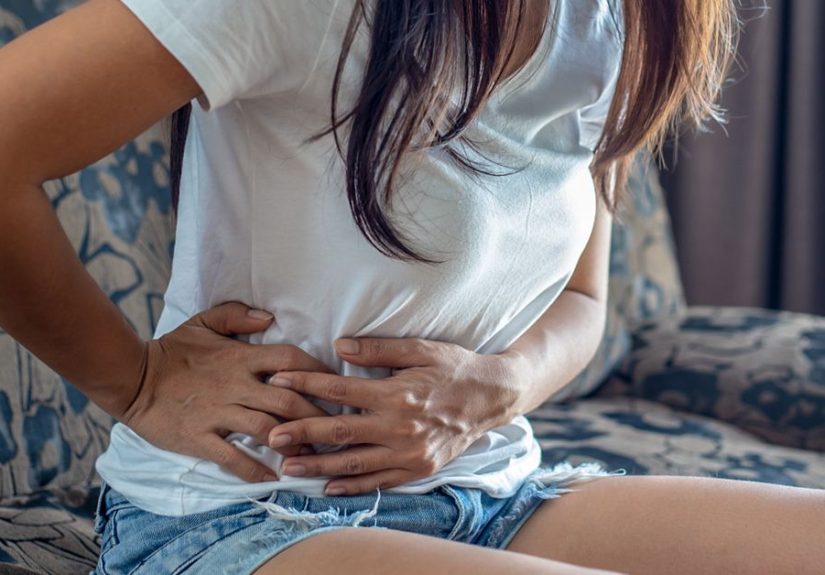
That “right-lower-belly, near-the-hip-bone” pain can feel oddly specificlike your body is pointing at a map and saying,
“It’s right there.” The tricky part is that this area (often called the right lower quadrant) is crowded:
you’ve got parts of the intestines, the appendix, urinary plumbing, muscles and tendons that help you move, anddepending on anatomyreproductive organs.
So one tiny zip of pain can mean anything from “I ate too fast” to “please don’t wait on this.”
This guide breaks down 19 realistic causes of pain in the lower right abdomen near the hip bone, what they often feel like,
what other symptoms tend to tag along, and when it’s time to stop Googling and get checked out. I’ll keep it accurate, readable,
and only mildly annoying with the jokes. (This is abdominal pain, not a stand-up special.)
First, a quick “Where exactly is this pain?” mini-map
When people say “near the hip bone,” they usually mean close to the bony ridge you can feel on the front of your pelvis (near the iliac crest/iliac spine).
Pain in that neighborhood can come from:
- Digestive system: appendix, cecum, terminal ileum, colon
- Urinary system: right ureter, bladder irritation (pain can “refer”)
- Muscles/tendons: hip flexors, lower abdominal wall, groin
- Reproductive organs (if present): right ovary/fallopian tube, uterus-related pain patterns
- Nerves/skin: irritation that can hurt before anything shows up on the surface
How to describe your pain (because details help)
If you end up talking to a clinician, these details are surprisingly useful:
- Onset: sudden vs. gradual; did it wake you up?
- Quality: sharp/stabbing, crampy, burning, pressure, “pulled muscle”
- Pattern: constant vs. comes in waves; getting worse or staying the same
- Triggers: movement, coughing, eating, bowel movement, urinating, sex, menstruation
- Plus-ones: fever, nausea/vomiting, diarrhea/constipation, urinary symptoms, abnormal bleeding, rash
When to seek urgent care (don’t “tough it out”)
Get urgent evaluation (ER/urgent care depending on severity) if you have lower right abdominal pain with any of these:
- Severe or rapidly worsening pain, especially with tenderness when touched
- Fever, persistent vomiting, or inability to keep fluids down
- Fainting, dizziness, new confusion, or signs of dehydration
- Blood in stool or urine, or black/tarry stool
- Abdominal swelling/rigidity, or pain that worsens with walking/coughing
- Possible pregnancy + pelvic/abdominal pain (even if “it’s probably nothing”)
19 causes of pain in the lower right abdomen near the hip bone
Below are 19 common and not-so-common causes. Some overlap (the body loves being mysterious),
but the “pattern + add-on symptoms” can narrow things down.
-
Appendicitis
Why it happens: the appendix becomes inflamed, often starting with vague discomfort that moves and intensifies.
Classic pain often shifts toward the lower right abdomen and worsens over time.Often feels like: pain that starts near the belly button and migrates right; increasing tenderness; worse with movement, coughing, or bumps in the road.
Common sidekicks: nausea/vomiting, low appetite, fever, and feeling generally “off.”
If you suspect appendicitis, don’t waittiming matters. -
Gas and gas pains
Why it happens: swallowed air, certain foods, changes in gut bacteria, or slower digestion can cause pressure and cramping.
Often feels like: crampy, shifting pain; bloating; “knotted” stomach sensation; relief after passing gas or a bowel movement.
Clue: gas pain can be surprisingly sharpand surprisingly dramaticyet often comes and goes and moves around.
-
Constipation
Why it happens: slow stool movement can cause cramping and pressure, sometimes more noticeable on one side.
Often feels like: dull ache or cramping with bloating, hard stools, and the feeling of incomplete “finish.”
Heads-up: constipation plus constant abdominal pain, blood, or ongoing worsening symptoms deserves prompt medical attention.
-
Viral gastroenteritis (“stomach bug”) or foodborne illness
Why it happens: infection irritates the stomach/intestines, causing inflammation and cramps.
Often feels like: crampy belly pain with watery diarrhea, nausea/vomiting, sometimes fever.
Pain can localize or just roam freely like it’s sightseeing.Clue: recent exposure (sick contacts, travel, questionable leftovers) makes this more likely.
-
Irritable bowel syndrome (IBS)
Why it happens: IBS is a disorder of gut-brain interactionreal symptoms without visible tissue damage.
Often feels like: recurrent abdominal pain linked to bowel movements, plus diarrhea, constipation, or both.
Bloating is common, and symptoms may flare with stress or certain foods.Clue: pain often improves after a bowel movement (not always, but often).
-
Crohn’s disease (an inflammatory bowel disease)
Why it happens: chronic inflammation anywhere in the GI tractcommonly near the end of the small intestine, which can create right-lower pain.
Often feels like: cramping abdominal pain, ongoing diarrhea, fatigue, and sometimes weight loss.
Clue: symptoms persist, recur, or come with red flags like blood in stool, fever, or unintended weight loss.
-
Right-sided diverticulitis (less common, but possible)
Why it happens: small pouches in the colon (diverticula) become inflamed or infected.
Most cases hurt on the leftbut right-sided cases can occur and can mimic appendicitis.Often feels like: steady, localized abdominal pain with tenderness, sometimes fever and bowel changes (diarrhea or constipation).
-
Mesenteric lymphadenitis (mesenteric lymph node inflammation)
Why it happens: lymph nodes in the abdomen swelloften after a viral infectioncausing pain that can resemble appendicitis.
Often feels like: lower-right abdominal pain with fever, nausea/vomiting, and sometimes diarrhea.
Clue: more common in children/teens, and sometimes follows cold-like symptoms.
-
Kidney stones
Why it happens: a stone moves through the urinary tract, triggering intense spasms and pain that can radiate to the lower abdomen or groin.
Often feels like: sudden, severe pain in waves; may start in the side/back and travel downward.
Common sidekicks: blood in urine, frequent urge to urinate, burning with urination, nausea/vomiting.
-
Urinary tract infection (bladder infection)
Why it happens: bacteria irritate the bladder and urethra.
Often feels like: lower abdominal pressure or cramping, burning with urination, frequent urgency, cloudy or foul-smelling urine.
Clue: pain is often midline but can be felt more strongly on one side, especially if irritation is significant.
-
Inguinal hernia
Why it happens: tissue pushes through a weak spot in the lower abdominal wall near the groin.
Often feels like: aching or pressure near the groin/hip crease, worse with coughing, lifting, or straining.
Clue: you may notice a bulge that becomes more obvious when standing.
Sudden severe pain with a firm bulge can signal a complication and needs urgent care. -
Hip flexor strain or lower abdominal muscle strain
Why it happens: overuse, sudden sprinting/twisting, heavy lifting, or a sports move that your body did not agree to.
Often feels like: pain/tenderness near the lower abdomen or hip, worse when you lift your knee, climb stairs, or try to “power through.”
Clue: it’s usually linked to activity and improves with rest, though the first day can feel like a betrayal.
-
Shingles (pain before the rash)
Why it happens: varicella-zoster virus reactivates along a nerve path. Pain, tingling, or burning can show up days before the rash.
Often feels like: localized burning/tingling sensitivity on one sidesometimes mistaken for “internal” pain at first.
Clue: skin may become sensitive to touch before blisters appear in that same area.
-
Ovulation pain (Mittelschmerz)
Why it happens: some people feel one-sided lower abdominal pain around ovulation, often mid-cycle.
Often feels like: mild-to-moderate twinge or cramp on one side, lasting minutes to a day or two.
Clue: timing is everythingroughly about two weeks before a period (in a typical cycle).
-
Ovarian cyst (including rupture)
Why it happens: fluid-filled cysts can form on ovaries; many are harmless and resolve, but larger cysts or rupture can hurt.
Often feels like: one-sided pelvic/lower abdominal paindull and achy, or sudden and sharp if ruptured.
Common sidekicks: bloating/fullness, nausea, or light bleeding (especially with rupture).
-
Ovarian torsion
Why it happens: the ovary twists around its supporting structures, reducing blood flow. This is a true emergency.
Often feels like: sudden, severe lower abdominal pain (often one-sided) with nausea/vomiting.
Clue: it can be mistaken for “just cramps,” but the intensity and suddenness are major warning signs.
-
Endometriosis
Why it happens: tissue similar to uterine lining grows outside the uterus and can irritate pelvic structures.
Often feels like: pelvic pain that may be worse before/during periods, sometimes with pain during sex or bowel movements.
Pain can radiate and be felt near the hip area.Clue: pain that is consistently worse than typical period cramps, especially if it worsens over time.
-
Pelvic inflammatory disease (PID)
Why it happens: infection/inflammation of reproductive organs, often related to sexually transmitted infections.
Often feels like: lower abdominal/pelvic pain, sometimes with fever, unusual vaginal discharge/odor, bleeding between periods, or pain with sex.
Clue: early evaluation matters to reduce risk of long-term complications.
-
Ectopic pregnancy
Why it happens: a pregnancy implants outside the uterus (commonly in the fallopian tube). This can become life-threatening.
Often feels like: one-sided pelvic/lower abdominal pain, often with abnormal vaginal bleeding.
Red-flag symptoms: severe pain, shoulder pain, dizziness/faintingespecially with a positive pregnancy testneeds emergency care.
“But what if I have testicles?” Two important look-alikes
Some scrotal conditions can cause pain that feels like it’s in the lower abdomen or groin:
- Testicular torsion: sudden severe scrotal pain can come with abdominal pain and nausea/vomiting. This is an emergency.
- Epididymitis: inflammation/infection can cause scrotal pain and sometimes lower abdominal discomfort, often with urinary symptoms.
How clinicians usually figure out what’s going on
Diagnosing right-lower abdominal pain is basically a detective story with lab tests.
Common steps include:
- History + exam: location, tenderness, guarding, and pain patterns matter.
- Urine test: looks for UTI signs or blood that can suggest stones.
- Blood work: may show infection/inflammation clues.
- Pregnancy test: standard for anyone who could be pregnant (because it changes the entire decision tree).
- Imaging: ultrasound or CT (and sometimes MRI) depending on age, symptoms, and suspected cause.
What you can do right now (while you decide what to do next)
- Don’t ignore red flags: severe pain, fever, persistent vomiting, fainting, pregnancy concerns = get evaluated.
- Hydrate gently: especially if nausea/diarrhea are present (small sips often can be easier).
- Rest and avoid heavy lifting: if you suspect a strain or hernia flare.
- Track your symptoms: timing, triggers, bowel/urinary changes, cycle timingthis helps your clinician help you faster.
- Avoid “diagnosing by pressure testing”: poking hard at the area repeatedly won’t solve the mystery (and will just make you sore).
Prevention (when prevention is actually a thing)
Not every cause is preventable, but some patterns are:
- Digestive comfort: steady fiber and fluids (not a sudden “all-bran personality change”).
- Stone risk reduction: hydration matters, especially if you’ve had stones before.
- Safer sex + STI screening: helps reduce PID risk.
- Warm-up and technique: reduces strain injuries, especially in sports or lifting.
- Don’t “wait out” recurrent severe pain: patterns are a cluebring them to a clinician.
Experience-based insights (the “what people usually describe” section)
Let’s talk about how this pain shows up in real life, because most people don’t walk around saying,
“I’m experiencing right lower quadrant tenderness with associated systemic symptoms.” They say things like:
“It hurts near my right hip bone and I’m panicking.” Fair.
1) The “I pulled something… I think?” scenario:
Many people first notice pain when standing up from a chair, climbing stairs, or lifting a kneelike getting into a car.
It feels tight, sore, and a little sharper when you engage your core. Often there’s a clear culprit:
a workout, moving furniture, sprinting, twisting awkwardly, or that one heroic attempt at a plank.
These strains tend to hurt more with movement and less when you’re still.
The best clue is that the pain feels mechanicalyour body complains when you use it.
2) The “my stomach is mad at me” scenario:
Gas, constipation, and mild GI bugs can produce cramps that come in waves.
People describe a bloated, pressured feelinglike wearing jeans that are suddenly judgmental.
The pain can migrate, and it often changes after passing gas or having a bowel movement.
If you also have diarrhea and nausea, viral gastroenteritis becomes more likely.
In many cases, this kind of pain improves over hours to a few days, as long as you stay hydrated.
3) The “this is not a normal cramp” scenario:
Reproductive-related pain can be confusing because it can resemble bowel cramps.
Ovulation pain is often brief and mid-cycleannoying, but usually not intense.
Ovarian cyst pain can be dull and persistent on one side; rupture can feel like a sudden sharp “gotcha.”
Endometriosis tends to have a story: pain that reliably worsens with periods, maybe with pain during sex or bowel movements.
People often say, “I thought everyone had cramps like this,” until they realize the intensity is not typical.
4) The “I can’t get comfortable” scenario:
Kidney stones are famous for this. People pace, shift positions, and can’t find a sweet spot.
The pain often comes in waves and may radiate toward the groin.
Urinary symptoms (burning, urgency) or blood in urine can show up.
In contrast, a straightforward UTI often feels more like pressure/aching plus burning and frequent urination,
rather than waves of severe pain.
5) The “I’m worried it’s appendicitis” scenario:
People often describe a pain that starts vague and then becomes more specific, sharper, and more tender on the lower right.
Movement can make it worse, and nausea and low appetite commonly join the party.
The key “experience” clue is progression: it’s not just presentit’s getting worse.
Because appendicitis and a few other conditions can become emergencies, this is the moment to choose evaluation over optimism.
Optimism is great. It is not a diagnostic test.
6) The “pain before anything is visible” scenario:
With shingles, some people feel burning or tingling pain in one localized area days before a rash appears.
It can feel internal at first, and then suddenly the skin becomes sensitivelike a sunburn that you did not sign up for.
Once a rash shows up on one side, the puzzle pieces fit much better.
Bottom line: your body’s “pain language” is imperfect, but patterns matter.
If your pain is severe, worsening, or paired with red-flag symptoms, it deserves timely medical evaluation.
If it’s mild, clearly linked to diet or movement, and improving, monitoring may be reasonable.
And if you’re stuck in the middlewhere it’s not terrible but it’s not normalgetting checked is often the fastest route back to peace of mind.
Conclusion
Pain in the lower right abdomen near the hip bone has a long list of causessome common and fixable, some urgent.
The “best next step” depends on severity, how fast it’s changing, and whether there are warning signs like fever, persistent vomiting,
fainting, pregnancy concerns, blood in urine/stool, or sudden severe one-sided pelvic pain.
When in doubt, it’s safer to get evaluated than to bet your weekend on “it’ll probably go away.”