Table of Contents >> Show >> Hide
- Osteoporosis 101: What’s Actually Happening in Your Bones
- The Bone-Building Dream Team: Nutrients That Deserve VIP Passes
- Osteoporosis Super-Foods for Strong Bones
- 1) Dairy (or Fortified Alternatives): Milk, Yogurt, Kefir
- 2) Canned Fish With Bones: Sardines and Salmon
- 3) Calcium-Set Tofu and Soy Foods
- 4) Leafy Greens That “Play Nice” With Calcium
- 5) Beans and Lentils
- 6) Nuts, Seeds, and Tahini
- 7) Prunes (Yes, Really)
- 8) Fruits and Vegetables (The “Pattern” That Keeps Paying Off)
- 9) Fortified Foods: A Smart Shortcut
- Foods and Habits That Can Undercut Bone Goals
- Make It Practical: A One-Day Bone-Friendly Menu
- Medication Timing and Supplement Notes
- How to Build Your Own “Bone Plate” Without Overthinking It
- Experiences People Commonly Have When They “Eat for Their Skeleton” (About )
- Final Takeaway
Osteoporosis is basically your skeleton sending a quiet memo that says, “We used to be a sturdy team,”
and thenrudelynot sending any follow-up until a fracture happens. It’s nicknamed “the silent disease”
for a reason: bone loss can sneak up on you while you’re living your best life, carrying groceries, and
pretending stairs don’t count as cardio.
Here’s the good news: food can absolutely support stronger bones. Not in a magical “eat one kale leaf and
become Wolverine” waybut in a steady, science-backed way that helps you build (or maintain) bone mineral
density, support muscle strength, and lower fall risk. This article breaks down the real “super-foods” for
osteoporosisaka foods that deliver the bone-building nutrients your body needs, without making you feel
like you’re chewing on a bag of chalk.
Osteoporosis 101: What’s Actually Happening in Your Bones
Your bones aren’t dead sticks. They’re living tissueconstantly remodeling like an HGTV show with a
never-ending budget. Specialized cells build bone, other cells break bone down, and your body tries to keep
the “demo crew” and “construction crew” in balance.
Osteoporosis happens when breakdown outpaces rebuilding, leaving bones more porous and fragile. Risk
tends to climb with age, especially after menopause (when estrogen drops and bone loss accelerates), but
it can affect men, too. The goal isn’t just “more calcium.” It’s the full bone-health ecosystem:
calcium + vitamin D + protein + minerals + muscle support + fall prevention.
The Bone-Building Dream Team: Nutrients That Deserve VIP Passes
Think of these nutrients as your skeleton’s favorite band. Calcium is lead singer, but the rest of the group
is what makes the show actually good.
| Nutrient | Why it matters for bones | “Super-food” sources | Easy way to use it |
|---|---|---|---|
| Calcium | Primary mineral in bone; helps keep bones strong | Dairy, fortified plant milks, tofu (calcium-set), canned fish with bones, collards/kale | Split calcium foods across meals (breakfast + lunch + dinner) |
| Vitamin D | Helps your body absorb calcium; supports muscle function | Fatty fish, fortified milk/plant milk, egg yolk, some mushrooms (and sunlight) | Pair vitamin D foods with a meal that includes healthy fat |
| Protein | Supports bone structure and helps maintain muscle (key for fall prevention) | Greek yogurt, beans/lentils, fish, eggs, tofu/tempeh, lean meats | Aim for protein at every meal (not just dinner) |
| Magnesium | Supports bone structure and vitamin D metabolism; low intake may be a risk factor | Nuts, seeds, legumes, whole grains, leafy greens | Add seeds to oatmeal or yogurt; snack on nuts |
| Vitamin K | Plays a role in bone proteins involved in mineralization | Leafy greens (kale, collards), broccoli | Do “greens 5x/week” as a simple rule |
| Potassium | Fruits/veg patterns are linked with better bone density in observational research | Beans, potatoes, citrus, bananas, leafy greens | Make half your plate plants most days |
One important note: if you take blood thinners (like warfarin), vitamin K consistency mattersdon’t suddenly
go from “no greens” to “I am now a kale-powered lawnmower” without checking with your clinician.
Osteoporosis Super-Foods for Strong Bones
“Super-foods” is a slightly dramatic term (marketing loves a cape), but these foods earn the title because
they deliver high-impact bone nutrients per biteand they’re practical to eat repeatedly without needing
a second mortgage.
1) Dairy (or Fortified Alternatives): Milk, Yogurt, Kefir
If your body tolerates dairy, it’s an efficient calcium delivery system. Yogurt and kefir also bring protein,
which helps support muscle massan underrated bone-health ally because strong muscles help prevent falls.
- Try it: Greek yogurt bowl with berries + chia seeds.
- Not into dairy? Choose calcium-fortified soy milk, almond milk, or other fortified plant milks.
2) Canned Fish With Bones: Sardines and Salmon
These are bone-health legends: calcium from the edible bones, plus vitamin D and protein. If sardines scare you,
think of them as “salty little calcium capsules that happen to be delicious on toast.”
- Try it: Mash sardines with lemon + olive oil + pepper; spread on whole-grain toast.
- Or: Canned salmon patties (salmon + egg + breadcrumbs + herbs), pan-seared.
3) Calcium-Set Tofu and Soy Foods
Tofu made with calcium sulfate can be a powerhouse: calcium + protein in one neat little block that absorbs flavor
like it’s auditioning for a role in your stir-fry. Edamame and tempeh add more protein, too.
- Try it: Crispy baked tofu bowls with broccoli, brown rice, and sesame sauce.
- Shopping tip: Look for “calcium sulfate” on the ingredients list.
4) Leafy Greens That “Play Nice” With Calcium
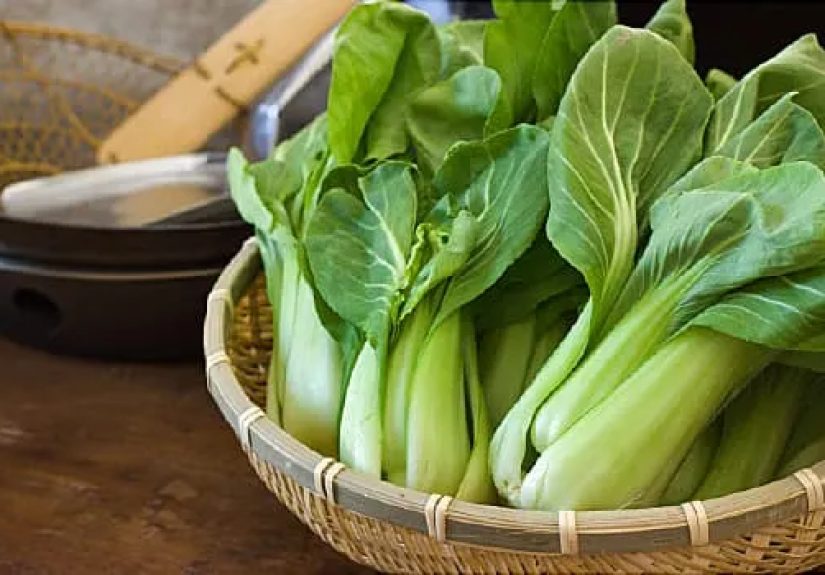
Greens like collards, kale, and bok choy provide calcium and vitamin K. Not all greens are equal, though:
spinach is healthy, but its oxalates can reduce calcium absorptionso don’t make spinach your only calcium plan.
(Spinach can stay. It just can’t be the entire cast.)
- Try it: Garlicky sautéed collards as a side dish; add white beans for a one-pan meal.
- Easy habit: Add a handful of kale to soups, pasta, or scrambled eggs.
5) Beans and Lentils
Beans bring a “bone-support bundle”: plant protein, magnesium, potassium, and some calcium. They also help you
build meals that are satisfyingbecause a diet you hate is a diet you won’t follow.
- Try it: White bean chili, lentil soup, or chickpea salad.
- Shortcut: Keep low-sodium canned beans in the pantry for emergency dinners.
6) Nuts, Seeds, and Tahini
Small but mighty: almonds, chia, sesame, and tahini bring calcium and magnesium, plus healthy fats that make meals
taste like meals.
- Try it: Tahini-lemon dressing on a kale salad.
- Try it: Add chia to oatmeal or yogurt for an easy crunch upgrade.
7) Prunes (Yes, Really)
Prunes (dried plums) are one of the most surprisingly studied “bone foods.” Research in postmenopausal women suggests
that a daily serving (often around 50 groughly 5 to 6 prunes) may help preserve hip bone mineral density over time.
Also, they’re sweet, portable, and don’t require a blender.
- Try it: Prunes chopped into oatmeal, mixed into trail mix, or paired with nuts.
- Pro tip: Start small if you’re not used to high-fiber foods. Your digestive system will file a complaint otherwise.
8) Fruits and Vegetables (The “Pattern” That Keeps Paying Off)
Bones don’t live on calcium alone. Diet patterns rich in fruits and vegetables are associated with better bone
outcomes in observational research, likely thanks to potassium, magnesium, and other compounds that support
overall musculoskeletal health.
- Try it: Build a “color quota”: at least 3 colors of produce per day.
- Easy win: Add berries to yogurt, citrus to salads, and beans to soups.
9) Fortified Foods: A Smart Shortcut
Fortified options can help you reach calcium and vitamin D targets without turning every meal into a dairy festival.
Common examples include fortified plant milks, fortified orange juice, and some cereals.
- Try it: Smoothie with fortified soy milk + frozen fruit + peanut butter.
- Label tip: Check the Nutrition Facts for calcium and vitamin D amounts per serving.
Foods and Habits That Can Undercut Bone Goals
You don’t need to eat “perfectly” to support bone health. But a few patterns can quietly sabotage your calcium budget:
- High-sodium diets: can increase calcium loss in urineso it’s worth keeping salty processed foods in check.
- Heavy alcohol intake: is linked with poorer bone health and higher fall risk.
- Excess caffeine: in large amounts may be a problem for some people, especially if calcium intake is low.
- Smoking: is strongly associated with worse bone outcomes (and basically nothing good, health-wise).
- Sitting all day: bones respond to loadingwalking, strength training, and weight-bearing movement matter.
Make It Practical: A One-Day Bone-Friendly Menu
You don’t need fancy recipes. You need repeatable meals that naturally stack calcium, vitamin D, protein, and plant nutrients.
Here’s one example suggesting how to spread calcium-rich foods across the day (which can be easier on absorption and digestion).
Breakfast
- Greek yogurt parfait with berries + chia seeds
- Or oatmeal made with fortified soy milk + chopped prunes
Lunch
- Kale salad with tahini-lemon dressing + chickpeas
- Whole-grain bread or a baked potato on the side
Snack
- Almonds + a few prunes (the “sweet + crunchy” combo that keeps people loyal)
Dinner
- Canned salmon patties or sardines on toast
- Garlicky collards or broccoli
- Brown rice or quinoa
If you’re aiming for a calcium target, using fortified beverages or dairy at breakfast and a canned fish/tofu
dinner can help you get there without needing to do math in the grocery aisle like it’s a final exam.
Medication Timing and Supplement Notes
Food is foundational, but sometimes supplements are usedespecially if intake is low, vitamin D is deficient, or osteoporosis is diagnosed.
A few safety reminders:
- Don’t stack supplements casually. Too much calcium or vitamin D can cause problems (and “more” is not automatically “better”).
- Space calcium away from certain meds (like thyroid hormone or some antibiotics) if your clinician advisescalcium can interfere with absorption.
- Osteoporosis medications have specific instructions. Some must be taken on an empty stomach with water, and you may need to wait before eating.
Also worth knowing: major guidelines have found that routine vitamin D (with or without calcium) supplementation
doesn’t reliably prevent fractures in broadly defined community-dwelling older adults. That doesn’t mean nutrients
don’t matterit means “supplement everyone forever” isn’t a one-size-fits-all solution. Personalized guidance
matters, especially if you’ve had fractures, have very low intake, or take medications that affect bone.
How to Build Your Own “Bone Plate” Without Overthinking It
Use this simple framework most days:
- 1 calcium anchor (dairy or fortified plant milk, calcium-set tofu, canned fish with bones, or calcium-rich greens)
- 1 protein anchor (fish, yogurt, eggs, tofu, beans, lean meat)
- 2 colorful plants (fruits/vegetables for potassium, magnesium, and overall diet quality)
- 1 “tiny powerhouse” (nuts, seeds, tahini)
Repeatable beats perfect. Your bones prefer consistency over drama.
Experiences People Commonly Have When They “Eat for Their Skeleton” (About )
When people decide to focus on osteoporosis-friendly eating, the first “experience” is usually emotional:
Why does everything I like have to be either salty, sugary, or shaped like a dinosaur nugget?
Fortunately, bone-supportive eating doesn’t require giving up joy. What it usually requires is a shift from
“random snacking” to “strategic snacking,” plus a few smart grocery defaults.
One of the most common changes people notice is that it gets easier once the kitchen is stocked for it.
Keeping fortified milk (dairy or plant), yogurt, canned salmon/sardines, beans, tofu, frozen greens, and a bag
of nuts turns bone health from a monthly “I should…” into a weekly routine. People often report that the
biggest hurdle is not willpowerit’s running out of the right foods and then defaulting to whatever is fastest.
(Bones: “We asked for calcium.” Pantry: “Here is a sleeve of crackers.”)
Another common experience is learning that calcium is a “spread it out” nutrient. People who try to cram all
their calcium into one mega-servinglike chugging a gallon of milk out of guiltoften end up uncomfortable or
inconsistent. In contrast, those who add smaller calcium hits throughout the day (yogurt at breakfast, tofu or
greens at lunch, canned salmon at dinner) tend to find it more doable and gentler on digestion.
Many people experimenting with more beans, greens, seeds, and prunes also notice a digestive adjustment period.
Translation: fiber is great, but your gut needs onboarding. Starting with smaller portionshalf a cup of beans
instead of two cups, a few prunes instead of a whole handfuloften prevents the “never again” reaction.
Once their system adapts, people commonly report feeling fuller between meals and snacking less on ultra-processed
foods that don’t contribute much to bone health.
People who don’t eat dairy sometimes describe a “relief moment” when they realize bone-supportive eating is still
possible: calcium-set tofu, fortified soy milk, tahini, beans, and certain greens can form a solid base. The key
experience there is learning to read labels. Fortification varies wildly: one plant milk might be calcium-rich,
another might be basically nut-flavored water. The label tells the truth, even when the front of the carton is
busy manifesting vibes.
Finally, a very real experience is noticing how tightly food and movement are linked. People who pair a bone-supportive
diet with strength training or weight-bearing activity often say they feel more stable and confidentless “one weird
step away from disaster.” That confidence isn’t just motivational; better muscle strength and balance can reduce falls,
which is a huge part of preventing fractures. In other words: your “bone diet” works best when it’s not working alone.
The most consistent success stories tend to share the same theme: keep it simple, keep it repeatable, and don’t wait
for motivation. Your bones are not impressed by a single heroic salad. They’re impressed by Tuesday night tofu,
Thursday sardines, and a daily habit that quietly adds up.
Final Takeaway
If you’re building a bone-friendly diet, aim for a patternnot a single miracle ingredient. Prioritize calcium-rich
foods (dairy/fortified alternatives, calcium-set tofu, canned fish with bones, and certain greens), get vitamin D and
protein consistently, and round it out with nuts, seeds, beans, and a colorful mix of fruits and vegetables.
And yes, prunes can stay. They’ve earned their seat at the tableprobably right next to the tahini.