Table of Contents >> Show >> Hide
- What Makes Bread Stuffing “Old-Fashioned”?
- The Building Blocks of a Classic Stuffing Recipe
- Old-Fashioned Bread Stuffing Recipe
- Technique Tips for “Grandma-Level” Stuffing
- Old-Fashioned Variations (Still Traditional, Just Wearing Different Shoes)
- Make-Ahead, Freezing, and Stress Reduction
- Food Safety and Storage (Because “Holiday Memories” Shouldn’t Include Food Poisoning)
- Serving Ideas and Leftover Upgrades
- FAQ: Troubleshooting Classic Bread Stuffing
- At the Table: The Experiences That Make Stuffing “Old-Fashioned”
- Conclusion
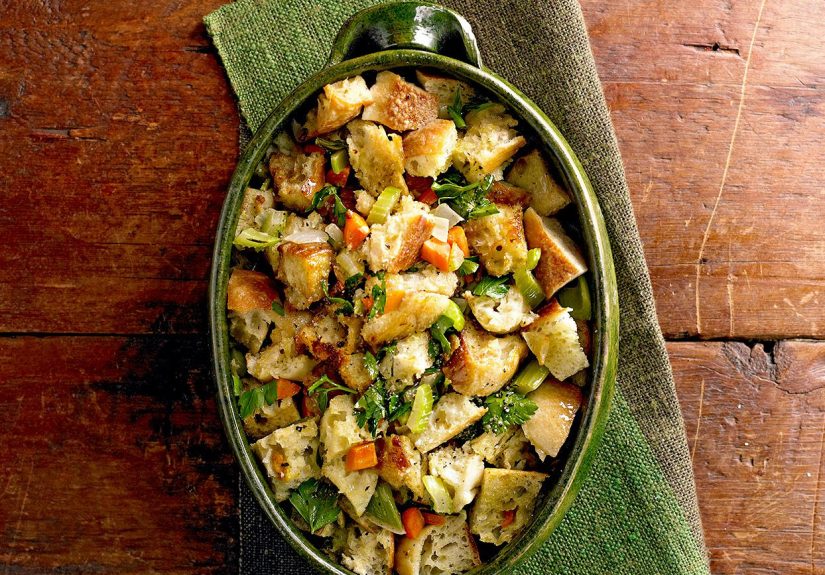
Old-fashioned bread stuffing is the holiday side dish that somehow disappears faster than the turkey. It’s humble
(bread! onions! celery!) but it eats like comfort food royalty: buttery, herby, steamy-soft in the middle, and
beautifully golden on top. The best part? You don’t need fancy ingredients or a celebrity-chef monologuejust a few
classic techniques that turn simple pantry staples into something people “casually” take seconds of before they’ve
finished their first serving.
This guide walks you through a classic homemade stuffing recipe, plus the little details that make it reliably
deliciouslike how dry your bread should be, how much broth is “enough,” and how to get that perfect balance between
tender and crisp. If you grew up with “stuffing” on the table (or “dressing,” depending on your zip code), you’ll
recognize the flavors right away: sage, onion, celery, black pepper, and that unmistakable buttery warmth that makes
the whole kitchen smell like a holiday movieminus the unrealistic countertops.
What Makes Bread Stuffing “Old-Fashioned”?
“Old-fashioned” doesn’t mean complicatedit means classic. Traditional bread stuffing is usually built on:
sautéed onion and celery, plenty of butter, dried bread cubes, and poultry-friendly herbs like sage and thyme. Some
families add eggs for a custardy bind; others skip eggs for a looser, spoonable texture. Some go heavy on sage; some
whisper it politely. All of these versions share the same goal: a savory, aromatic side dish that tastes like it’s
been invited to the table for decades.
In modern kitchens, most people bake stuffing in a casserole dish rather than inside the turkey. You still get the
cozy flavorswithout playing “Is it done yet?” roulette. If you do cook it in the bird, you’ll want to be extra
careful with timing and temperature (we’ll cover safe guidelines later).
The Building Blocks of a Classic Stuffing Recipe
Bread: dry is the whole point
Stuffing works because dried bread acts like a flavor sponge. If the bread is too fresh, it can turn gummy. If it’s
dry-but-not-crumbly, it soaks up broth and butter while still holding its shape. Many classic recipes use a basic
white sandwich loaf, but sturdy breads like French bread or a mild sourdough also work. The key isn’t the brandit’s
the dryness.
Aromatics: onion + celery = the holiday handshake
The onion and celery combo is the traditional base note of old-fashioned stuffing. Cook them in butter until soft
and fragrant. This step matters: raw onion in stuffing is a very specific kind of sadness.
Herbs and seasoning: sage leads, everyone else harmonizes
Sage is the headline. Poultry seasoning (a blend that often includes sage, thyme, marjoram, and rosemary) is the
supporting cast. Black pepper keeps things lively. Fresh parsley adds brightness. You can use dried herbs, fresh
herbs, or a mixjust keep the balance so it tastes like stuffing, not like a potted plant fell into your casserole.
Broth: add gradually, not like you’re putting out a fire
Broth provides moisture and flavor, but too much can lead to soggy stuffing. The trick is to add warm broth
gradually until the bread is evenly moistened. Your end texture should look like it could hold a gentle mound on a
spoonmoist, not dripping.
Eggs: optional, but helpful
Eggs help bind the mixture, giving you slices and scoops that hold together neatly. If you prefer a looser,
fluffier stuffing (or need an egg-free version), you can skip them and simply rely on the bread and broth.
Old-Fashioned Bread Stuffing Recipe
This is a classic, crowd-pleasing homemade bread stuffing that’s easy to scale up or down. It’s designed for
baking in a casserole dish (recommended for consistency and ease), but you can adapt it for stuffing a turkey if
you follow safe cooking guidelines.
Ingredients (Serves 8–10)
- 12 cups dried bread cubes (about 1 large loaf), cut into 3/4-inch pieces
- 1 cup (2 sticks) unsalted butter
- 1 large yellow onion, finely chopped
- 4–5 celery ribs, finely chopped
- 3–4 cloves garlic, minced (optional, but very welcome)
- 2 tablespoons chopped fresh sage (or 2 teaspoons dried sage)
- 1 tablespoon fresh thyme (or 1 teaspoon dried)
- 1/4 cup chopped fresh parsley
- 1 1/2 teaspoons poultry seasoning (optional, for extra “classic stuffing” flavor)
- 1 1/2 teaspoons kosher salt (start with 1 teaspoon if your broth is salty)
- 1 teaspoon freshly ground black pepper
- 2 large eggs, lightly beaten (optional)
- 2 to 3 1/2 cups warm chicken or turkey broth (add as needed)
How to Dry the Bread
-
Air-dry method: Spread bread cubes on baking sheets and leave uncovered for 1–2 days, stirring
once or twice. -
Oven-dry method (faster): Bake bread cubes at a low temperature until dry to the touch (but not
toasted dark). Stir a few times so they dry evenly.
Instructions
-
Preheat and prep: Preheat oven to 350°F. Butter a 9×13-inch baking dish (or a similar 3-quart
casserole). -
Sauté the aromatics: In a large skillet over medium heat, melt the butter. Add onion and celery
and cook 8–10 minutes, stirring often, until softened. Add garlic (if using) and cook 30 seconds more. -
Season like you mean it: Stir in sage, thyme, parsley, poultry seasoning (if using), salt, and
pepper. Cook 1 minute to bloom the herbsyour kitchen should smell like “holiday mode.” -
Combine: Put dried bread cubes in a very large bowl. Pour the butter-vegetable mixture over the
bread and toss well. -
Add eggs (optional): If using eggs, drizzle them over the mixture and toss again so everything is
evenly coated. -
Add broth gradually: Pour in 2 cups warm broth and toss. Keep adding broth a little at a time
until the bread is evenly moistened. The mixture should be damp throughout, but not soupy. -
Bake: Spoon into the prepared dish. Cover with foil and bake 25 minutes. Uncover and bake 20–30
minutes more, until the top is golden and crisp and the center is hot. - Rest and serve: Let it sit 10 minutes (this helps the texture set), then serve warm.
Technique Tips for “Grandma-Level” Stuffing
1) Control the moisture with a simple test
Grab a handful of mixed stuffing and gently squeeze. It should hold together lightly, but not drip. If it crumbles
like dry croutons, add more broth. If it squishes like wet sponge, you’ve gone too faradd a bit more dry bread and
bake uncovered longer to evaporate moisture.
2) Covered first, uncovered last
Foil during the first part of baking traps steam so the middle turns tender. Removing foil at the end creates that
coveted crispy top. This is the stuffing equivalent of wearing a warm coat outside and taking it off once you’re
dancing inside. Same logic, fewer awkward photos.
3) Warm broth blends better than cold
Warm broth helps the bread absorb evenly and keeps the butter from re-solidifying into random clumps. It’s not a
rule carved into stone tablets, but it is a small move with a big payoff.
4) Taste the broth before you salt aggressively
Store-bought broths vary wildly in saltiness. If your broth tastes like it already did cardio, use less salt in the
mix and adjust after baking if needed.
Old-Fashioned Variations (Still Traditional, Just Wearing Different Shoes)
Sausage stuffing
Brown 1 pound of breakfast sausage or Italian sausage, then fold it in with the bread. Reduce butter slightly if
you want, but honestly, it’s a holidayyour side dish can have a little sparkle.
Apple and herb stuffing
Add 1 to 2 chopped apples (tart varieties hold up well) and a pinch of cinnamon-free “cozy” by sautéing the apples
briefly with the onion and celery. This stays old-fashioned in spirit while adding a gentle sweetness.
Nuts and dried fruit (a classic magazine-style upgrade)
Stir in toasted pecans or walnuts and a small handful of dried cranberries or cherries. It’s still recognizable as
traditional stuffingjust with a little “company’s coming” energy.
Stuffing vs. dressing
In many households, the difference is simply where it’s cooked: “stuffing” in the bird, “dressing” in a pan. In
other regions, “dressing” often refers to a cornbread-based version. If you bake this recipe in a casserole, you can
call it dressing and still be invited back next year.
Make-Ahead, Freezing, and Stress Reduction
Make-ahead (1–2 days)
- Dry the bread cubes ahead of time and store in a sealed bag.
- Chop onions/celery and refrigerate in an airtight container.
-
You can also fully assemble the stuffing in the baking dish, cover tightly, refrigerate overnight, and bake the
next day (add a few extra minutes covered to heat through).
Freezing (up to about 3 months for best quality)
Stuffing can be frozen baked or unbaked. For best texture, freeze in portions so it reheats evenly. Thaw overnight
in the refrigerator when possible, then reheat covered until hot and finish uncovered for crispness.
Food Safety and Storage (Because “Holiday Memories” Shouldn’t Include Food Poisoning)
Safe cooking temperature
Stuffing needs to reach a safe internal temperature in the center. If you cook stuffing inside a turkey, the center
of the stuffing must reach the same safe temperature as the bird’s recommended endpoint.
If you stuff the turkey
- Stuff the bird immediately before it goes into the oven.
- Use a food thermometer to confirm the center of the stuffing reaches a safe temperature.
- Don’t use leftover cooked stuffing to re-stuff a bird.
- Let the turkey rest, then remove stuffing promptly and refrigerate leftovers within a safe timeframe.
Leftovers
Refrigerate leftover stuffing promptly in shallow containers so it cools quickly. Reheat until piping hot, and aim
for a safe internal temperature when reheating. For best quality, use refrigerated leftovers within a few days or
freeze for longer storage.
Serving Ideas and Leftover Upgrades
Old-fashioned bread stuffing is the ultimate sidekick: it goes with turkey, chicken, pork, and even a cozy roast
vegetable plate. And if you have leftovers (rare, but let’s pretend), here are fun ways to use them:
- Stuffing muffins: Press into muffin tins and bake until crisp on the edges.
- Stuffing waffle: Crisp in a waffle iron, top with gravy or a fried egg.
- Skillet hash: Sauté leftover stuffing with chopped turkey and veggies until browned.
- Soup topper: Bake extra-dry spoonfuls into crunchy “stuffing croutons.”
FAQ: Troubleshooting Classic Bread Stuffing
Why is my stuffing soggy?
Usually it’s too much broth or not enough drying time on the bread. Next time, add broth gradually and stop when
everything is evenly moistened. This time, bake uncovered longer to let moisture evaporate and develop a crisp top.
Why is my stuffing dry?
It likely needed more broth or was baked too long uncovered. Drizzle warm broth over the top, cover with foil, and
warm it in the oven to bring moisture back.
Do I have to use eggs?
No. Eggs help bind and give a custardy, sliceable texture, but egg-free stuffing can be just as deliciousmore
rustic and spoonable.
Can I use store-bought bread cubes?
Yes. They’re convenient and often perfectly dry. Just watch the salt level and add broth slowly, since pre-dried
cubes can absorb liquid quickly.
At the Table: The Experiences That Make Stuffing “Old-Fashioned”
Old-fashioned bread stuffing isn’t just a recipeit’s a whole set of holiday moments that happen around it. In many
families, stuffing is the first thing someone “checks” before the meal officially starts. Not a full serving, of
course. Just a tiny spoonful to “make sure the seasoning is right.” Five minutes later, that same person is doing
advanced math to prove the casserole dish has, somehow, mysteriously shrunk.
There’s also the classic stuffing identity crisis: half the table calls it stuffing, the other half calls it
dressing, and everybody acts like this is a major cultural negotiation. Meanwhile, the stuffing itself is quietly
being the peace treatysoft in the middle, crisp on top, and willing to go with anyone as long as the gravy shows up.
If your family has a “secret” stuffing tweakextra sage, a splash of broth at the last minute, a specific kind of
breadit often gets passed down with the seriousness of a legal document. People may forget where they put their
keys, but they remember exactly how Grandma wanted the onions chopped.
Stuffing also has that rare superpower of making a kitchen feel like home, even if the day is chaotic. The scent of
butter and sautéing onions is basically an edible announcement that something cozy is happening. While the turkey
takes its sweet time and the potatoes attempt to become glue, stuffing is the reliable friend who shows up early,
helps clean up, and still looks good in photos. It’s the dish that makes you think, “Okay, we’re going to be fine.”
At the table, stuffing is often the great equalizer. The picky eater who won’t touch cranberry sauce? They’ll eat
stuffing. The person who “doesn’t do carbs” all year? They’ll eat stuffing. The cousin who claims they’re “not that
hungry”? You’ll catch them building a second plate that’s suspiciously stuffing-forward. And then there’s the Great
Leftovers Debate: some folks swear stuffing is best fresh, others love it the next day when it’s thicker, richer,
and slightly crisped in a skillet. Either way, it becomes the unofficial breakfast of championsespecially when it’s
reheated with a fried egg on top like the world’s most comforting brunch.
The most old-fashioned part, though, isn’t the ingredient listit’s the way stuffing becomes a shared ritual. The
chopping, the stirring, the “taste this and tell me if it needs more pepper,” the gentle arguments over whether the
top should be extra crispy. Those little moments are why stuffing sticks around year after year. It’s not trying to
be trendy. It’s trying to be delicious, dependable, and worthy of seconds. And honestly, that’s a pretty excellent
life plan.
Conclusion
Old-fashioned bread stuffing proves that the simplest ingredients can make the most memorable side dishespecially
when you nail the basics: dry bread, buttery aromatics, classic herbs, and just enough broth for tender bite without
sogginess. Whether you keep it purely traditional or add sausage, apples, or nuts, the heart of the dish stays the
same: cozy, savory comfort that belongs on the holiday table. Bake it in a casserole for reliable results, keep an
eye on moisture, and you’ll have a classic stuffing recipe that tastes like it’s been loved for generations.