Table of Contents >> Show >> Hide
- Why New Mortgage Payments Spiked So Fast
- What the $514 Increase Actually Means for Buyers
- The Rate Shock Changed the Entire Buying Math
- Who Felt the Pain Most?
- Why Sellers and the Broader Market Also Felt It
- Can Buyers Do Anything When Mortgage Payments Jump?
- What This Number Says About the Housing Market
- Real-World Experiences: What This Felt Like for Buyers on the Ground
- Conclusion
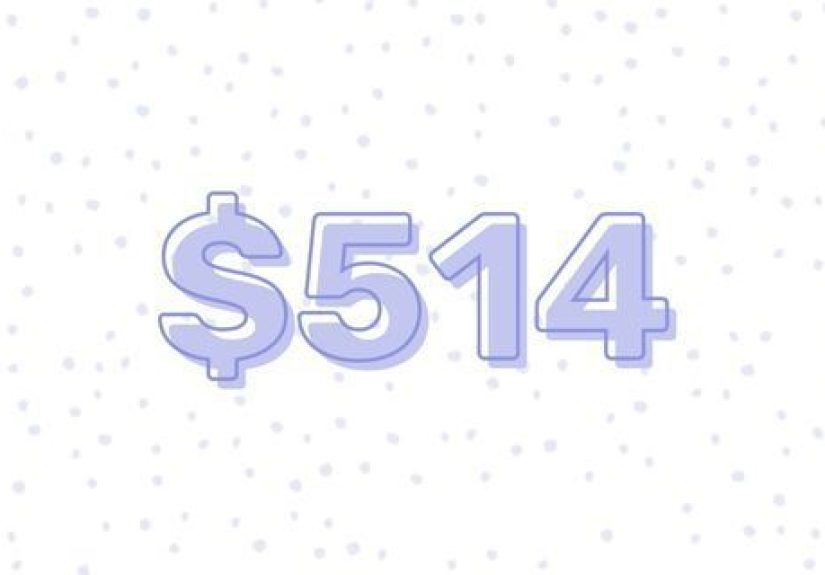
If you needed one number to explain why so many buyers in 2022 suddenly felt like the housing market had turned into a carnival game rigged by accountants, this was it: the median monthly payment on applications for a new 30-year fixed mortgage jumped to $1,897 in May, up roughly $514 from the start of the year. That kind of increase does not politely knock on your budget. It kicks the door open, raids the fridge, and asks whether you really needed that dream kitchen anyway.
The sharp rise in new mortgage payments became one of the clearest signs that home affordability was deteriorating fast. Home prices were already elevated, mortgage rates were climbing at a speed buyers had not seen in years, and the combination turned even ordinary listings into financial stress tests. For many households, the question changed from “Which neighborhood do we like?” to “Can we still buy at all?”
This is what made the surge so painful: it happened quickly. Americans can adjust to expensive over time. What is harder to absorb is when the monthly cost of buying a home rises hundreds of dollars in a matter of months. That is not a subtle market shift. That is a budget ambush.
Why New Mortgage Payments Spiked So Fast
The simple answer is that two major forces hit buyers at the same time: higher mortgage rates and higher home prices. Either one would have hurt affordability on its own. Together, they created the housing version of a one-two punch.
1. Mortgage rates moved up in a hurry
At the beginning of January 2022, the average 30-year fixed mortgage rate was just above 3.2%. By late spring and early summer, rates were hovering near 5.8% to 6%. That might not sound catastrophic until you remember how mortgages work. A rate increase does not just add a little extra. It reshapes the entire monthly payment for the life of the loan.
For buyers shopping at the edge of their budget, even a one-point move can be enough to reduce purchasing power by tens of thousands of dollars. Once rates jumped by more than two percentage points, plenty of households discovered that the house they could “afford” in January had become a house they could admire from the sidewalk by June.
2. Home prices were still rising
Rates alone did not create the problem. Home prices kept pushing upward as well. During that stretch, national house-price measures were showing strong year-over-year gains, and in many markets, inventory was still too tight to meaningfully cool competition. Buyers were not just borrowing at a higher cost; they were borrowing more money to purchase more expensive homes.
That is a brutal combination. A pricier home means a bigger loan balance, and a higher interest rate means each borrowed dollar costs more every month. Put those together and monthly payments can leap far faster than wages do. Spoiler alert: paychecks are not usually known for their Olympic-level sprinting.
3. Affordability hit a wall
By mid-2022, multiple housing analysts were warning that affordability had deteriorated to some of its weakest levels in years. Some measures showed a typical payment consuming a much larger share of household income than buyers had become used to during the low-rate era. That changed the psychology of the market almost overnight.
Suddenly, buyers were not just comparing mortgage quotes. They were reassessing life plans, commute lengths, school districts, renovation budgets, and whether “starter home” now meant “one bathroom and a heroic amount of optimism.”
What the $514 Increase Actually Means for Buyers
A rise of $514 a month is not just a spreadsheet problem. It is a lifestyle problem. Over a year, that adds up to more than $6,000 in additional housing expense. For many families, that is vacation money, emergency-fund money, child-care money, grocery money, or the difference between saving and just surviving.
Monthly payments affect far more than principal and interest. Buyers also have to plan for property taxes, homeowner’s insurance, utilities, maintenance, repairs, and often private mortgage insurance if the down payment is small. The mortgage might be the headline expense, but it rarely travels alone.
That is why a higher payment often triggers a chain reaction:
- Buyers lower their price range.
- They widen their search to less expensive neighborhoods.
- They accept smaller homes or older homes that need work.
- They postpone buying altogether and keep renting longer.
- They drain more savings for a bigger down payment to reduce the monthly hit.
None of these choices is inherently wrong. But they reflect a market where consumers are adjusting to higher costs rather than shopping from a position of comfort.
The Rate Shock Changed the Entire Buying Math
One of the biggest misconceptions in housing is that affordability is mostly about the sticker price of the home. Price matters, of course, but the monthly payment is what buyers live with. That is why mortgage rates can change the market so dramatically even if sale prices do not immediately collapse.
Imagine two buyers looking at the same house. One shops when rates are low, the other when rates are much higher. Even if the home price stays similar, the second buyer can wind up with a payment that is hundreds of dollars more each month. Same house. Same bedrooms. Same slightly aggressive beige paint in the hallway. Totally different financial reality.
This is also why a cooling market does not automatically restore affordability. Home prices can flatten or even dip somewhat, but if rates stay elevated, many households still do not feel relief. It is the relationship between home price, mortgage rate, down payment, and income that determines whether a purchase works.
Who Felt the Pain Most?
First-time buyers
First-time homebuyers tend to be hit hardest by rising mortgage payments because they are less likely to have large down payments or home equity from a previous sale. Many are already dealing with student loans, rising rents, and limited savings. When mortgage costs spike, they do not have much cushion.
A buyer putting down 3% to 5% is especially sensitive to higher rates because the loan amount remains large, and mortgage insurance may also apply. In that situation, even a modest jump in rates can transform a workable budget into a polite financial rejection.
Middle-income households
Wealthier buyers can sometimes absorb rate increases by making bigger down payments or purchasing below their means. Lower-income buyers may already have been priced out. That leaves many middle-income households caught in the messiest part of the market: earning too much to qualify for substantial assistance in some cases, but not enough to comfortably absorb rapid cost increases.
Buyers in competitive metro areas
Expensive housing markets felt the squeeze even more intensely. When the starting price is already high, any rise in rates magnifies the affordability challenge. A rate shock in a modest market hurts. A rate shock in an already expensive market feels like getting billed for breathing near the open house.
Why Sellers and the Broader Market Also Felt It
Higher mortgage payments do not only hurt buyers. They change behavior across the whole housing market.
When buyers can afford less, demand softens. Homes may sit longer. Sellers may need to cut prices, offer concessions, or adjust expectations. That does not mean the market instantly crashes, but it does mean the frenzy cools.
There is also a longer-term side effect: homeowners with older, lower-rate mortgages become reluctant to move. Why sell a house financed at around 3% only to buy another one with a much higher rate? This “lock-in” effect can reduce inventory because people stay put, which then keeps supply tight and makes affordability harder to fix. Housing markets love irony, apparently.
Can Buyers Do Anything When Mortgage Payments Jump?
Yes, though none of the options are magical. They are more “financially responsible adulting” than “one weird trick.”
Shop around for lenders
Even in a rising-rate environment, quotes can vary. Comparing lenders may shave enough off the rate or fees to make a meaningful difference over time. A small rate improvement can matter a lot on a 30-year loan.
Adjust the down payment strategy
A bigger down payment reduces the loan amount and may lower the monthly payment. But buyers should be careful not to empty their savings to the point where closing day is followed by couch-cushion-level financial resilience. Cash reserves still matter.
Look at total cost, not just list price
Taxes, insurance, HOA fees, commute costs, and repair needs all affect true affordability. Sometimes a slightly higher-priced but more efficient home is cheaper to own than a “bargain” property with expensive hidden costs.
Consider timing, but do not try to out-psychic the market
Waiting can help in some environments, especially if rates or prices cool. But no one consistently predicts the perfect moment. Buyers who are financially ready should focus on what fits their budget today rather than gambling on a crystal ball with terrible customer reviews.
What This Number Says About the Housing Market
The phrase “new mortgage payments have risen $514 in just 5 months” captures more than a dramatic statistic. It tells the story of a market where affordability deteriorated faster than many households could respond. It reflects how sensitive housing is to financing conditions, and why monthly cost matters more than headline price alone.
It also shows why housing conversations became more anxious in 2022 and stayed tense in the years that followed. Once buyers learn that financing can add hundreds of dollars to the cost of the same home, the market stops feeling abstract. It feels personal.
That is the real lesson here. Mortgage affordability is not just about economics; it is about choices, trade-offs, and timing. A jump of more than $500 a month can delay family plans, change where people live, reshape local demand, and keep would-be buyers on the sidelines longer than expected.
In other words, the $514 increase was not a random headline-friendly number. It was a flashing warning light for homebuyers across the country.
Real-World Experiences: What This Felt Like for Buyers on the Ground
Numbers tell you what happened. Buyer experiences tell you what it felt like.
For many shoppers, the first sign of trouble was not a market report or an economist on television. It was the mortgage calculator. A buyer who had been pre-approved earlier in the year would return a few weeks later, plug in a new rate, and suddenly see a monthly payment that looked like it had eaten another monthly payment for breakfast. Same budget. Same income. Same desire to buy. Completely different outcome.
Some buyers responded by trimming expectations. The four-bedroom became a three-bedroom. The detached house became a townhouse. The updated kitchen became a “great opportunity to personalize the space,” which is real estate language for “please make peace with laminate.” Others pushed farther from city centers in search of lower prices, only to discover that lower housing costs can come with longer commutes, higher fuel bills, and less time at home.
First-time buyers often felt the sharpest emotional whiplash. They had spent months saving for a down payment, cleaning up credit, gathering tax returns, and learning an entirely new language made of escrow, points, DTI, and closing disclosures. Then the target moved. Fast. It is one thing to be told homebuying is expensive. It is another to watch affordability deteriorate while you are actively trying to join the market.
There were also buyers who remained technically qualified but no longer felt comfortable. That distinction matters. A lender may approve a loan payment that works on paper, but households still have to live with that payment in real life. They know groceries rise, insurance rises, repairs happen, and jobs are not guaranteed to remain blissfully stable forever. A mortgage that barely fits can make the entire rest of life feel smaller.
Couples had tougher conversations. Parents reconsidered school districts. Single buyers debated whether independence was worth being permanently one appliance failure away from financial melodrama. Plenty of renters who were eager to buy decided to renew leases for another year, not because they wanted to, but because the math had become stubbornly rude.
Even buyers who went through with purchases often described the experience as less triumphant than expected. Instead of feeling like they had unlocked a dream, some felt like they had survived an obstacle course. They got the keys, yes, but also a larger payment, thinner savings, and a new hobby called staring at interest-rate headlines.
That is why the $514 jump mattered so much. It was not just a statistic from a spreadsheet. It showed up in delayed moves, smaller homes, longer searches, stricter budgets, and a whole lot of conversations that began with, “Can we still do this?”
The answer, for many households, became: yes, but only by compromising more than they expected.
Conclusion
The rise in new mortgage payments over that five-month stretch was a blunt reminder that housing affordability can unravel quickly when rates and prices move in the same direction. For buyers, the impact was immediate and deeply practical: smaller budgets, fewer options, harder decisions, and more caution. For the market, it signaled a major reset in what “affordable” really meant. If there is a takeaway worth remembering, it is this: in real estate, the monthly payment is the truth serum. It reveals very quickly whether a market is merely expensive or genuinely punishing.