Table of Contents >> Show >> Hide
- What Is a Minimalist Mobile TV Easel?
- Why Mobile TV Easels Are Having a Moment
- Main Benefits of a Minimalist Mobile TV Easel
- Key Features to Look For Before Buying
- Where a Minimalist Mobile TV Easel Works Best
- Minimalist Styling Tips
- Safety Considerations You Should Not Skip
- Minimalist Mobile TV Easel vs. Traditional TV Console
- Common Mistakes to Avoid
- Who Should Consider a Minimalist Mobile TV Easel?
- Real-Life Experience: Living With a Minimalist Mobile TV Easel
- Conclusion
A minimalist mobile TV easel sounds like something invented by a designer who got tired of choosing between a stylish living room and a giant black rectangle on the wall. And honestly, fair enough. For years, TVs have demanded center stage like divas with HDMI ports. They needed bulky consoles, complicated wall mounts, cable jungles, and at least one person standing behind the screen saying, “A little left. No, your other left.”
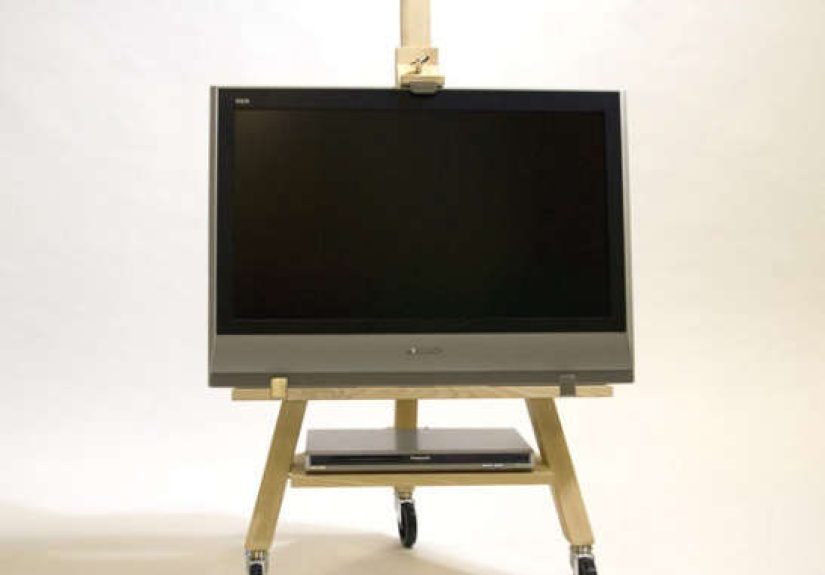
The minimalist mobile TV easel changes the mood completely. Instead of anchoring your television to one wall forever, it turns the screen into a flexible, sculptural piece of furniture. It can roll from the living room to the bedroom, angle toward the sofa, support video calls in a home office, or become a clean media display in a studio apartment. It is part TV stand, part art easel, part “why didn’t we do this sooner?”
In modern homes where rooms work overtime as lounges, offices, gyms, classrooms, and occasional snack caves, mobility matters. A mobile TV easel gives you freedom without sacrificing visual calm. The best versions combine a slim frame, hidden or managed cables, locking wheels, VESA-compatible mounting, height adjustment, and a design that looks intentional rather than temporary.
What Is a Minimalist Mobile TV Easel?
A minimalist mobile TV easel is a freestanding TV mount designed to hold a flat-screen television in an easel-like frame. Unlike a traditional media console, it does not rely on a wide cabinet or heavy entertainment unit. Unlike a wall mount, it does not require drilling into studs, patching drywall, or committing to one viewing location until the end of time.
Most mobile TV easels use a metal, wood, or hybrid frame with a rear mounting plate. The TV attaches to the stand through its VESA mounting holes, the standardized bolt pattern found on many modern flat-panel TVs. Many designs include casters, usually with locking wheels, so the unit can move when needed and stay put when movie night begins.
The word “minimalist” is doing real work here. This is not the clunky AV cart from school days with a squeaky wheel and the emotional energy of a substitute teacher. A minimalist mobile TV easel is lighter in appearance, cleaner in shape, and more suitable for living rooms, bedrooms, open-plan apartments, creative studios, and modern offices.
Why Mobile TV Easels Are Having a Moment
Home layouts have changed. The TV no longer lives only in the family room. People stream workouts in the bedroom, take video calls in the office, watch cooking tutorials in the kitchen, and occasionally drag a screen near the dining table because the big game apparently pairs beautifully with tacos. A fixed wall mount can feel too rigid for this kind of lifestyle.
A mobile TV easel answers that problem with flexibility. It gives the TV a place to live, but not a prison sentence. You can rotate the screen, move it closer, tuck it into a corner, or roll it away when the room needs to breathe. In small apartments, that flexibility can feel like gaining square footage without renting a second apartment, which is always a charming fantasy.
Design trends also help explain the appeal. More homeowners want technology to blend into interiors rather than dominate them. Easel-style stands can make a screen look more like framed art, especially when paired with slim TVs, ambient art modes, or gallery-style backgrounds. The result is less “electronics showroom” and more “calm, curated space where someone might own linen napkins.”
Main Benefits of a Minimalist Mobile TV Easel
1. It Saves Visual Space
A traditional TV console can be beautiful, but it also takes up wall length, floor area, and visual weight. In a compact room, a large cabinet can make everything feel crowded. A minimalist mobile TV easel lifts the screen on a slim frame and removes the need for a bulky storage unit. The floor feels more open, the wall feels less busy, and the room avoids looking like the TV brought furniture bodyguards.
2. It Works Without Drilling
Renters, rejoice. A mobile TV easel is ideal when wall mounting is not allowed, not practical, or not worth the drama. Instead of drilling holes, locating studs, and making promises to your landlord, you can mount the TV to the easel frame and move it as needed. This makes it especially useful in apartments, dorms, temporary homes, offices, and renovated spaces where walls are already doing enough.
3. It Adds Flexible Viewing Angles
Many mobile TV easels allow some combination of height adjustment, tilt, swivel, or repositioning. Even if the stand itself has limited mechanical movement, the ability to roll or rotate the entire unit gives you more control. You can reduce glare from windows, center the screen for guests, or angle it toward a lounge chair that has mysteriously become your “thinking seat.”
4. It Can Look Like Decor
The best minimalist mobile TV easels do not apologize for existing. They use warm wood legs, slim black steel, satin white finishes, or low-profile frames to become part of the room’s design language. Some resemble artist easels, while others look like modern gallery display stands. When styled well, the TV stops feeling like an interruption and starts feeling like a considered object.
5. It Supports Multi-Use Rooms
Open-plan homes and small apartments often need one room to do several jobs. A mobile TV easel can support entertainment, presentations, gaming, workouts, online learning, digital art display, and video meetings. One screen can serve many scenarios without forcing every chair in the house to face the same wall like a very polite audience.
Key Features to Look For Before Buying
VESA Compatibility
Before falling in love with any mobile TV easel, check whether your TV’s VESA pattern matches the stand. VESA refers to the mounting hole spacing on the back of the display, usually measured in millimeters, such as 200 x 200, 300 x 300, or 400 x 400. A stand may look perfect, but if the bolt pattern does not match, it becomes expensive sculpture.
Weight Capacity
Always compare your TV’s weight with the stand’s maximum supported weight. Do not guess, do not “round down,” and do not trust optimism as a structural engineering method. The stand should comfortably support the display with room to spare. This is especially important for larger TVs, soundbar attachments, or older screens that may weigh more than newer ultra-slim models.
Screen Size Range
Most mobile TV easels list a compatible screen size range, such as 32 to 65 inches or 43 to 75 inches. Use this as a helpful guide, but do not rely on size alone. Weight and VESA pattern matter just as much. A lightweight 65-inch TV may work beautifully on one stand, while a heavier model with an unusual mounting pattern may not.
Locking Casters
If the stand has wheels, locking casters are essential. They allow you to move the TV when needed and secure it in place during use. Good casters should roll smoothly on hard flooring and remain stable when locked. If your home has thick rugs, thresholds, uneven flooring, or curious pets, stability becomes even more important.
Cable Management
Minimalism dies quickly when three black cables dangle like electronic spaghetti. Look for a mobile TV easel with cable clips, rear channels, hollow supports, ties, or routing paths. Even a simple cable sleeve can dramatically improve the look. The goal is not to pretend technology has no wires; the goal is to make the wires behave in public.
Material and Finish
Minimalist TV easels commonly use steel, aluminum, solid wood, engineered wood, or a mix of materials. Steel frames often provide strength and a clean industrial edge. Wood legs soften the look and pair well with Scandinavian, Japandi, mid-century, or organic modern interiors. White finishes blend into light rooms, while black frames echo TV bezels and disappear visually when the screen is on.
Where a Minimalist Mobile TV Easel Works Best
Small Apartments
In a small apartment, every piece of furniture needs a résumé. A mobile TV easel earns its place by reducing the need for a wide console, freeing wall space, and allowing the room layout to change. You can place it near a corner, roll it toward the sofa, or move it aside when hosting guests.
Bedrooms
Wall mounting a bedroom TV can feel too permanent, especially if you rearrange furniture often. A mobile easel lets you angle the screen toward the bed, then move it away when you want the bedroom to feel calmer. It is also a good option for renters who want a polished look without drilling above a dresser.
Home Offices
A mobile TV easel can double as a presentation screen, video conference display, second monitor, or training tool. It works especially well in hybrid workspaces where the room must shift between productivity and relaxation. Add a small shelf for a webcam, streaming device, or compact speaker, and the stand becomes a tidy media hub.
Creative Studios
For photographers, designers, content creators, and educators, a movable screen is genuinely useful. It can display mood boards, client presentations, editing previews, digital signage, or tutorials. The easel style also fits naturally into creative environments because it borrows visual language from art studios.
Open-Plan Living Areas
In open-plan homes, a fixed TV wall can dominate the entire layout. A mobile TV easel gives the screen a softer presence. You can rotate it toward the kitchen during cooking, toward the sofa for streaming, or away from the main seating area when you want the room to feel more conversational.
Minimalist Styling Tips
Start by choosing a stand finish that matches or intentionally contrasts your existing furniture. A black metal easel pairs well with modern, industrial, and contemporary rooms. A wood-and-steel version adds warmth to neutral interiors. A white or light-toned stand works beautifully in airy apartments, coastal spaces, and Scandinavian-inspired rooms.
Next, simplify what surrounds the stand. Avoid crowding it with baskets, speakers, plants, game consoles, and decorative objects all at once. One nearby plant, a slim floor lamp, or a low storage basket can be enough. Minimalism is not about owning nothing; it is about letting each item breathe without calling a committee meeting.
If your TV supports art mode, ambient display, or photo slideshows, use them. A mobile TV easel looks especially elegant when the screen displays artwork, black-and-white photography, or a soft neutral image. Just remember that a screen is still a screen. Keep brightness reasonable and avoid turning your living room into a lighthouse.
Safety Considerations You Should Not Skip
A minimalist mobile TV easel should look light, but it must not behave lightly. Safety matters, particularly in homes with children, pets, uneven flooring, or high-traffic areas. Always follow the manufacturer’s instructions, tighten hardware properly, and confirm that the TV is securely attached before moving the stand.
Place the stand on stable, level flooring whenever possible. Lock the wheels after positioning it. Avoid letting the TV overhang narrow furniture or rest near areas where children might climb. If the stand includes anti-tip hardware or safety straps, use them according to the instructions. Design is lovely, but gravity has never cared about aesthetics.
When moving the stand, guide it from the frame rather than pulling on the TV. Move slowly over thresholds, rugs, or cords. Do not roll it with the display at an unstable height if the manufacturer advises against it. The most beautiful TV setup is the one that stays upright.
Minimalist Mobile TV Easel vs. Traditional TV Console
A traditional TV console is still useful if you need storage for gaming systems, receivers, books, remotes, speakers, and mysterious cables nobody can identify but everyone is afraid to throw away. Consoles ground a room and can provide strong visual balance under a large screen.
A mobile TV easel is better when flexibility, lightness, and mobility matter more than storage. It is ideal for people who stream through compact devices, use wireless speakers, or prefer hidden storage elsewhere. It also works well when the TV is not meant to be the permanent focal point of the room.
The choice is not about which is universally better. It is about how you live. If your TV setup includes multiple consoles, a sound system, and a gaming library, a media cabinet may serve you better. If your screen mostly streams movies, workouts, presentations, or ambient art, a minimalist mobile TV easel may feel cleaner and more adaptable.
Common Mistakes to Avoid
The first mistake is buying for looks alone. A TV easel can be gorgeous, but compatibility comes first. Check VESA pattern, weight capacity, screen size range, wheel quality, and height options before considering finish and style.
The second mistake is ignoring cables. A minimalist stand with messy cords loses its magic quickly. Plan where power will come from, how cables will route, and whether you need cable sleeves, clips, or a compact power strip.
The third mistake is choosing a stand that is too tall or too low. For comfortable viewing, the center of the screen should generally sit close to eye level when seated, though personal preference and room layout matter. A height-adjustable stand gives you more flexibility.
The fourth mistake is overloading shelves. Some mobile TV easels include a shelf for a soundbar, laptop, or streaming device. Respect the shelf’s weight limit. It is a shelf, not a challenge.
Who Should Consider a Minimalist Mobile TV Easel?
A minimalist mobile TV easel is a smart choice for renters, apartment dwellers, design-conscious homeowners, flexible workspaces, creative studios, and anyone who dislikes drilling holes in walls. It is also helpful for people who frequently rearrange furniture or want the TV to be present only when needed.
It may not be the best choice for households that need extensive media storage, very large surround-sound systems, or a completely childproofed solution without additional safety measures. Still, for many modern homes, it offers a rare mix of practicality and elegance.
Real-Life Experience: Living With a Minimalist Mobile TV Easel
The first thing you notice after switching to a minimalist mobile TV easel is how much less bossy the television feels. A wall-mounted TV announces itself with confidence. A console-mounted TV usually claims an entire wall. But a TV on a slim mobile easel feels more relaxed, as if it knows it is important but does not need to shout about it.
In a small living room, the difference can be surprisingly dramatic. Without a long media cabinet, the floor appears larger and the wall feels less crowded. The room starts to feel less like a viewing station and more like a place where watching TV is one option among many. That subtle shift changes how the space functions. You can turn the chairs toward conversation, roll the TV closer for a movie, then move it back when guests arrive.
Mobility also changes everyday habits. A screen that once belonged only to the living room can become useful in the kitchen for following a recipe, in the bedroom for a slow weekend film, or in the office for a presentation. This does not mean rolling the TV around all day like a loyal robot companion. It means the option exists, and that option makes the home feel more adaptable.
The biggest learning curve is cable discipline. At first, it is tempting to plug in everything and call it done. Then you look behind the stand and realize the minimalist dream has been attacked by a family of cords. A few cable ties, a slim sleeve, and careful routing down the rear leg or center column can fix the problem quickly. Once the cables are controlled, the stand looks far more expensive and intentional.
Another real-world lesson is that wheel quality matters. Smooth casters make the easel feel premium; cheap wheels make it feel like office furniture escaping a storage closet. Locking wheels are equally important. When the TV is positioned for viewing, the stand should feel planted, not nervous.
Styling around the easel is best kept simple. One plant beside it, a textured rug beneath it, or a framed print nearby can make the setup feel integrated. Too many accessories defeat the point. The stand already has a sculptural quality, especially if it uses wood legs or a gallery-inspired frame. Let it do its job.
For people who rent, the experience can feel especially satisfying. There is no drilling, no wall repair, and no awkward conversation about security deposits. You can enjoy a polished TV setup and still move it to a new home later. In that sense, a minimalist mobile TV easel is not just furniture; it is a practical design decision for people whose lives are not permanently attached to one wall.
Over time, the biggest benefit is not simply mobility. It is freedom from designing an entire room around a screen. The TV becomes flexible, useful, and stylish without swallowing the space. That is the real charm of the minimalist mobile TV easel: it lets technology be present without becoming the main character every single day.
Conclusion
A minimalist mobile TV easel is more than a trendy stand. It is a practical response to modern living, where rooms need to adapt quickly and technology should look as good as it performs. By combining mobility, clean design, VESA mounting, cable management, and stable construction, it offers a smart alternative to bulky consoles and fixed wall mounts.
For small spaces, rental homes, creative studios, bedrooms, and flexible living rooms, this type of stand can make a TV feel lighter, more intentional, and easier to use. The key is to choose carefully: confirm compatibility, respect weight limits, lock the wheels, manage the cables, and keep the styling simple. Do that, and your TV may finally stop looking like it crashed the decor party.