Table of Contents >> Show >> Hide
- What Are Mini Fermentation Crocks, Exactly?
- Why Mini Fermentation Crocks Are So Popular
- How a Mini Fermentation Crock Works
- What to Look for When Buying a Mini Fermentation Crock
- Best Foods to Ferment in a Mini Crock
- Mini Crocks vs. Jars: Which Is Better?
- How to Use a Mini Fermentation Crock Safely
- Common Mistakes People Make with Mini Fermentation Crocks
- Are Mini Fermentation Crocks Worth It?
- The Real Experience of Using Mini Fermentation Crocks
Mini fermentation crocks are the kitchen equivalent of a friendly little science lab: small enough to fit beside the coffee maker, old-school enough to feel charming, and useful enough to keep cabbage, cucumbers, radishes, and carrots on their best behavior. If you have ever wanted to make sauerkraut, kimchi, or naturally fermented pickles without committing to a giant crock that looks like it belongs in a frontier museum, a mini crock is the happy middle ground.
These small-batch fermentation vessels are designed to help vegetables stay submerged in brine while carbon dioxide escapes during fermentation. In plain English, that means they help the good microbes get to work while giving mold and other unwelcome kitchen party crashers fewer chances to join the fun. For beginners, that makes mini fermentation crocks less intimidating than larger crocks and often more convenient than improvising with random containers from the back of the cabinet.
Better yet, mini crocks fit the way many people actually cook today. Not everyone has a garden overflowing with twenty-five pounds of cabbage or the patience to babysit a giant batch of pickles. A smaller fermentation crock lets you experiment with flavor, learn how salt and time affect texture, and avoid the heartbreaking experience of wasting a mountain of vegetables because your first batch turned into a mushy science project with ambitions.
What Are Mini Fermentation Crocks, Exactly?
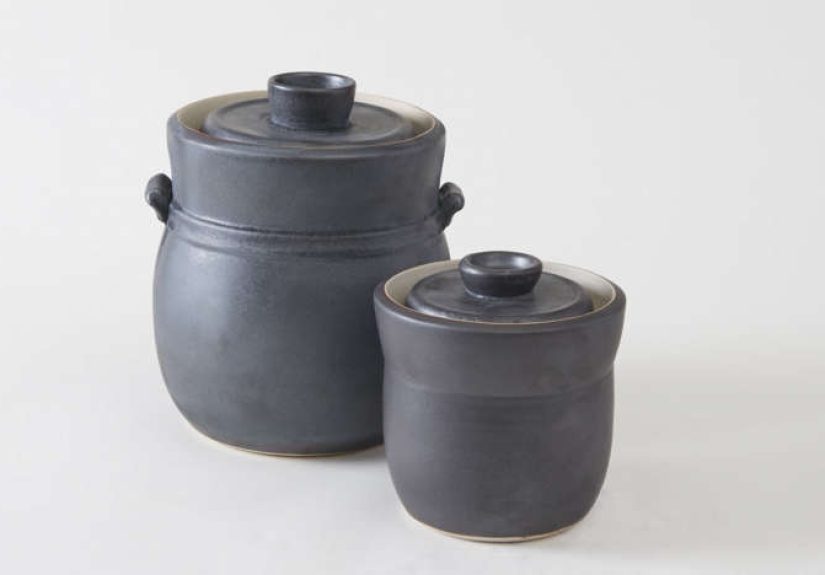
A mini fermentation crock is a compact vessel, usually made of ceramic or stoneware, used for fermenting vegetables in small batches. While traditional crocks often come in one-gallon, two-gallon, or larger sizes, mini versions are commonly found in the roughly 2-liter to 5-liter range. That makes them ideal for apartment kitchens, test batches, seasonal produce, and anyone who prefers a “one crock, one month, one glorious jar of kimchi” lifestyle.
Most mini crocks fall into one of two styles. The first is the traditional open crock, which uses a lid or cover and a weight to keep vegetables below the brine. The second is the water-seal crock, which includes a channel around the lid that is filled with water. That water acts like a natural airlock, allowing gases to escape while limiting oxygen exposure. Think of it as a moat for your cabbage. Medieval, but delicious.
Mini crocks often come bundled with weights, and that detail matters more than it seems. Fermentation works best when vegetables stay under the liquid. When bits float above the brine, they are more likely to discolor, soften, or grow surface mold. A good mini crock system makes submersion easier, which means a more reliable batch and less daily fussing.
Why Mini Fermentation Crocks Are So Popular
The biggest advantage of mini fermentation crocks is simple: they make fermentation feel manageable. A small crock is easier to fill, easier to clean, easier to store, and easier to lift without accidentally throwing out your back in pursuit of probiotic glory. That convenience matters, especially for beginners who want to build confidence before moving on to larger batches.
Mini crocks are also excellent for recipe testing. Maybe you want classic sauerkraut this week, jalapeño carrot sticks next week, and a garlicky dill pickle experiment the week after that. With a small crock, you can run these tasty little trials without using an industrial quantity of produce. If one batch turns out amazing, fantastic. If one batch tastes like a salty life lesson, the loss is much smaller.
There is also less waste. Large crocks are wonderful for serious preserving, but they demand volume. Mini crocks let you ferment what you can realistically eat. That makes them a smart choice for singles, couples, small families, or anyone with a refrigerator already packed with leftovers, condiments, and that one mystery jar no one is brave enough to open.
How a Mini Fermentation Crock Works
At the center of vegetable fermentation is a simple idea: salt, vegetables, and time create the conditions that favor lactic acid bacteria. These bacteria naturally live on produce and, under the right conditions, turn vegetable sugars into acid. That acid lowers the pH, helps preserve the food, and creates the tangy flavor people love in sauerkraut, kimchi, and fermented pickles.
A mini fermentation crock supports this process in a few practical ways. First, its size encourages tighter packing, which helps push vegetables below their own juices or a prepared brine. Second, the crock’s shape supports the use of weights. Third, if it has a water seal, it helps limit oxygen exposure while still allowing fermentation gases to escape. In other words, the crock is not doing the fermenting for you, but it is setting the table for the right microbes.
Temperature matters too. Fermentation is generally happiest in a moderate range, and overly warm conditions can make vegetables soften too quickly. Cooler conditions slow things down. A mini crock makes it easier to find that sweet spot because it can move around the kitchen more easily than a giant vessel. It is much simpler to relocate a 2-liter crock than to drag a massive stoneware monster across the counter like you are rehearsing for a kitchen strongman competition.
What to Look for When Buying a Mini Fermentation Crock
1. The Right Size
Size is the first decision. A very small crock is great for testing recipes and making modest batches of kraut or kimchi. A slightly larger mini crock gives you more flexibility for cucumbers, beans, or mixed vegetables. Many home cooks find that the sweet spot is a size large enough to make several servings, but not so large that it monopolizes half the countertop.
2. Food-Safe Materials
Stoneware and ceramic are popular because they are sturdy, stable, and traditional. The key is making sure the crock is food-safe and intended for fermentation. Avoid containers made with questionable materials or old crocks with unknown glazes. The vessel should be easy to clean and nonreactive. Fermentation brine is not the place to gamble with mystery pottery from a flea market, no matter how rustic and photogenic it looks.
3. A Good Weight System
Weights are not a cute accessory. They are essential. A mini fermentation crock should either come with properly sized weights or be compatible with a reliable weight system. Good weights help keep vegetables submerged, which improves both quality and safety. Glass and ceramic weights are common, and the best ones fit well without awkward gaps.
4. Lid Design
Water-seal lids are appealing because they reduce oxygen exposure and often require less day-to-day checking. Traditional lids can still work beautifully, but they usually need a little more attention. The right choice depends on how hands-on you want to be. Some people enjoy checking their ferment daily like proud vegetable parents. Others want a setup that asks for less emotional commitment.
5. Ease of Cleaning
Because mini crocks are used repeatedly, cleaning matters. Look for a smooth interior, sturdy handles if possible, and a shape that is easy to wash thoroughly. Tiny crevices and awkward lids can turn post-fermentation cleanup into a dramatic soap-and-regret situation.
Best Foods to Ferment in a Mini Crock
Mini fermentation crocks shine with small-batch vegetables that ferment well and get eaten quickly. Popular choices include:
- Sauerkraut
- Kimchi
- Fermented cucumber pickles
- Carrot sticks
- Radishes
- Green beans
- Cauliflower florets
- Mixed garden vegetables
Shredded vegetables like cabbage are especially beginner-friendly because they release liquid well when salted and packed. Whole or chunkier vegetables can also work beautifully, but they often require a measured brine and careful submersion. That is where a mini crock with the right weights really earns its keep.
Mini Crocks vs. Jars: Which Is Better?
Glass jars are perfectly useful for small ferments, and many beginners start there. They are inexpensive, easy to find, and simple to store. But mini fermentation crocks offer a few advantages. They are designed specifically for fermentation, often include weights, and tend to feel more stable for repeated use. Water-seal mini crocks also mimic the airflow control that jar users often try to recreate with special lids or airlocks.
That said, the best choice depends on your goals. If you ferment once a year, a jar may be enough. If you want to make small batches regularly, a mini crock can feel more efficient, more polished, and frankly more fun. There is a certain satisfaction in lifting a ceramic lid and finding a crisp, tangy batch waiting underneath. It feels less like opening leftovers and more like revealing treasure.
How to Use a Mini Fermentation Crock Safely
Good fermentation is not about luck. It is about following proven basics. Use fresh produce, clean equipment, the right amount of salt, and a tested method. Keep vegetables submerged below the brine. Avoid reactive metals and questionable containers. Watch for normal signs of fermentation, such as bubbles, cloudiness, and a pleasantly sour smell.
If you see fuzzy mold, smell something deeply unpleasant, or notice vegetables exposed well above the liquid for long periods, do not treat the crock like a reality show contestant and keep it around “just to see what happens.” Fermentation should smell sour and alive, not rotten or alarming. When in doubt, throw it out and start over with better submersion and cleaner technique.
Once the ferment reaches the flavor and texture you like, move it to cold storage. Refrigeration slows fermentation and helps preserve quality. That is another advantage of mini batches: they are easy to transfer, easy to finish, and less likely to linger in the fridge for months while you promise yourself you will definitely use them “on sandwiches someday.”
Common Mistakes People Make with Mini Fermentation Crocks
One common mistake is overfilling the crock. Fermentation creates gas and movement, and vegetables can expand or bubble upward. Leave headspace. A crock packed to the absolute brim is just a future countertop spill with excellent intentions.
Another mistake is using too little salt or improvising with a random internet method that sounds charming but ignores food safety. Salt is not there just for flavor. It helps create the conditions that support beneficial fermentation. Likewise, keeping vegetables below the brine is not optional. It is one of the biggest differences between a successful ferment and a fuzzy science cautionary tale.
People also underestimate the value of patience. A mini crock may be smaller, but it does not turn fermentation into instant noodles. Good flavor still takes time. Taste gradually, learn how your room temperature affects the process, and resist the urge to micromanage every bubble. Your cabbage does not need a performance review.
Are Mini Fermentation Crocks Worth It?
For many home cooks, absolutely. Mini fermentation crocks make small-batch fermenting more approachable, less wasteful, and more enjoyable. They support the core mechanics of safe vegetable fermentation while fitting modern kitchens and realistic cooking habits. They are especially useful for beginners, hobby fermenters, and anyone who wants to explore homemade sauerkraut, kimchi, or pickles without buying a giant crock that requires a dedicated zip code.
They are not magical shortcuts, and they do not replace good technique. But they do make the process smoother. A well-made mini crock gives you the right size, the right setup, and the right amount of encouragement to keep fermenting. And once you taste a crisp, homemade batch that is tangy, complex, and exactly how you like it, there is a decent chance you will start looking at every extra cabbage in the produce aisle like a personal challenge.
The Real Experience of Using Mini Fermentation Crocks
The experience of using mini fermentation crocks is part cooking project, part habit builder, and part lesson in not overcomplicating things. At first, a mini crock often feels almost too simple. You add vegetables, salt, maybe some garlic or spices, tuck everything under the weights, close the lid, and then stand there thinking, “That’s it?” Yes, that is mostly it. Fermentation has a wonderfully humbling way of reminding people that good food does not always require gadgets, flashing screens, or a ten-step app connection.
What surprises many people is how quickly a mini crock becomes part of the kitchen routine. Because it is small, it does not feel like a giant preserving project that needs a whole weekend and a playlist. It feels doable on a Tuesday. You can shred half a cabbage after dinner, pack a crock before bed, and wake up the next morning feeling disproportionately accomplished. That is one of the secret charms of small-batch fermentation: it delivers strong “look at me, thriving” energy with relatively modest effort.
There is also a sensory side to the experience that people do not always expect. A mini crock has presence. The ceramic feels substantial in your hands. The lid makes fermentation feel intentional instead of improvised. The smell changes gradually, moving from fresh vegetables to a bright, tangy aroma that tells you the microbes are hard at work. If you use a water-seal crock, even topping off the moat becomes a tiny ritual. It is a little old-fashioned, a little nerdy, and somehow deeply satisfying.
Mini crocks are especially good teachers because the stakes are low. If a batch of sauerkraut turns out too salty, too mild, or softer than you hoped, you learn from it and move on without mourning ten pounds of produce. That makes experimentation much easier. One batch might get caraway seeds, another might lean garlicky, and another might go spicy with red pepper flakes. Over time, the crock becomes less of a piece of equipment and more of a quiet kitchen companion that helps you figure out what you actually like.
They also change the way people think about leftovers and abundance. A bunch of radishes that might have gone limp in the crisper can become a bright, crunchy ferment. An extra head of cabbage stops looking like a burden and starts looking like next week’s side dish. Instead of waiting until you have enough produce for a major preserving session, a mini crock invites you to preserve a little at a time. That is a big reason these crocks work so well in real life. They match everyday cooking rather than fantasy-homestead cooking.
Perhaps the best part is the payoff. Opening a mini crock and finding a batch that smells fresh, sour, and lively is deeply rewarding. The vegetables taste sharper, more complex, and more personal because you guided the process yourself. It is a small victory, but a memorable one. And that is what the mini fermentation crock experience really offers: not just fermented food, but a repeatable, satisfying rhythm that turns simple produce into something smart, flavorful, and a little bit magical.
Note: This article is for general educational purposes and reflects research-based home fermentation guidance. Always follow tested recipes and safe food-handling practices when fermenting vegetables at home.