Table of Contents >> Show >> Hide
- What is MASH, and how is it different from MASLD and NASH?
- How common is MASH, and why should you care?
- What causes MASH? Understanding the metabolic connection
- Symptoms of MASH: what you may (or may not) feel
- How is MASH diagnosed?
- Treatment for MASH: lifestyle still leads the way
- New medications for MASH: resmetirom and beyond
- Everyday habits to protect your liver
- When should you see a doctor?
- Living with MASH: real-world experiences and lessons
- Key takeaways
If you’ve ever been told you have a “fatty liver” and thought, “Okay, but what does that
actually mean?” you’re not alone. Doctors have recently updated the language around
fatty liver disease, and one of the star players in this renaming is
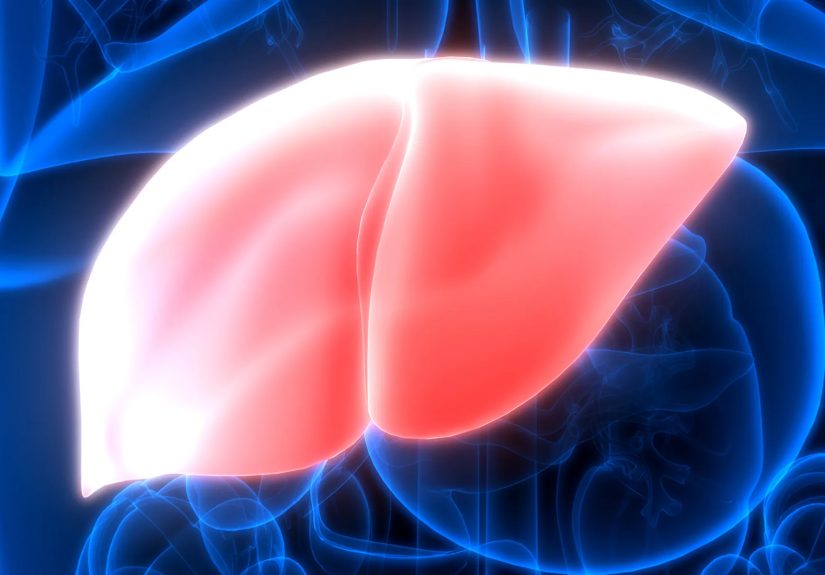
metabolic dysfunction-associated steatohepatitis, or
MASH for short.
MASH is the serious, inflamed, trouble-making version of fatty liver disease that’s tied
to metabolic issues like type 2 diabetes, high cholesterol, and excess body weight. It’s
common, often silent, and (here’s the good news) in many cases, at least partly
reversible when caught early and managed well.
In this in-depth guide, we’ll break down what MASH is, how it’s diagnosed, why doctors
are suddenly talking about it more, and what you can actually do in everyday life to
protect your liver all in clear, standard American English with just enough humor to
keep things from feeling like a biochemistry lecture.
What is MASH, and how is it different from MASLD and NASH?
First, some name changes, because the liver world has been busy rebranding:
-
MASLD (metabolic dysfunction-associated steatotic liver disease) is the
new umbrella term for fatty liver disease related to metabolic problems and low or no
alcohol use. It was previously called NAFLD (nonalcoholic fatty liver disease). -
MASH (metabolic dysfunction-associated steatohepatitis) is the more
severe form of MASLD. It was previously called NASH (nonalcoholic
steatohepatitis).
In plain language, MASLD means there’s too much fat in your liver, linked to metabolic
issues. MASH means that fat has gone a step further, causing
inflammation and cell damage. Over time, that inflammation can lead to
fibrosis (scar tissue), cirrhosis, liver failure, or even liver cancer.
The key idea: MASLD is “fatty liver,” while MASH is “fatty liver that’s actively
irritated and getting damaged.” Doctors care a lot about spotting MASH early because
that’s where the long-term risk jumps.
How common is MASH, and why should you care?
With rising rates of obesity and type 2 diabetes, MASLD and MASH have become
incredibly common. Recent research suggests that:
- Around 38% of adults in regions like North America may have MASLD.
- Roughly 5% of adults have MASH the inflamed, higher-risk form.
-
MASH is on track to become one of the leading reasons people need liver transplants in
the United States.
To make things trickier, most people don’t know they have it. Many
cases are discovered accidentally, like when routine bloodwork shows elevated liver
enzymes or an imaging test done for another reason reveals a fatty liver.
The bottom line: even if you feel well, MASH can quietly progress in the background,
especially if you live with metabolic risk factors. That’s why awareness, screening, and
lifestyle changes matter so much.
What causes MASH? Understanding the metabolic connection
MASH isn’t about “bad behavior” or moral failure. It’s about
metabolic dysfunction the way your body processes and stores energy.
Several factors tend to travel together and raise your risk:
- Having overweight or obesity, especially extra fat around the waist
- Type 2 diabetes or prediabetes
-
Insulin resistance (your cells don’t respond well to insulin, so your
pancreas keeps making more) - High triglycerides or abnormal cholesterol levels (dyslipidemia)
- High blood pressure
-
Metabolic syndrome a combo of these conditions that travel as a
pack -
Sleep apnea or other conditions that stress metabolism and oxygen
supply
In MASH, extra fat accumulates in liver cells, making them vulnerable to inflammation
and oxidative stress. Over time, inflamed cells are replaced by scar tissue. Think of it
like repeatedly injuring the same spot on your skin: you don’t just get a bruise, you
eventually get a thickened, scarred area.
Importantly, MASH is not caused by heavy alcohol use. If alcohol is the
main driver of liver damage, that’s a different condition. But people with MASH are very
strongly encouraged to limit or avoid alcohol, because the liver already has enough to
deal with.
Symptoms of MASH: what you may (or may not) feel
Here’s the frustrating part: MASH is often silent, especially in the
early stages. Many people have no obvious symptoms. When symptoms do appear, they may
include:
-
Persistent fatigue or low energy that doesn’t match your usual level
of activity -
A vague discomfort or fullness in the upper right side of the abdomen,
where your liver lives - Unexplained weakness or feeling “run down” for no clear reason
As scarring becomes more advanced and cirrhosis develops, more serious symptoms can
show up, such as:
- Swelling in the legs or abdomen (edema or ascites)
- Yellowing of the skin or eyes (jaundice)
- Confusion or trouble concentrating (a sign toxins are building up)
- Easy bruising or bleeding
If you ever notice symptoms like jaundice, abdominal swelling, or sudden confusion,
that’s a medical red flag. You should seek urgent medical care.
How is MASH diagnosed?
Diagnosing MASH is a bit like detective work. Your healthcare team usually puts
together clues from your history, blood tests, and imaging. Common steps include:
1. Medical history and physical exam
Your clinician will ask about your weight history, diet, physical activity, alcohol
intake, medications, and conditions like diabetes, high blood pressure, or high
cholesterol. They may examine your abdomen and look for signs of chronic liver disease.
2. Blood tests
Routine bloodwork may show elevated liver enzymes, such as ALT and AST, which can be a
sign of liver inflammation. Other tests can check your blood sugar, lipid levels, and
markers of liver function (like bilirubin and clotting factors).
Doctors often use simple scoring systems like FIB-4 (which uses age,
liver enzymes, and platelet count) to estimate your risk of advanced fibrosis and decide
whether further testing is needed.
3. Imaging studies
To actually see fat in the liver or measure stiffness, your doctor might order:
- Ultrasound a common first step to spot fatty liver
-
Transient elastography (often known by the brand FibroScan), which
uses sound waves to estimate liver stiffness (a clue to scarring) -
MRI-based techniques that can more precisely estimate liver fat in
some situations
4. Liver biopsy (in selected cases)
A liver biopsy taking a tiny sample of liver tissue with a needle is still the only
way to definitively diagnose MASH and stage fibrosis. But because
biopsies are invasive, they’re usually reserved for cases where:
- The diagnosis is unclear
-
Non-invasive tests suggest significant scarring and a more precise stage would change
management -
Doctors need to rule out other liver conditions that may be happening at the same
time
The trend is toward using non-invasive tools as much as possible and keeping biopsy for
more complex or high-risk situations.
Treatment for MASH: lifestyle still leads the way
For a long time, the official treatment playbook for MASH was pretty short:
lose weight, move more, eat better, manage your metabolic health. That
hasn’t changed lifestyle is still the foundation but there are now new medications
that can help selected patients.
Weight loss and nutrition
Research consistently shows that losing about 7–10% of your body weight
can significantly reduce liver fat and inflammation, and sometimes even improve
fibrosis. Even a modest 5% weight loss can help.
There’s no single “MASH diet,” but patterns that support liver and heart health tend to
work best. These include:
-
Mediterranean-style eating: lots of vegetables, fruits, whole grains,
beans, nuts, olive oil, and fish - Limiting added sugars, especially from sugary drinks and desserts
-
Cutting back on refined carbs like white bread, pastries, and
sugary cereals -
Choosing lean protein sources such as chicken, fish, beans, tofu,
and low-fat dairy - Reducing saturated fat from processed meats and high-fat dairy
-
Drinking water, unsweetened tea, or coffee instead of sugary
beverages; many studies suggest coffee (without loads of sugar and cream) may be
liver-friendly
If you have diabetes, high cholesterol, or other conditions, a registered dietitian can
help tailor an eating plan that fits all of your needs, not just your liver.
Physical activity and exercise
Movement helps reduce liver fat, even when the scale isn’t changing yet. Both
aerobic exercise (like brisk walking, cycling, or swimming) and
resistance training (like weights or bodyweight exercises) have been
shown to improve liver health.
A realistic goal for many adults is:
-
At least 150 minutes per week of moderate-intensity aerobic activity,
plus - 2 or more days per week of strength training for major muscle groups
You don’t have to become a marathon runner. Walking more, taking the stairs, doing
short home workouts, or even dancing around the living room all count. The best
exercise is the one you’ll actually keep doing.
Managing other metabolic conditions
Because MASH is closely linked to metabolic health, treating related conditions is
crucial. That may include:
- Bringing blood sugar under better control
- Improving cholesterol and triglyceride levels
- Managing blood pressure
- Treating sleep apnea or other contributing conditions
Some medications used for diabetes or weight management (such as GLP-1 receptor
agonists) can lead to weight loss and may also help reduce liver fat, though they’re
not yet officially approved solely for MASH in many settings. Your clinician will
choose treatments based on your overall health picture.
New medications for MASH: resmetirom and beyond
In 2024, a major milestone arrived: the U.S. Food and Drug Administration approved
resmetirom (brand name Rezdiffra) as the
first medication specifically indicated for noncirrhotic MASH with moderate to
advanced fibrosis. It’s meant to be used alongside diet and exercise, not
instead of them.
Resmetirom works by targeting the thyroid hormone receptor-beta in the
liver, helping reduce liver fat and inflammation and improve fibrosis in many patients
who meet the criteria for treatment.
A few important points about resmetirom:
-
It’s intended for adults with MASH and stage F2–F3 fibrosis
(moderate to advanced scarring), not for people with very mild disease or established
cirrhosis. -
People taking it need regular monitoring and follow-up with their liver specialist or
hepatology team. -
It doesn’t replace lifestyle changes; it’s designed to work with
weight loss, nutrition, and exercise plans.
Other medications, including some diabetes and weight-loss drugs, are being actively
studied for their potential benefit in MASLD and MASH. The treatment landscape is
evolving quickly, which is encouraging but it also means decisions should be made in
partnership with a clinician who keeps up with current evidence.
As always, never start, stop, or adjust medications on your own. Talk with your health
care team before making changes.
Everyday habits to protect your liver
Whether you’ve already been diagnosed with MASH or you’re just trying to be kind to
your liver, small, consistent habits can add up. Consider:
-
Rethinking your drinks: Sugary beverages and heavy alcohol use are
rough on the liver. Try sparkling water with lemon, unsweetened tea, or coffee as
your go-to. -
Reading labels: Watch for added sugars and refined carbs that can
quietly drive fat buildup in the liver. -
Making meals boringly predictable in a good way: Build a handful of
easy, healthy “default” breakfasts, lunches, and dinners (like oatmeal with berries,
a grain-and-bean bowl, or a veggie-filled stir-fry) so you’re not reinventing the
wheel every day. -
Taking breaks from sitting: Set a reminder to stand up, stretch, or
walk for a few minutes every hour or so. -
Prioritizing sleep: Poor sleep can worsen metabolic health and
cravings. Your liver appreciates a solid 7–9 hours, too.
These aren’t flashy hacks, but they’re the same boring, powerful things that protect
your heart, brain, and kidneys and your liver comes along for the ride.
When should you see a doctor?
It’s reasonable to ask your clinician about your liver health if:
- You have type 2 diabetes, prediabetes, or metabolic syndrome
-
You’re living with overweight or obesity, especially with weight carried around your
abdomen -
You have a family history of fatty liver disease, cirrhosis, or unexplained liver
problems -
Your blood tests have ever shown elevated liver enzymes (ALT, AST) or fatty liver on
imaging
Your clinician may order blood tests or imaging to check for MASLD and MASH. If
non-invasive tests suggest significant fibrosis, you might be referred to a liver
specialist (hepatologist) for further evaluation and a personalized treatment plan.
Remember, this article is for information and education. It’s not a substitute for
medical advice. For questions about your own health, always talk with a qualified
health care professional.
Living with MASH: real-world experiences and lessons
Statistics are helpful, but they don’t tell you what it actually feels like to live
with MASH. While everyone’s journey is unique, many people share common experiences
when they first hear the words “metabolic dysfunction-associated steatohepatitis.”
“I felt fine until I saw my lab results.”
A common story goes like this: someone in their 40s or 50s goes in for an annual exam.
They feel basically okay maybe a little tired and heavier than they’d like, but
nothing dramatic. Routine bloodwork comes back with elevated liver enzymes. An
ultrasound shows a fatty liver. After more evaluation, they’re told they have MASH.
The first reaction is often a mix of confusion and defensiveness: “But I don’t even
drink that much,” or “How can my liver be sick when I barely feel anything?” Once the
link to metabolic issues is explained, there’s usually an “aha” moment: “So my liver is
basically the canary in the coal mine for my metabolism.”
People often describe that moment as a wake-up call not just about the liver, but
about long-term health overall.
“Small changes felt pointless… until they didn’t.”
Changing food and movement patterns can feel overwhelming. Some people say they tried
to overhaul everything at once: strict diet, daily intense workouts, no sweets ever
again. That usually lasted about two weeks.
What worked better for many was a series of small, sustainable steps:
-
Swapping sugary drinks for water or unsweetened tea during the week, but allowing a
treat drink on weekends -
Starting with a 10–15 minute walk after dinner and gradually building up time and
pace -
Adding one extra serving of vegetables per day rather than redesigning every recipe
overnight
People often report that after a few months, they notice real changes: clothes fitting
differently, more energy, better blood sugar readings, or improved sleep. Follow-up
bloodwork may show lower liver enzymes or improved non-invasive fibrosis scores.
It’s rarely a straight line. Life happens, motivation dips, holidays show up with
cookies. But the overall direction more movement, more whole foods, fewer sugary and
ultra-processed items tends to produce real benefits over time.
“Medication helped, but it wasn’t magic.”
Some people with moderate to advanced fibrosis due to MASH are candidates for newer
medications like resmetirom. Many describe a sense of relief that there is finally a
drug specifically designed for this condition. At the same time, they realize it’s not
a magic eraser.
People who do best with medication usually:
-
Continue working on diet, activity, and sleep, using the drug as an extra tool rather
than the entire solution -
Keep follow-up appointments and lab work to monitor liver function and fibrosis over
time -
Ask questions and stay engaged with their care team, rather than just “taking the
pill and hoping for the best”
Many describe their mindset shift from “I have a sick liver” to “I’m actively working
on my metabolic health, and my liver is one of the ways I measure my progress.” That
reframe can be powerful.
“I wish I’d known sooner but I’m glad I know now.”
A recurring theme among people living with MASH is wishing the condition had been
discussed earlier during routine care, especially for those with long-standing
diabetes, high cholesterol, or obesity. At the same time, many say they’re grateful to
have an explanation and a plan.
Knowing that MASH can often be slowed, and sometimes partly reversed, gives people a
sense of control. While nobody puts “metabolic dysfunction-associated steatohepatitis”
on their vision board, many find that addressing it leads to healthier habits, better
energy, and a stronger sense of agency over their long-term health.
If you’ve recently been told you have MASH, it’s normal to feel overwhelmed. Start with
one or two small changes you can realistically maintain, ask your clinician about
appropriate testing or treatment options, and remember: your liver is resilient, and
every supportive choice you make is a vote in favor of its long-term health.
Key takeaways
-
MASH is the inflamed, higher-risk form of fatty liver disease linked
to metabolic dysfunction. -
It’s common, often silent, and strongly associated with conditions like type 2
diabetes, obesity, and abnormal cholesterol. -
Diagnosis usually involves blood tests and imaging; some people need a liver biopsy
for a clear picture. -
Lifestyle changes especially weight loss, healthy eating, and physical activity
remain the foundation of treatment. -
New medications such as resmetirom offer additional options for certain people with
more advanced fibrosis, alongside lifestyle measures. -
Early detection and steady, realistic changes can make a meaningful difference in
long-term liver health.